
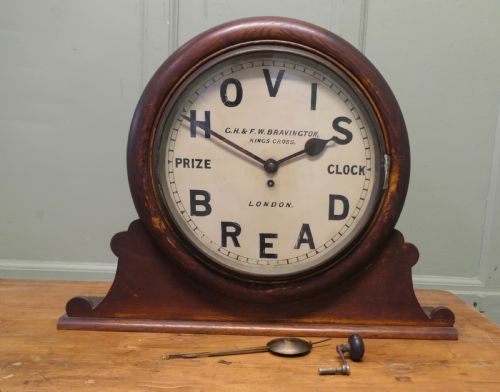
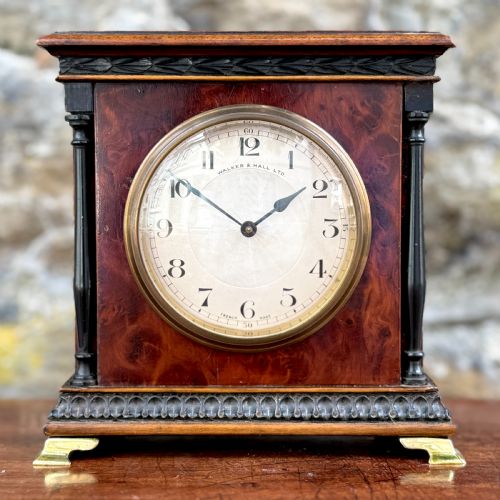
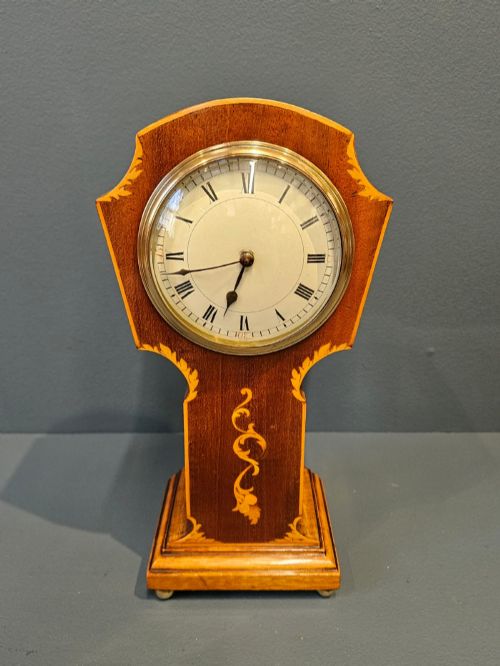


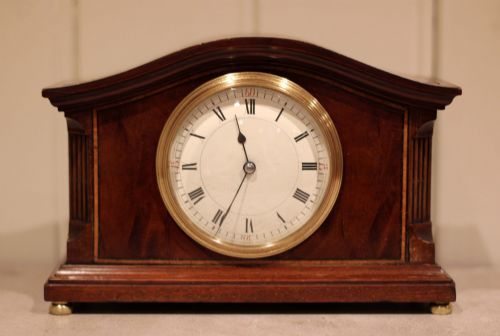
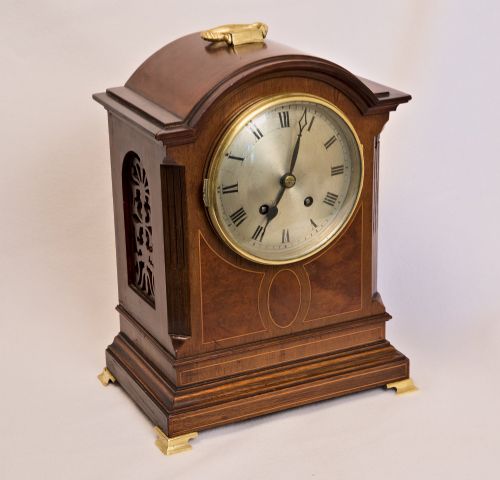


Vintage Wooden Mantelpiece Clock
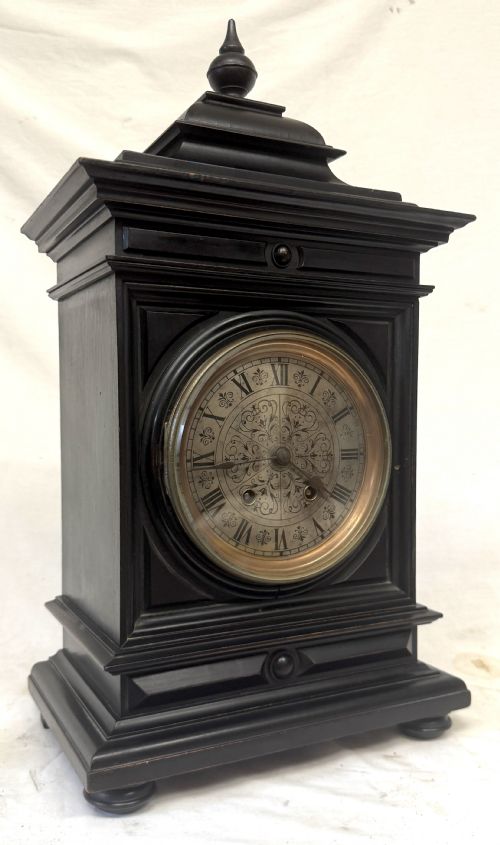
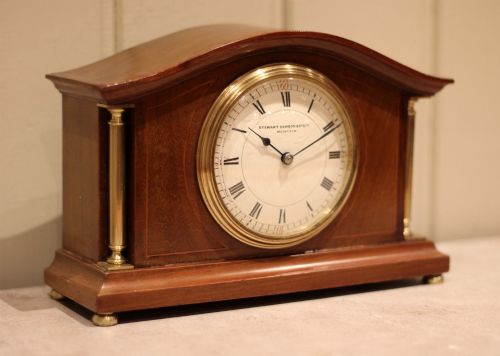
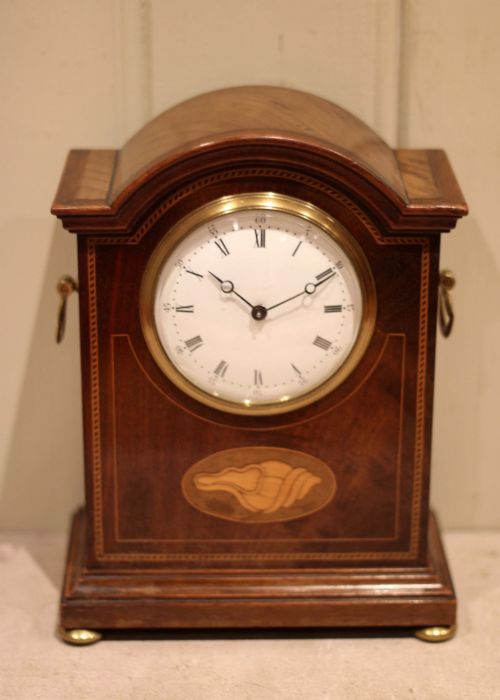
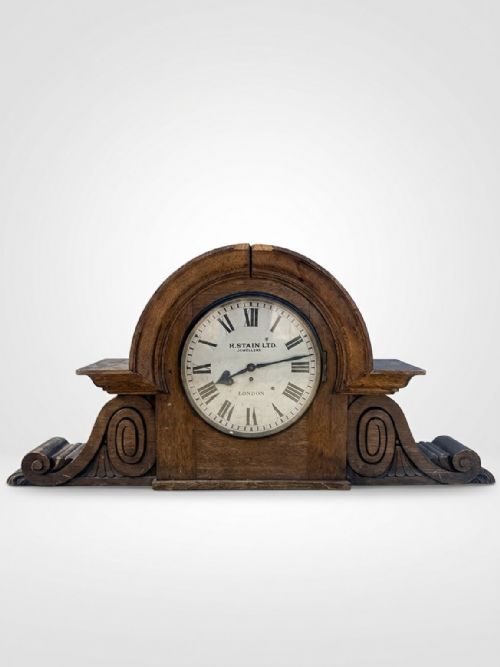
A vintage wooden mantelpiece clock sits comfortably on shelf or sideboard, bringing rhythmic mechanical life and rich timber character into a room.
Vintage Wooden Mantelpiece Clock
A vintage wooden mantelpiece clock brings traditional timekeeping into domestic spaces through varied timber cases and mechanical movements. Buyers seeking a vintage wooden mantelpiece clock encounter forms ranging from simple Edwardian timepieces to ornate French examples.
The pieces span periods from the nineteenth century through the 1930s, encompassing styles such as Edwardian, Victorian, and Art Deco. Mahogany, oak, and walnut dominate the structural woodwork, often enhanced by brass dials and glass bezels.
Most examples function as shelf clocks or bracket clocks designed for domestic interiors. Simpler timepiece movements sit alongside chiming mechanisms and single fusee setups.
Materials and construction
Cabinetmakers utilised solid timbers and veneers including mahogany, oak, walnut, rosewood, and satinwood to construct the outer housings. Inlay work, marquetry, and brass fittings frequently embellish the wooden surfaces.
Horologists fitted mechanical movements within these timber housings, incorporating brass plates, enamel dials, and silvered chapter rings. Fusee and spring-driven mechanisms regulate the timekeeping across the various periods represented.
Assessing quality
The refinement of the timber selection and the complexity of the cabinetwork separate standard productions from finer examples. Superior pieces display thoughtful matching of veneers, crisp inlay, and well-executed brass mounts.
Mechanical sophistication also defines the tier of a clock, with single fusee movements and complex chiming systems representing higher standards of horology. Original dials, signed movements, and intact glass components contribute significantly to the standing of an individual piece.
Lenzkirch·G.H.& F.W. Bravington London·Walker and Hall·L. Vick of Stroud·W. Burton·henry Marc·Perigal of London·Junghans·Adams of Lombard Street·Leith of London
The Vintage Wooden Mantelpiece Clock Glossary
- Fusee
- A conical pulley used in clock movements to maintain even force on the gear train as the mainspring unwinds. This mechanism ensures more accurate timekeeping throughout the running period.
- Bracket clock
- A portable clock originally designed to sit upon a wall bracket or table. These spring-driven pieces typically feature enclosed wooden cases with carrying handles.
- Silvered dial
- A metal clock face treated with a silver compound to produce a matte, reflective surface. Numbers and markings are usually engraved and darkened for legibility.
- Marquetry
- Decorative veneer work arranged in pictorial or geometric patterns using various coloured woods. Craftsmen apply these thin wood sections to the structural carcase.
- Timepiece
- A clock that indicates the time without striking or chiming the hours. These mechanisms focus purely on the visual and mechanical display of the passing hours.
Vintage Wooden Mantelpiece Clock: Frequently Asked Questions
How do I wind a vintage mantel clock?
Most mechanical clocks require a key to tension the spring through dedicated winding holes on the dial. Care must be taken not to overwind the mechanism.
Consult the specific movement type, as fusee clocks and eight-day movements operate with distinct winding cycles and requirements.
Where should I place a wooden mantel clock?
Select a stable, level surface away from direct sunlight, dampness, and temperature fluctuations. Solid mantelpieces and sideboards provide ideal support.
Ensure the location allows the pendulum or balance wheel to operate without interference from surrounding objects.
How do I identify the period of a wooden clock?
Examine the timber choices, decorative styles, and construction methods used in the case. Edwardian and Victorian pieces often show distinct inlay patterns and proportions.
Signatures on the dial or movement and the style of the numerals also offer clear indicators of the manufacturing era.
Do these clocks require professional servicing?
Mechanical clocks with vintage movements benefit from periodic cleaning and oiling by a qualified horologist. Old oils dry out and can impede the gear train.
Regular maintenance preserves the delicate brass components and ensures accurate timekeeping for years to come.