

Vintage Wooden Low Table
A vintage wooden low table brings solid timber and low proportions to a room, functioning as a practical centrepiece for daily life.
Vintage Wooden Low Table
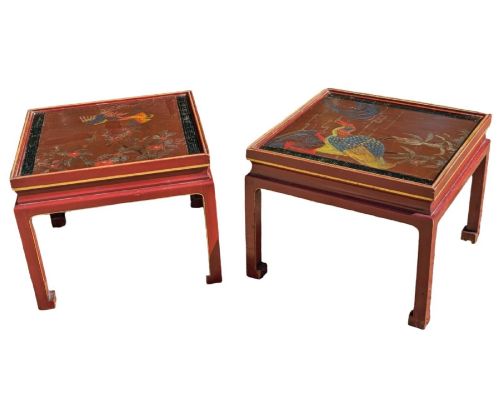
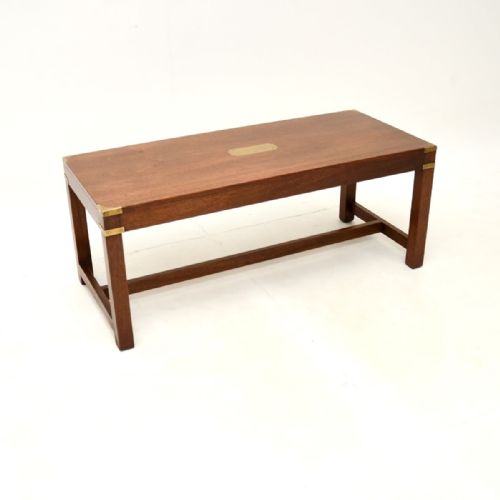
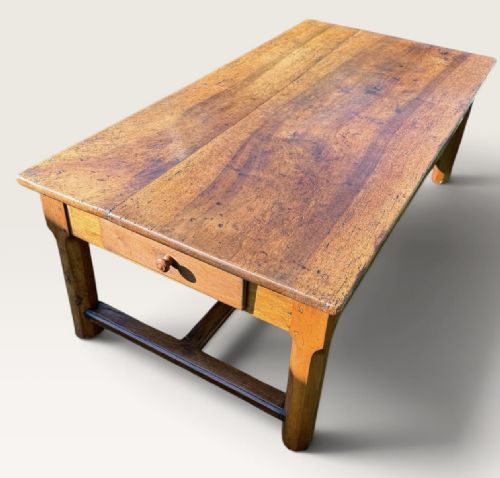
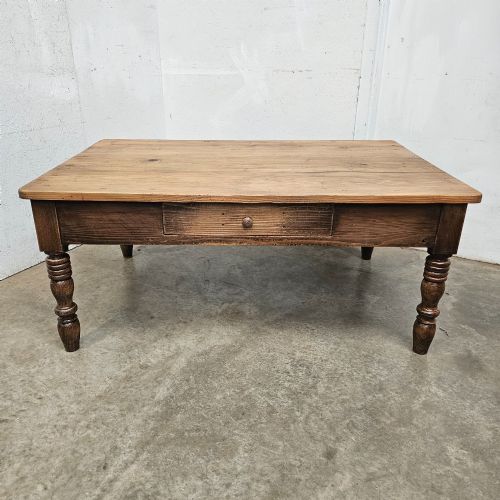
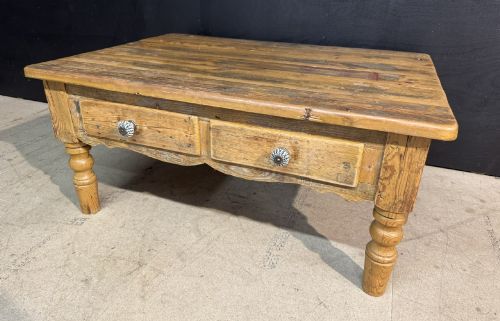
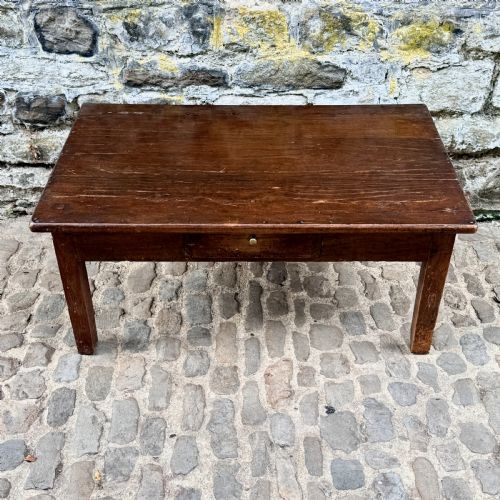
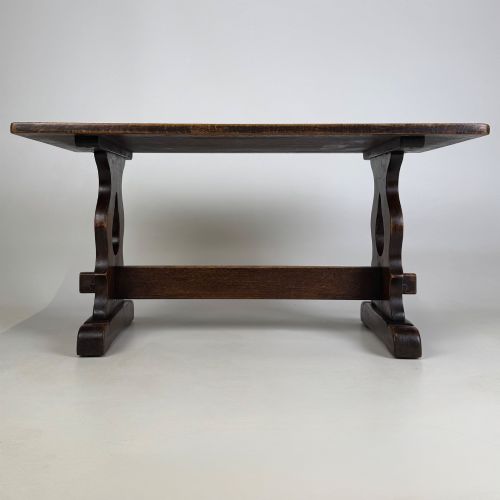
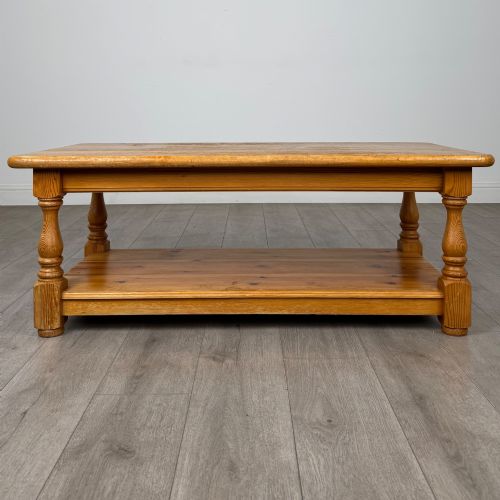
When searching for a vintage wooden low table, buyers encounter a diverse selection of low surfaces derived from various traditional forms, including coffee tables, stools, benches, and repurposed bases. These pieces span multiple periods from the eighteenth century through the twentieth century, reflecting domestic habits and regional cabinet-making traditions.
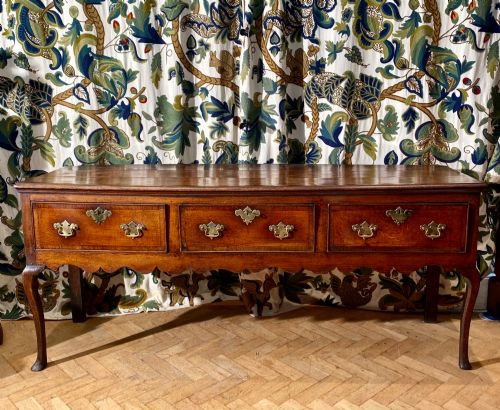
The assortment on this page includes standard coffee tables alongside adapted furniture such as dresser bases, side tables, and low stools repurposed for modern living. Materials range from native timbers like oak, pine, elm, and walnut to exotic hardwoods, often shaped by specific historical styles like Art Deco, Georgian, and rustic farmhouse.
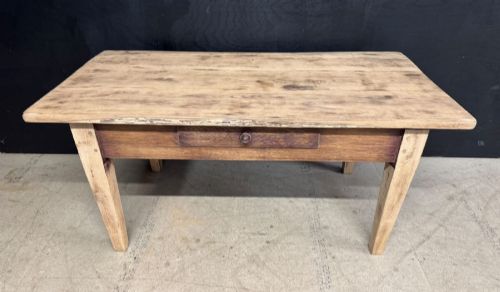
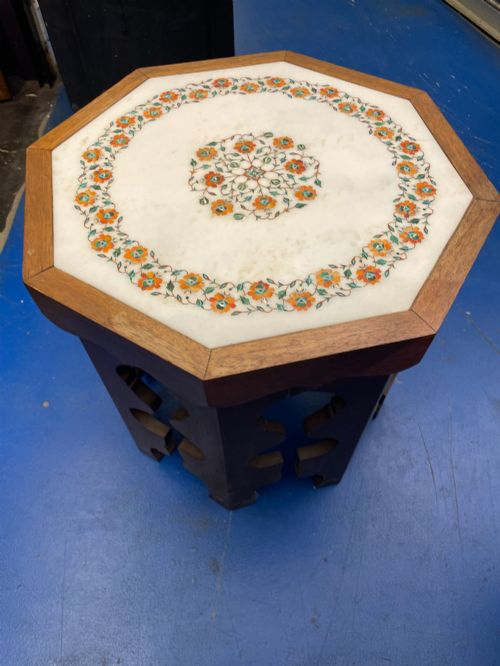
Most items you meet here are twentieth-century or nineteenth-century examples, with Edwardian oak and pine tables appearing frequently alongside walnut designs and occasional Asian or Anglo-Indian imports. Buyers look to these low tables to anchor a seating arrangement while introducing genuine period character through aged timber and traditional joinery.
How they were made
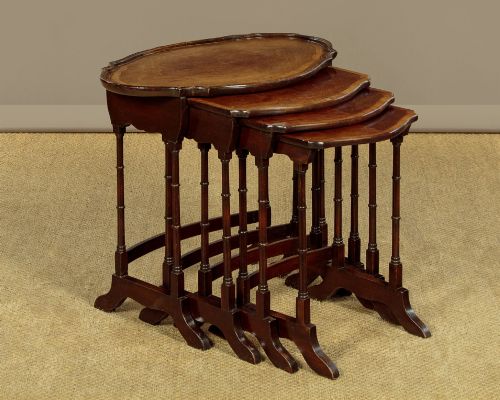
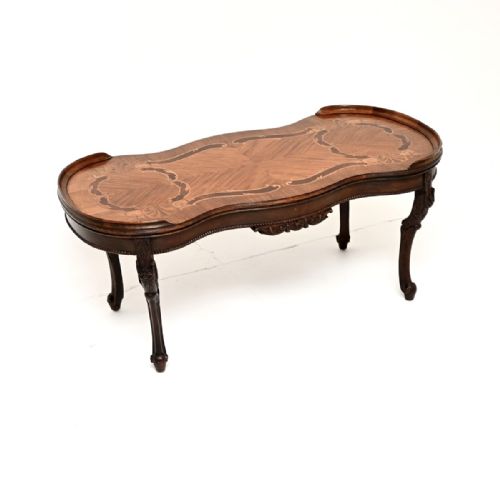
Makers constructed these low tables using robust native and imported timbers, selecting oak, walnut, pine, elm, and mahogany for their structural stability and grain patterns. Many pieces combine solid woods with decorative veneers like burr walnut and oyster veneer, while others feature painted finishes or marble tops supported by wooden frames.
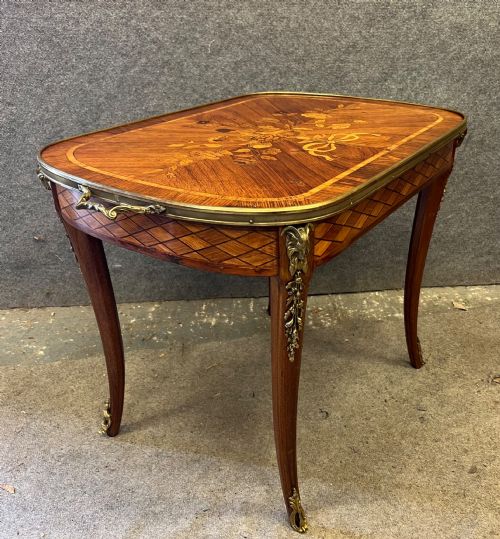
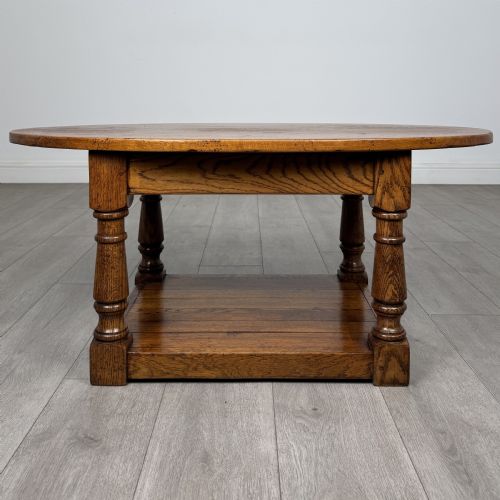
Construction techniques rely on traditional joinery methods such as mortise and tenon frames, turned legs, and hand-carved details. Some variants incorporate specialised decorative elements like inlaid marquetry, fretwork panels, brass fittings, and leather inserts, showing the specific craftsmanship of their respective eras and regions.
Listings feature timbers including oak, walnut, pine, elm, mahogany, and hardwood, alongside painted surfaces and marble tops.
What varies in quality
The distinction between tiers of quality rests upon the selection of timber and the sophistication of the construction. Fine examples utilise dense burr walnut, figured mahogany, or substantial oak, displaying carefully matched grain patterns and precise joinery rather than basic utility framing.
Provenance and decorative detailing further separate standard items from superior pieces. Hand-carved elements, intricate marquetry inlay, and integrated brass work denote workshop production of higher ambition, whereas simple turned legs on pine or basic hardwood represent straightforward utilitarian manufacture.
Betty Joel·Heals
The Vintage Wooden Low Table Glossary
- Marquetry
- Decorative veneer work formed by small pieces of wood fitted together to create pictorial or geometric designs. This technique adds surface pattern to tabletops.
- Dresser base
- The lower section of a traditional kitchen or dining storage unit, often adapted into a low table due to its convenient height and proportions.
- Burr walnut
- Timber taken from a walnut tree growth, yielding swirling, highly figured grain patterns prized by cabinet makers for decorative table surfaces.
- Turned leg
- A wooden support shaped on a lathe to produce cylindrical, spiral, or bulbous profiles common on period seating and tables.
Vintage Wooden Low Table: Frequently Asked Questions
What is a vintage wooden low table used for?
These low tables serve primarily as coffee tables positioned before sofas and seating areas to hold drinks, books, and decorative objects. Their modest height makes them practical additions to living spaces.
Beyond standard coffee tables, many pieces originate as low stools, chests, or adapted dresser bases that bring similar surface utility with distinct historical character.
How do I identify the period of a wooden table?
Period identification relies upon examining timber choice, construction techniques, and stylistic clues such as cabriole legs, turned supports, or carved ornamentation. Edwardian and Victorian pieces often show distinct proportions and factory-influenced joinery.
Earlier examples from the eighteenth or early nineteenth centuries generally feature hand-cut joints, heavier native timbers, and signs of long use that reflect manual workshop production.
Are these low tables made from solid wood?
Many listings feature solid timbers such as oak, pine, elm, walnut, and mahogany, though some incorporate secondary woods for internal framing. Solid construction ensures durability across decades of daily domestic use.
Other examples employ decorative veneers applied to stable sub-strates, a technique used across various periods to display striking grain patterns like burr walnut or oyster veneer.
How do I care for an antique wooden low table?
Maintenance involves protecting the wooden surface from excessive moisture, direct heat sources, and prolonged direct sunlight that can dry out old finishes. Regular dusting with a soft cloth preserves the natural sheen of the timber.
Applying appropriate wax polish occasionally helps nourish vintage wood surfaces and maintains the protective barrier built up over generations of use.