
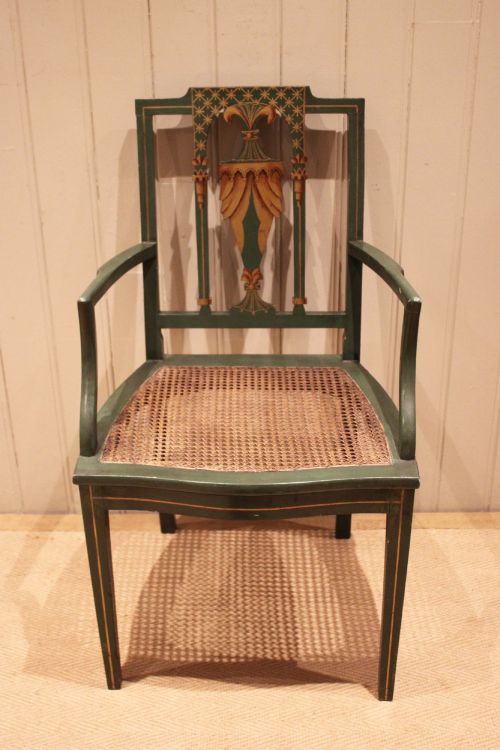
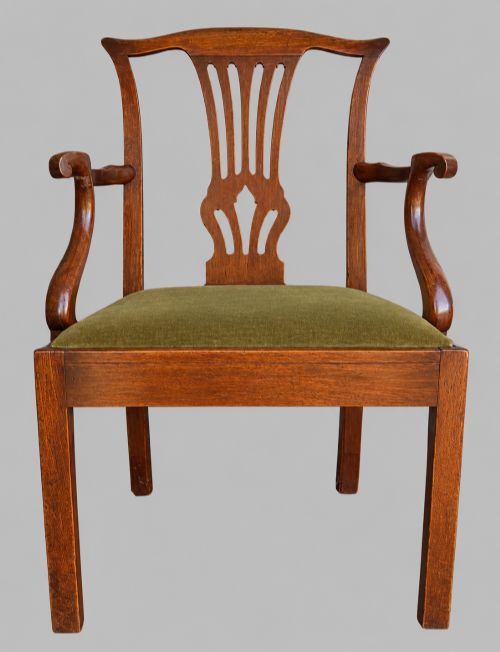
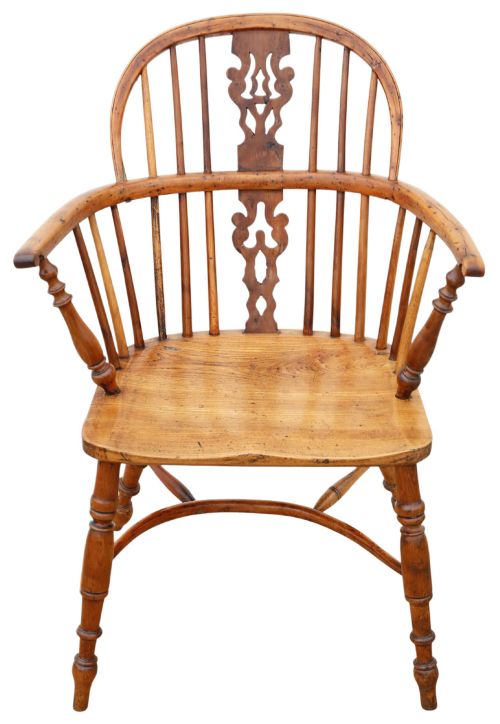
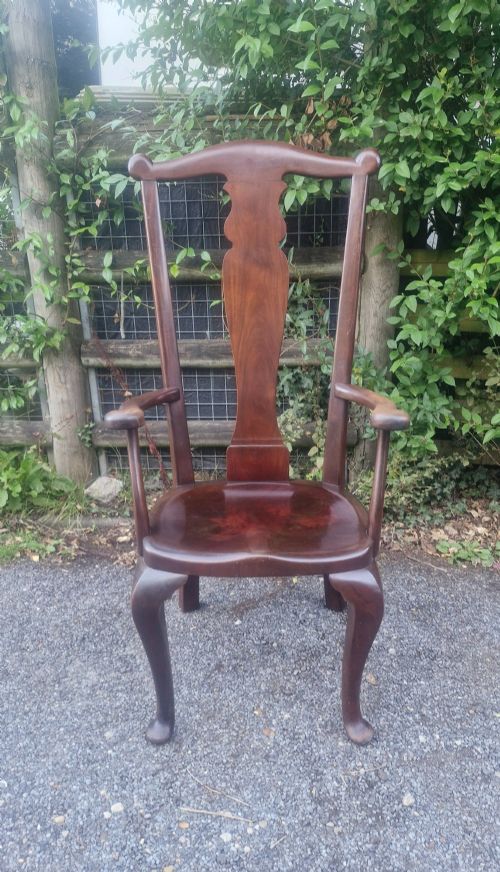


Vintage Wooden Desk Armchair
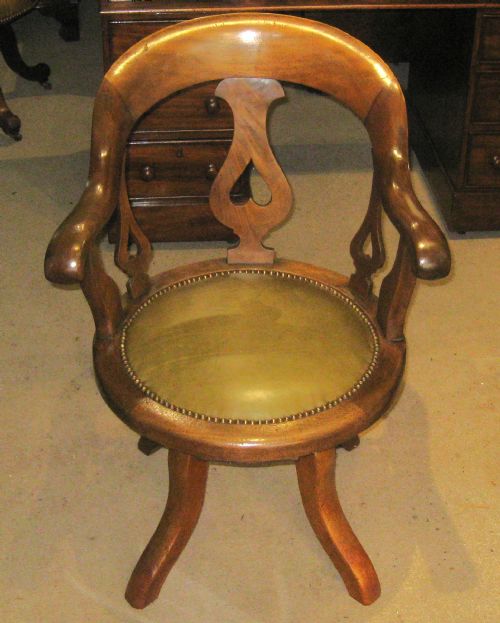
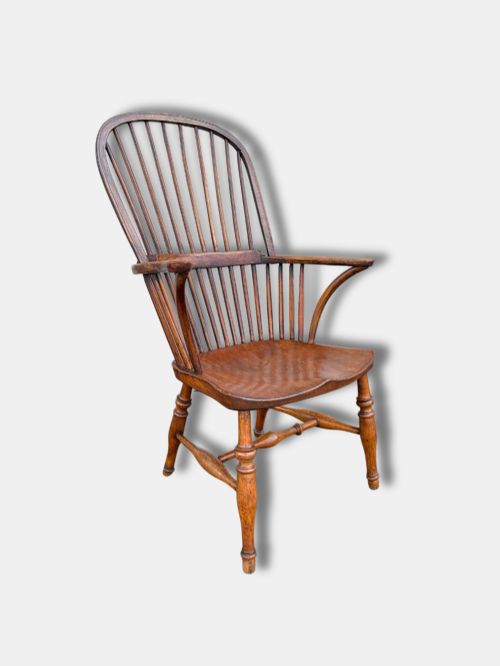
A vintage wooden desk armchair brings traditional character and sturdy seating to a study, built from enduring timbers like elm, mahogany and oak.
Vintage Wooden Desk Armchair
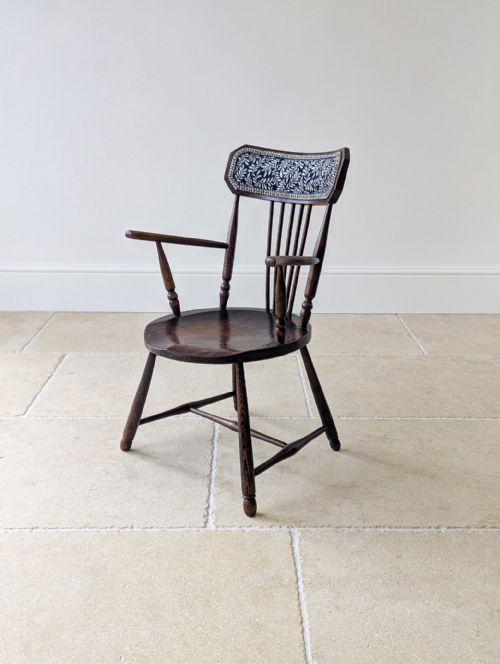
When searching for a vintage wooden desk armchair, buyers encounter practical seating solutions spanning the eighteenth, nineteenth and early twentieth centuries. These pieces encompass robust vernacular Windsor designs alongside formal mahogany office and revolving chairs.
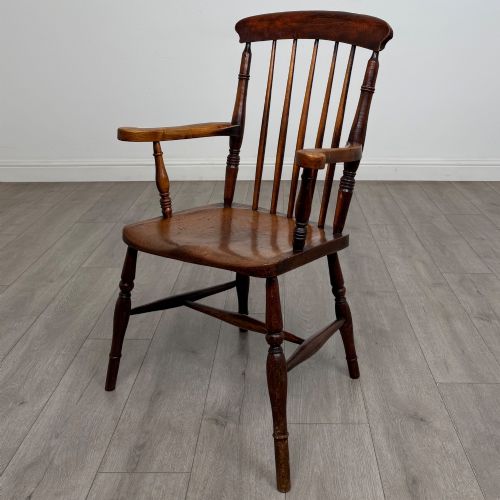
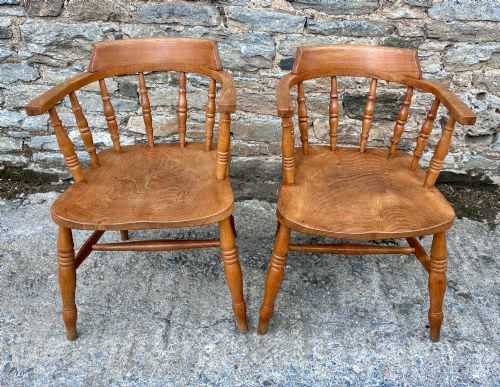
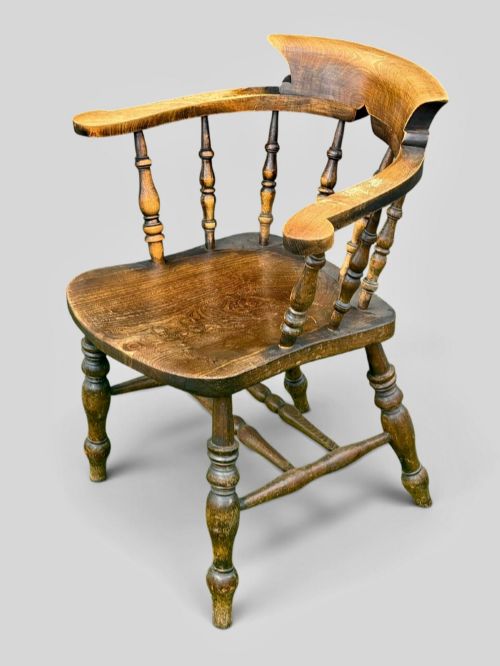
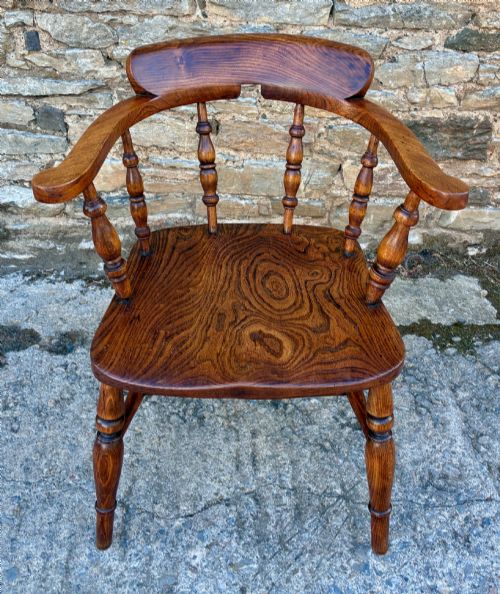
The most common examples on this page are nineteenth-century country armchairs and captain's chairs constructed from mixed timbers such as elm and beech. These sturdy forms combine deep wooden seats with supportive high or low backs tailored for prolonged daily sitting.
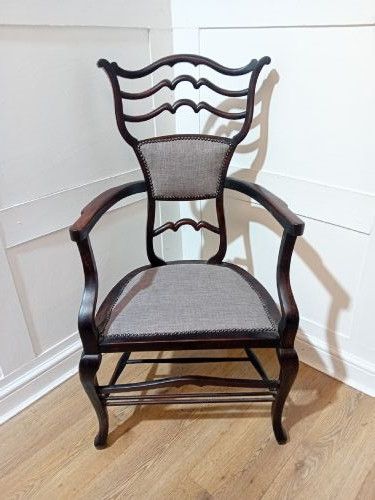
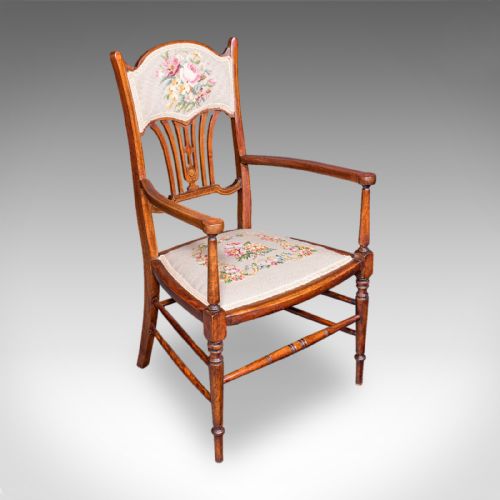
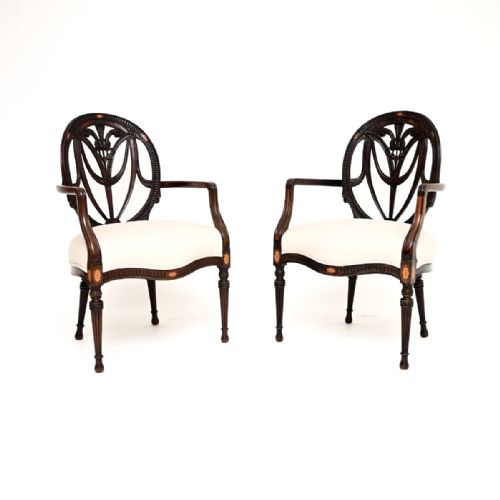
Beyond simple vernacular seating, the selection includes formal Edwardian and Victorian mahogany library chairs, often featuring inlaid details or upholstered pads. Each variant reflects the distinct domestic or professional workspace demands of its original period.
Materials and construction methods
Makers utilised a combination of resilient native hardwoods, pairing dense elm seats with flexible ash, beech or yew spindles. This traditional timber selection ensured both structural longevity and comfort during extended periods of work.
Joinery methods relied heavily on traditional turned components, wedged tenons and steam-bent wooden hoops to form stable armrests and backrests. Mahogany versions incorporated finer cabinet-making techniques, including carved splats, subtle inlay and high-back framing.
Countless nineteenth-century writers and clerks likely dozed off in these very captain's chairs.
Separating everyday utility from finer craftsmanship
Quality in these armchairs rests upon the selection of timber grain, the crispness of turned spindles and the organic integrity of the wooden seat. Superior examples display carefully matched grain patterns and minimal replacement components across their structural framework.
Construction depth dictates long-term durability, distinguishing straightforward utilitarian seating from workshop-produced or stamped pieces. Refined proportion, balanced arm curvature and solid peg joints separate standard utility chairs from more accomplished cabinet-maker output.
Edward Barnsley·Gabbitass Worksop·J Spencer
The Vintage Wooden Desk Armchair Glossary
- Smoker's bow
- A low-back wooden armchair with a continuous curved armrest rail supported by turned spindles, originating in nineteenth-century vernacular seating.
- Carver
- A traditional term for an armchair, typically designed to match a set of single dining or desk chairs.
- Splats
- The vertical wooden strip placed in the centre of a chair back, often shaped or pierced according to period styles such as Chippendale or Hepplewhite.
- Elbow chair
- An alternative historical descriptor for an armchair, referencing the prominent rests designed to support the sitter's arms.
Vintage Wooden Desk Armchair: Frequently Asked Questions
How do I identify a genuine Windsor desk armchair?
Look for a heavy, sculpted solid wood seat that shows natural wear and houses individually turned spindles and legs driven directly through bored holes. The construction should rely on pegged joints rather than modern metal fasteners.
Examine the underside of the seat for traditional adze marks and the specific ageing patterns of timbers like elm, ash and yew. Genuine older examples often exhibit slight asymmetrical quirks from hand-tooling.
Are these armchairs comfortable for daily computer work?
Many nineteenth-century country and captain's chairs provide excellent lumbar support and generous seat dimensions designed for prolonged sitting at a table. Their deep wooden saddles distribute weight effectively.
For modern desk heights, check the clearance beneath the armrests to ensure the chair slides comfortably under the work surface. Adding a loose leather or fabric pad can enhance day-long comfort.
How should I care for a vintage wooden desk chair?
Maintain the timber by applying natural beeswax periodically to nourish the dry wood and preserve the surface sheen. Avoid placing the chair near direct heat sources or strong sunlight to prevent timber shrinkage and splitting.
Check the stability of the leg joints and arm pegs annually, securing any loose wedges with appropriate traditional hide glue if necessary. Gentle dusting with a dry cloth keeps the patina intact.