



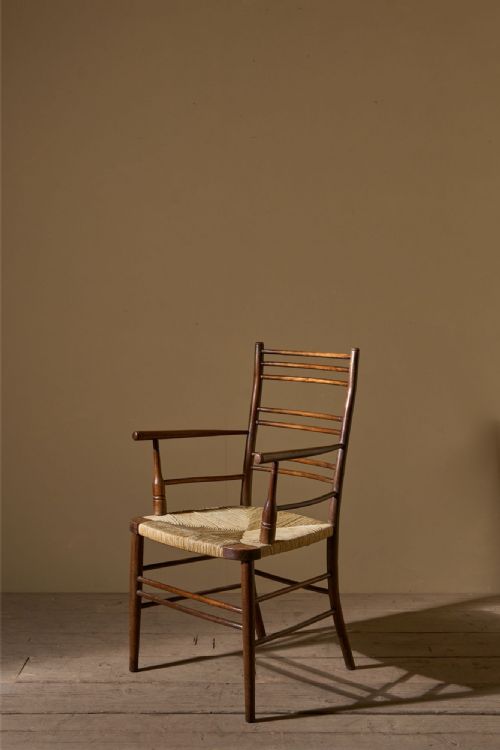
English Country Wooden Armchair
An English country wooden armchair brings solid domestic history into a room, offering sturdy seating built by regional makers.
English Country Wooden Armchair
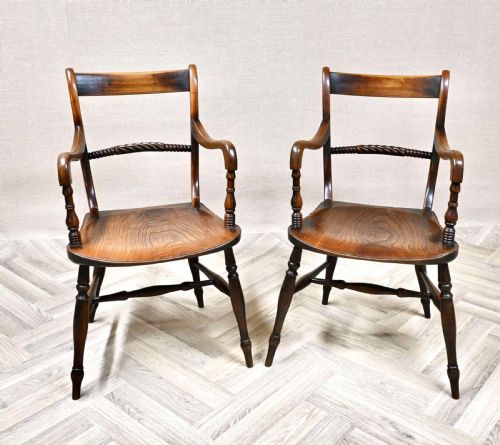
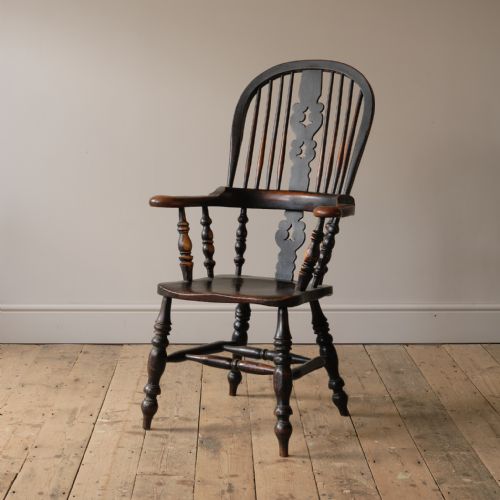
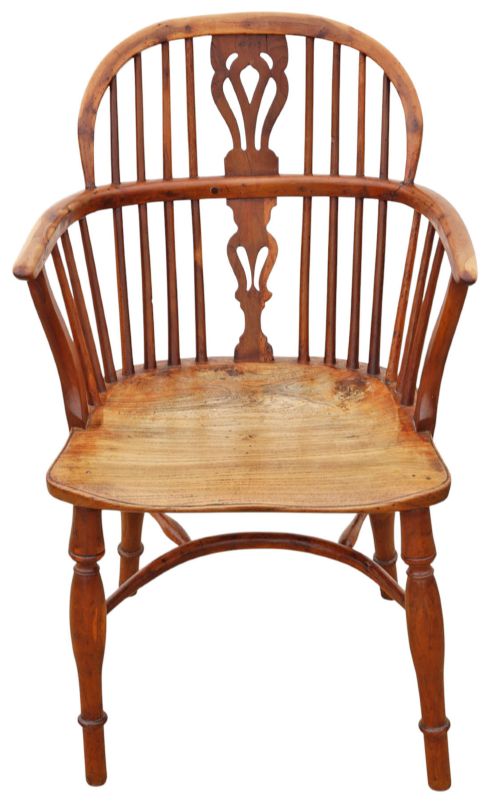
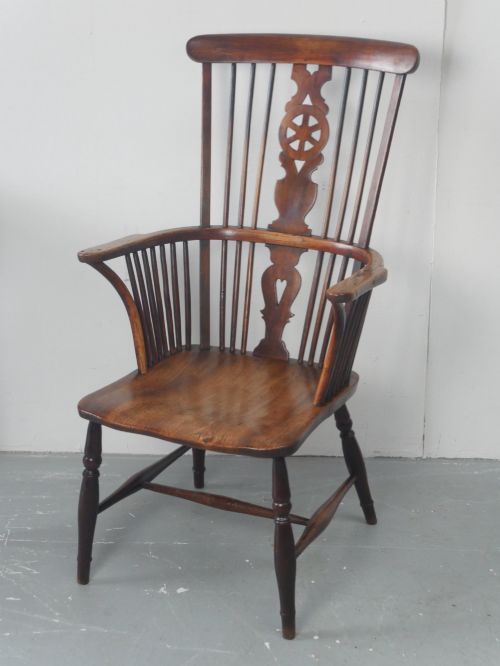
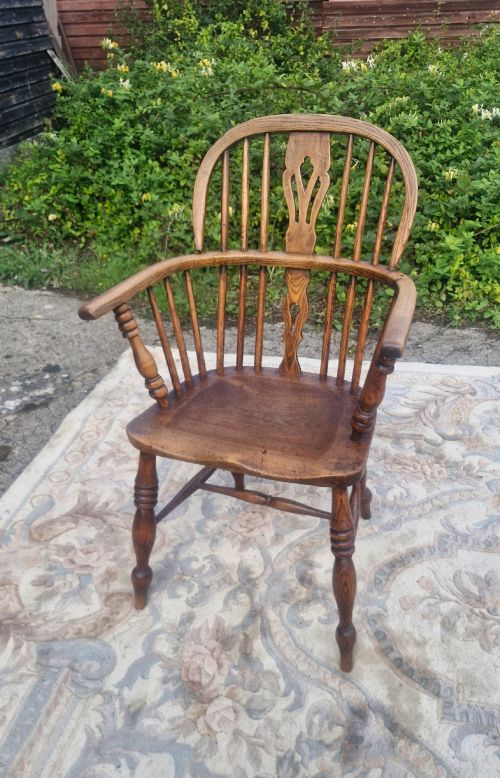
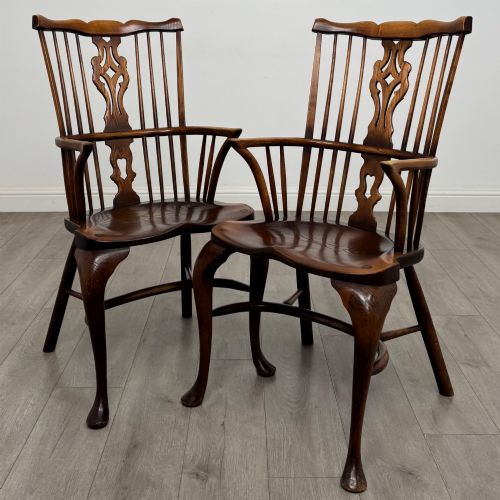
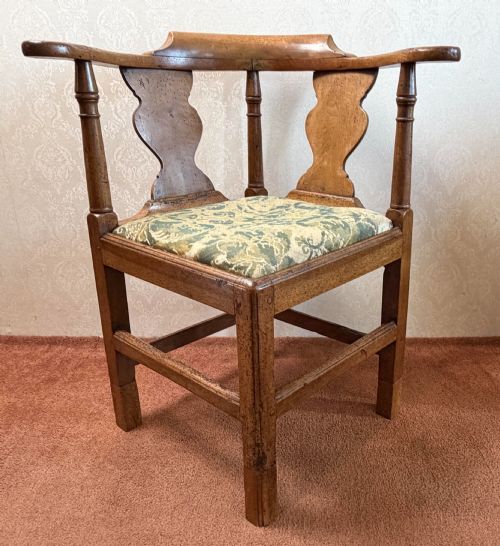
An English country wooden armchair is a vernacular seat built for everyday use in farmhouses, cottages, and kitchens across the provinces. These chairs range from robust 18th-century wainscot and corner designs to regional Windsor forms with distinctive comb backs or wheel backs.
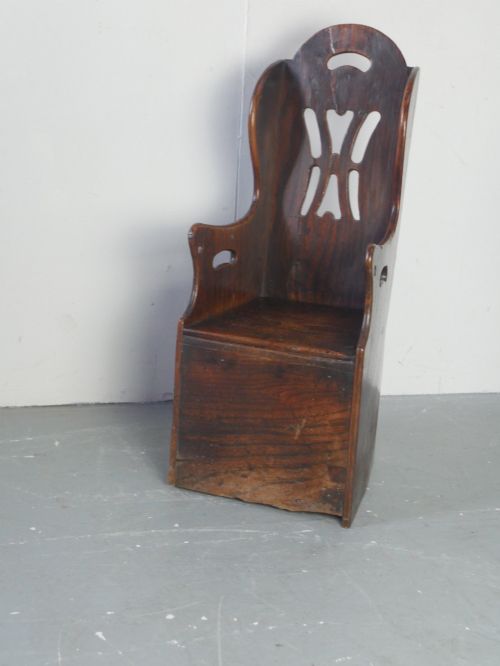
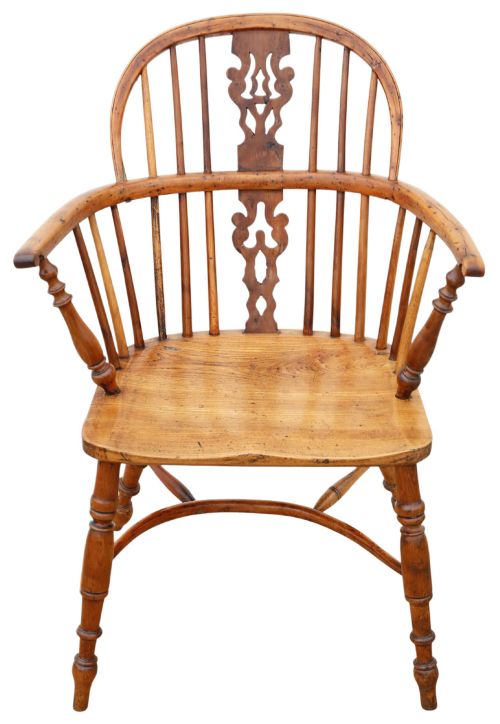
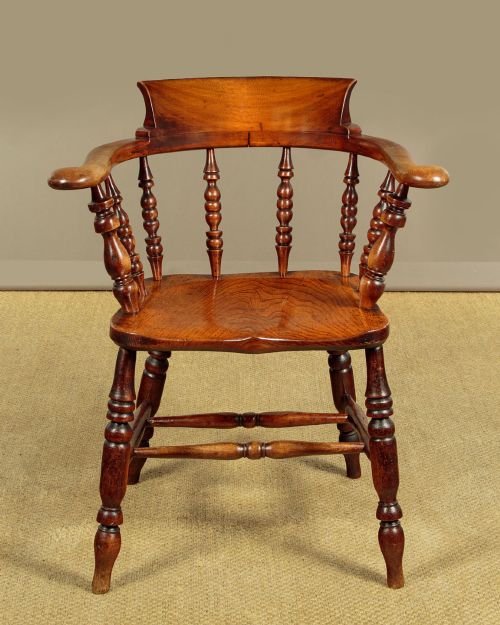
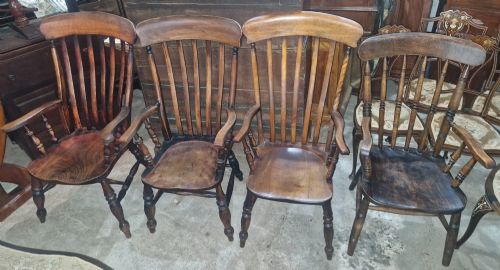
The specimens most frequently found on this page date from the 19th century, reflecting Victorian and Edwardian domestic production. Buyers encounter various formats, including low-back smokeres bows, high-comb armchairs, and occasional childs versions made for domestic settings.
Regional variations shape these pieces, with makers utilising local timber traditions from specific shires and counties. Such seating prioritises functional comfort over formal courtly styles, resulting in honest construction suited to daily life.
Materials and Construction Methods
Makers constructed these chairs using native hardwoods suited to different structural demands, frequently combining ash for bent limbs, elm for thick carved seats, and yew for figured grain. This mixed timber approach ensured the frame could withstand heavy daily stresses.
Green woodworking techniques allowed craftsmen to shape unseasoned timber, letting the components shrink and lock together tightly as they dried. Legs and spindles were turned on pole lathes and wedged into bored seats without metal fixings.
Steam-bending equipment shaped the continuous bow backs and arm rails from straight-grained ash or beech. This method provided resilience and spring without compromising the grain integrity of the wood.
Several miniature childs versions survive, proving that toddlers once sat in miniature high-comb splendour by the hearth.
Factors Distinguishing Quality
Quality rests upon the selection and figuring of the timber, particularly where contrasting yew and elm meet in the seat and arms. Superior examples display striking grain patterns and careful matching between the spindle turnings and the main bow.
Structural integrity depends on the original tightness of the wedged joints and the retention of the timber's natural thickness around the seat bore holes. Substantial arm attachments and minimal replacement parts indicate a higher grade of surviving vernacular manufacture.
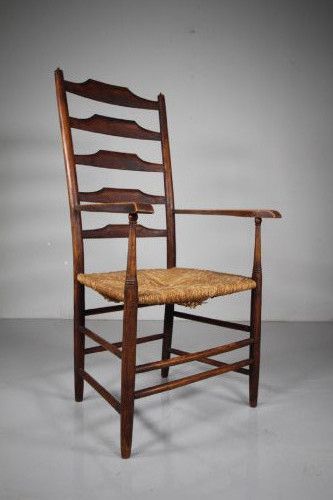
Philip Clissett·J Spencer
The English Country Wooden Armchair Glossary
- Windsor
- A chair built with a thick wooden saddle seat into which the undercarriage legs and back spindles are independently inserted. This method creates a sturdy, unified frame without traditional box stretchers.
- Comb back
- A Windsor chair design where the vertical spindles extend upward to support a horizontal top rail resembling a hair comb. It provides extended upper back support.
- Smokers bow
- A low-backed armchair with a rounded continuous arm rail supported by turned spindles, commonly found in 19th-century domestic and tavern interiors.
- Wainscot
- An early wooden armchair constructed with panelled backboards and solid arms, drawing from heavier 17th-century vernacular joinery techniques.
- Vernacular
- Objects designed and built by local tradesmen following regional traditions rather than metropolitan academic styles.
English Country Wooden Armchair: Frequently Asked Questions
How do I care for an antique wooden armchair?
Keep the timber away from direct heat sources and sudden humidity shifts to prevent the wood from splitting or warping.
Apply a microcrystalline wax occasionally to nourish the surface without attracting dust or dulling the natural patina.
Are these chairs comfortable for daily seating?
The carved elm seats are contoured to fit the body, offering surprising support despite lacking modern upholstery.
Adding a loose cushion can adjust the seat height and soften the timber surface for prolonged sitting.
How can I tell an 18th-century chair from a Victorian one?
Early pieces from the 18th century often feature simpler joinery, broader proportions, and deeper patination built from local fruitwoods or oak.
Victorian versions frequently employ machine-turned components and standardised spindle patterns suited to larger workshop production.
What is a wheelback Windsor chair?
A wheelback chair incorporates a pierced wooden splat shaped like a carriage wheel into the centre of the backrest.
This decorative feature gained popularity during the 19th century across English farmhouse and kitchen seating.