


Victorian Ash Windsor Chair
When choosing a victorian ash windsor chair, examine the timber combination and spindle formation carefully to understand its regional origins.
Victorian Ash Windsor Chair
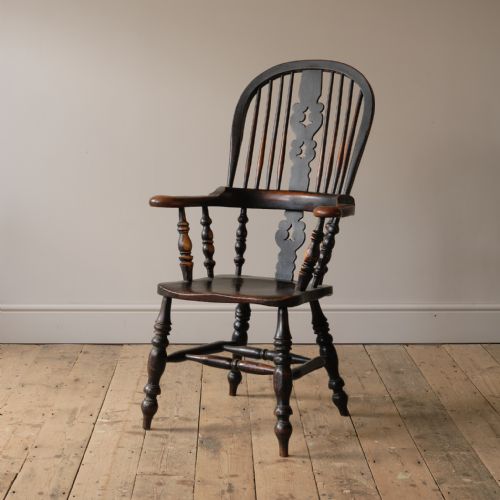
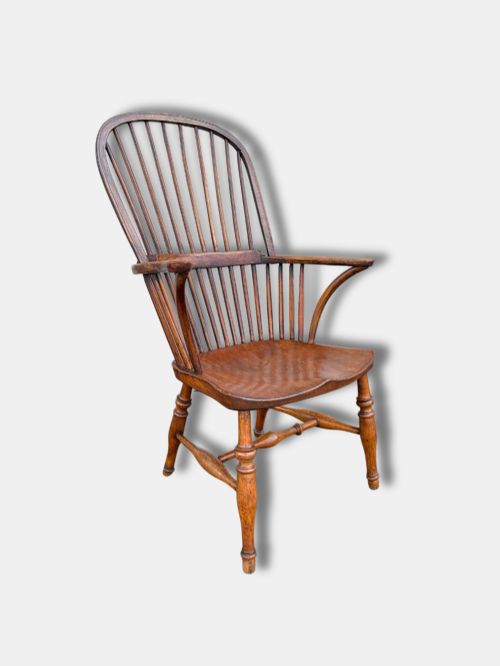
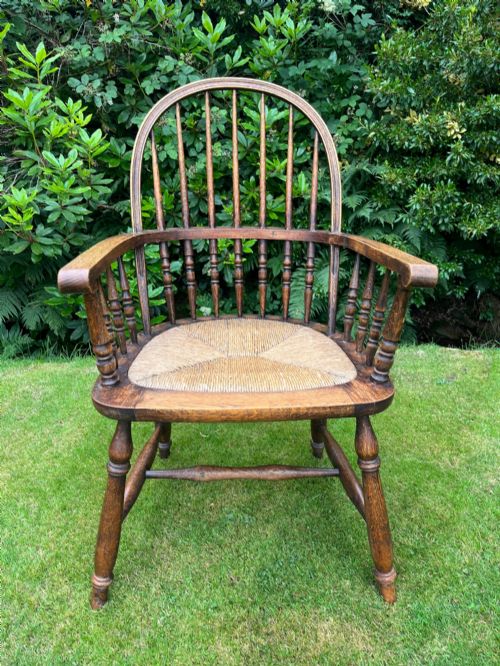
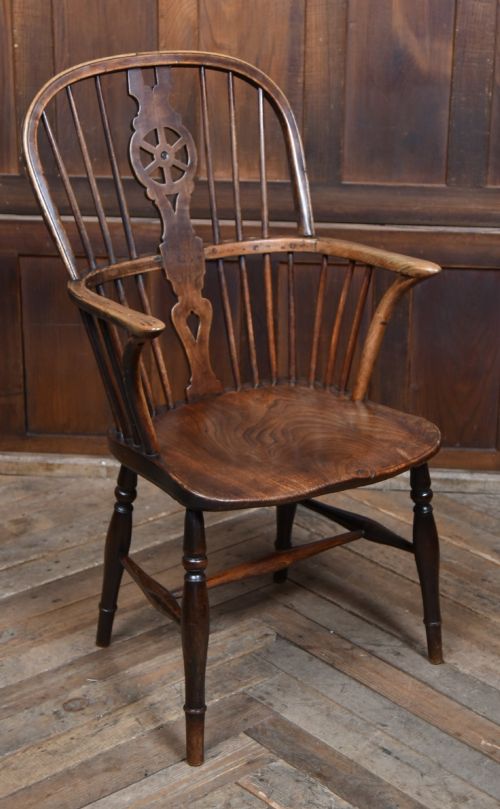
A victorian ash windsor chair is a traditional timber seating form characterised by a solid shaped wooden seat into which the undercarriage legs and upper back spindles are wedged directly. The examples found here typically date from the nineteenth century and span regional English variations including Thames Valley and Scottish vernacular styles.
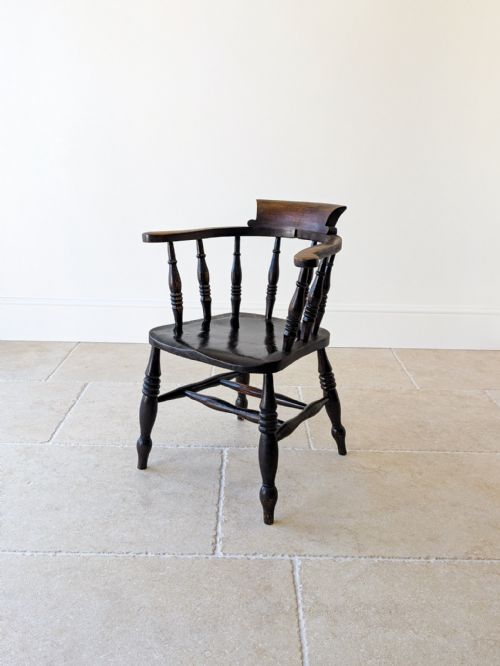
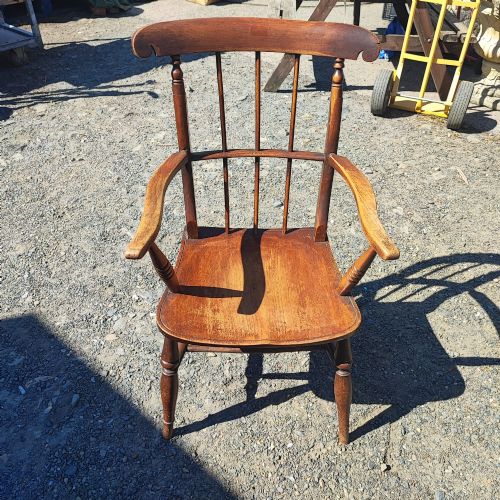
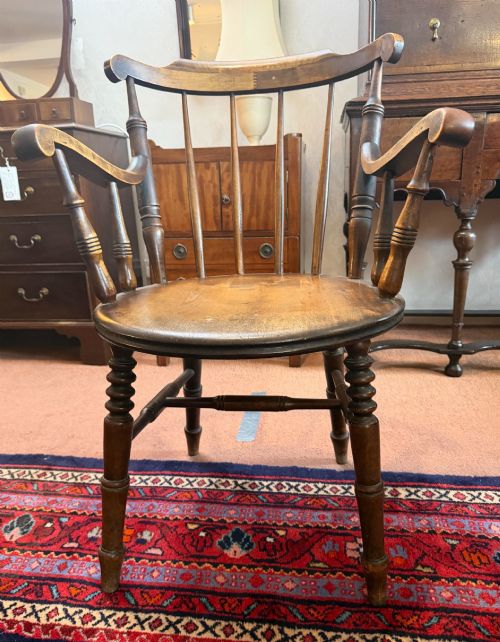
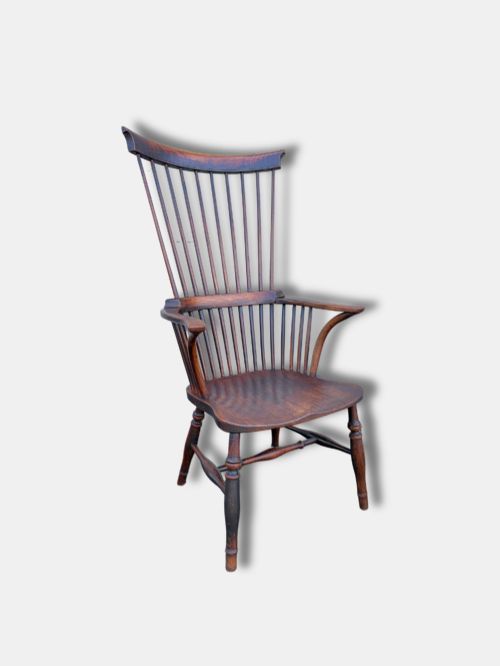
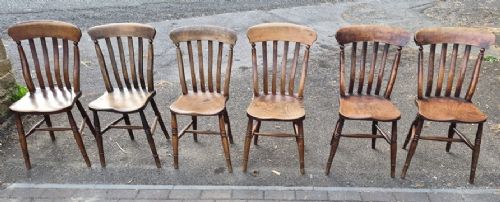
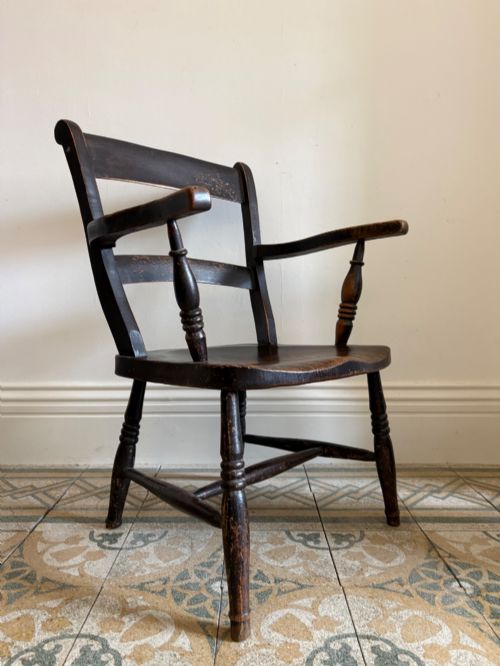
Buyers will most frequently encounter single armchairs and matching sets of dining or kitchen chairs featuring combinations of ash frames and elm seats. These pieces range from low back and captain's chair configurations to high comb back and stick back designs intended for domestic and farmhouse use.
How They Were Made
Maker construction relied on contrasting timbers selected for specific structural properties, combining resilient ash for bent bows and spindles with dense elm for carved solid seats. Additional secondary woods such as beech and yew appear across various regional workshops for legs, stretchers and decorative elements.
Components were shaped using traditional turning lathes and drawknives before being assembled through mortise and tenon joinery. Spindles were commonly secured with wedges driven into the upper seat face to ensure rigidity.
Listings feature nineteenth-century examples combining ash frames with elm seats, alongside occasional beech and yew variants.
What Varies in Quality
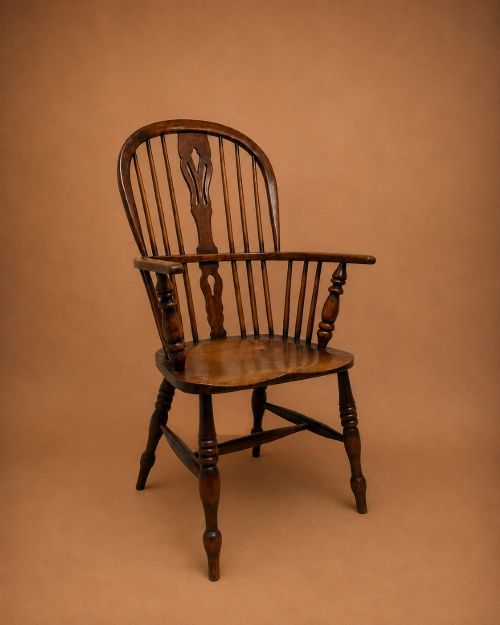
Quality in these seating forms depends heavily on the sculptural handling of the wood and the integrity of the original joints. Superior examples display generous proportions, well-figured elm seats with deep saddle depressions, and crisp turning on the arm supports and legs.
The sophistication of the back design also distinguishes the range, from simple stick backs to pierced splats, wheel-back motifs, and broad comb-piece crest rails. Balance and posture reveal the maker's skill in angling the rake of the legs and the curvature of the arm bow.
Duncan McKellar of Fenwick
The Victorian Ash Windsor Chair Glossary
- Comb back
- A Windsor chair style where the vertical spindles extend upward to support a horizontal top rail resembling the teeth of a comb. This form often provides a taller backrest for added support.
- Smoker's bow
- A low-backed Windsor armchair featuring a continuous curved arm rail supported by turned spindles above a solid wood seat. These pieces are frequently associated with nineteenth-century domestic and commercial interiors.
- Thames Valley
- A regional English style of Windsor chair known for refined craftsmanship, slender proportions, and timbers like yew or elm. These chairs often exhibit distinctive crinoline stretchers joining the legs.
- Stick back
- A chair construction method utilising plain turned vertical wooden rods secured into the seat and top rail without a central splat. This utilitarian design was widely produced across British country workshops.
- Saddle seat
- A thick wooden seat base sculpted with hollowed depressions for ergonomic comfort. Elm was traditionally chosen for this component due to its interlocking grain which resists splitting under carving.
Victorian Ash Windsor Chair: Frequently Asked Questions
How do I identify a Victorian Windsor chair?
Examination of the construction reveals distinct nineteenth-century turning patterns, timber ageing, and structural assembly methods. Look for traditional wedge-tenon joints connecting the spindles to the solid wood seat.
Regional characteristics and timber choices such as ash, elm, and beech further help distinguish period production from later reproductions.
Where were these chairs used originally?
These seating pieces served diverse domestic and commercial roles in nineteenth-century kitchens, farmhouses, and writing rooms. Their robust construction suited daily heavy use around dining tables and hearths.
Lower configurations functioned as desk or captain's chairs, while larger armchair variants provided fireside seating.
Can I use them as dining chairs?
Many examples on this page were made as sets for kitchen and dining spaces, making them suitable for daily table use. Verifying seat heights and table clearances ensures comfortable seating arrangements.
Mixing individual regional chairs can also create an authentic harlequin dining set.
What wood types should I expect?
The listings consistently record a combination of ash for bent wood components and elm for solid carved seats. Secondary timbers like beech and yew appear regularly in frame legs and spindles.
These materials were chosen for their specific flexibility and strength properties.