


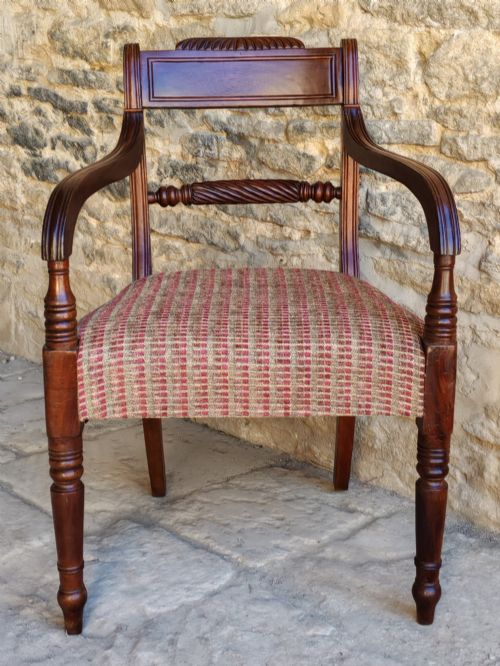
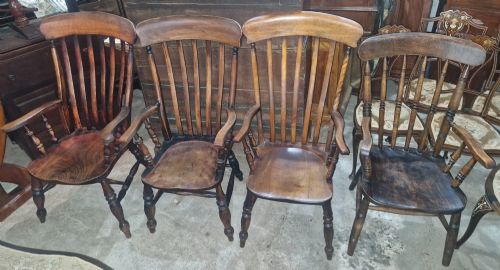
Traditional Wooden Elbow Chair
A traditional wooden elbow chair offers sturdy comfort through generous arms and honest vernacular construction.
Traditional Wooden Elbow Chair
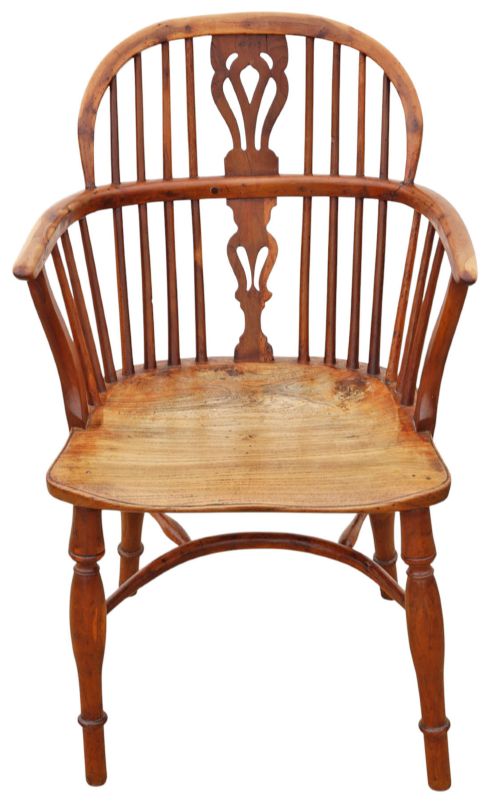
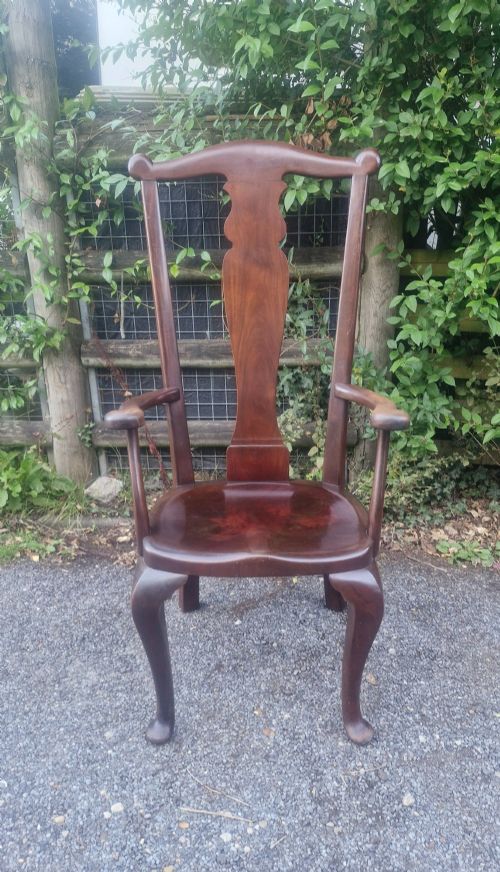
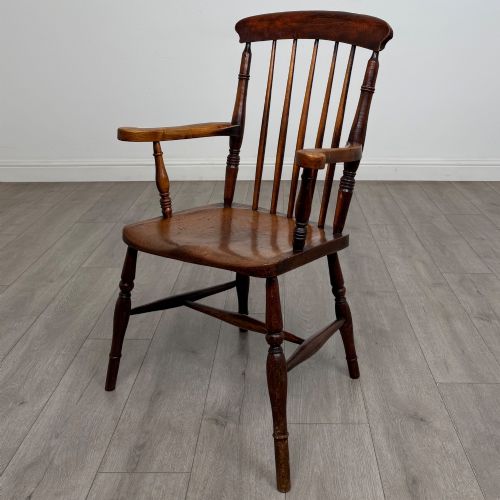
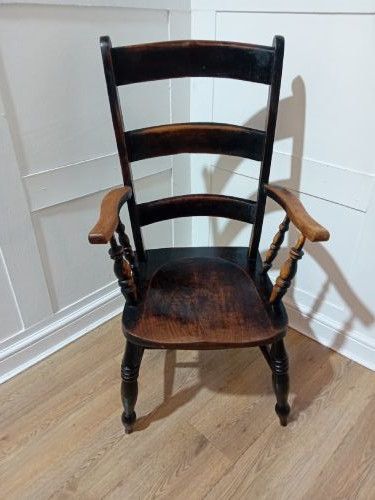
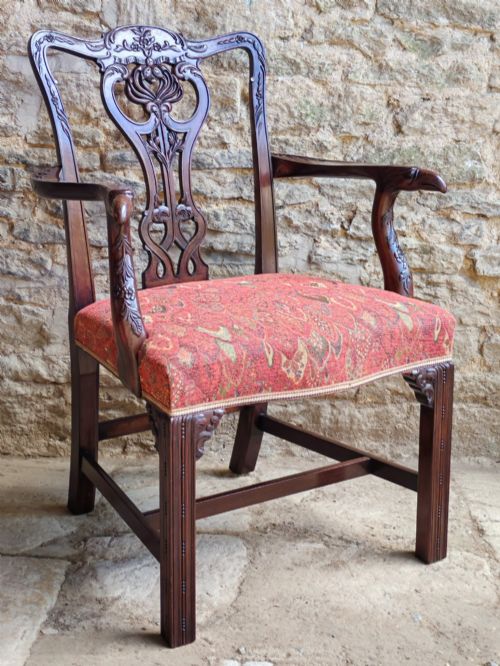
A traditional wooden elbow chair is a seating form designed with armrests for domestic or public use, drawing on centuries of vernacular woodworking traditions. Buyers seeking this phrase encounter a range of forms, most notably Windsor armchairs, stick backs, and smokers bows.
The material palette is predominantly British timbers such as elm, ash, yew, and oak, shaped into country carvers and farmhouse chairs. Origins span Georgian and Victorian periods, reflecting regional styles from Thames Valley to Scotland.
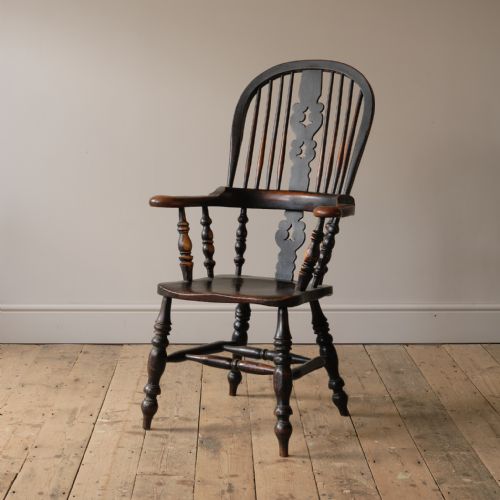
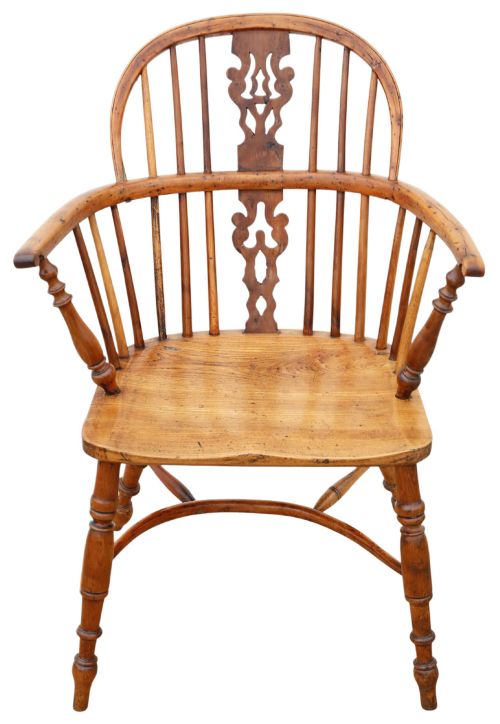
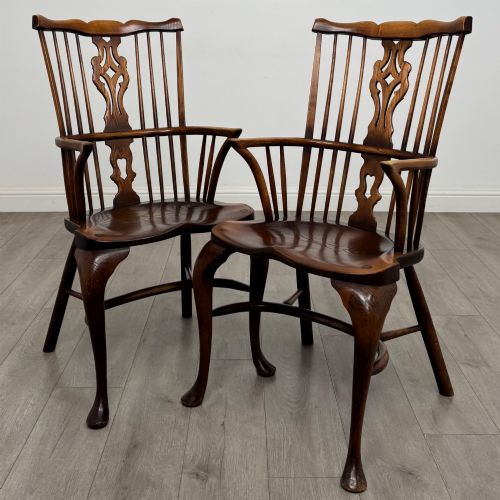
Makers utilised local hardwoods to build chairs that functioned equally well at desks, in farmhouse kitchens, or around dining tables. The Windsor chair with its bentwood bow and saddle seat remains the most common variant met on this page.
How they were made
Makers constructed these chairs by turning spindles on a lathe and bending green wood with steam to form the characteristic horseshoe arms and comb backs. Elm provided a stable, interlocking grain for solid saddle seats that resisted splitting under daily use.
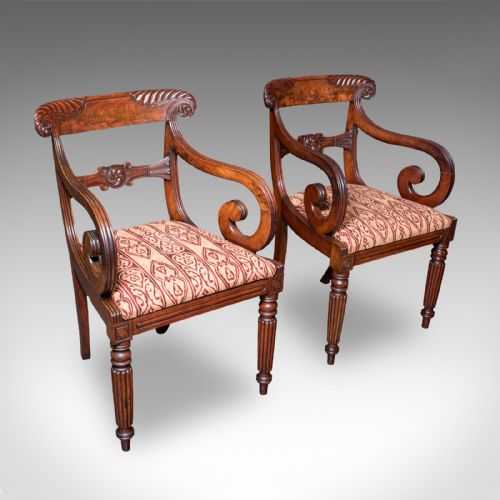
Ash and yew supplied the necessary tensile strength for slender spindles and bowed crest rails, while fruitwood, mahogany, and oak appeared in formal dining and library carvers. Traditional joinery relied on wedged tenons passing straight through the seat plank for enduring rigidity.
Many a nineteenth-century comb back owes its survival to decades of enthusiastic polishing by generations of farmhouse residents.
What varies in quality
Quality rests on the selection of timber and the harmony of the proportions, particularly the taper of the spindles and the sculpting of the solid wood seat. Superior examples exhibit well-figured yew or burr elm, balanced turning on the legs, and a retained original surface finish.
Lesser pieces show crude replacement parts, heavy sanding that removes the soft grain's natural topography, or mismatched timbers resulting from later repairs. A successful elbow chair maintains structural integrity without excessive reinforcement, holding its original height and stance.
Howard and Sons
The Traditional Wooden Elbow Chair Glossary
- Windsor chair
- A wooden chair built with a heavy solid seat into which the legs and back spindles are separately tenoned. This design originated in English country workshops during the eighteenth century.
- Smokers bow
- A low-backed Windsor variant, also known as a captain's chair, featuring a continuous curved armrail supported by turned spindles. It was widely used in public houses and commercial offices.
- Comb back
- A Windsor chair variation where the high back resembles the teeth of a comb, topped by a horizontal headpiece supported by short vertical spindles.
- Carver chair
- An open armchair designed for the head of a dining table or for parlor use, usually matching a set of smaller single chairs.
Traditional Wooden Elbow Chair: Frequently Asked Questions
What is a traditional wooden elbow chair?
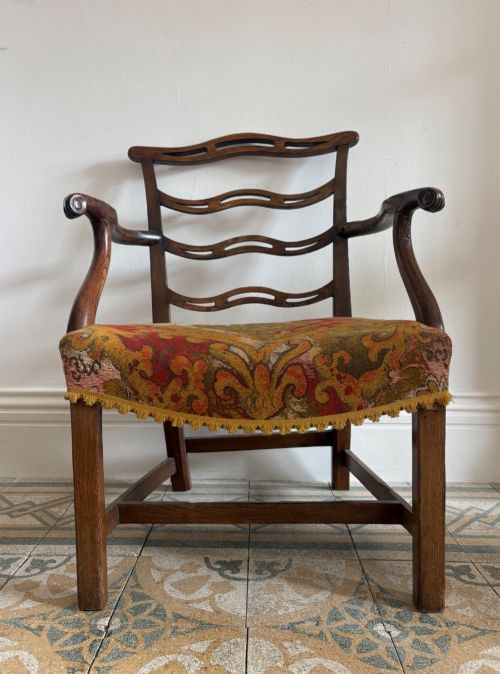
A traditional wooden elbow chair is a sturdy seat equipped with armrests, designed in various regional styles across the eighteenth and nineteenth centuries. These chairs encompass Windsor forms, smoker's bows, and vernacular ladderbacks made from native hardwoods.
They served practical roles in farmhouses, cottages, and public spaces, prized today for their ergonomic wooden saddle seats and honest construction.
How do I date an antique wooden armchair?
Dating relies on observing tool marks, timber selection, assembly methods, and the specific turning style of the legs and stretchers. Georgian pieces often display heavy elm seats with deep saddling and ash undercarriages, while Victorian versions feature lighter spindle work and factory-turned components.
Wear patterns around the footrests and the patination of the wood finish also provide reliable clues to the age of the piece.
Where were Windsor elbow chairs used?
Windsor elbow chairs were standard seating in rural farmhouse kitchens, country inns, and modest domestic parlours across Britain. Their robust construction made them suitable for heavy daily use near the hearth or at the dining table.
Later Victorian examples also found places in offices, libraries, and smoking rooms as comfortable writing or reading chairs.
How do I care for a vintage wooden armchair?
Care involves keeping the wood away from direct heat sources and rapid humidity changes that cause shrinkage and split dry elm seats. Regular dusting with a soft cloth preserves the surface patination without the need for heavy modern polishes.
Applying a light coat of traditional beeswax occasionally will nourish older timber finishes and protect the grain.