


Elm Wood Windsor Chair
An elm wood windsor chair brings robust country vernacular seating into domestic spaces, offering sturdy construction and tactile wooden grain.
Elm Wood Windsor Chair
An elm wood windsor chair is a traditional form of seating rooted in English country vernacular craftsmanship, spanning periods from the 18th century through the Victorian era and into the early 20th century.
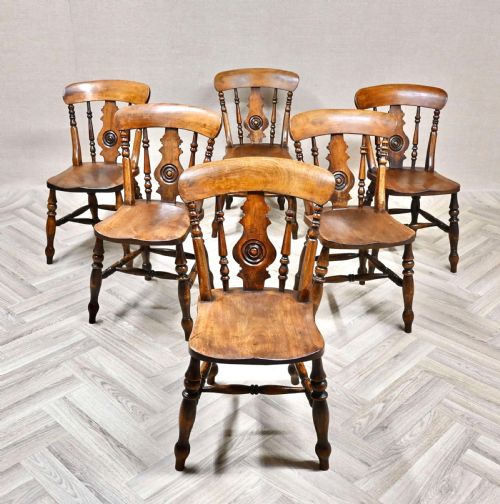
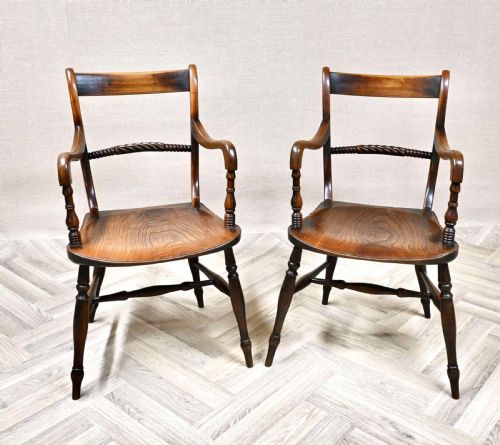
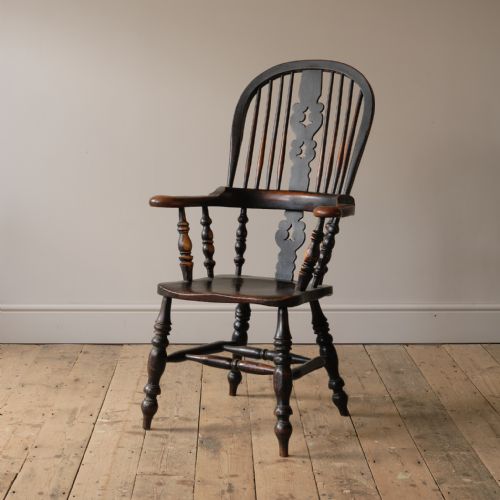
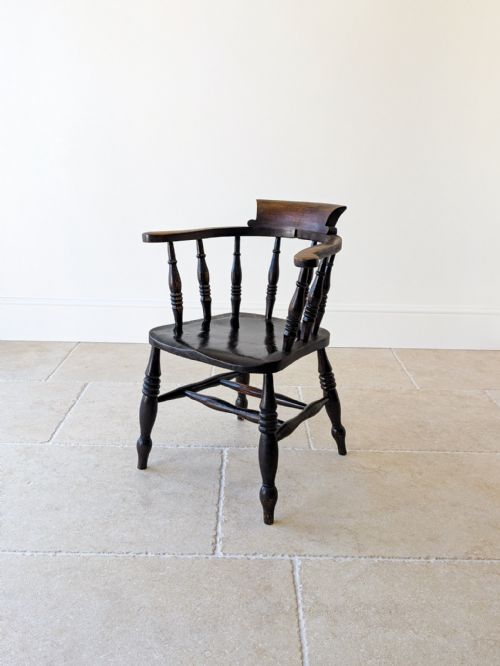
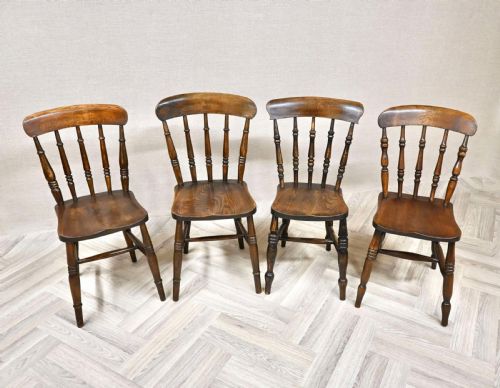
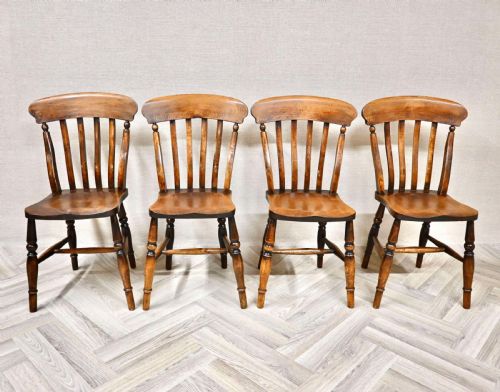
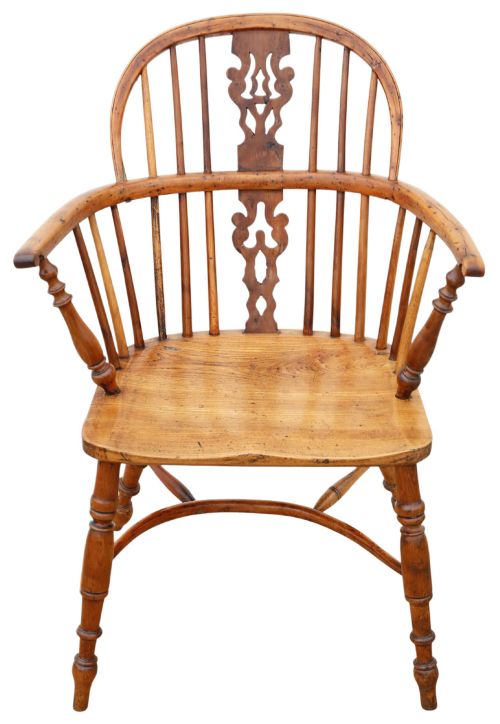
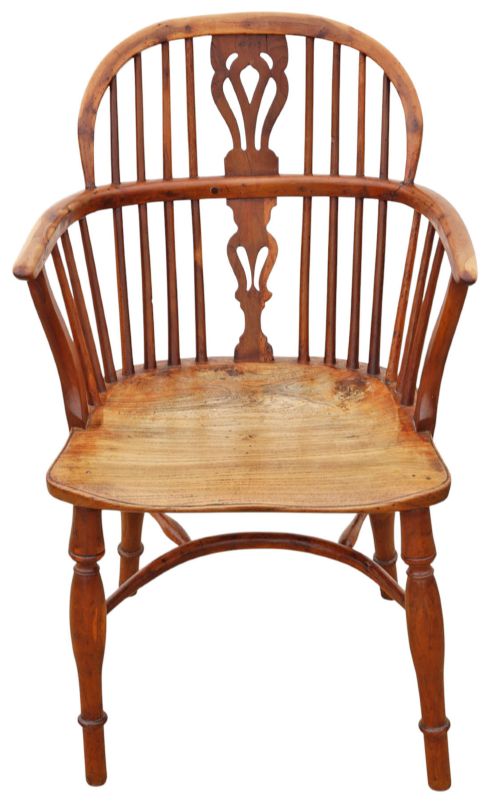
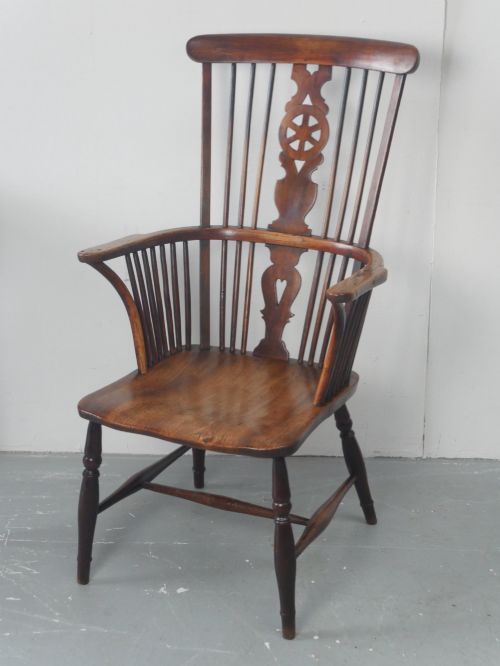
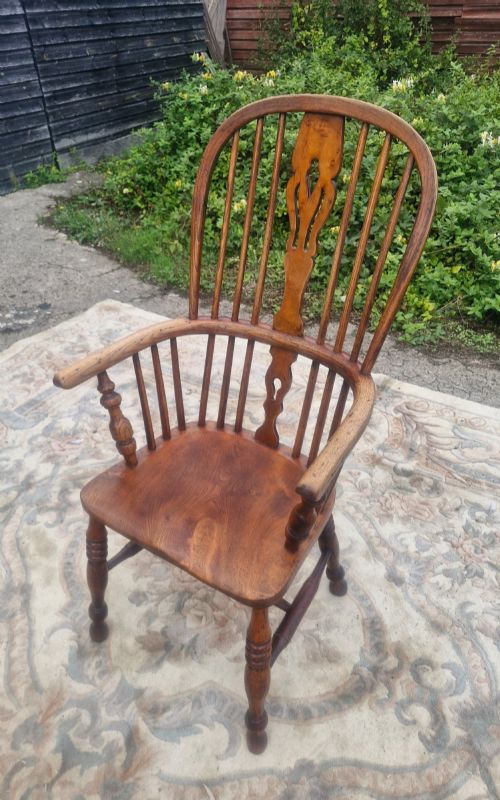
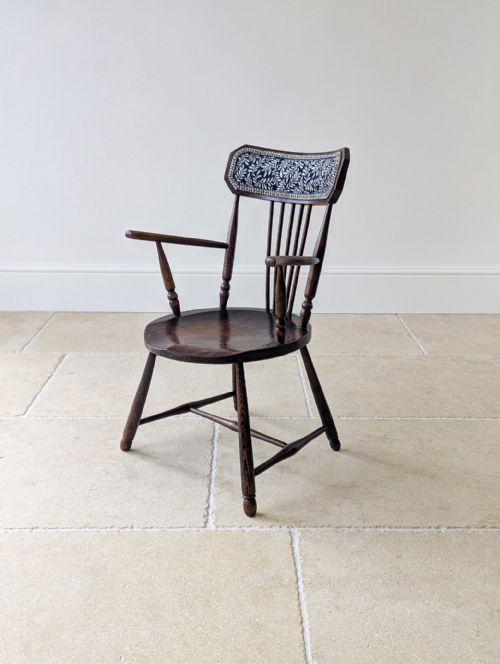
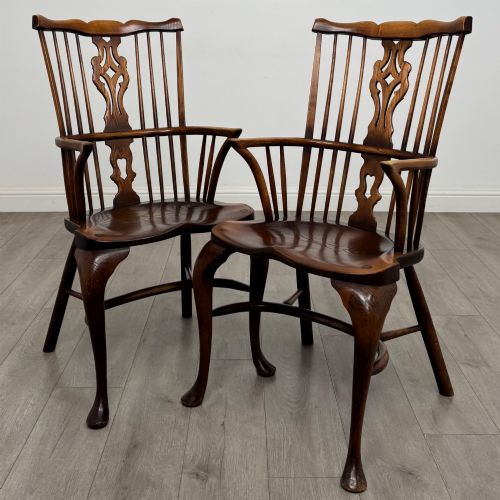
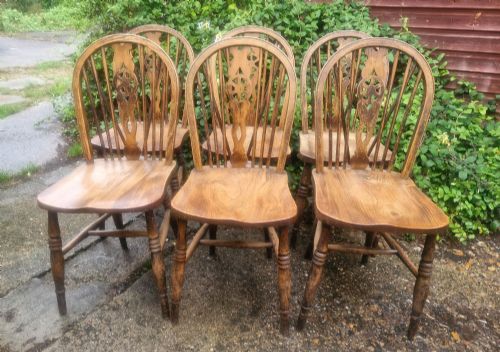
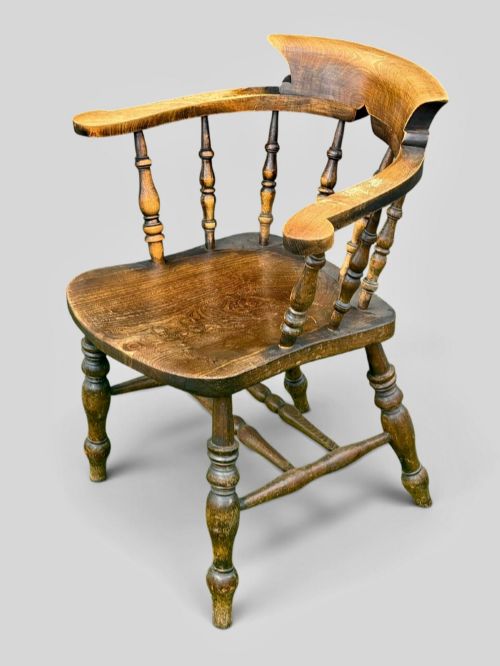
The selections on this page appear in various regional styles, including high comb backs, wheel backs, bar backs, hoop backs, and low smoker's bow armchairs.
Beyond standard single armchairs and dining sets, buyers frequently encounter pairs, larger sets of kitchen chairs, rocking chairs, and diminutive children's chairs.
Timbered Construction and Materials
Makers utilised elm primarily for the saddle seats due to its interlocking grain which resists splitting under heavy daily use.
Spindles, legs, and bows were turned from supporting timbers such as ash, beech, yew, fruitwood, and oak, combining strength with flexibility.
Traditional construction relies on wedged tenon joints, where legs and back spindles are driven straight through the thick plank seat and secured.
Children's versions mirror full-sized adult Windsor chairs exactly, built down to miniature scale for miniature country occupants.
Evaluating Construction and Material Merit
Quality rests upon the choice of timber combinations, particularly where richly figured yew wood or dense old-growth elm displays a deep, warm patina.
Structural integrity depends on the precision of the turned spindles, the sculpting depth of the solid wooden seat, and the harmonious balance of the overall frame.
Pieces originating from earlier 18th-century workshops typically exhibit finer proportional delicacy and more pronounced saddle shaping than later massed factory production.
J Spencer
The Elm Wood Windsor Chair Glossary
- Comb back
- A Windsor chair design featuring a low back topped with a horizontal wooden headpiece resembling the spine of a comb, supported by vertical spindles.
- Wheel back
- A chair back incorporating a pierced central splat carved in the distinctive shape of a spoked carriage wheel.
- Smoker's bow
- A low-backed Windsor armchair featuring a continuous curved armrail, historically common in public houses and commercial offices.
- Crinoline stretcher
- An arched underframe stretcher connecting the legs of a chair, named after the rigid hoop skirts worn in the mid-19th century.
- Vernacular
- Objects designed and built by regional makers following local traditions rather than academic or metropolitan pattern books.
Elm Wood Windsor Chair: Frequently Asked Questions
How do I date an elm wood windsor chair?
Dating relies on observing structural clues such as the thickness of the elm seat, the turning style of the spindle legs, and the joining methods used beneath the plank.
Earlier examples from the 18th century often feature comb backs and fruitwood or yew elements, whereas Victorian iterations frequently incorporate beech and wheel back motifs.
Why is elm used for the seats?
Elm possesses a tangled, cross-grained cellular structure that makes it exceptionally resistant to splitting when subjected to the downward pressure of the user and the stress of wedged leg joints.
This specific toughness allowed makers to carve deeply sculpted saddle shapes into the wood without compromising the structural integrity of the chair base.
Can I use these chairs for daily dining?
These chairs were originally built for heavy daily service in farmhouses, kitchens, and vernacular interiors, making them robust enough for regular modern use.
Checking that the wedged joints remain firm beneath the seat ensures the frame safely withstands everyday sitting and dining routines.