
Vintage Wooden Credenza
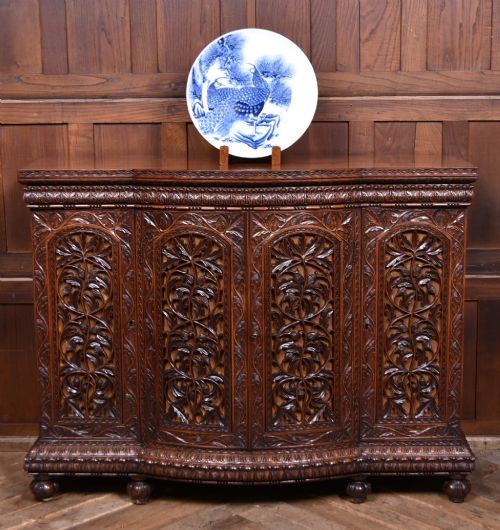
A vintage wooden credenza brings substantial storage and distinct period character to a room, ranging from robust oak cupboards to sleek walnut cabinets.
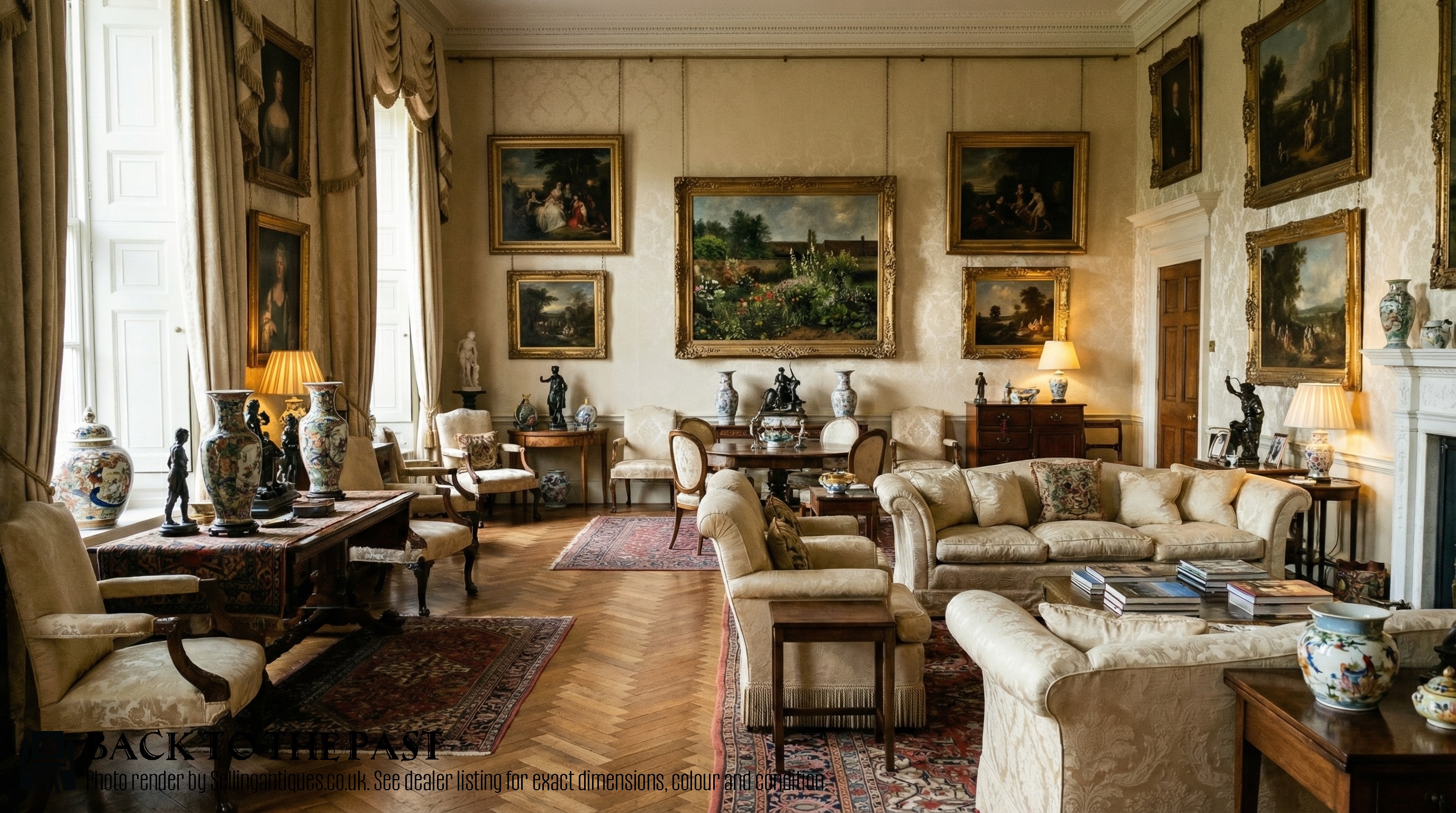
Vintage Wooden Credenza
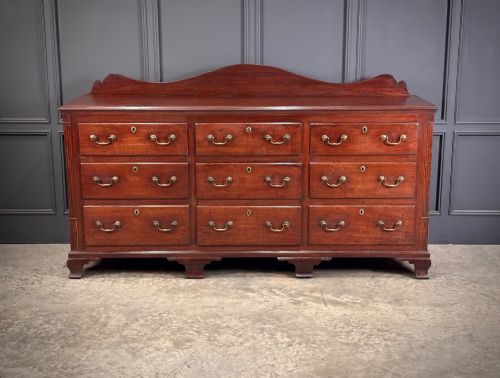
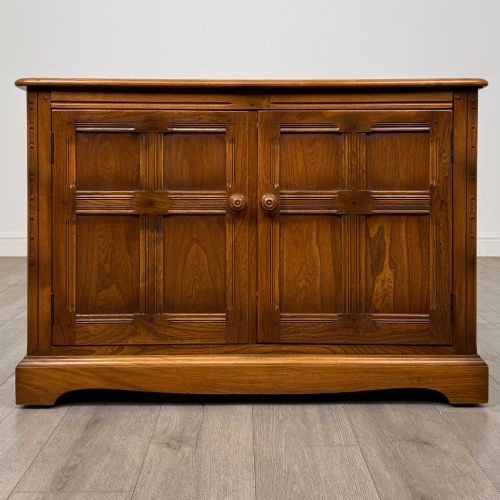
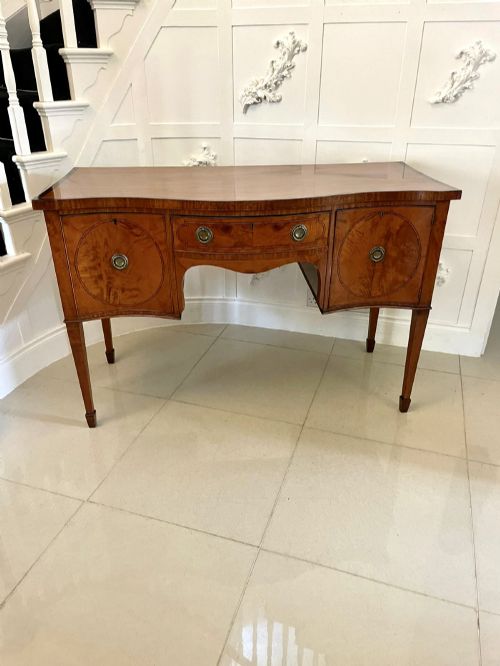
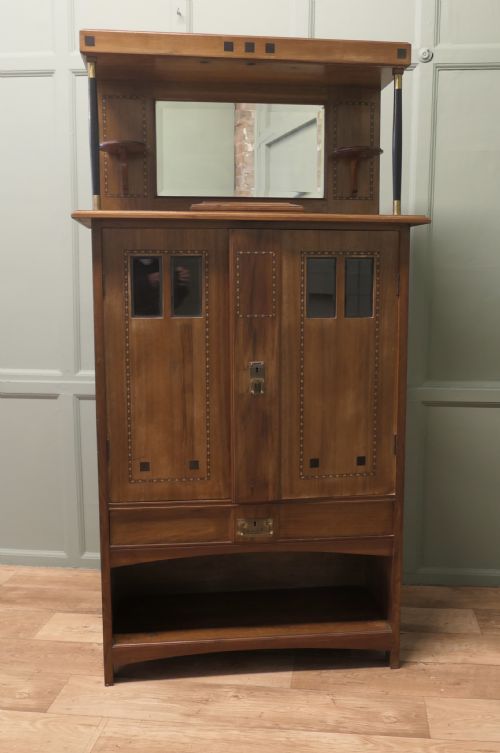
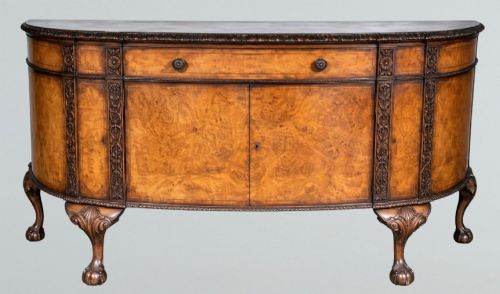
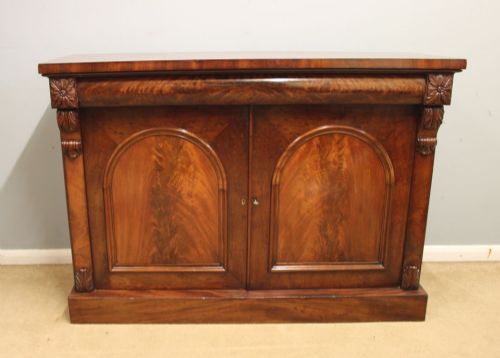
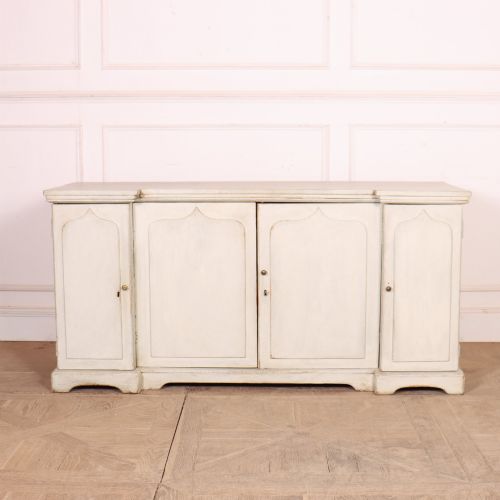
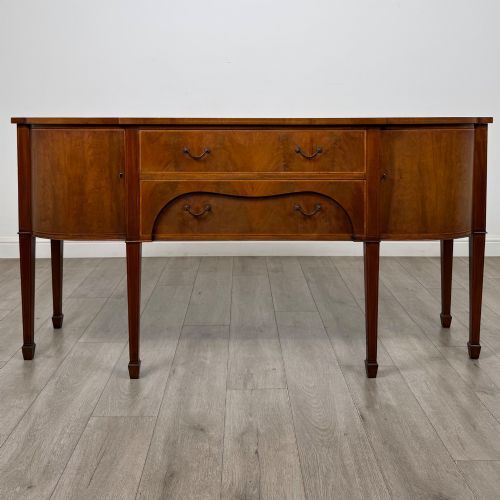
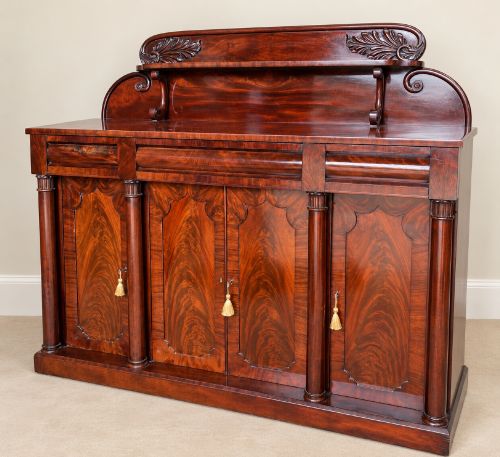
When buyers search for a vintage wooden credenza, they encounter a diverse selection of large storage furniture that spans several centuries of design. The inventory on this page primarily consists of sideboards, side cabinets, and dressers rather than items strictly labelled as credenzas.
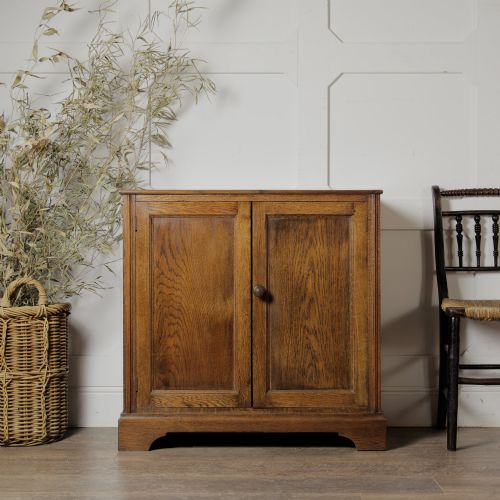
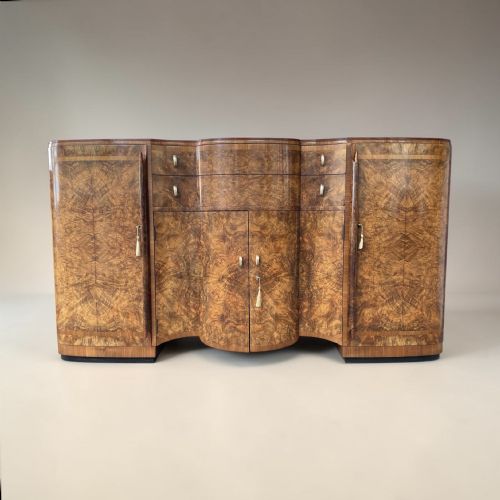
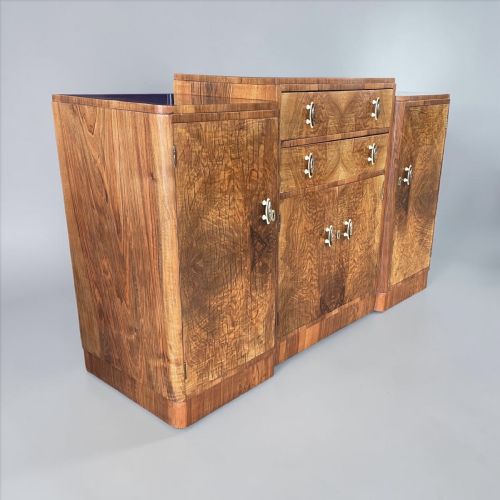
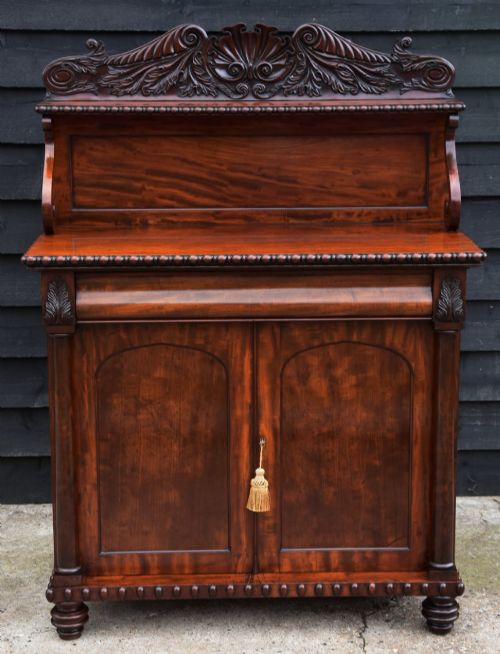
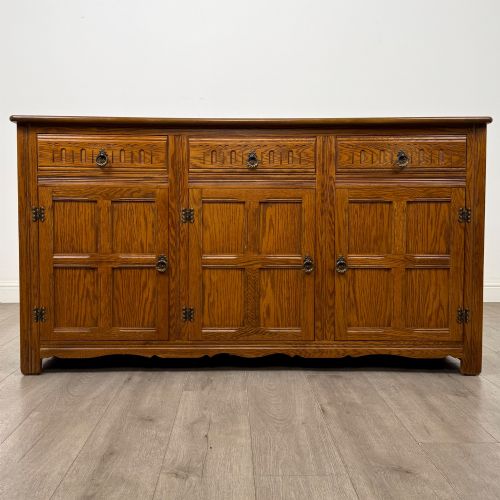
The selection ranges from early nineteenth-century mahogany pieces in Regency and Georgian styles to robust Victorian and Edwardian oak cupboards. Twentieth-century examples include Art Deco designs in walnut and satin birch alongside low cabinets from the 1920s and 1930s.
Makers and workshops represented in these listings include Maurice Adams, Edward Barnsley, Whytock and Reid, and Gomme. These makers provide pieces ranging from bespoke walnut console tables to mass-produced oak sideboard cabinets.
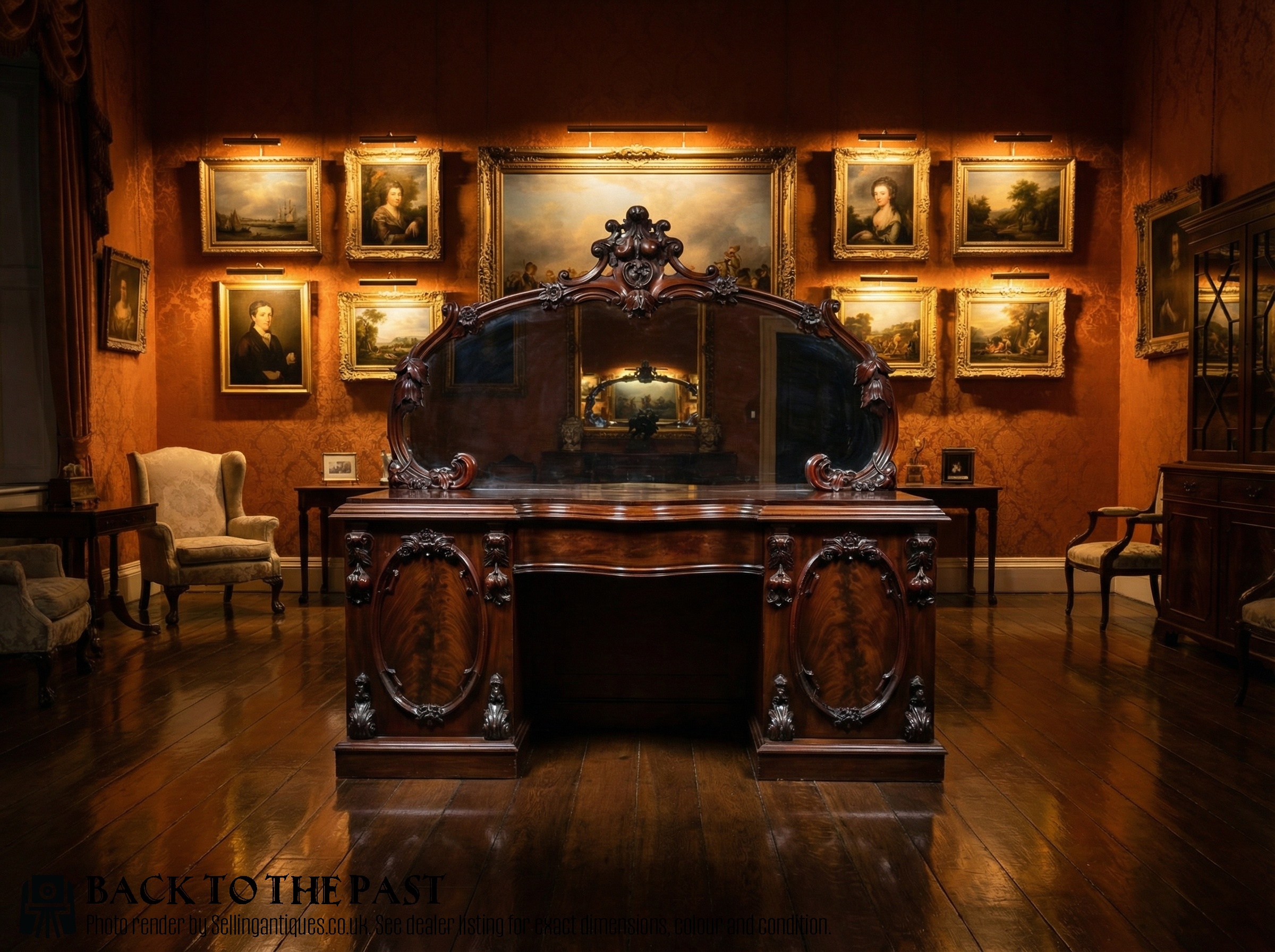
How they were made
Construction relies heavily on solid timbers and decorative veneers applied to structural carcasses. Oak, mahogany, and walnut form the primary structural and visual foundations across the various periods.
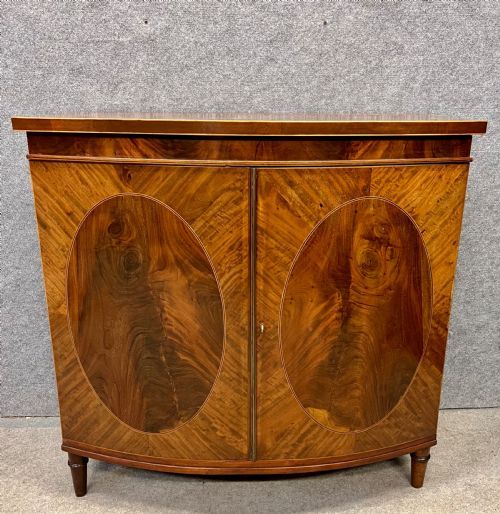
Surface decoration incorporates brass hardware, glass panels, iron fittings, and intricate inlay work such as satinwood on bow-front frames. Selected pieces also feature marble tops, carved panels, and specialised finishes like linenfold carving or painted continental surfaces.
Vintage Wooden Credenza Retail Price Guide 2026
Typical asking prices for vintage wooden credenza among the pieces listed under this phrase on Sellingantiques today, from the lower quarter to the upper quarter. They describe what is for sale here now, not the wider market.
Listings span from the 1880s through the Art Deco era of the 1930s, featuring woods like mahogany, oak, burr walnut, and satinwood.
What varies in quality
Quality is determined by the selection of timber figures, such as burr walnut or figured mahogany, and the precision of the cabinetmaking. Superior pieces demonstrate meticulous joinery, balanced proportions, and thoughtful integration of decorative elements like serpentine shaping and inlaid details.
The distinction between standard utility furniture and top-tier workshop output lies in the execution of secondary timbers, the crispness of carved mouldings, and the original integrity of hardware and glass.
Maurice Adams·Edward Barnsley·Whytock and Reid·Gomme
The Vintage Wooden Credenza Glossary
- Breakfront
- A cabinet design where the central section projects forward from the flanking outer sections. This architectural arrangement creates depth and visual interest on large sideboards.
- Chiffonier
- A compact sideboard or low cabinet typically fitted with shelves or drawers beneath. Victorian and Regency examples often include mirror backs or raised display tiers.
- Serpentine
- A furniture front characterised by a undulating line with a convex centre flanked by concave curves. This shape requires advanced woodworking skill to execute properly.
- Demi Lune
- A half-moon shape used for table and cabinet tops, particularly popular during the Edwardian and Sheraton Revival periods. These pieces fit flush against walls in hallways or dining rooms.
- Pedestal sideboard
- A form featuring two distinct pedestals or cupboards flanking a central section or serving surface. Regency versions frequently display rich mahogany grain.
- Secessionist
- A stylistic movement from around nineteen hundred that rejected historicism in favour of simplified, geometric forms. Pieces from this movement display clean lines and restrained ornament.
Vintage Wooden Credenza: Frequently Asked Questions
What is the difference between a sideboard and a credenza?
Sideboards traditionally function as dining room servers with cupboards and drawers for tableware. Credenzas share a similar low storage purpose but often refer to specific continental or mid-century forms.
On this page, pieces catalogued under these terms encompass diverse British and continental storage cabinets spanning the nineteenth and twentieth centuries.
How do I identify a Regency period piece?
Regency items date from the early nineteenth century and typically feature dark, highly figured mahogany timbers. Look for classical restraint, brass lion paw feet, and pedestal configurations.
Maker attributions and construction details from this era often reflect neoclassical architectural influences.
Where should I place a low oak cupboard?
Low oak cupboards suit living rooms, hallways, or dining spaces where surface display is desired without obstructing light or sightlines. Their neutral timber tones blend easily with various interior schemes.
Ensure you measure the available wall space and consider door swing clearances before positioning.
Are Art Deco cabinets made from solid wood?
Art Deco cabinets frequently utilise a combination of solid structural frames and decorative wood veneers. Exotic veneers like burr walnut, satin birch, and macassar ebony provided striking grain patterns across flat and curved surfaces.
This technique allowed makers to achieve dramatic geometric patterns that solid timber alone could not provide.