




Vintage Wooden Carver
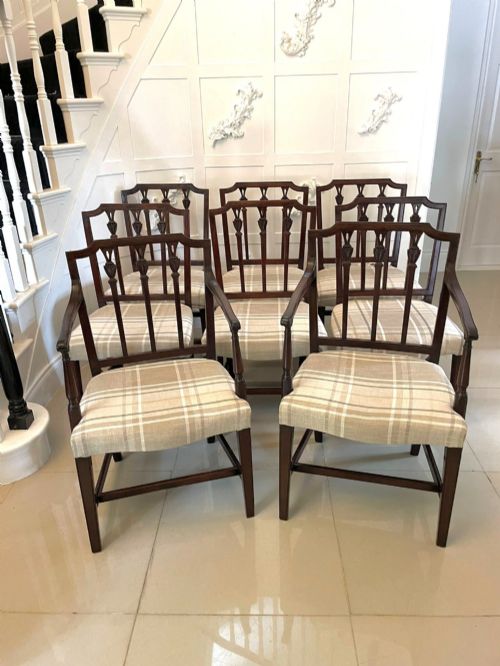
These vintage wooden carver armchairs bring substantial character and robust seating to a room, offering both history and practical comfort.
Vintage Wooden Carver
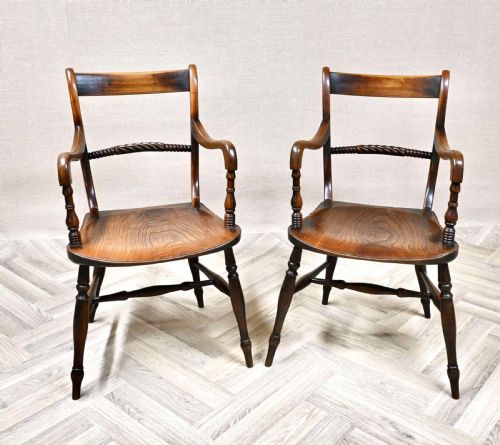
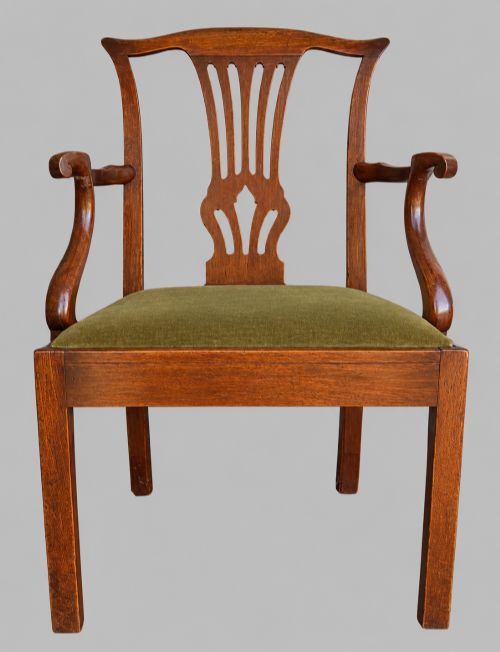
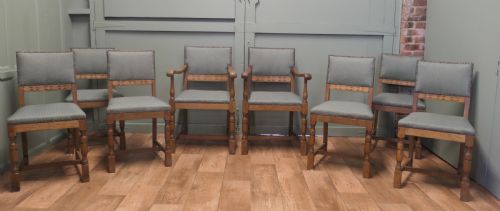
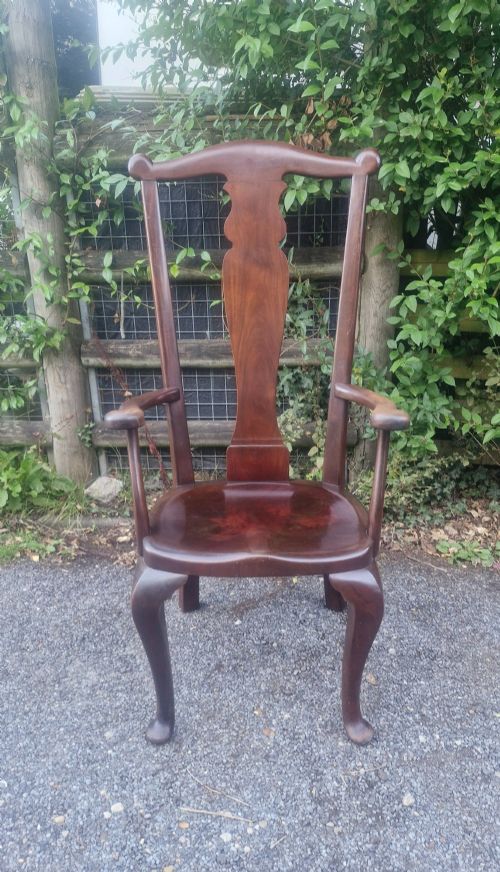
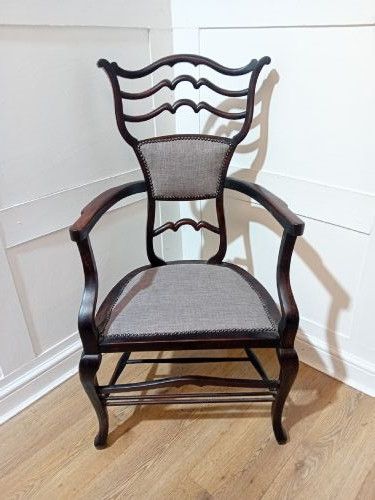
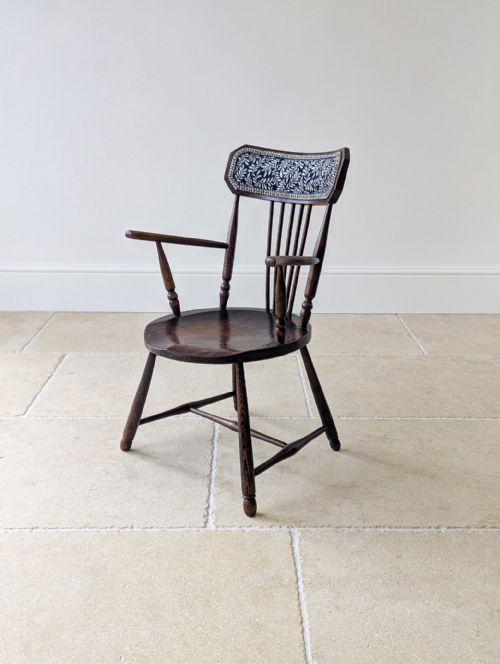
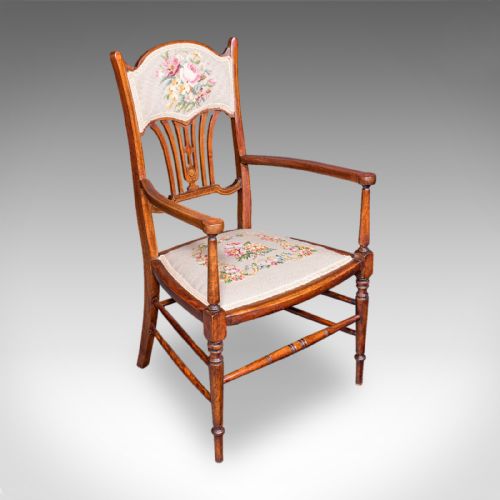
A vintage wooden carver functions as an armchair typically placed at the head of a dining table or utilised as a standalone desk seat. These pieces span multiple centuries and stylistic revivals, drawing from 18th century forms through to Edwardian and 1930s designs.
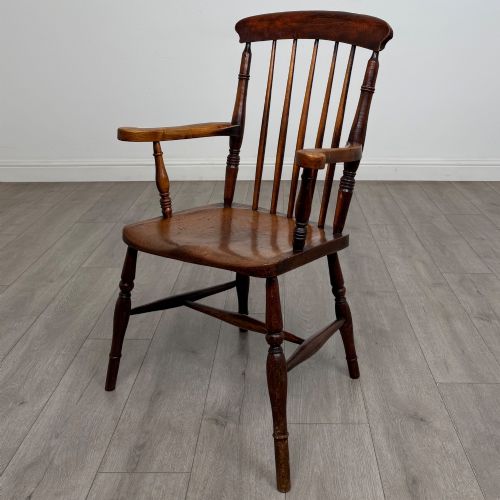
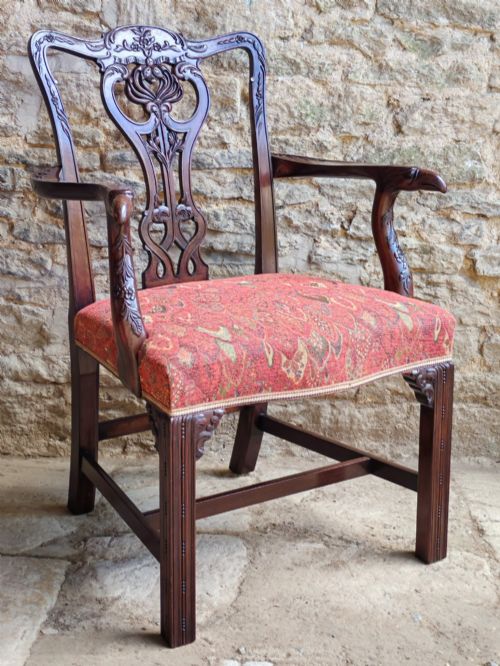
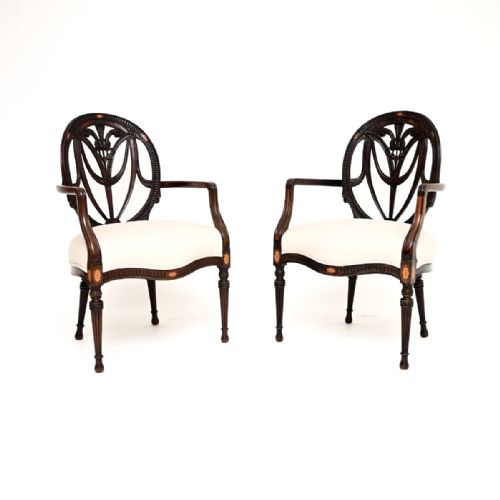
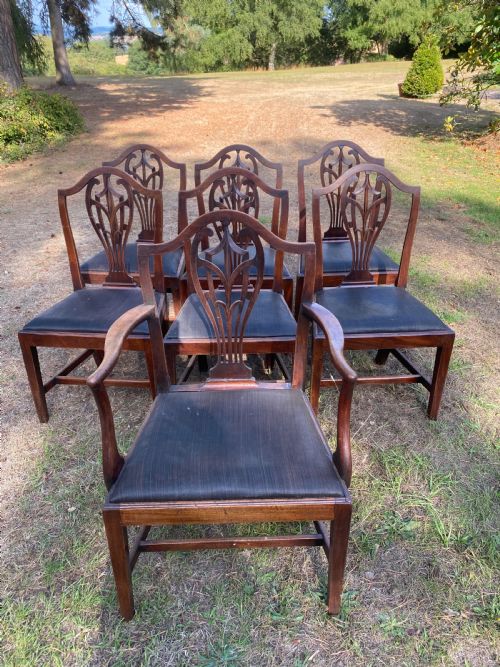
The selections on this page most frequently present as English country windsor chairs or formal mahogany dining armchairs. One encounters vernacular elm and ash country armchairs alongside formal Chippendale, Hepplewhite, and Arts and Crafts oak variations.
Makers and workshops range from rural vernacular joiners to renowned firms such as Howard and Sons, Liberty Morris and Co, Maple and Co, and Edward Barnsley. Buyers select these chairs for their structural presence, timber grain, and integration into both traditional and modern interiors.
Materials and construction methods
Carpenters relied on native hardwoods including mahogany, oak, elm, ash, beech, yew, and walnut to build durable chair frames. Country windsor chairs often combined elm seats with ash or yew spindle backs, while formal dining carvers utilised solid mahogany or walnut.
Joinery methods involved traditional mortise and tenon joints, steam-bent wooden bows, and turned spindles. Many carvers feature rush seating or upholstered pads covered in fabric and leather, secured with traditional tacks.
The inventory incorporates mahogany, elm, oak, beech, ash, walnut, and yew wood across various dining and armchair configurations.
Assessing craftsmanship and finish
Quality rests upon timber selection, timber figuration, and the integrity of the original joinery. Fine examples display carefully matched grain patterns, crisp hand-carved details on shield backs or splats, and sturdy structural proportions without excessive replacement timber.
Makers' stamps, original rush or leather seating, and unaltered surface patination elevate a piece significantly. Lesser examples may exhibit heavy structural repairs, stripped surfaces, or mismatched replacement components that diminish historical integrity.
Howard and Sons·Liberty Morris and Co·Maple and Co·Edward Barnsley
The Vintage Wooden Carver Glossary
- Carver
- An armchair designed to match a set of dining chairs, traditionally positioned at the head of the table. These seats feature supportive armrests for added comfort.
- Windsor
- A traditional wooden chair constructed with a solid timber seat into which the legs and back spindles are directly fitted. These pieces often incorporate steam-bent hoops and comb backs.
- Vernacular
- Everyday domestic furniture made by local regional craftsmen using regional timbers rather than following strict high-style metropolitan fashions. These objects prioritise functional utility and local material availability.
- Rush seat
- A woven seating surface made from dried marsh grasses twisted around a frame. This traditional technique provides a resilient and textured seat for country and Arts and Crafts chairs.
- Shield back
- A chair back shaped in the outline of a heraldic shield, popular during the late eighteenth century and later revival periods. This form often frames a pierced wooden splat.
Vintage Wooden Carver: Frequently Asked Questions
What is a carver chair?
A carver chair is an armchair built with armrests, traditionally standing at the head or foot of a dining table alongside matching side chairs.
Today these versatile armchairs function equally well as desk chairs, bedroom seats, or standalone reading chairs in a living space.
How do I date an antique wooden chair?
Dating relies on examining the timber species, joinery techniques, tool marks, and stylistic characteristics associated with specific periods like the Georgian, Victorian, or Edwardian eras.
Makers' stamps, paper labels, and construction wear also provide reliable indicators of a chair's manufacturing date.
Can I use these chairs daily?
Most vintage wooden carvers are structurally robust and built from durable hardwoods like oak, mahogany, and elm to withstand everyday use.
Checking the stability of the joints and ensuring the seat webbing or rush is secure will guarantee comfortable daily living.