


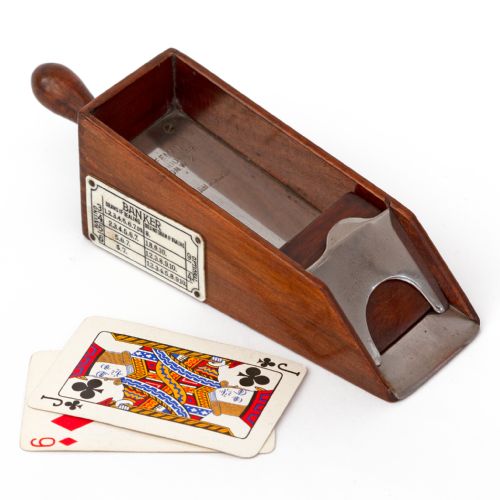

Vintage Wooden Card Box
These vintage wooden card box pieces offer practical card storage and tabletop charm, spanning Georgian, Victorian, and Edwardian periods.
Vintage Wooden Card Box
When you search for a vintage wooden card box, you are looking at items designed to hold playing cards, bridge sets, and cribbage accessories. These objects range from Georgian and Regency parquetry inlaid examples to Victorian and Edwardian boxes.
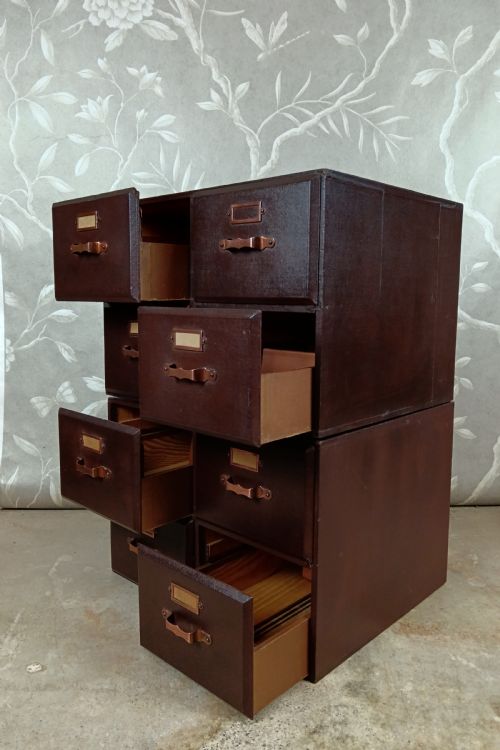
You are most likely to meet Victorian and Edwardian iterations on this page, alongside related games boxes and filing pieces. These containers served domestic parlours and libraries, keeping cards and scoring items organised.
The materials and styles reflect the period of manufacture, encompassing mahogany, walnut, burr yew wood, and parquetry inlay. Each piece demonstrates the craftsmanship of its specific era.
How they were made
These items utilise timber construction, predominantly featuring woods such as mahogany, walnut, and burr yew wood. Makers selected these materials for their grain patterns and durability.
Surface decoration involves parquetry inlay, hand painting, and fine carving, particularly visible in Black Forest examples. Metal mounts, including silver and brass fittings, secure the lids and corners.
Periods represented span from the Georgian era through the Victorian and Edwardian years into the 1920s.
What varies in quality
The distinction between tiers rests upon the choice of timber and the precision of the parquetry inlay. Finer examples display superior grain selection in walnut or mahogany, paired with meticulous woodworking joints.
Decorative elements such as hand painting, silver mounts, and carved details elevate certain pieces above plain utilitarian containers. The integration of original brass hinges and fitted interiors also influences the standing of an item.
Levi & Salaman·Samuel Porter
The Vintage Wooden Card Box Glossary
- Parquetry
- A geometric mosaic of wood pieces used for decorative surfaces on boxes. It appears frequently on Regency and Victorian containers.
- Burr walnut
- A prized timber harvested from walnut tree growths, showing intricate swirling grain patterns. It is utilised for luxury Victorian boxes.
- Cribbage board box
- A container designed to hold playing cards alongside a scoring board for the game of cribbage. These items date across Georgian and Victorian periods.
- Black Forest
- A regional style of woodwork originating from the German mountain range, known for intricate carved animal and foliage motifs. Pieces from this tradition often house games.
Vintage Wooden Card Box: Frequently Asked Questions
What fits inside a vintage wooden card box?
These containers generally hold standard decks of playing cards, scoring pegs, and related accessories. Many feature internal compartments designed to keep multiple decks separated.
Larger games boxes accommodate counters, dice, and cribbage boards alongside the cards. The internal layout depends on the specific parlour game the box was built to serve.
How do I date a wooden card box?
Dating relies on identifying the prevailing style, timber choices, and construction methods of the period. Regency pieces often showcase parquetry, while Victorian examples frequently utilise walnut or burr yew wood.
Hardware such as brass hinges and silver mounts also offer clues to the era of manufacture. Makers' marks or hallmarks, when present, provide definitive dates.
Were these boxes used for bridge?
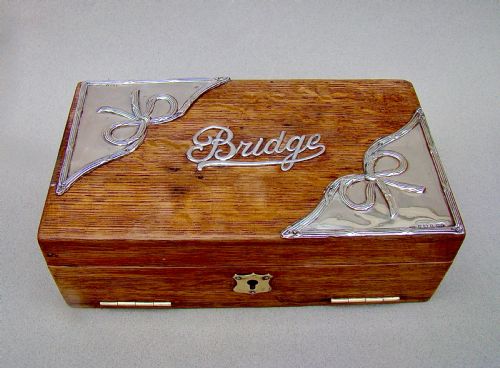
Bridge boxes became common during the Edwardian period as the game gained widespread popularity. These containers often featured silver mounts and specific internal dimensions for bridge decks.
Earlier nineteenth-century boxes typically served whist or general card games before bridge emerged. The labelling and fitted interiors usually indicate the intended card game.
How should I clean a wooden box?
Maintenance requires a soft, dry cloth to remove dust from the timber surface and carved details. Avoid using harsh chemical cleaners or excess moisture, which can damage the polish and parquetry.
Period woodwork benefits from occasional application of appropriate wax to nourish the grain. Keeping the box away from direct sunlight protects the wood from fading.