
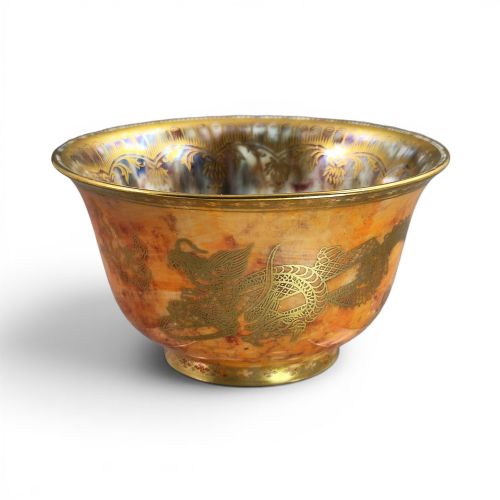


Vintage Wedgwood Bowl
These vintage wedgwood bowl pieces bring distinct ceramic craftsmanship and striking decorative lustre to any table.
Vintage Wedgwood Bowl
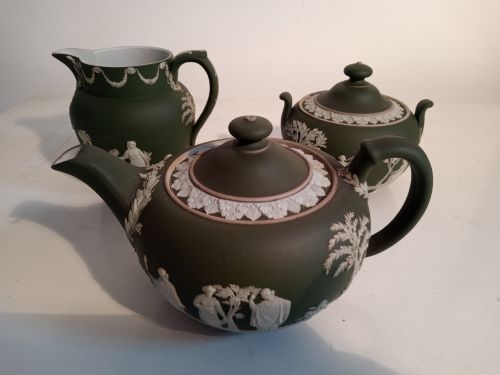
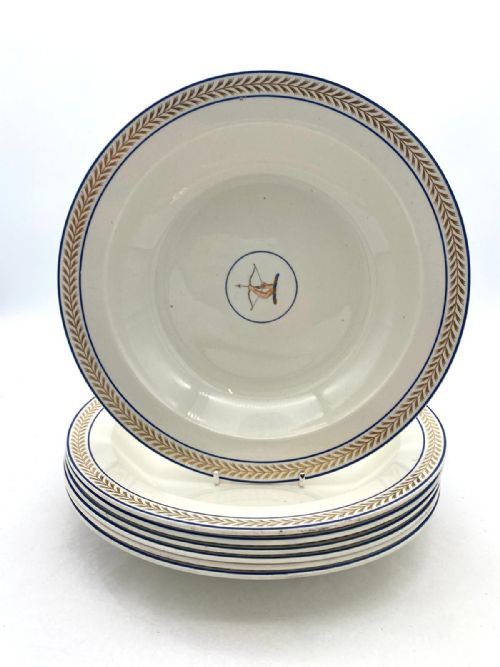
When you search for a vintage wedgwood bowl, you encounter pieces spanning from the eighteenth century through the Edwardian era and into the 1920s. The selection ranges from round decorative bowls and octagonal vessels to tea sets and soup bowls.
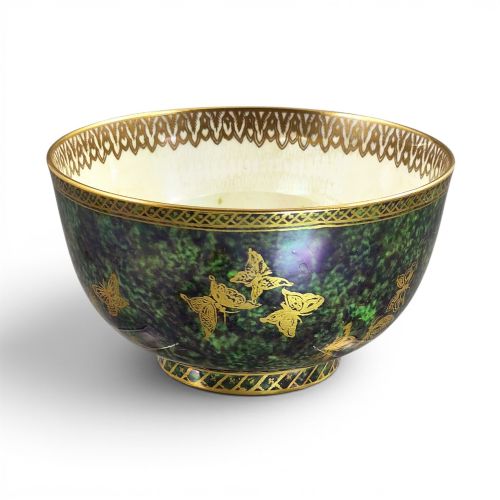
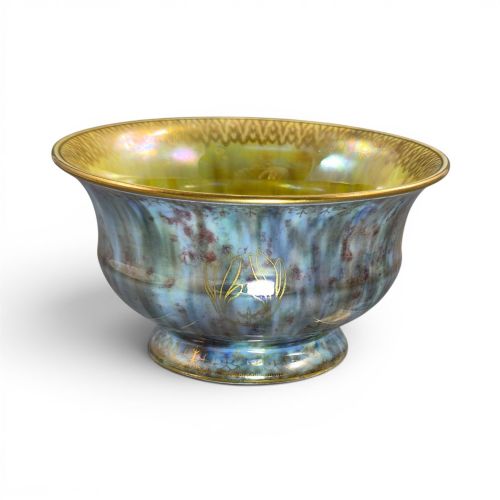
The most frequently met examples on this page are lustre glaze pieces designed during the 1910s and 1920s. These vessels showcase varied geometric and pictorial motifs across different scales.
Materials and glazing techniques
Makers utilised ceramic, earthenware, porcelain, and bone china as the structural bodies for these pieces. Potters shaped these materials into standard circular vessels as well as structured octagonal forms.
Surfaces received specialised treatments including lustre glaze, gold leaf, and gilt highlights. These combined finishes created the iridescent visual depth seen across the decorated surfaces.
Celestial dragons and flying butterflies populate these glazed surfaces, proving that early twentieth-century tea tables possessed a wild imagination.
Evaluating design complexity and finish
The sophistication of the surface decoration dictates the standing of an individual piece. Elaborate pictorial schemes such as dragons, phoenixes, and butterflies demand intricate application compared to simpler banded designs.
The richness of the lustre finish and the precision of the gilding determine visual impact. Strong application of gold leaf and vibrant colour saturation elevate the presence of the ceramic form.
Daisy Makeig-Jones·James Hodgkiss
The Vintage Wedgwood Bowl Glossary
- Lustre Glaze
- A metallic ceramic glaze that produces an iridescent, pearlescent sheen upon firing. This technique creates the glowing surface effects seen on early twentieth-century decorative pieces.
- Creamware
- A fine light-coloured earthenware developed in the eighteenth century with a pale yellow or cream tone. It provided a smooth surface suited for armorial decoration and tableware.
- Bone China
- A type of soft-paste porcelain incorporating animal bone ash. This composition allows for thin-walled vessels with high durability and a bright white body.
- Gilt
- Application of gold leaf or gold paint to ceramic surfaces for decorative emphasis. It outlines rims and highlights moulded details on bowls and tea sets.
Vintage Wedgwood Bowl: Frequently Asked Questions
What periods do these bowls come from?
The available pieces span multiple eras, including the eighteenth century, the Victorian period, and the Edwardian years. The bulk of the decorative lustre items date from the 1910s and 1920s.
Each period brings distinct manufacturing techniques, ranging from creamware body production to early twentieth-century lustre glazing innovations.
How do I identify a Fairyland piece?
Fairyland pieces display complex fantasy scenes involving subjects such as dragons, phoenixes, and floating figures. They often utilise rich colour mottling and extensive gold detailing across the interior and exterior.
These designs require close inspection of the motifs to distinguish standard butterfly or dragon patterns from elaborate narrative landscapes.
Were these bowls used for food?
Many items, such as the eighteenth-century creamware soup bowls and bachelor teasets, served functional dining purposes. Other forms functioned purely as decorative art objects for display.
Understanding the specific shape helps determine whether a vessel was intended for daily table service or ornamental presentation.