



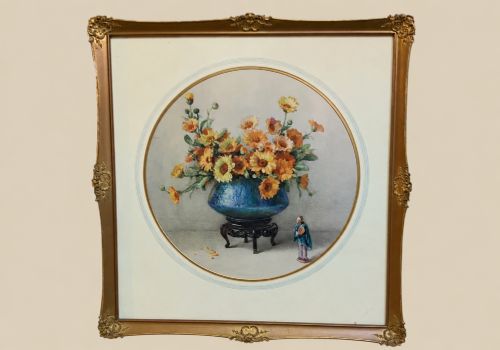
Vintage Watercolour Painting Framed
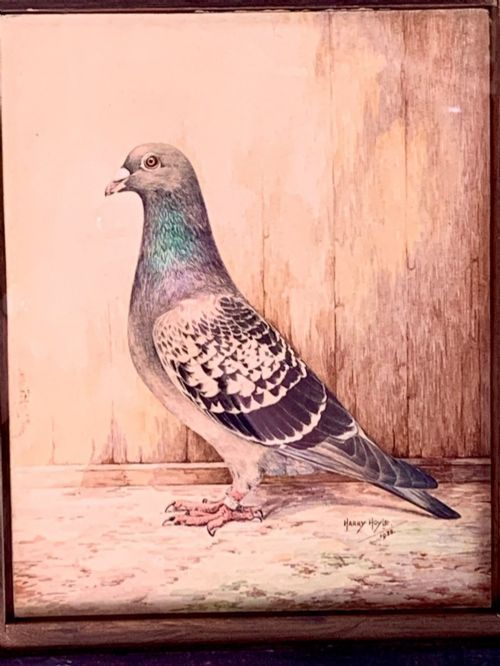
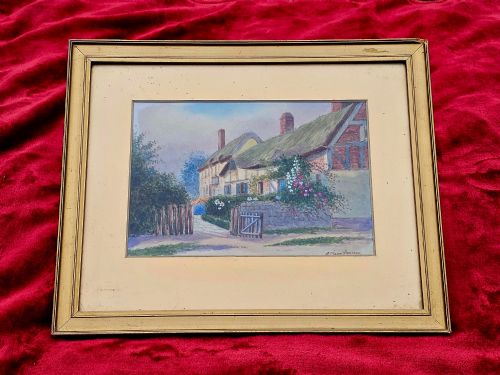
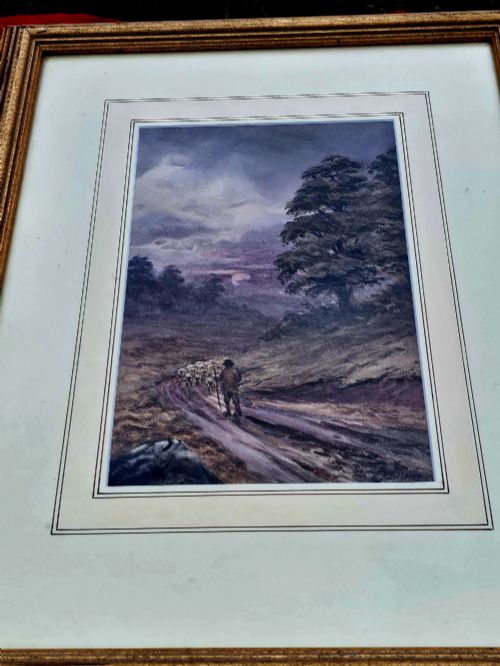
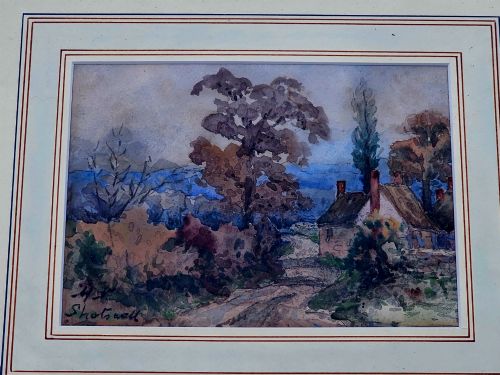
A vintage watercolour painting framed brings paper art and pigments together behind glass inside wood or gilt frames, offering historical scenes and botanical studies for display.
Vintage Watercolour Painting Framed
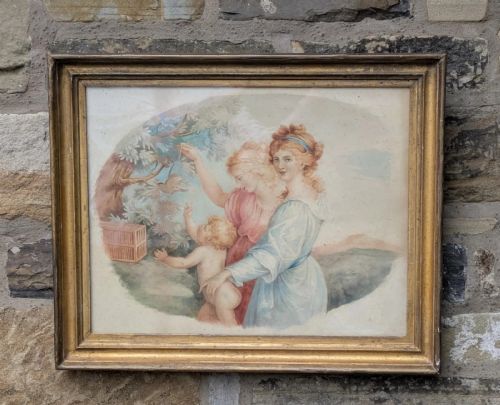
When you search for a vintage watercolour painting framed, you encounter works on paper spanning from the nineteenth century through the mid-twentieth century. These pieces encompass maritime scenes, rural landscapes, botanical studies, and portraiture housed in protective surrounds.
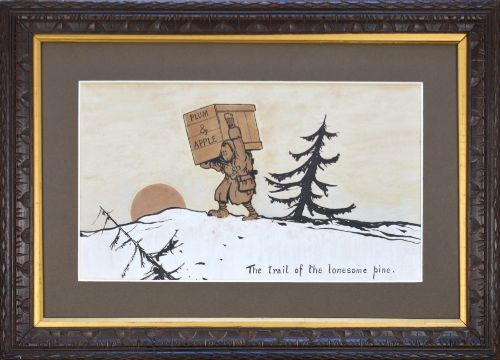
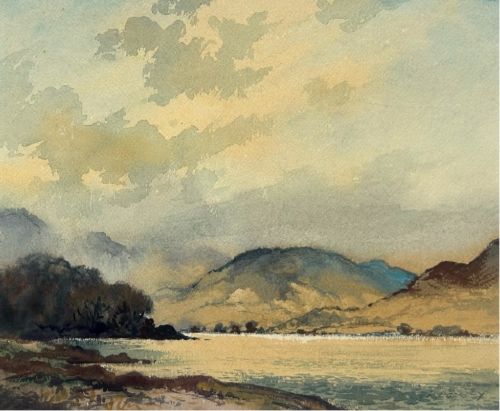
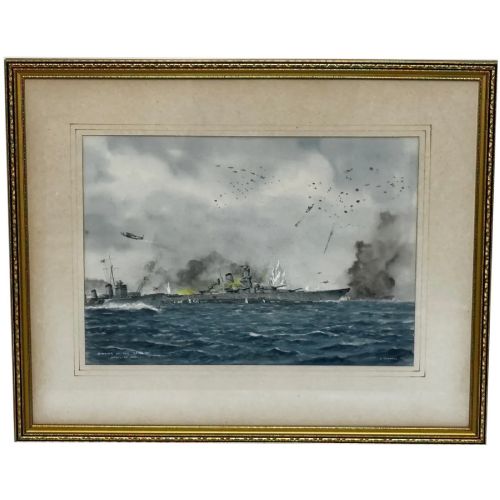
The most common examples on this page are British landscapes and coastal views from the Edwardian and Victorian eras, alongside mid-century maritime subjects and botanical watercolours executed on paper.
Makers and artists range from named watercolourists of the British school to anonymous creators working in traditional styles across different decades.
Materials and Techniques
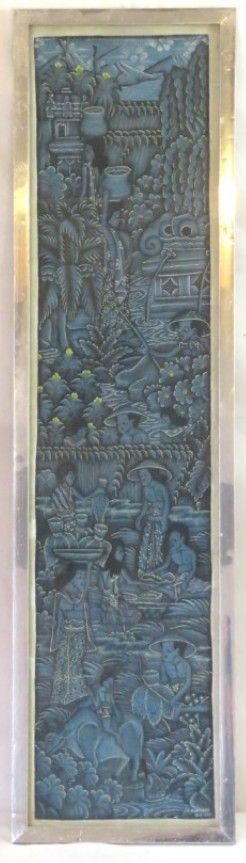
These works utilise watercolour pigment applied to paper surfaces, occasionally extending to silk or pith depending on the geographic origin and period of creation.
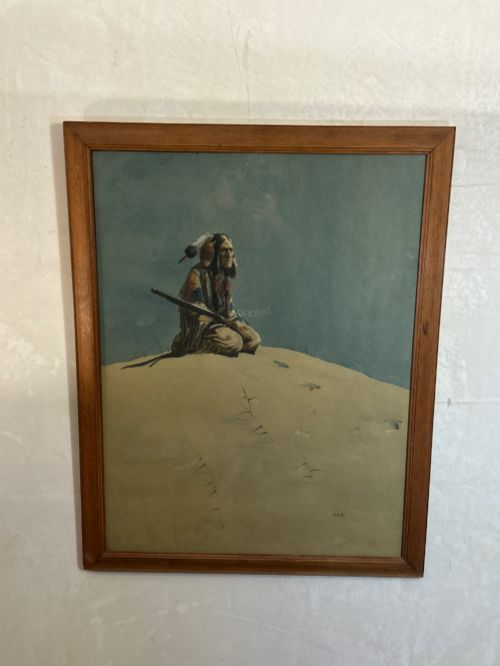
Framing materials recorded in the evidence include wood, oak, rosewood, and giltwood, paired with protective glass to shield the delicate pigments from atmospheric moisture and dust.
Listings feature paper, glass, wood, giltwood, and silk, spanning the nineteenth century through the 1960s.
Factors of Quality
The distinction between tiers rests upon the dexterity of the brushwork, the stability of the pigment against fading, and the integrity of the original paper support.
Quality also depends on the preservation of the framing materials, where period oak, rosewood, or giltwood mouldings that complement the artwork elevate the overall object.
John Hassall·A. Marie Parsons·EJ Letheren·Robert Leslie Howey·Charles Edward Dixon·John E. Aitken·Eric Tufnell·William Banks Fortescue·William Joseph Boyes·Frank Watson Wood·Henry Silkstone Hopwood·Muriel Metcalfe·R. Hurst·Frank William Scarbrough·Robert Thorne Waite·John Smith Atherton·Frederick Walker·Thomas Maidment·Frederick James Kerr·Hendrik Valkenberg
The Vintage Watercolour Painting Framed Glossary
- Watercolour pigment
- Colouring material ground with a water-soluble binder, applied to paper surfaces in translucent washes. This medium allows light to reflect from the white paper beneath the pigment layers.
- Giltwood
- Wood carved and covered with a thin layer of gold leaf or metal powder. This material frequently frames nineteenth-century and Edwardian paintings.
- Pith painting
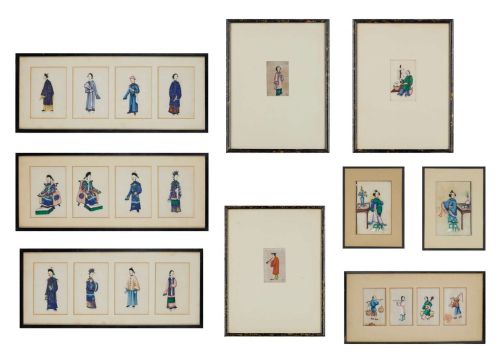
- Artwork created on the cellular pith of the Tetrapanax papyrifer plant. These delicate items appear in nineteenth-century Chinese export art.
- Shan Shui
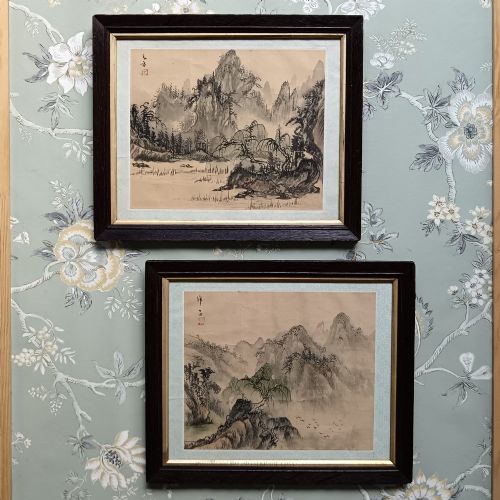
- Traditional Chinese landscape painting style executed with brush and ink or watercolour. These works depict natural scenery such as mountains and rivers.
- Maritime watercolour
- A painting genre focusing on ships, naval battles, ports, and coastal views. These marine subjects are documented across Edwardian and mid-century British works.
Vintage Watercolour Painting Framed: Frequently Asked Questions
How should I clean the glass on a framed watercolour?
Wipe the glass gently with a soft cloth dampened slightly with water or glass cleaner, taking care not to let liquid seep beneath the frame edge.
Moisture reaching the paper surface inside can cause water damage or mould growth on the vintage pigments.
Can I hang these paintings in direct sunlight?
Direct sunlight causes watercolour pigments to fade over time because the paper and dyes are sensitive to ultraviolet rays.
Position these artworks on walls away from direct windows or utilise UV-protective glass for preservation.
How do I identify the period of a watercolour frame?
Period frames often display construction methods like mitred corners joined with wooden pegs, alongside traditional mouldings in oak, rosewood, or giltwood.
Examining the backing boards and fasteners also provides clues to the age of the framing assembly.
What subjects are most common in these paintings?
British landscapes, coastal harbours, botanical studies of flowers, and maritime scenes dominate the recorded inventory.
Portraiture and regional townscapes also appear across the nineteenth and twentieth-century selections.