


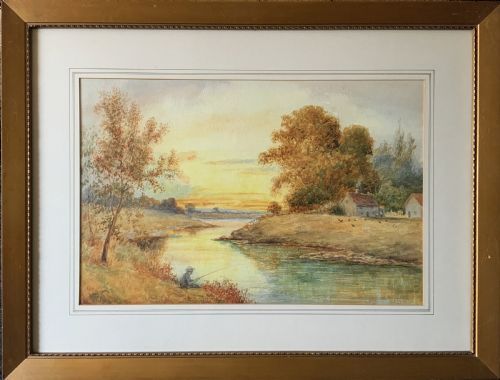

Vintage British Countryside Artwork
Vintage british countryside artwork captures rural life through oil and watercolour, offering a direct view into historical fields, riversides, and valleys.
Vintage British Countryside Artwork
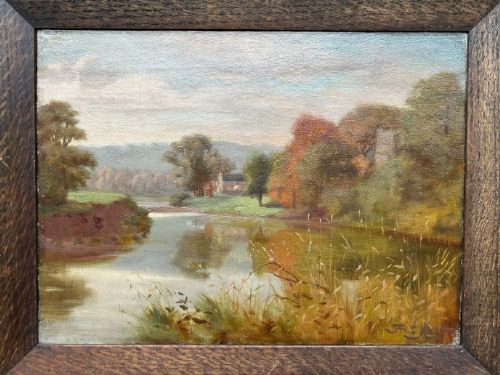
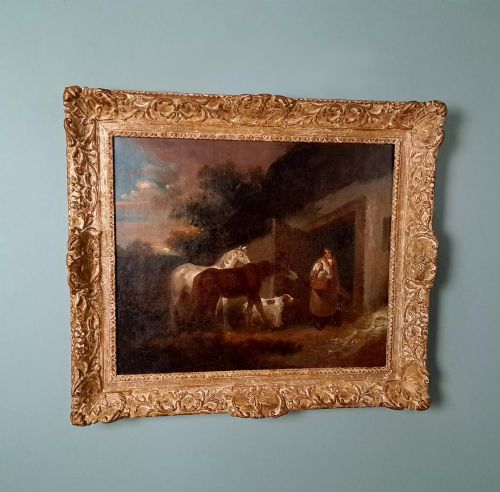
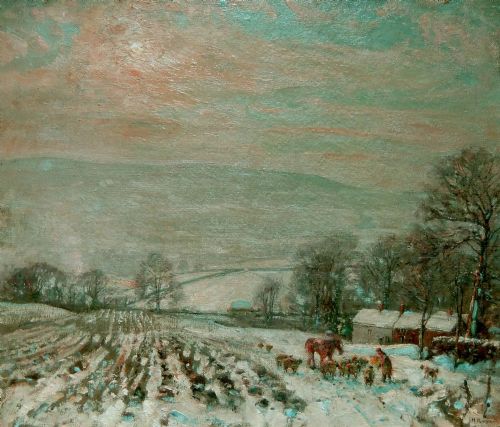
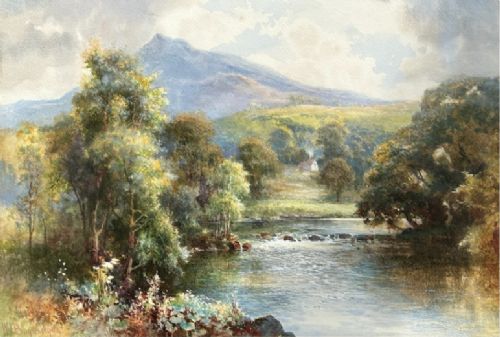
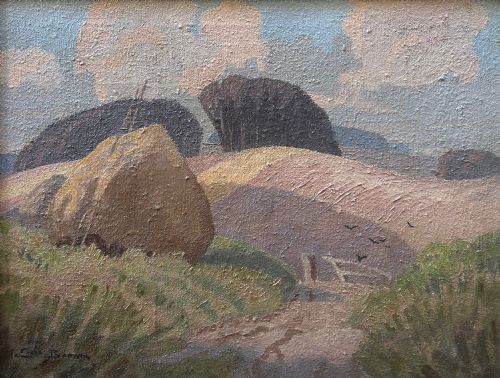
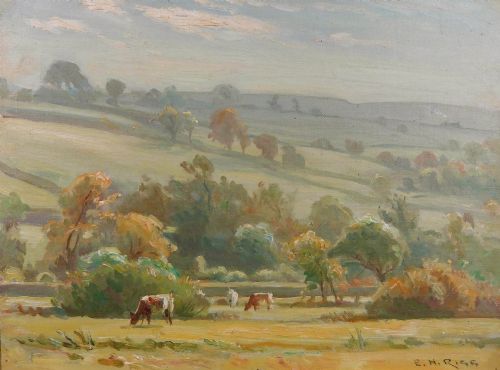
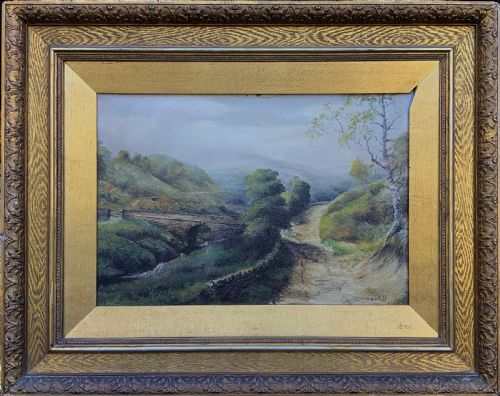
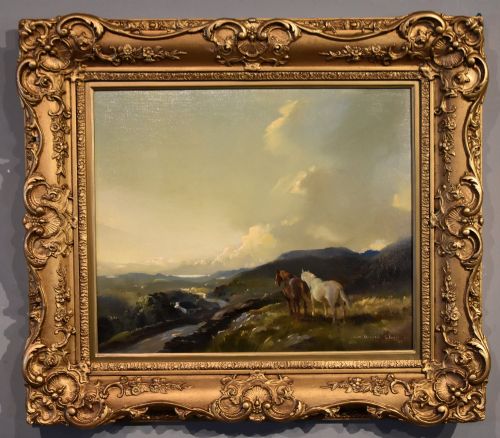
Most pieces meet the buyer through the lens of traditional British landscape art, capturing subjects such as river valleys, livestock, cottages, and woodland views. These works span periods from the Victorian era through the Edwardian years and into mid-century modern movements.
Materials and methods
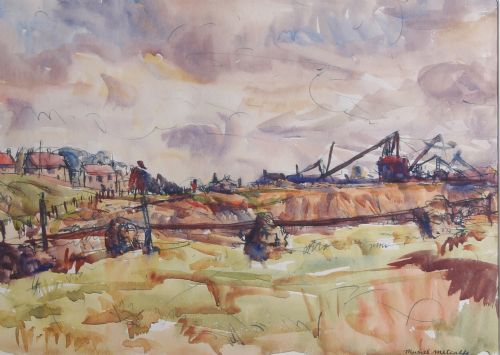
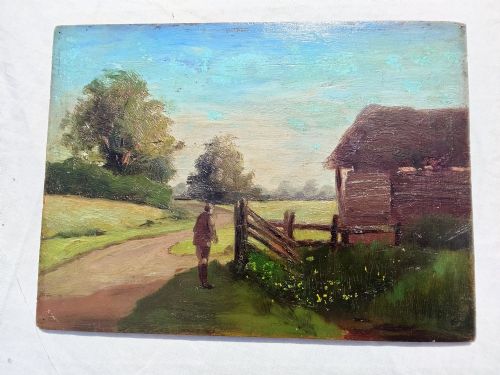
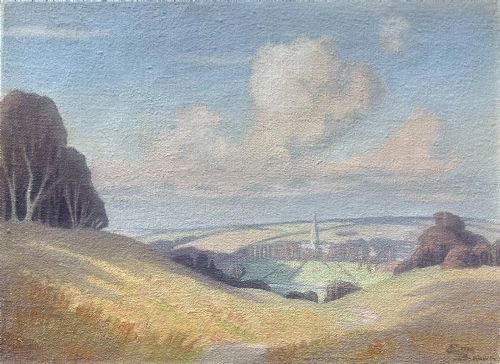
Artists painted primarily with oil paint on canvas, wood panels, or paper, utilising brushwork that ranged from smooth academic application to textured impasto. Watercolours were frequently applied to paper for lighter, translucent renderings of regional weather and light.
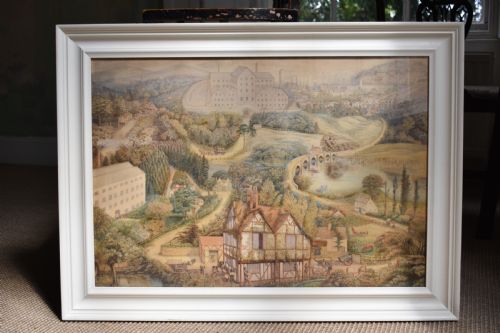
Framing often complements the period, enclosing the canvas or paper within original wooden structures that protect the painted surface.
Several paintings carefully document sheep lingering on Yorkshire roads and ponies wandering across Dartmoor.
Distinctions in quality
Quality rests upon the artist's command of light, atmosphere, and brushwork, separating straightforward topographical records from compelling visual interpretations of rural terrain. Works by accomplished painters demonstrate a secure handling of regional palette and composition.
The preservation of the pigment and the stability of the support material, whether canvas, wood, or paper, influence the long-term character of the piece.
William H Myers·Frederick Marriott·Herbert Royle·William Joseph Boyes·Muriel Metcalfe·Eric Brown·Ernest Higgins Rigg·Vernon DeBeauvoir Ward·Florence Adelina Hess·Hubert Wellington·Joseph Edward Hennah·Charles Walter Simpson·Helen Layfield Bradley·Samuel Timmins·Henry Charles Fox·Cuthbert Crossley·John Sanderson Wells·Reginald Grange Brundrit·Frederick Septimus Lewis·William Hoggatt·Owen Bowen·J Phipps·William Greaves·Frank Percy Wild·James William Booth
The Vintage British Countryside Artwork Glossary
- Oil paint
- A slow-drying medium consisting of pigments suspended in a drying oil, typically linseed, allowing for rich colour depth and blended textures.
- Watercolour
- A painting method where water-soluble pigments are suspended in a water-based solution, producing transparent washes on paper.
- Impasto
- A technique where paint is laid onto a surface in thick layers, standing out visibly from the canvas to catch the light.
- English School
- A term used to describe artists working in England who shared stylistic influences and traditions within landscape and portrait painting.
Vintage British Countryside Artwork: Frequently Asked Questions
What periods do these paintings cover?
The works span from the nineteenth century through the Victorian and Edwardian periods, extending into mid-century twentieth-century production.
Artists recorded rural scenes across these decades using traditional oil and watercolour techniques.
How were these landscape artworks created?
Painters applied oil paint to canvas, wooden panels, or board, while others worked in watercolour upon paper.
Brushwork varies from delicate, precise lines to thick impasto layers capturing atmospheric light.
Where do the landscape scenes take place?
The compositions depict locations throughout England, Wales, and Scotland, including Yorkshire, Dorset, Devon, and Welsh river valleys.
Views frequently feature local farms, livestock, cottages, and regional waterways.
How should I care for these paintings?
Keep works out of direct sunlight to prevent fading in watercolours and yellowing in older varnishes.
Maintain stable indoor humidity levels to protect wooden panels and canvas supports from warping.