
Vintage Walnut Wardrobe
A vintage walnut wardrobe brings rich grain and dependable scale to a bedroom, offering substantial storage shaped by decades of fine cabinet-making.
Vintage Walnut Wardrobe
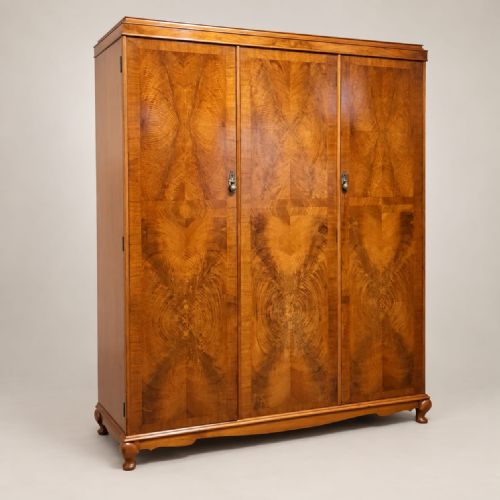
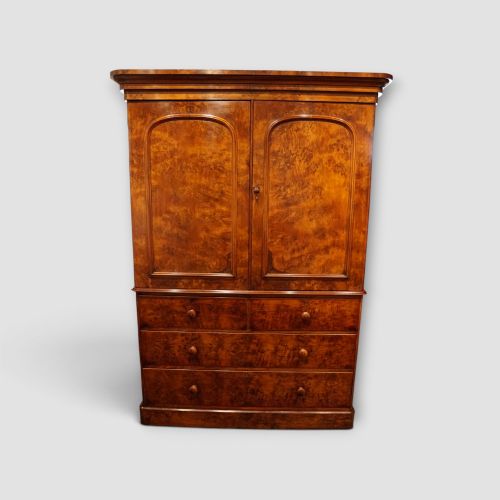
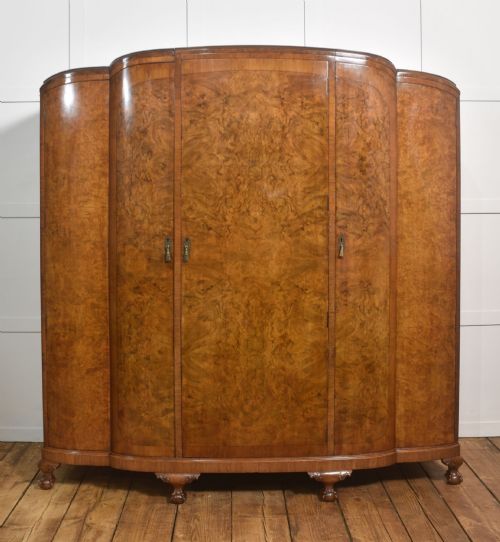
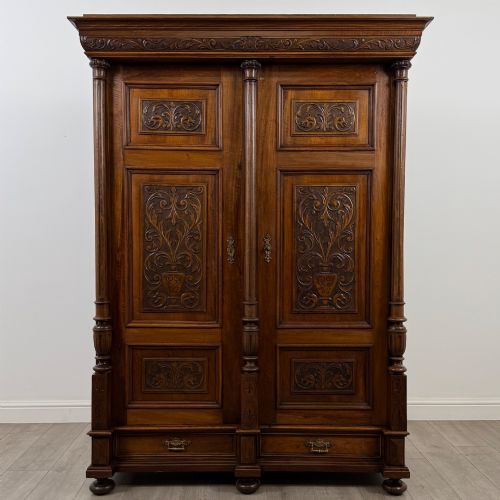
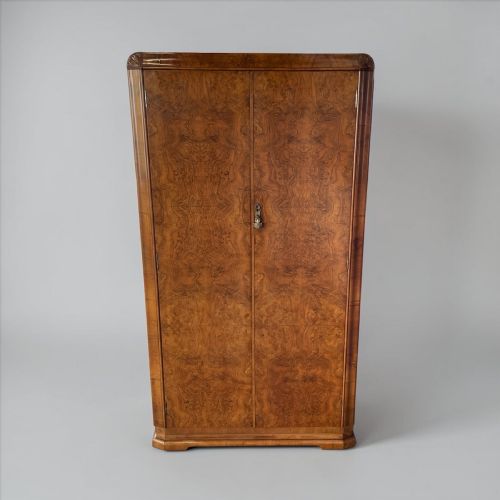
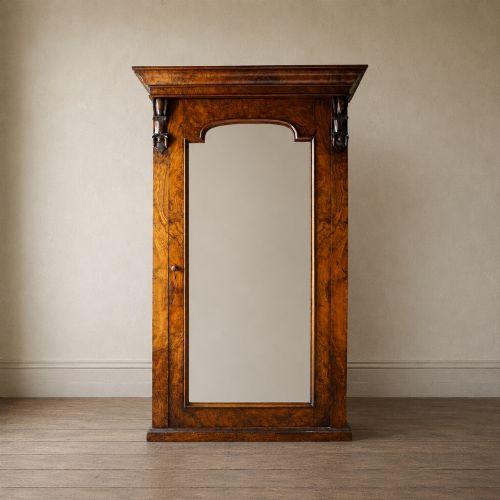
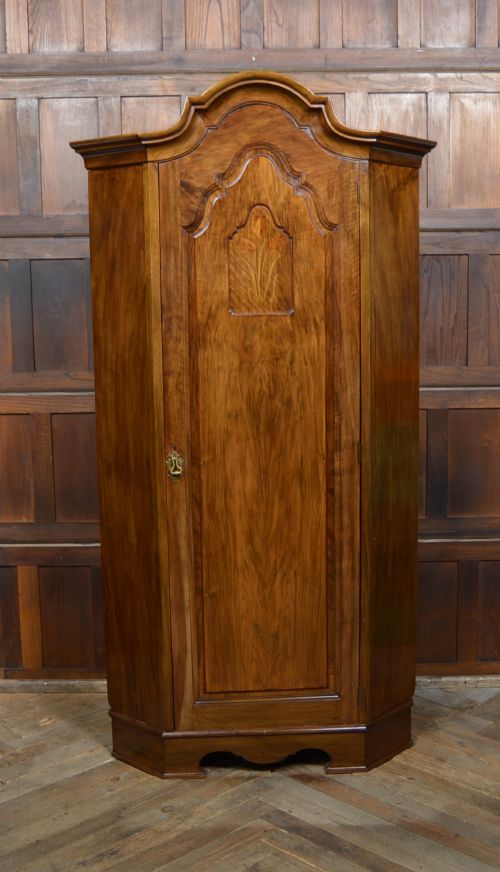
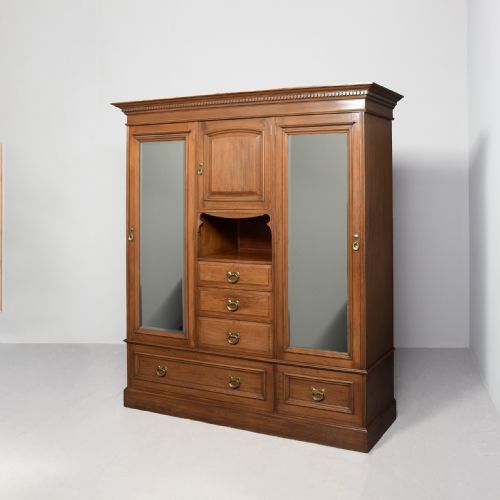
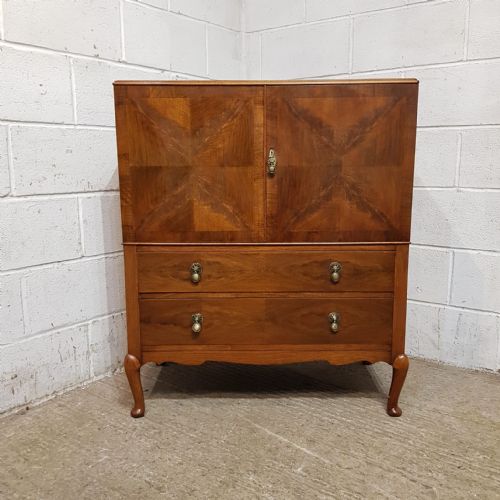
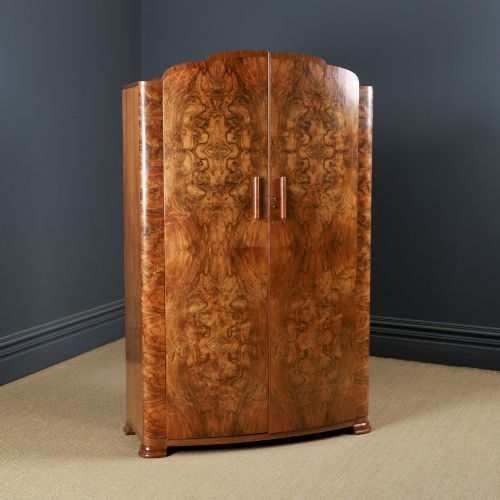
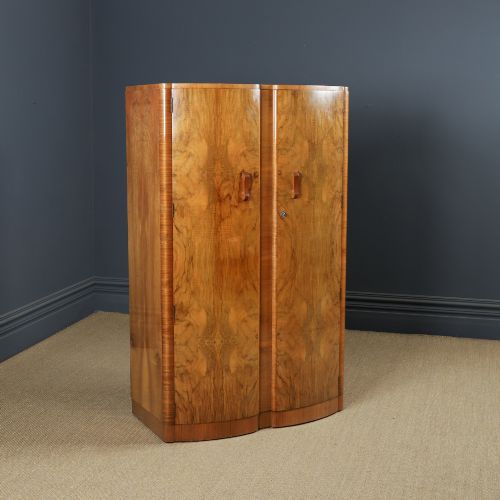
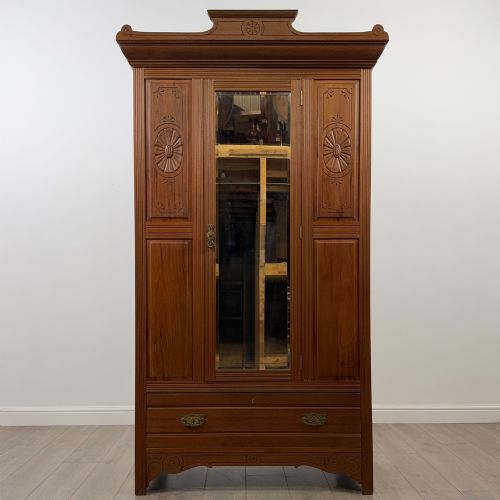
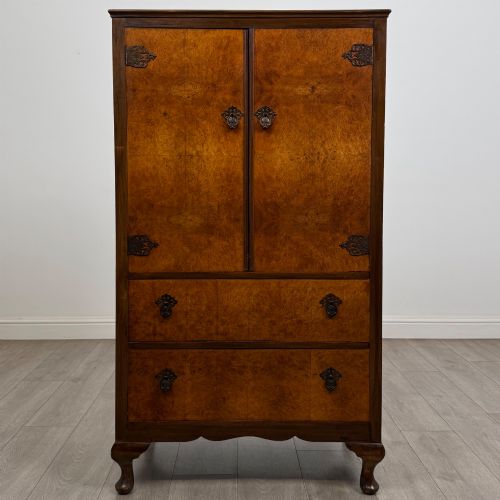
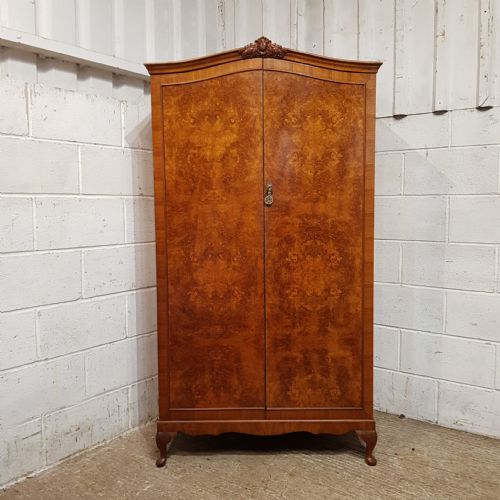
A vintage walnut wardrobe encompasses several distinct architectural styles, ranging from robust Victorian linen presses and Edwardian combination pieces to streamlined Art Deco breakfront designs. Buyers seeking a vintage walnut wardrobe will frequently encounter pieces fashioned from burr walnut veneer, straight-grained walnut, and figured timber dating from the late nineteenth century up to the 1930s.
The selection on offer spans diverse formats, including compactums, tallboys, and grand triple wardrobes outfitted with fitted interiors and mirrored doors. While earlier nineteenth-century examples lean towards traditional armoires and linen presses, twentieth-century interpretations introduce geometric bow fronts and serpentine silhouettes.
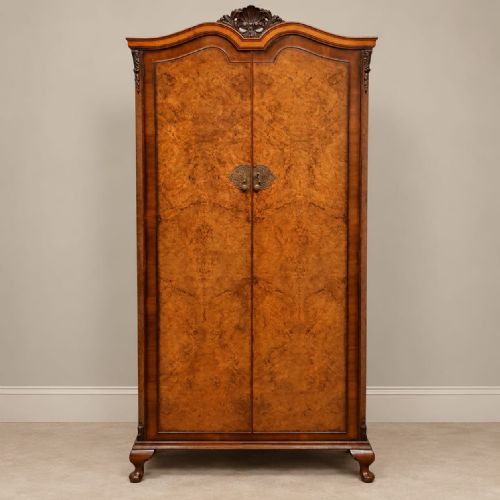
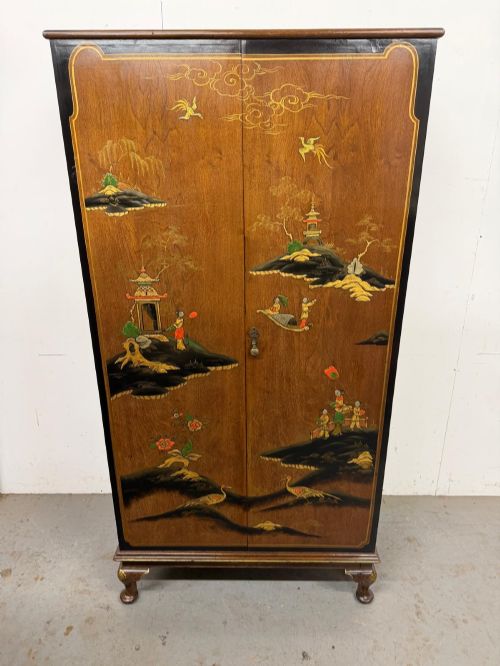
Origins vary from English workshops to continental European makers, bringing influences such as Queen Anne Revival, Art Nouveau, and Chinoiserie into the bedroom. Buyers meet everything from single mirrored robes to sprawling bedroom suites designed to coordinate across multiple pieces of furniture.
Materials and construction
Cabinet-makers utilised solid walnut alongside carefully selected burr walnut and figured veneers to create striking patterns across large door panels and facades. These wooden surfaces frequently incorporated secondary timbers such as ash, oak, or satin birch within the internal shelving and drawer construction.
Hardware played a functional and decorative role, featuring polished brass fittings and occasionally distinctive Bakelite details on later twentieth-century iterations. Glass panels appear frequently in mirrored single doors, while specialist joinery techniques allowed for curved bow-front and serpentine proportions.
Materials paired alongside walnut across these items include brass, glass, Bakelite, satin birch, ash, and oak.
Gradations of craftsmanship
Quality rests heavily on the selection and matching of the timber veneer, where book-matched burr walnut creates symmetrical patterns across wide wardrobe doors. Superior examples display thoughtful internal configuration, such as original fitted linen slides, shoe racks, and hanging compartments that maintain domestic utility.
The integrity of the structural carcass and the smoothness of operating drawers distinguish finer output from standard production. Artisanal execution is visible in the subtlety of carved detailing, the weight of cast brass handles, and the precision with which large doors hang and close.
Waring & Gillows·Frank Taylor & Co.·Lamb of Manchester·Heal's
The Vintage Walnut Wardrobe Glossary
- Compactum
- A multi-functional wardrobe combining hanging space, drawers, and shelving within a single tall cabinet. This efficient layout gained popularity during the Edwardian period and remained prominent through the Art Deco era.
- Linen Press
- A traditional storage cabinet featuring upper sliding trays for textiles above a chest of lower drawers. Victorian examples in burr walnut represent particularly robust iterations of this domestic form.
- Breakfront
- A piece of furniture where the central section projects forward from the flanking outer wings. This architectural arrangement adds visual depth and creates distinct internal storage bays.
- Serpentine
- A curved front edge shaped like a receding wave, featuring a convex centre flanked by concave curves. Executing this profile in walnut veneer requires advanced woodworking skill.
- Combination Wardrobe
- A hybrid storage unit uniting wardrobe hanging capacity with cupboard doors and open or enclosed drawer sections. These pieces offered comprehensive bedroom storage before fitted closets became standard.
Vintage Walnut Wardrobe: Frequently Asked Questions
How do I fit a vintage wardrobe into a modern room?
Many vintage wardrobes arrive as substantial monolithic structures, so checking ceiling height and internal clearance is essential prior to placement. Some multi-section or triple designs dismantle into modular components, while others require careful measurement of stairwells and entryways.
Positioning the wardrobe away from direct heat sources protects the walnut timber and delicate veneers from drying out. Adequate clearance around doors ensures that mirrored panels and hinges operate smoothly without binding against bedroom walls.
What is the difference between an armoire and a wardrobe?
An armoire typically denotes a tall cupboard originating from continental European traditions, often featuring heavy panel doors and deep interior cavities. Wardrobes developed specifically as British and English-influenced bedroom furniture designed for hanging garments.
While both terms describe large storage furniture, vintage walnut pieces labelled as armoires frequently display continental proportions or distinct regional architectural details. Wardrobes from the Victorian and Edwardian eras more commonly integrate internal hooks, rails, and dedicated drawer boxes.
Are these wardrobes supplied with keys?
Original working locks and matching keys appear on numerous period wardrobes, though surviving examples vary. Many Victorian and Edwardian locks rely on specialist barrel mechanisms that operate tall cupboard doors.
When original keys are absent, specialist locksmiths can often supply functional replacements or adjust existing mechanisms. The presence of original hardware contributes to the historical integrity of the piece.