



Vintage Walnut Cocktail Table
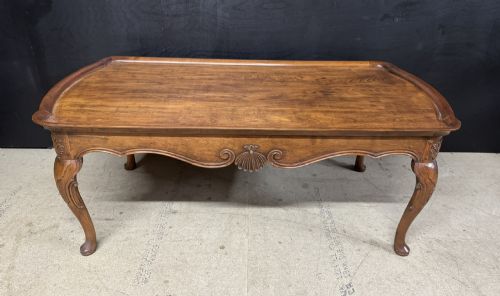
A vintage walnut cocktail table brings warmth and grain-rich character to a room, offering a low surface suited to entertaining.
Vintage Walnut Cocktail Table
A vintage walnut cocktail table bridges the gap between historical craftsmanship and practical modern entertaining. When searching this phrase, a buyer encounters pieces originating from the nineteenth century through the Art Deco era of the nineteen-thirties.
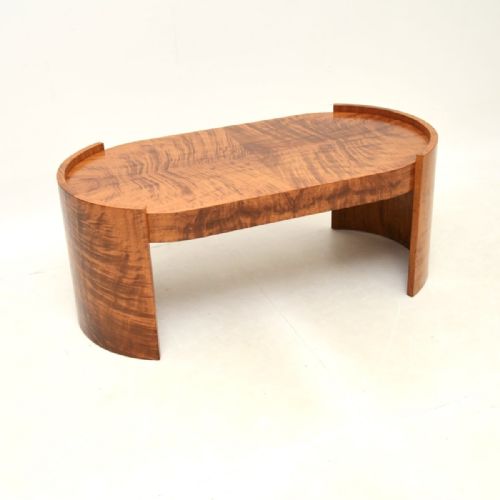
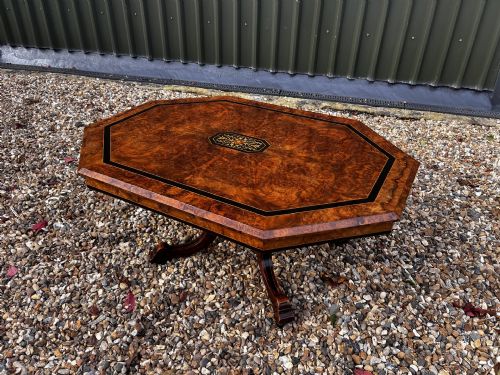
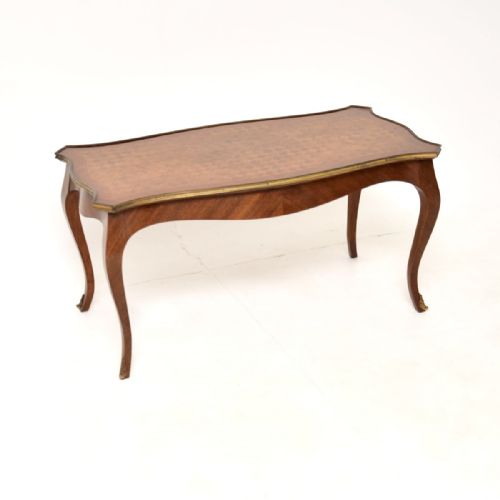
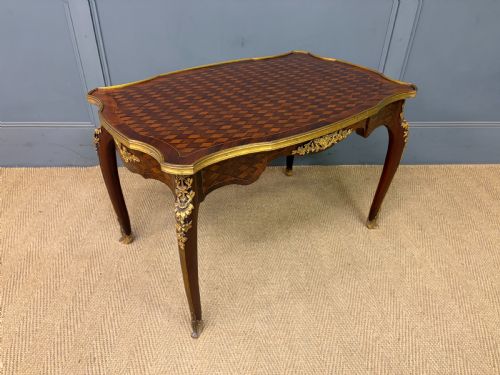
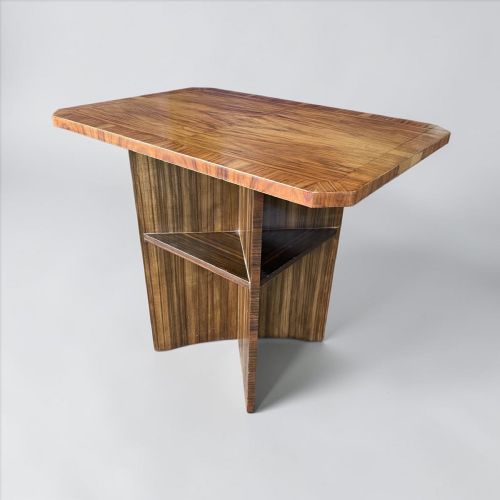
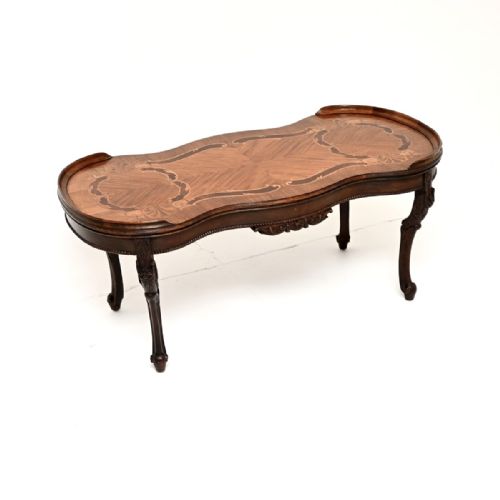
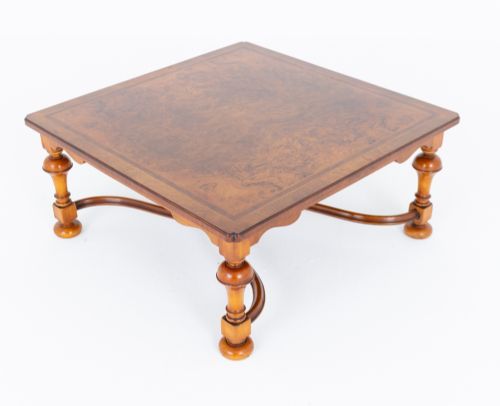
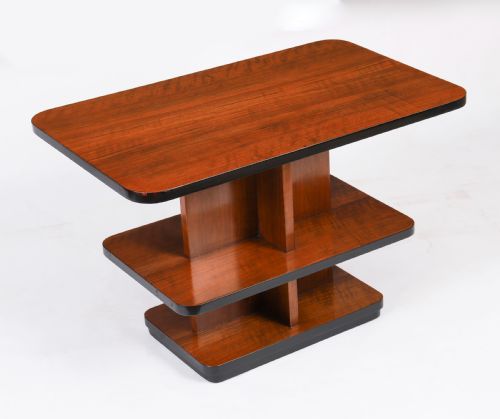
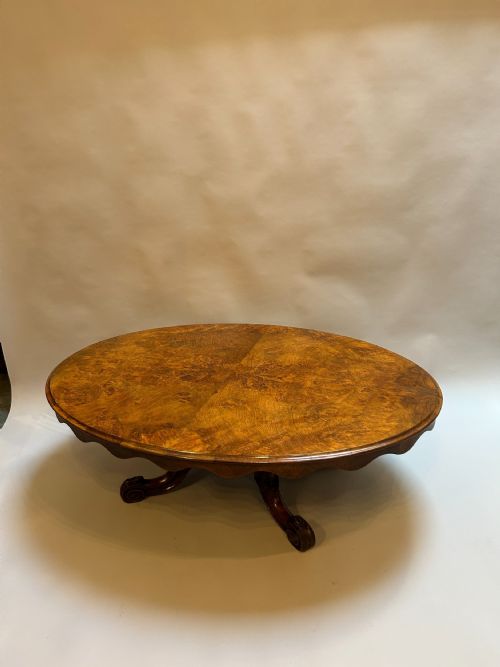
The selections span distinct stylistic revivals and geometric forms. Examples range from Victorian burr walnut tables to French inlaid parquetry and streamlined Art Deco designs.
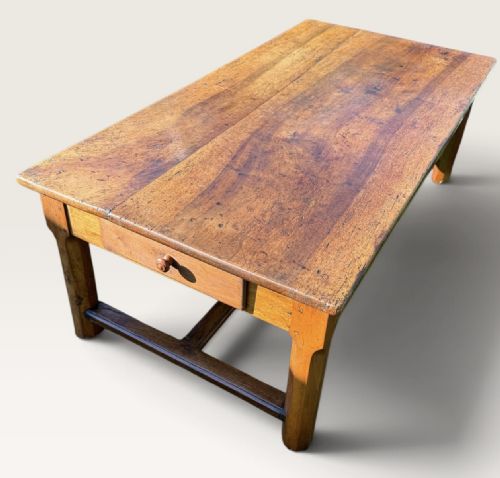
Forms include traditional coffee tables alongside specialised serving furniture such as drinks trolleys, bar carts, and pop-up cocktail tables. The prevailing aesthetic relies heavily on rich timber figures and polished surfaces.
Materials and construction methods
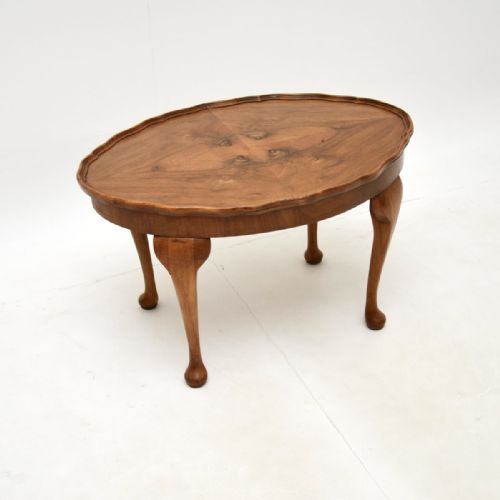
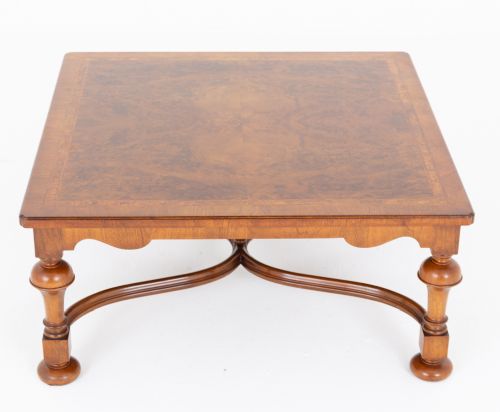
Makers utilised solid timber alongside decorative veneer leaves to showcase intricate grain patterns. Burr walnut and figured walnut feature prominently, prized for their swirling natural motifs and deep tonal variations.
Surfaces frequently incorporate complementary materials to enhance the visual impact. Brass accents, ebonised wood details, glass panels, and inlaid marquetry or parquetry appear across nineteenth and twentieth-century examples.
Vintage Walnut Cocktail Table Retail Price Guide 2026
Typical asking prices for vintage walnut cocktail table among the pieces listed under this phrase on Sellingantiques today, from the lower quarter to the upper quarter. They describe what is for sale here now, not the wider market.
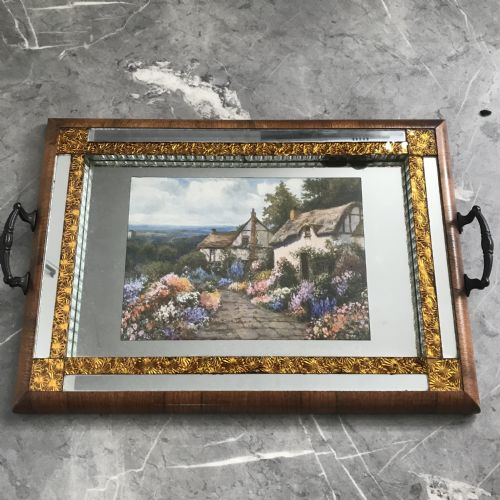
Several tables transform from modest coffee surfaces into fully functioning cocktail bars with hidden compartments.
Distinguishing quality across the range
The tier of a piece depends heavily on the selection and matching of the wood veneer. Superior examples display symmetrical grain patterns across the top, whereas simpler items utilise plain timber or basic cuts.
The complexity of the underlying joinery and structural framing dictates longevity. Finer specimens exhibit hand-carved details, marquetry precision, and integrated mechanical elements such as pop-up mechanisms in drinks tables.
Epstein·Incorporall
The Vintage Walnut Cocktail Table Glossary
- Burr walnut
- A specialised timber cut from the growth warts of walnut trees, yielding turbulent, swirling grain patterns. It is heavily utilised in high-end cabinet making.
- Marquetry
- The art of applying small pieces of veneer to a structure to form decorative patterns or pictures. Craftsmen use varied woods to achieve tonal contrasts.
- Parquetry
- A geometric mosaic of wood pieces used for decorative surfaces on tables and cabinets. It creates orderly patterns such as squares and chevrons.
- Pie crust
- A raised, scalloped edge carved along the perimeter of a round tabletop. This detail appears frequently on traditional nineteenth and early twentieth-century tables.
Vintage Walnut Cocktail Table: Frequently Asked Questions
What is a vintage walnut cocktail table?
A low surface designed for drinks and entertaining, constructed from walnut or walnut veneer during periods like the nineteenth century or the nineteen-thirties.
These pieces range from simple coffee tables to metamorphic bar tables with built-in storage compartments.
How do I date a walnut table?
Dating relies on stylistic clues such as Art Deco geometric lines, Victorian burr walnut proportions, or Edwardian turnings. Construction techniques and secondary woods also offer chronological markers.
Cabinetry details shift from nineteenth-century revival styles toward the streamlined forms popular in nineteen-thirty furniture.
Are these tables solid walnut?
Most examples utilise a stable secondary timber core covered in decorative walnut veneer. This technique allowed cabinet makers to display figured burr walnut across wide surfaces without warping.
Solid walnut typically appears in structural frames, legs, and carved mouldings while veneers cover the tabletops.
How do I care for walnut furniture?
Walnut surfaces benefit from regular dusting with a soft, dry cloth and protection from direct sunlight to prevent fading. Avoiding excess moisture preserves the polished finish and the underlying veneer.
Applying appropriate wax occasionally helps maintain the natural lustre of the timber grain.