
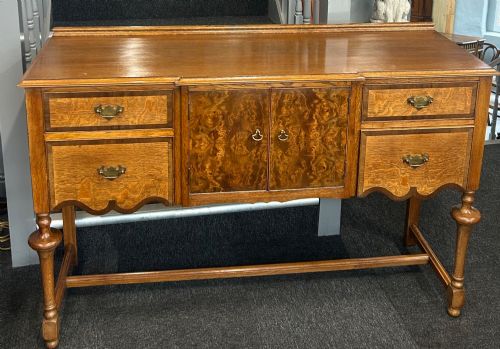
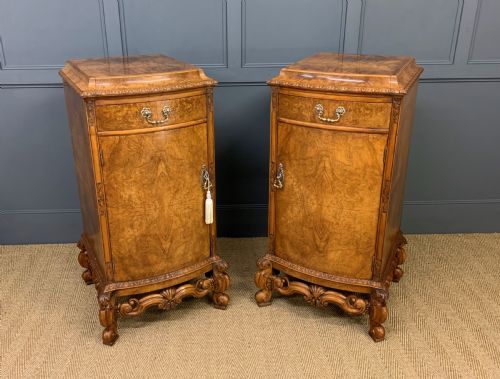

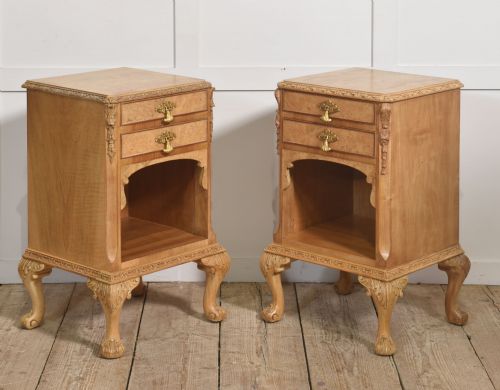
Golden Walnut Table
A golden walnut table brings rich warmth and striking timber grain to a room, ranging from Georgian desks to Art Deco designs.
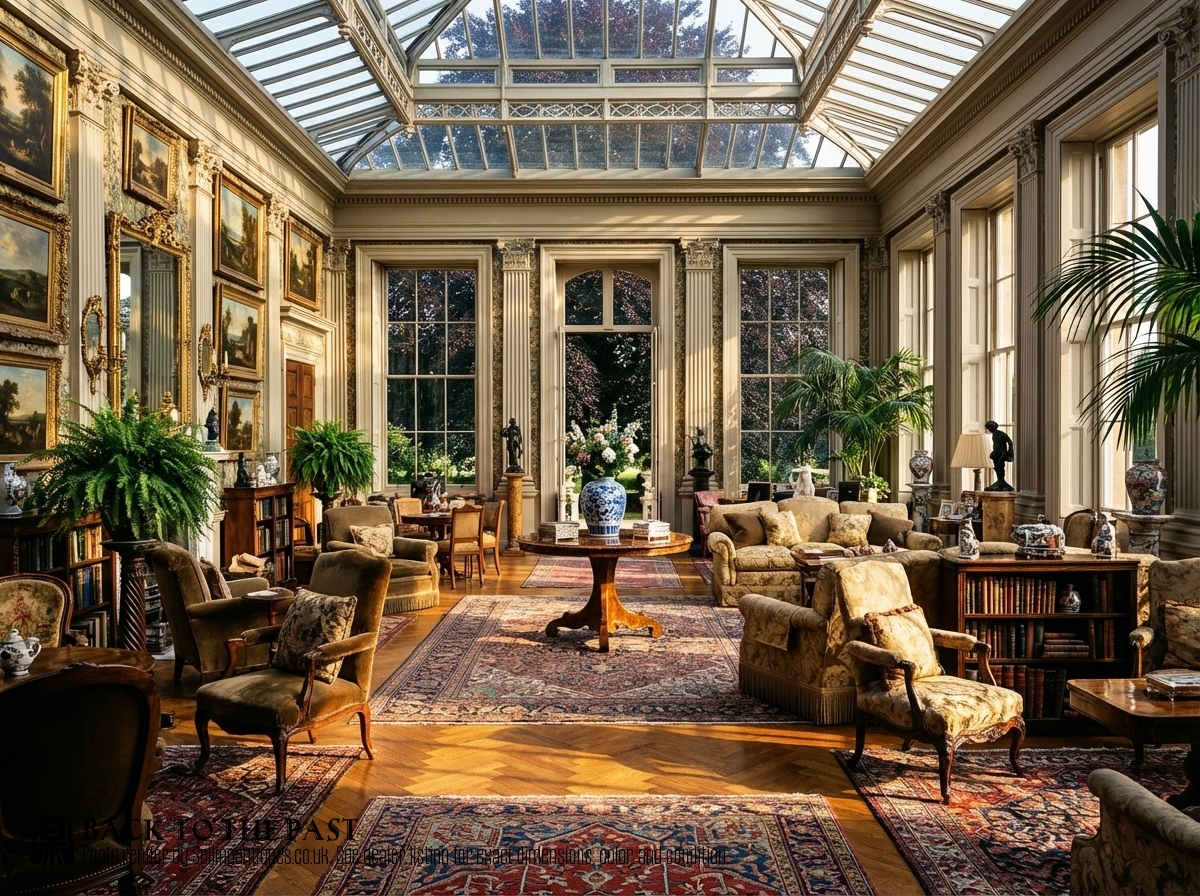
Golden Walnut Table
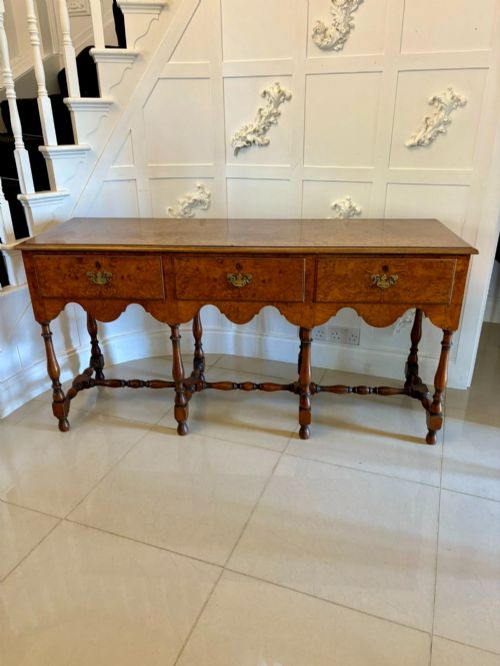
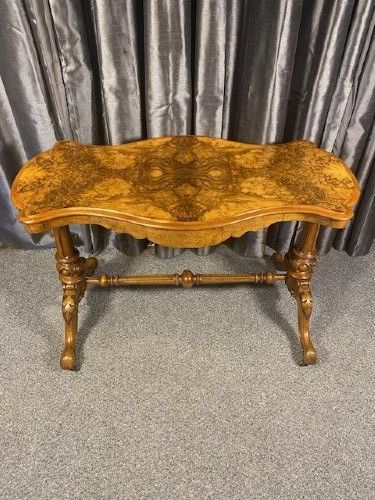
A golden walnut table covers a wide variety of forms found on this page, including centre tables, coffee tables, console tables, and dining tables. Buyers searching this phrase look for pieces displaying the distinctive honeyed tones and swirling figures characteristic of the timber.
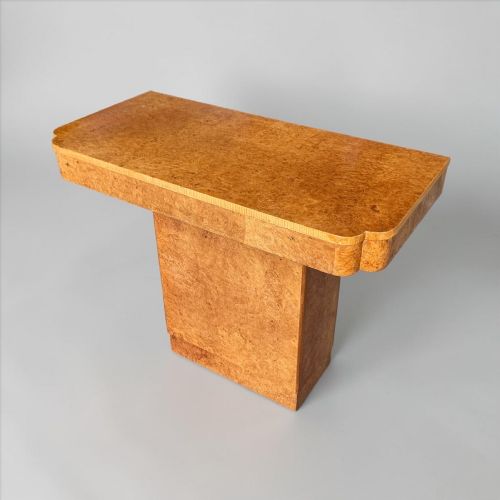
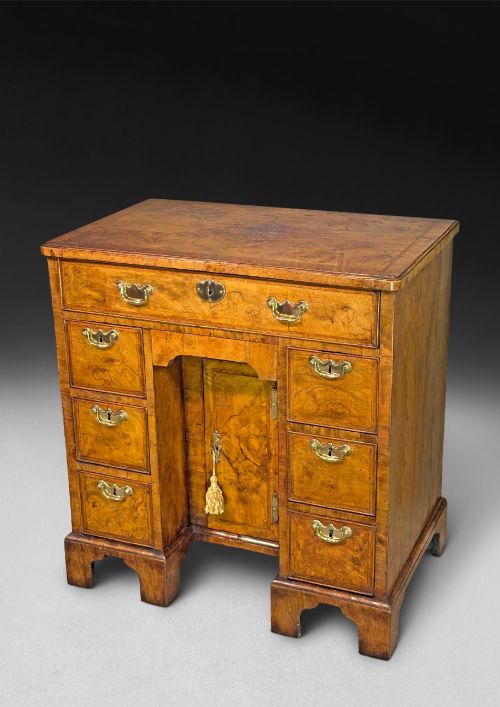
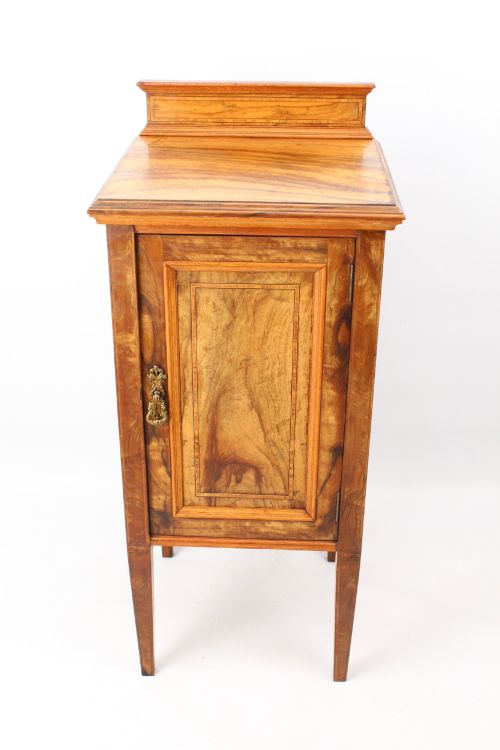
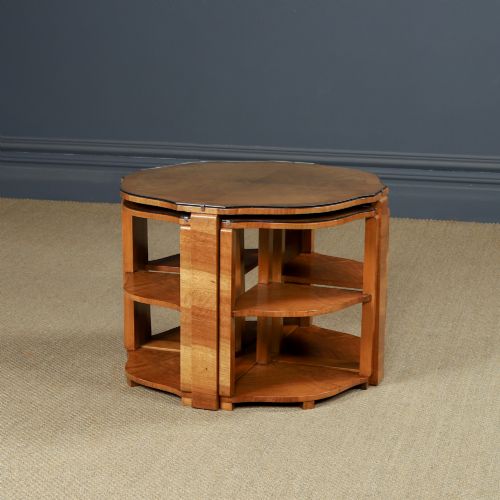
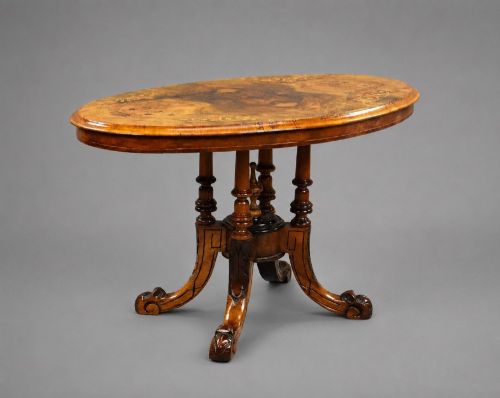
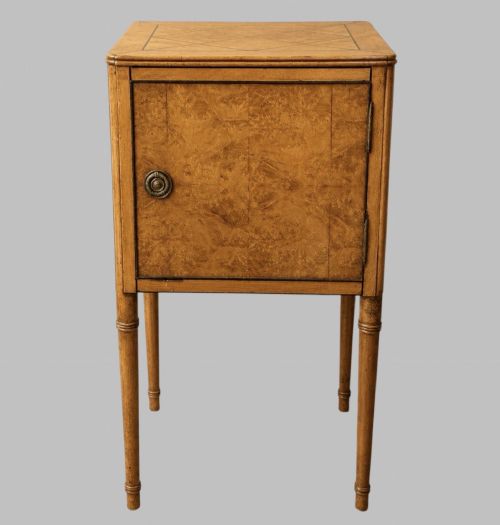
The selection spans several periods, with Victorian pieces such as loo tables and card tables appearing alongside Georgian kneehole desks and streamlined Art Deco dining sets. Side tables and bedside cabinets also feature prominently across the inventory.
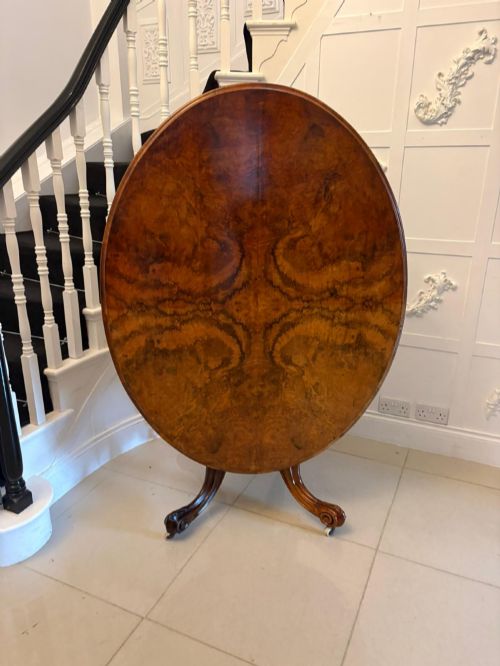
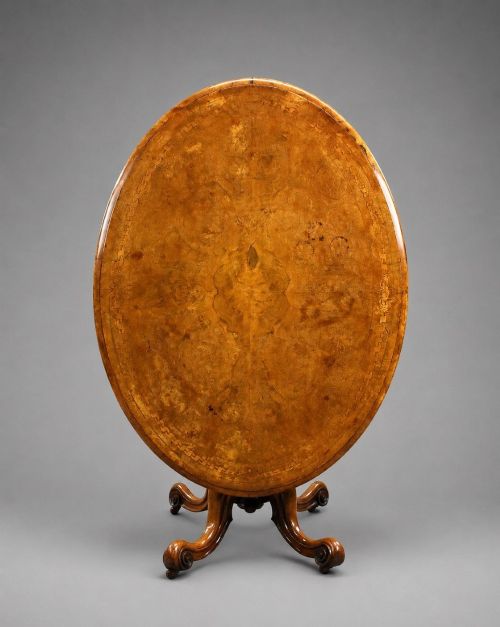
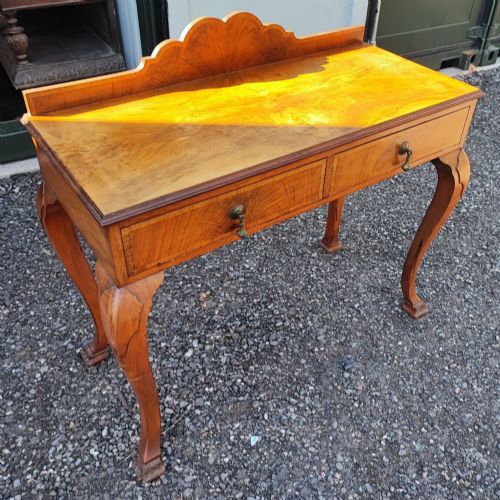
Most examples rely on figured walnut, burr walnut, or satin walnut, often enhanced with marquetry inlay or brass fittings. Each period brings its own silhouette, from the curvaceous cabriole legs of the nineteenth century to the geometric lines of the 1930s.
Materials and construction
Cabinet makers utilised solid walnut and walnut veneer, selecting highly figured sections like burr walnut for prominent table tops and drawer fronts. These decorative veneers were carefully laid over supportive secondary timbers such as oak or pine.
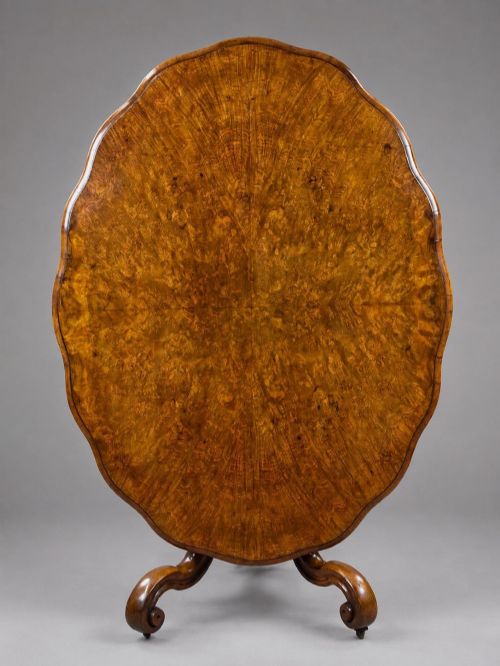
Many surfaces incorporate delicate marquetry inlay using contrasting woods like satinwood, alongside brass and ormolu mounts. Frames and legs were shaped from solid timber, employing traditional joinery to support heavy tops such as tilt-top mechanisms on Victorian tables.
Golden Walnut Table Retail Price Guide 2026
Typical asking prices for golden walnut table among the pieces listed under this phrase on Sellingantiques today, from the lower quarter to the upper quarter. They describe what is for sale here now, not the wider market.
Listings feature pieces spanning the Georgian period, the Victorian era, and Art Deco design, constructed from burr walnut, satinwood, and ormolu.
Assessing quality
Quality rests primarily on the choice of timber and the complexity of the veneer work, where symmetrical grain patterns and rich golden colouration elevate a piece. Master cabinet makers selected burr timber with intense natural patterning that catches the light.
The crispness of marquetry inlay, the integration of ormolu mounts, and the stability of structural joints distinguish finer examples. Maker attribution also plays a role, with documented workshops demonstrating superior execution in carving and assembly.
Maple and Co·Hille·Harry and Lou Epstein·Maurice Adams·Walter Carter Harrods
The Golden Walnut Table Glossary
- Burr walnut
- A prized timber harvested from the wart-like growths on walnut trees, yielding intricate, swirling grain patterns. It creates a highly decorative surface on table tops and cabinet doors.
- Marquetry
- The art of applying small pieces of veneer to a structure to form decorative patterns or pictures. Craftsmen often used contrasting timbers like satinwood to achieve floral or geometric motifs.
- Ormolu
- Gilded bronze mounted onto furniture as decorative feet, handles, or edgings. It gained popularity during revival periods to accent the warmth of walnut timber.
- Tilt-top
- A hinged mechanism allowing the table top to pivot into a vertical position when not in use. This clever design saved space in grand Victorian drawing rooms.
- Cabriole leg
- A furniture leg featuring a double curve, stepping outward at the knee and tapering inward at the ankle. It often terminates in a pad or claw foot.
Golden Walnut Table: Frequently Asked Questions
What rooms suit a golden walnut table?
These tables adapt well to living spaces, studies, and dining rooms, depending on the specific form chosen.
Smaller side tables and coffee tables fit neatly beside seating, while large centre tables and dining sets anchor principal rooms.
How do I care for walnut veneer?
Keep walnut furniture away from direct sunlight and strong heat sources to prevent the timber from drying out or fading.
Dust regularly with a soft cloth and apply appropriate wax sparingly to maintain the natural sheen of the golden grain.
How do I distinguish Victorian from Art Deco pieces?
Victorian examples tend to feature ornate carvings, cabriole legs, tilt-tops, and intricate floral marquetry. They showcase the rich, dark tones and heavy proportions typical of the nineteenth century.
Art Deco tables embrace clean geometric lines, streamlined silhouettes, and unadorned burr walnut veneers. They reflect the modern design sensibilities of the 1920s and 1930s.
Were these tables used for dining?
Larger formats such as Sutherland tables, loo tables, and extendable dining sets served specific entertaining functions in period homes.
Smaller occasional tables and console desks were designed for display, writing, or holding decorative lamps.