
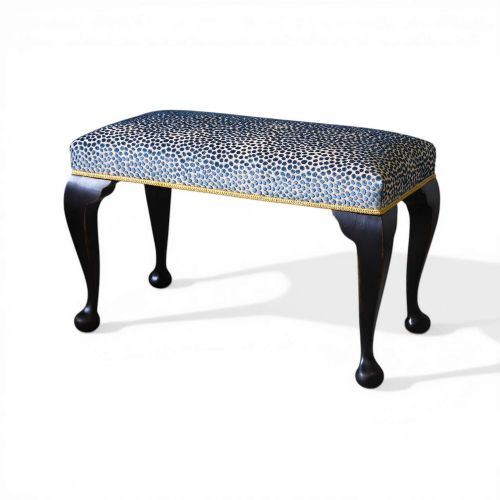
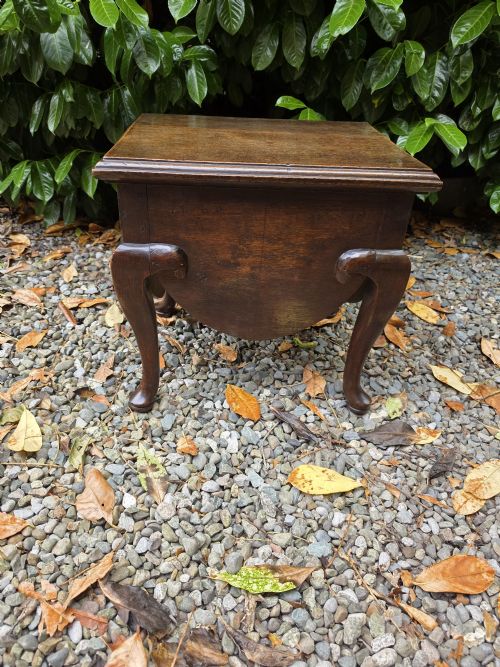

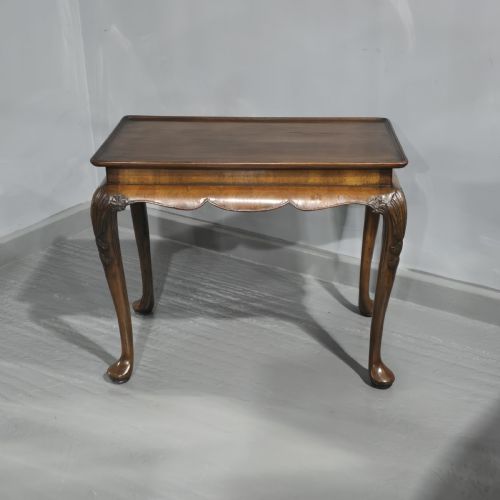


Queen Anne Low Table
A queen anne low table delivers practical surface area on elegant cabriole legs, offering timeless appeal for modern sitting rooms.
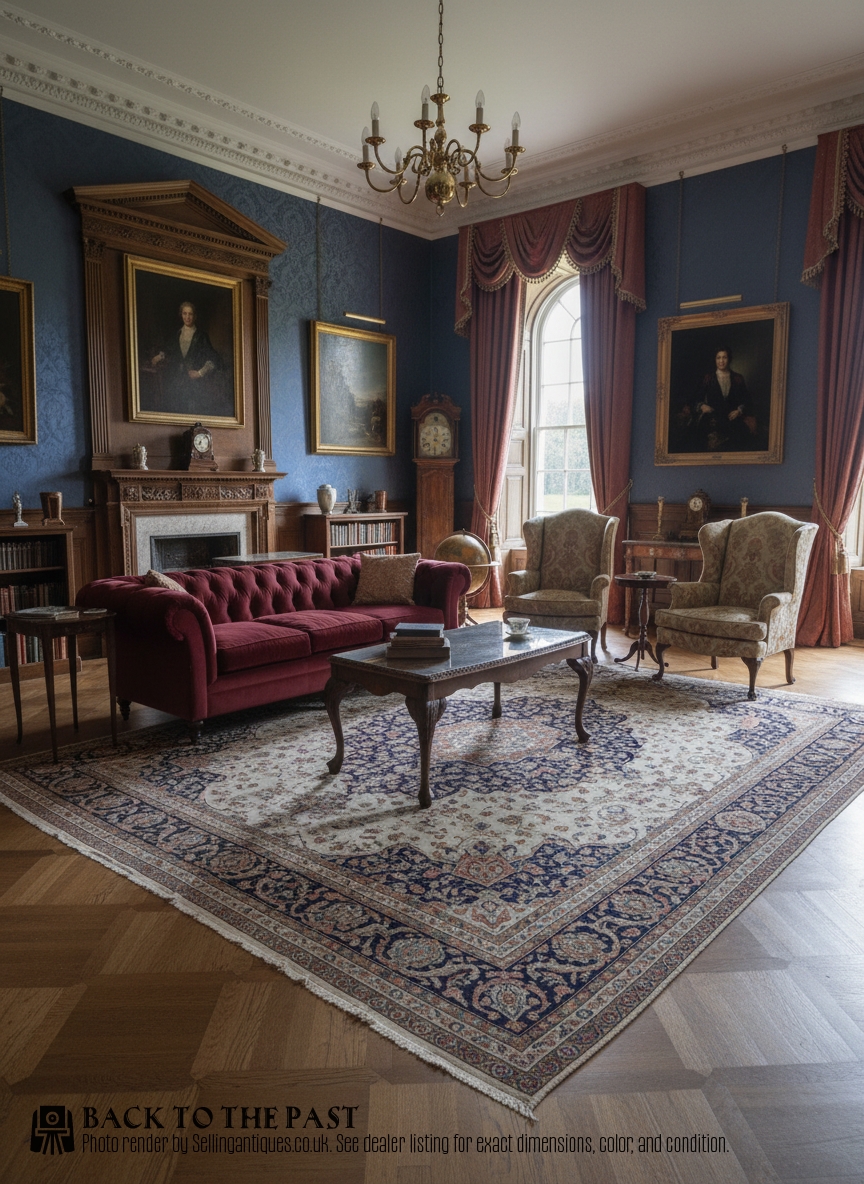
Queen Anne Low Table
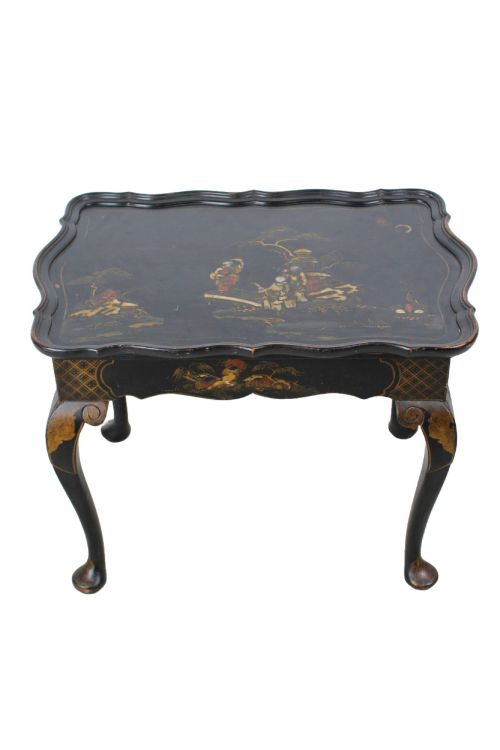
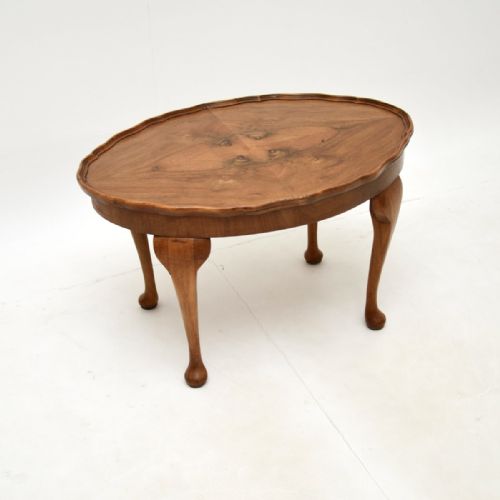
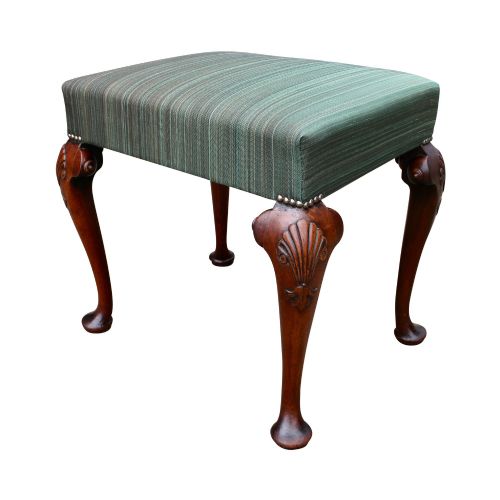
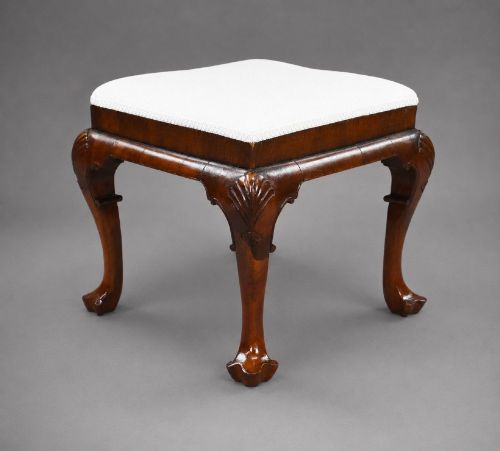
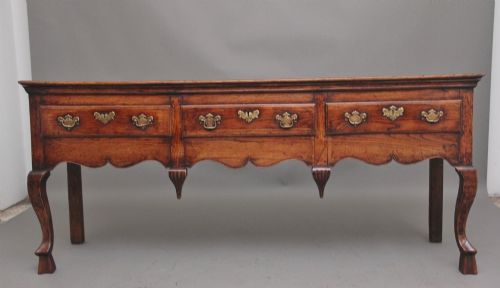
When searching for a queen anne low table, buyers encounter a mix of genuine eighteenth-century pieces alongside revival interpretations from the Edwardian era and the 1920s or 1930s. The selection spans lowboys, occasional tables, coffee tables, and upholstered stools that share characteristic graceful lines and low proportions.
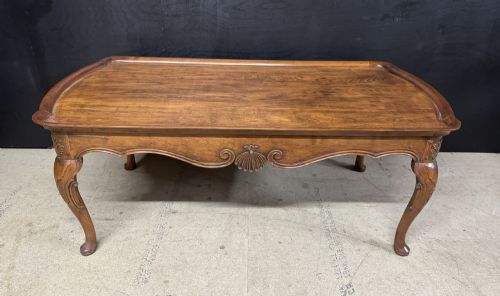
The most frequent finds on this page are walnut and burr walnut coffee tables or lowboys produced during the early twentieth-century revival period, sitting alongside earlier oak examples from the eighteenth century. These low tables suit domestic spaces requiring compact dimensions and classical form.
Materials and construction
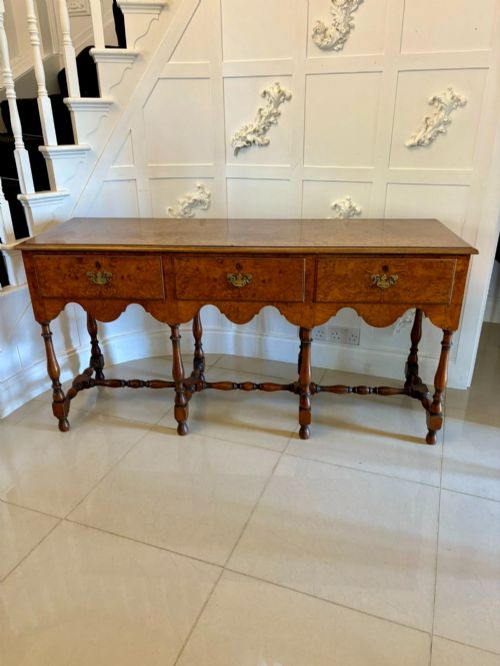
Cabinetmakers utilised timber such as figured walnut, burr walnut veneer, oak, and elm, often pairing solid frames with decorative veneers on top surfaces. Brass handles and drawer pulls frequently accent lowboys and dressing tables.
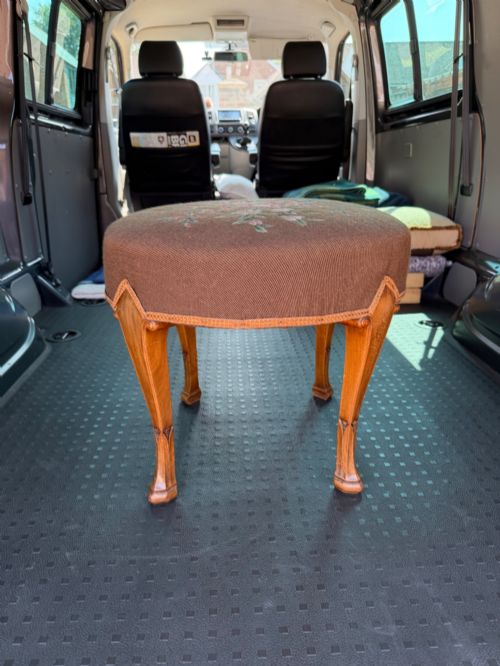
Makers shaped structural elements with turned legs, cabriole legs, and pie crust edges, sometimes incorporating textiles and needlepoint upholstery for stools and benches.
Object forms include coffee tables, lowboys, side tables, writing desks, footstools, and bookcases.
Judging quality and craftsmanship
The grade of timber selection dictates visual appeal, with richly figured burr walnut veneer and dense early oak representing the finer end of production compared to plainer secondary woods. Crisp execution of cabriole legs and pie crust moulding distinguishes superior examples.
Proportion and structural integrity separate workshop-made pieces from later interpretations, where the harmony of the low silhouette and the depth of the timber finish define overall character.
Hille of London
The Queen Anne Low Table Glossary
- Cabriole leg
- A furniture leg that curves outward and then tapers inward, finishing in a pad or foot. This form derives from animal limbs and defines the silhouette of these pieces.
- Lowboy
- A small table with drawers, built low to the ground and used traditionally as a dressing table or side table. Surviving examples date from the eighteenth century onward.
- Burr walnut
- A prized timber cut from walnut tree growths, yielding intricate, swirling grain patterns. It is frequently applied as a veneer on tabletops.
- Pie crust edge
- A raised, scalloped carved rim running along the perimeter of a circular tabletop. This decorative detail appears on various walnut coffee tables.
- Revival
- A design movement where makers replicate historical styles from earlier centuries. Edwardian and 1920s pieces often imitate eighteenth-century forms.
Queen Anne Low Table: Frequently Asked Questions
How were low tables used?
Original lowboys served as compact dressing tables or side writing desks in domestic chambers. Today, buyers adapt them and related low tables for lamp placement and coffee surfaces.
Stools offered movable seating near dressing areas, while low occasional tables held objects within easy reach of seated occupants.
How do I style a low table?
Place a burr walnut or oak low table centrally before seating to anchor the room. Its compact scale avoids visual clutter in smaller spaces.
Pair wooden surfaces with textured textiles or upholstered stools from the same period to create a layered interior scheme.
How can I tell the period apart?
Eighteenth-century pieces display native timber patination, hand-cut joints, and honest wear acquired over centuries of domestic use. Revival pieces from the 1920s and 1930s utilise machine tooling alongside decorative burr walnut veneers.
Examining internal drawer construction and timber dryness helps distinguish original Georgian manufacture from Edwardian interpretations.