





Low Chinoiserie Coffee Table
A low chinoiserie coffee table brings decorative painted scenes and rich lacquered surfaces to a sitting room.
Low Chinoiserie Coffee Table
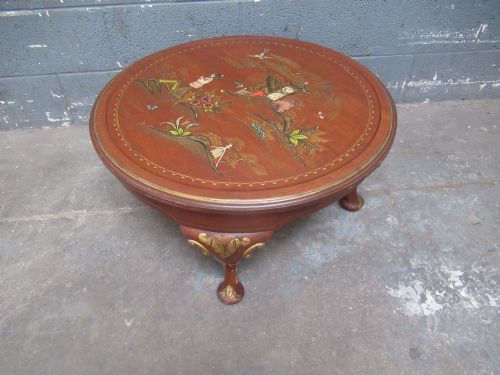
A low chinoiserie coffee table brings painted decoration and lacquered finishes to a seating area. These pieces span the nineteenth century through the mid-twentieth century, encompassing Edwardian interpretations and pieces incorporating older panels.
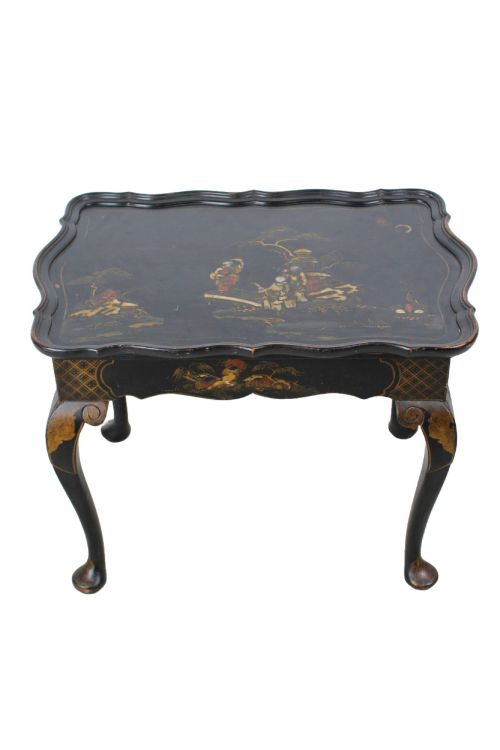
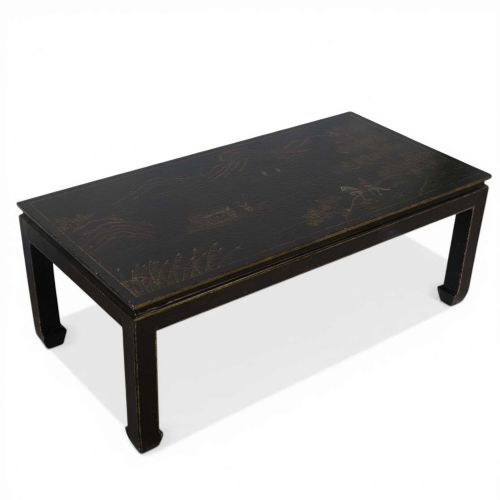
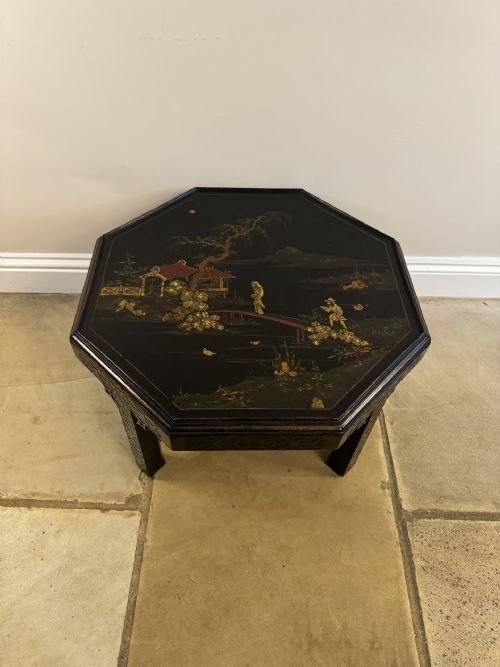
Forms on this page include standard coffee tables, occasional tables, tray tables with removable tops, and adapted chests or trunks. The physical evidence shows both circular and rectangular silhouettes suited to low seating.
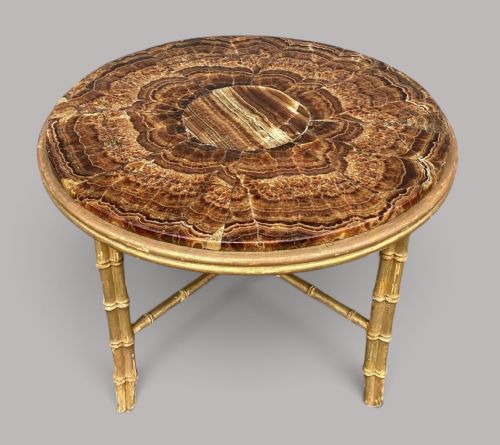
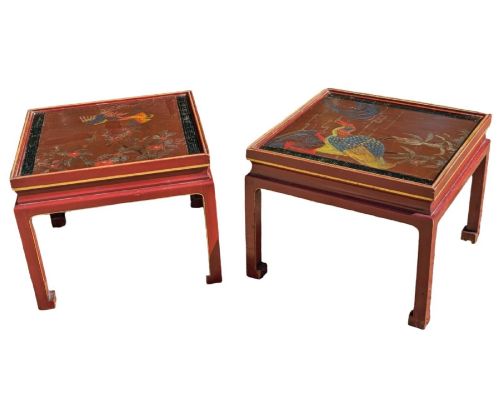
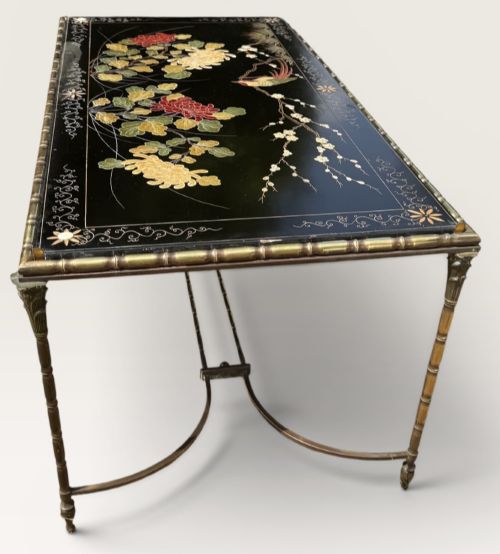
Origins range from English interpretations of Chinese styles to direct imports in traditional Chinese hardwoods and ebonised finishes. Edwardian versions and mid-century French designs appear alongside nineteenth-century examples.
Materials and construction methods
Makers utilised wood, lacquer, paint, and gilt paint to achieve rich decorative surfaces. Papier-mache and brass appear alongside soapstone details and faux bamboo turning on specific frames.
Surface decoration relies on black and gold lacquered finishes featuring raised relief detail and painted scenes. Tray tables sit upon separate folding or fixed wooden stands.
Low Chinoiserie Coffee Table Retail Price Guide 2026
Typical asking prices for low chinoiserie coffee table among the pieces listed under this phrase on Sellingantiques today, from the lower quarter to the upper quarter. They describe what is for sale here now, not the wider market.
Some tables double as travelling trays that refused to retire.
Judging the standard of execution
The sophistication of the painted scenes and the depth of the lacquer finish distinguish the better examples. Raised relief work and hand-applied gilt detail demonstrate a higher level of workshop skill.
The integrity of the underlying structure, whether an adapted nineteenth-century panel or a purpose-built Edwardian frame, dictates the physical stability of the piece.
Maison Bagues
The Low Chinoiserie Coffee Table Glossary
- Chinoiserie
- European artistic style reflecting Chinese motifs and decorative techniques. This aesthetic dominated various periods from the eighteenth century onwards.
- Japanning
- European imitation of East Asian lacquerwork using heat-dried varnish layers. Artisans built up dark grounds with gold painted scenes.
- Tray table
- A removable serving tray supported by a folding or fixed stand. Many low coffee tables derive their form from this dual-purpose furniture type.
- Ebonised
- Wood treated to imitate ebony through dark staining or painting. This finish provides a dark background for gilt decoration.
- Raised relief
- Decoration built up above the surface plane before gilding and painting. This technique adds tactile depth to scenic panels.
Low Chinoiserie Coffee Table: Frequently Asked Questions
What is a low chinoiserie coffee table?
A low chinoiserie coffee table is a low-set surface decorated with painted oriental scenes and lacquered finishes. These pieces range from nineteenth-century adaptations to Edwardian and mid-century interpretations.
They function as central room tables while displaying decorative motifs inspired by traditional Chinese art.
How were these tables used originally?
Many examples began as serving trays on folding stands or low chests before conversion into coffee tables. Tray formats allowed servants to transport items before resting the top upon a support.
Over time, makers constructed dedicated low tables specifically for domestic reception rooms.
How do I care for lacquered surfaces?
Lacquered and painted wood requires protection from direct sunlight and excessive moisture. Dust the surface gently with a dry, soft cloth rather than chemical polishes.
Use coasters to protect the delicate gilt and painted scenes from liquid marks.
How do I identify the period?
Dating relies on examining the construction timber, the style of the painted scenes, and the framing hardware. Edwardian pieces often display specific proportions and bright gilt detailing.
Nineteenth-century examples may incorporate older lacquered panels reused within later frameworks.