
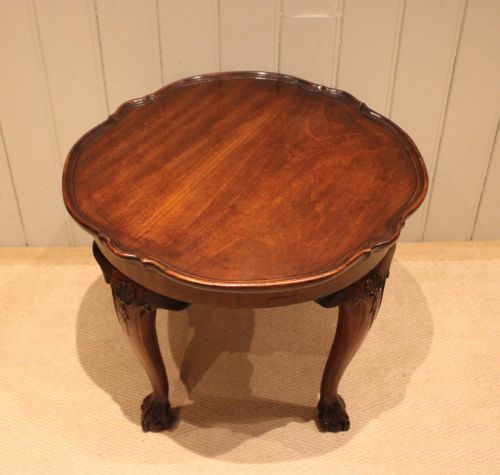
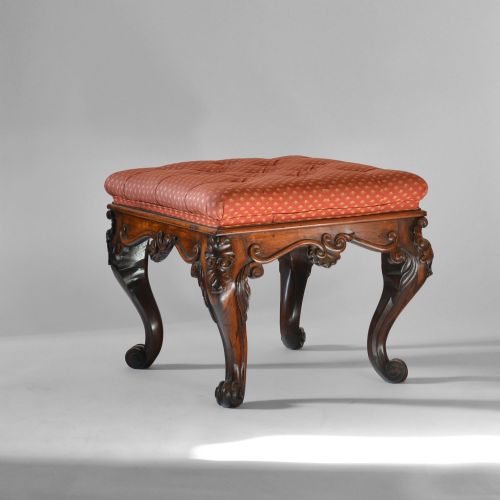
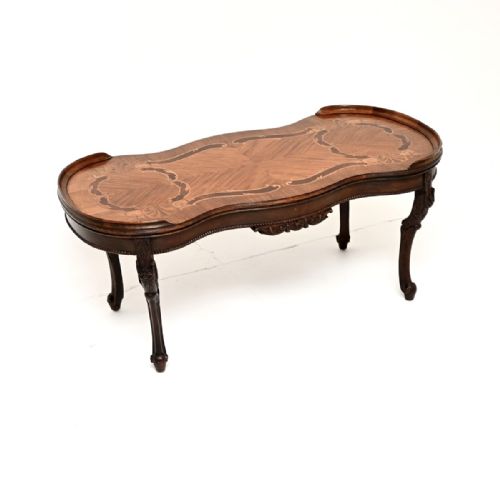
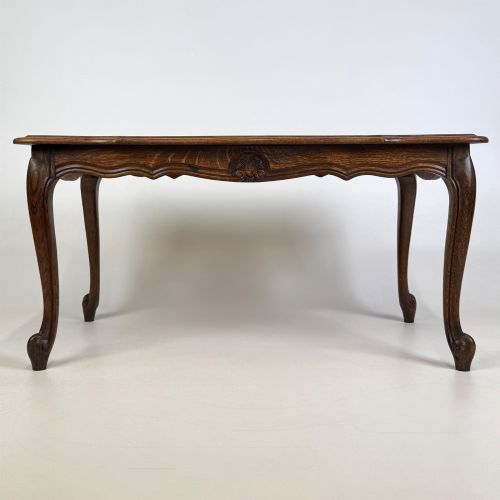
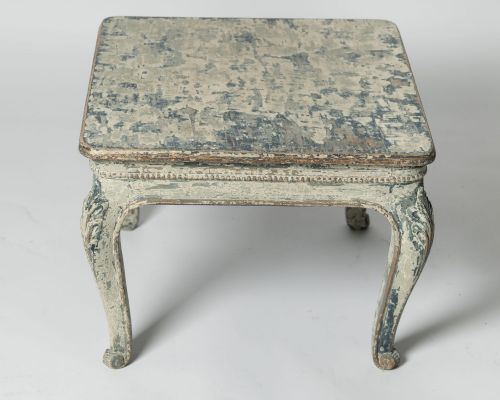
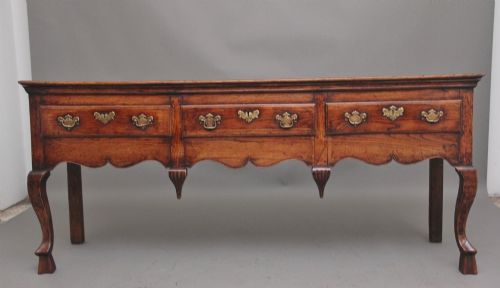
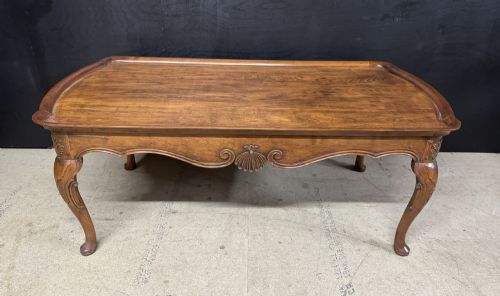
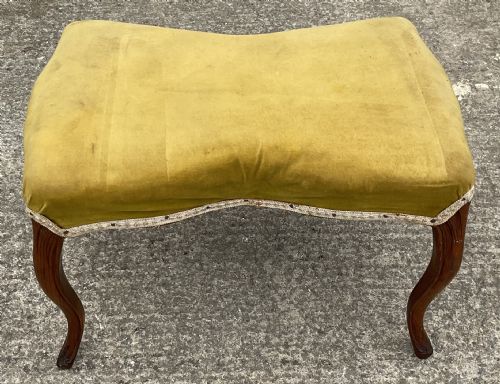
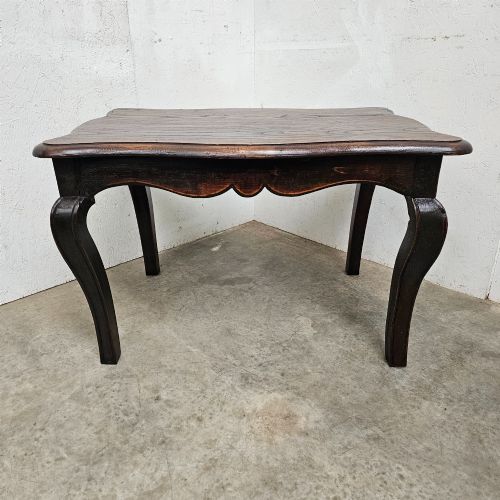
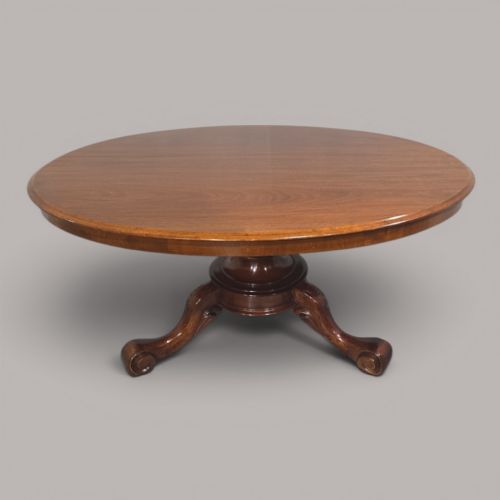
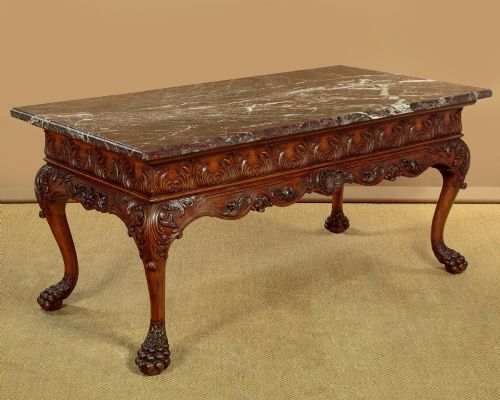

Carved Cabriole Low Table
A carved cabriole low table brings flowing lines and timber warmth to a room, offering a practical surface with historic character.
Carved Cabriole Low Table
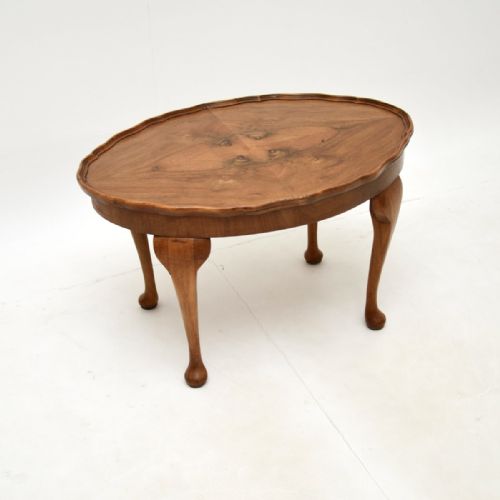
When you search for a carved cabriole low table, you encounter a mix of low coffee tables, occasional tables, and lowboys that adapt traditional forms for modern living. The selection spans the eighteenth century through to the interwar decades of the twentieth century, with revivals of Queen Anne and Georgian styles appearing frequently.
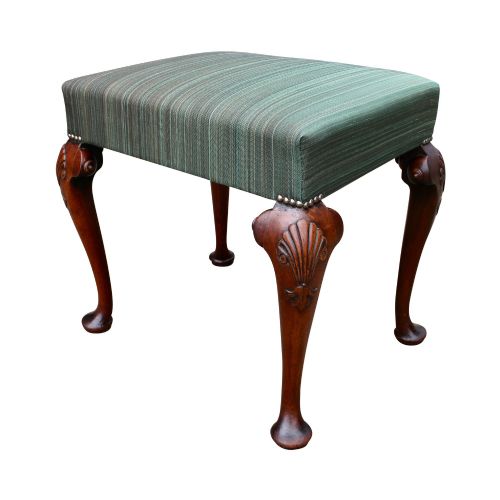
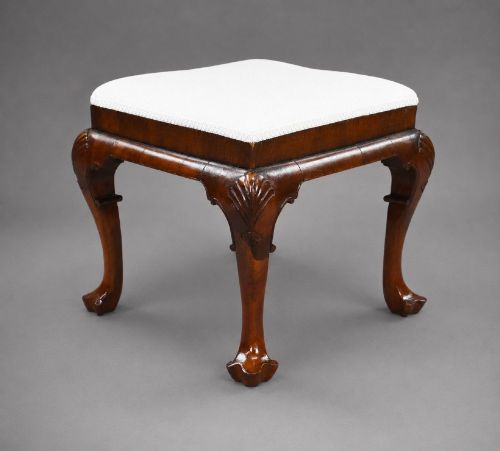
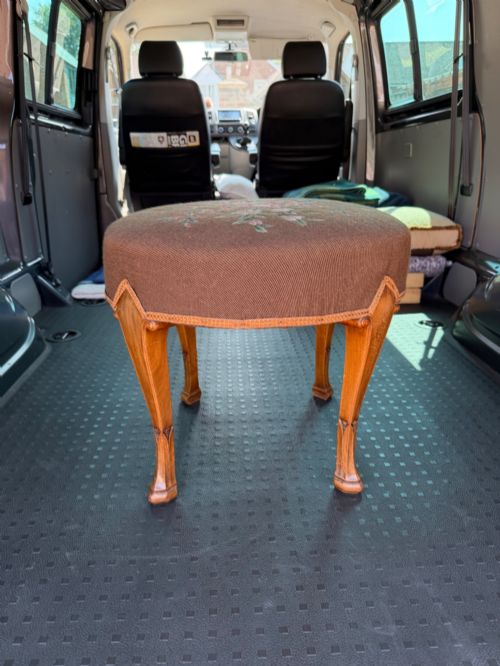
Many items originate as adaptations or repurposed forms, including lowboys and stools refashioned or chosen for their height. Walnut and burr walnut dominate the selection, alongside oak, mahogany, and occasional French or Anglo-Indian imports featuring intricate carving.
The aesthetic relies heavily on curved legs and rich wood grains, offering a distinct silhouette that grounds a seating area. Walnut veneers and solid timbers showcase figuring developed over decades, appealing to those seeking traditional craftsmanship in a low-slung format.
How they were made
Cabinetmakers constructed these tables using solid hardwoods like walnut, oak, and mahogany, frequently applying burr walnut veneer to tabletops for striking visual patterns. Frames often utilise traditional joinery, securing legs into rails with mortise and tenon joints to support everyday use.
Carving is executed directly into the solid timber of the knees and borders, particularly on pieces adopting Queen Anne or French styles. Surface finishes typically involve French polish or wax, which builds a deep lustre over the grain and highlights the natural colour of the wood.
Several French tables come with marble tops, offering an unexpected cool surface for afternoon tea.
What varies in quality
Quality reveals itself in the depth of the timber figuring and the crispness of the hand-carving on the cabriole knees. Superior examples display balanced proportions where the sweep of the leg harmonises with the top, rather than appearing heavy or unrefined.
The choice of materials dictates the upper tier of the range, where book-matched burr walnut veneers and solid walnut frames demonstrate superior cabinet work. Lesser pieces may rely on simpler secondary woods or show less meticulous attention to the continuity of grain across the surface.
Hille of London
The Carved Cabriole Low Table Glossary
- Cabriole leg
- A furniture leg that curves out and then in, resembling the leg of an animal. This form became a defining feature of eighteenth-century design and later revival periods.
- Burr walnut
- A veneer taken from the wart-like growth on a walnut tree, prized for its swirling, intricate grain patterns. Cabinetmakers use it on prominent surfaces to create visual impact.
- Lowboy
- A small dressing table or side table with drawers, standing on relatively tall legs. Many are repurposed today as low coffee tables due to their convenient height.
- Pie crust
- A carved, raised edge on a round tabletop that resembles the crimped crust of a pastry pie. This detail requires skilled hand-carving from solid timber.
- Queen Anne style
- A design movement characterised by curved lines, cabriole legs, and understated elegance. It experienced significant revivals during the Victorian and Edwardian eras.
Carved Cabriole Low Table: Frequently Asked Questions
Are these original eighteenth century tables?
Most options date from the nineteenth and early twentieth centuries, drawing heavily on eighteenth-century design revivals. True period pieces from the seventeen-hundreds are less common in a low table format.
Many low tables from this selection are clever adaptations of older stools, dressing tables, or lowboys. These conversions repurpose historic woodwork to suit contemporary coffee table heights while retaining period materials.
What is a lowboy used for today?
A lowboy functions effectively as a compact coffee table or an accent piece beside a sofa. Its original purpose as a small dressing table or side storage unit translates well into modern living spaces.
The presence of drawers on certain lowboy styles offers concealed storage for small items like remote controls or coasters. Their slender legs also maintain an open, airy feel in smaller rooms.
How do I spot a Queen Anne revival piece?
Revival items typically display characteristic cabriole legs ending in pad or slipper feet, often paired with walnut veneers. The timber and construction methods usually point to Victorian, Edwardian, or interwar workshops rather than the seventeen-hundreds.
Examining the underside and interior woodwork often reveals machine-cut elements or secondary woods that distinguish later craftsmanship from original eighteenth-century work.