

Vintage Wall Mounted Shelves
These vintage wall mounted shelves bring character and practical display space to any room, offering period charm through rich timbers and traditional craftsmanship.
Vintage Wall Mounted Shelves
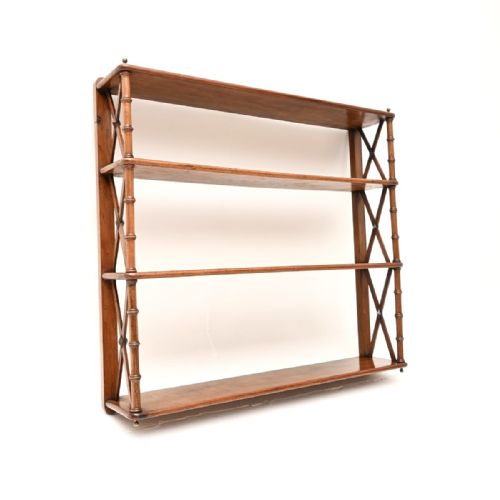
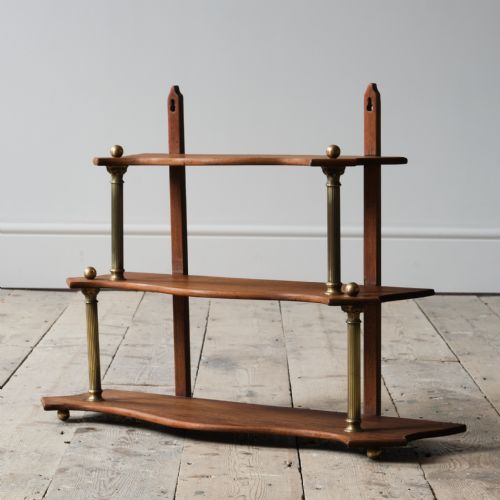
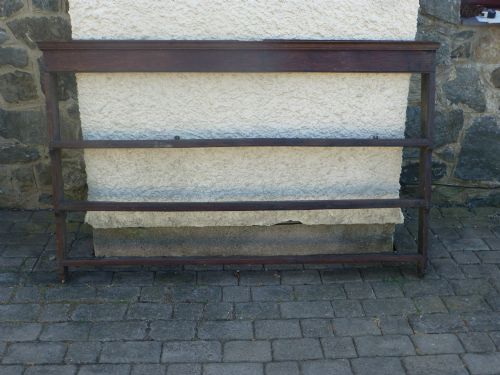
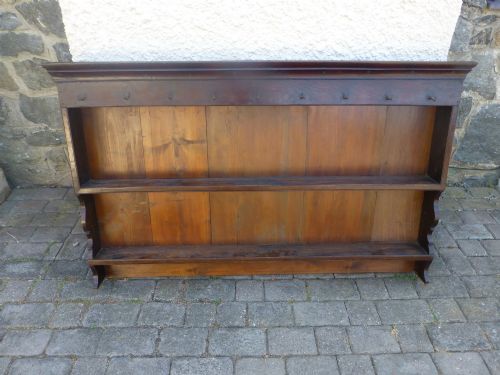
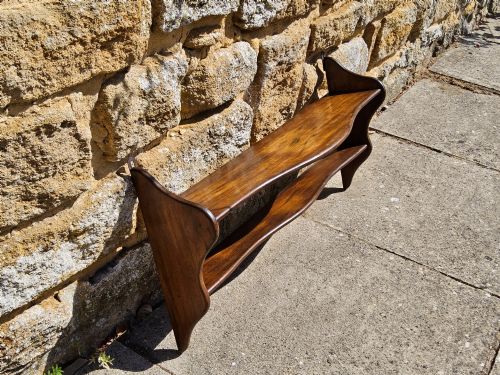
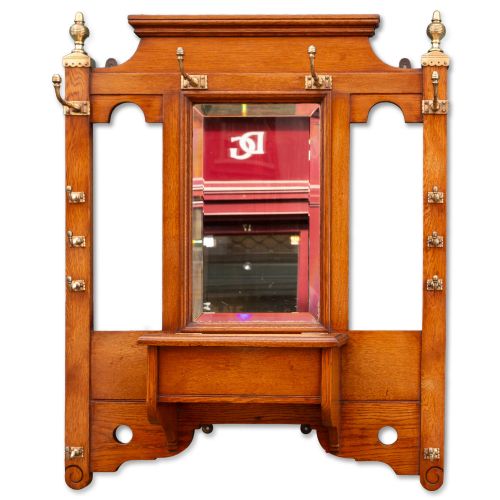
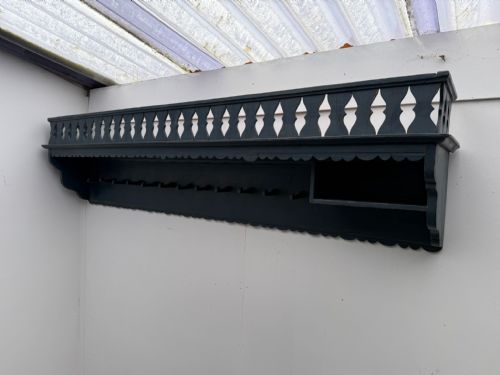
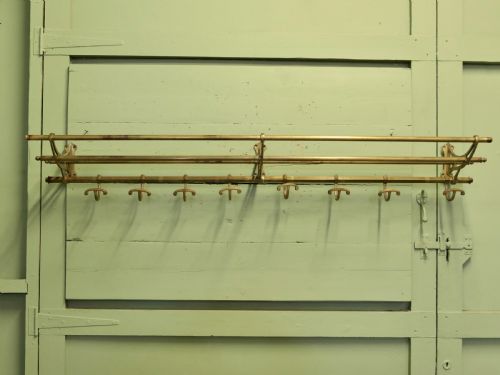
When buyers search for vintage wall mounted shelves, they encounter a diverse selection of wall-hung furniture designed to organise and display items without taking up floor space. The options span multiple centuries and forms, ranging from modest oak plate racks and walnut bookcases to mahogany display shelves and brass-mounted coat racks.
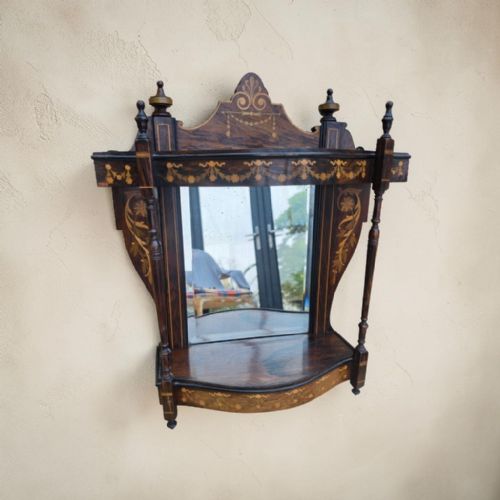
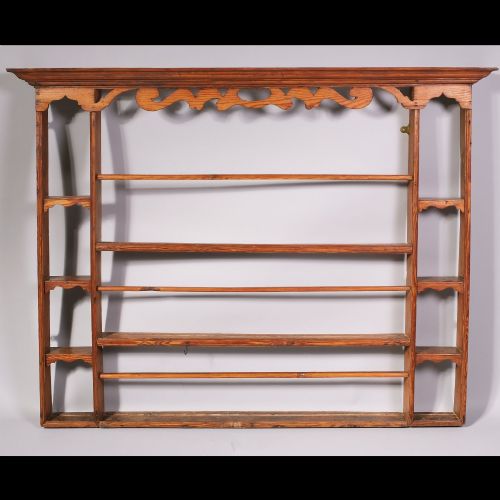
The versions most commonly met on this page include 18th-century oak delft racks, 19th-century mahogany hanging shelves, and early 20th-century Edwardian or Art Deco pieces combining mirrors with storage. These items serve functional roles in kitchens, hallways, and reception rooms while providing distinct stylistic periods from Georgian to Arts and Crafts.
How they were made
Carpenters and cabinetmakers constructed these wall fixtures using solid hardwoods such as oak, mahogany, walnut, and pine, frequently enhanced with brass fixings, glass panels, and painted finishes. Joinery methods relied on traditional tongue-and-groove work, dovetailing, and careful pegging, particularly in earlier examples.
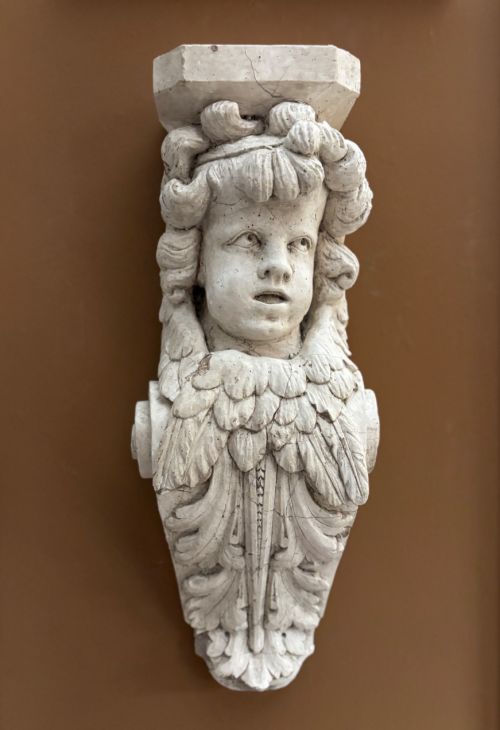
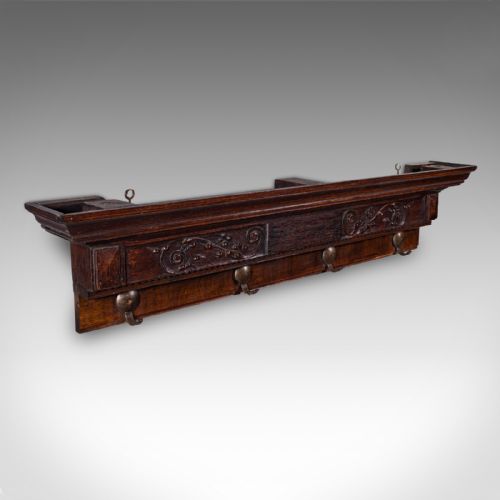
Decorative elements involve marquetry inlay, carved corbels, and turned wooden hooks. Metal components like brass rails, hooks, and mirrors were integrated securely to support heavier domestic use.
The materials recorded across these listings span oak, mahogany, walnut, pine, brass, glass, paint, and wood.
What varies in quality
Quality in these pieces depends on the selection of timber and the refinement of the joinery. Superior examples utilise dense, well-figured grains like quarter-sawn oak or richly patinated mahogany, paired with crisp hand-carved details and original brass fittings.
Simpler utility items, such as pine plate racks or painted coat hooks, show more rustic construction methods and utilitarian surfaces. The presence of intact original finishes, glass, and structural integrity elevates the standing of any hanging shelf.
The Vintage Wall Mounted Shelves Glossary
- Delft rack
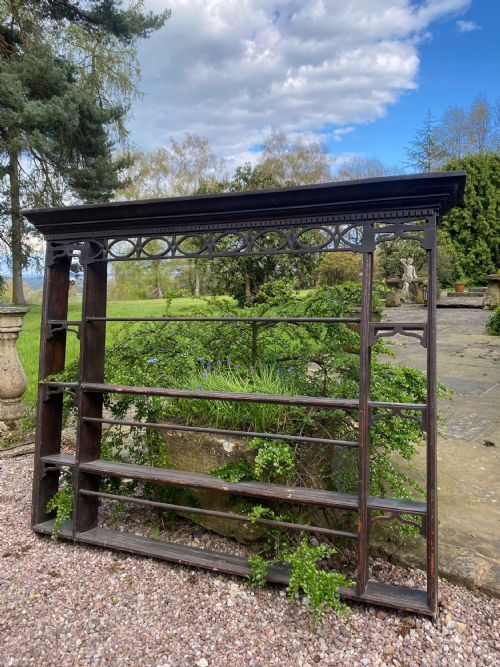
- A wall-mounted wooden rack specifically designed with plate grooves and horizontal rails to display ceramics and porcelain. These are commonly encountered in 18th-century oak.
- Corbel
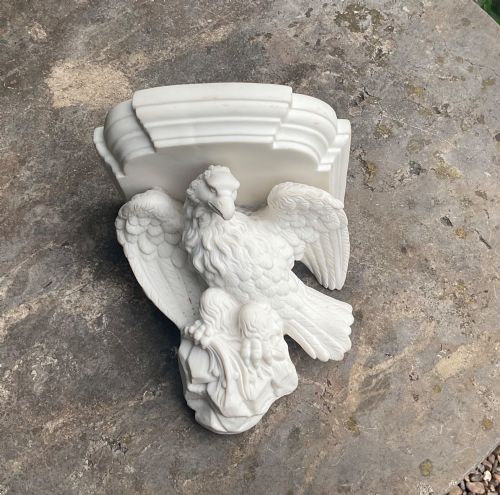
- A structural bracket projecting from a wall to support a weight above it. In these listings, they often appear as decorative wooden or ceramic architectural supports.
- Marquetry
- The art of applying pieces of veneer to a structure to form decorative patterns. It frequently enhances the surfaces of 19th-century display shelves.
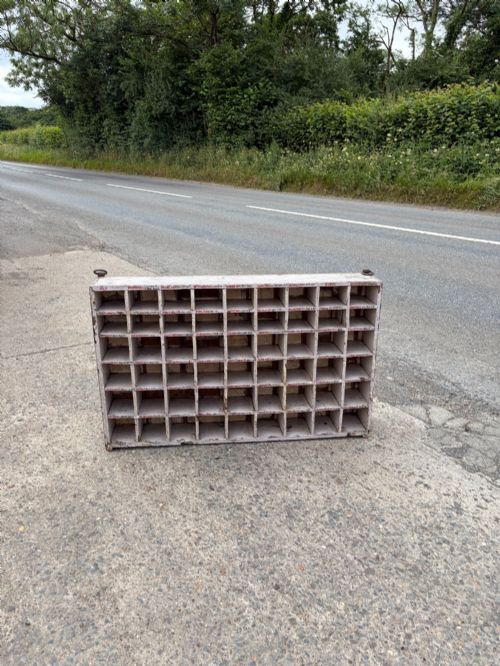
- Pigeon holes
- Small, compartmentalised recesses used for sorting letters and documents. They appear in early 20th-century wall storage configurations.
Vintage Wall Mounted Shelves: Frequently Asked Questions
How do I hang heavy wall shelves safely?
Ensure the fixings locate directly into wall studs or employ appropriate heavy-duty wall anchors suited to the masonry or plaster.
Distribute weight evenly across the platforms to maintain stability and prevent strain on the historical hanging brackets.
Were plate racks used only in kitchens?
Whilst traditional oak plate racks originated for domestic kitchen use to air and display tableware, they suit modern dining areas and living rooms for books and decorative plates.
Their shallow depth allows them to fit comfortably in narrow hallways or transitional spaces.
How do I identify a Georgian shelf?
Georgian pieces typically exhibit restrained classical proportions, premium mahogany or oak timbers, and straightforward architectural mouldings without excessive ornamentation.
Construction details like hand-cut joints and period fixings help confirm the era.
Can I use antique coat racks in bathrooms?
Many Edwardian and Art Deco wall-mounted coat racks and mirrored cabinets include durable brass or chromed elements suited to high-moisture environments.
Ensure adequate ventilation to protect the underlying wooden frames and antique mirror plates from moisture damage.