

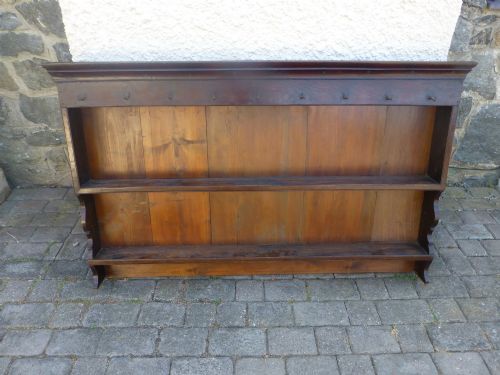
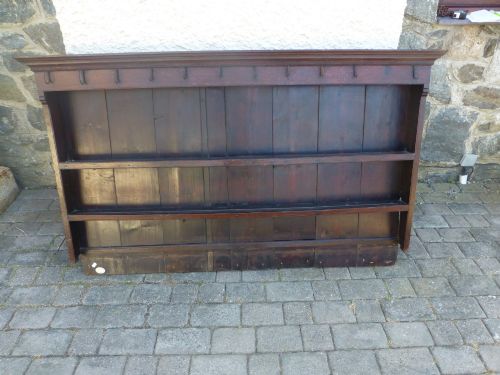
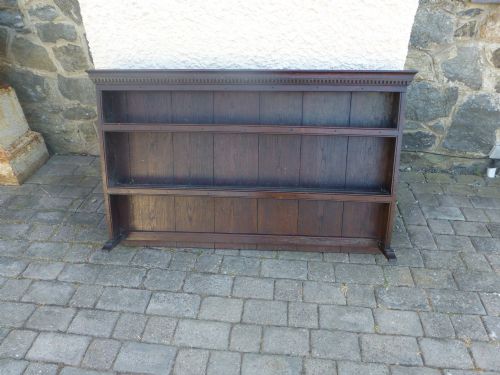
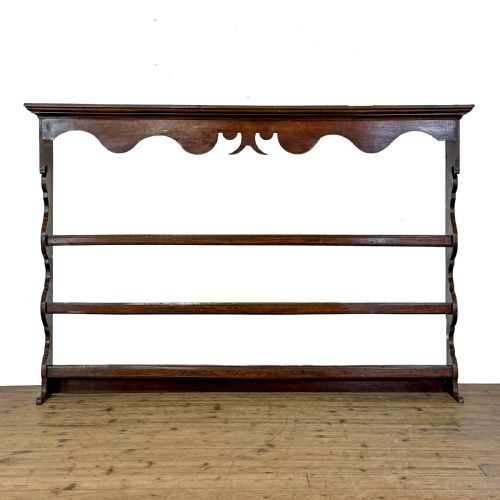
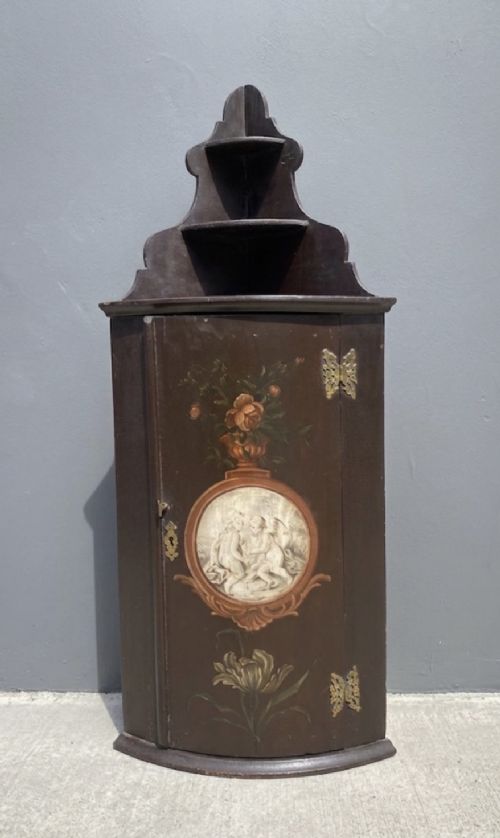


18th Century Hanging Shelf
These 18th century hanging shelf pieces offer functional wall storage in oak, mahogany, walnut, and pine, bringing period character to any room.
18th Century Hanging Shelf
An 18th century hanging shelf encompasses wall-mounted plate racks, display shelves, corner cabinets, and hanging cupboards. These pieces provide vertical storage and display space, designed to be fixed directly to the wall.
The selections on this page span styles from Georgian and George III to English Country, French Provincial, and 18th Century Italian. Oak and mahogany appear most frequently, alongside walnut, pine, and painted surfaces.
Forms range from open delft racks for plates to enclosed wall cupboards and corner shelves fitted with brass or iron hardware. Buyers encounter simpler country pieces alongside more formal mahogany and walnut examples.
How They Were Made
Cabinetmakers constructed these shelves primarily using solid timbers like oak, mahogany, and walnut, frequently utilising pine for secondary elements and backs. Joinery relied on traditional methods suited to supporting weight on walls.
Decorative detailing on these pieces includes fretwork and shaped shelves, with iron and brass fixings used for structural stability and hanging. Painted finishes also occur on specific provincial and country examples.
18th Century Hanging Shelf Retail Price Guide 2026
Typical asking prices for 18th century hanging shelf among the pieces listed under this phrase on Sellingantiques today, from the lower quarter to the upper quarter. They describe what is for sale here now, not the wider market.
Listings feature oak, mahogany, walnut, pine, and painted surfaces across Georgian and 18th-century forms.
What Varies in Quality
Quality in an 18th century hanging shelf rests on the choice of primary timber, the crispness of any fretwork or moulding, and the survival of original surfaces. Mahogany and walnut examples often display finer grain and more formal joinery than utilitarian pine or oak racks.
Integrity of structure and the retention of original brass or iron hardware distinguish superior examples. Pieces with balanced proportions and well-executed shaped shelves command greater interest among collectors.
The 18th Century Hanging Shelf Glossary
- Delft rack
- A wall-mounted rack specifically designed to display plates and ceramics upright. These shelves feature shallow ledges or retaining rails.
- Fretwork
- Openwork ornamentation carved or pierced into thin wood. This technique appears on decorative pelmets and sides of select hanging shelves.
- Corner cupboard
- A cabinet or set of shelves built to fit directly into the corner of a room. These space-saving units often combine open upper shelves with a lower cupboard.
- George III
- The period of British design spanning from 1760 to 1820. Pieces from this era frequently employ mahogany and refined classical proportions.
18th Century Hanging Shelf: Frequently Asked Questions
How do I hang a heavy oak shelf safely?
Wall-mounted antique shelves require secure fixing into wall studs or solid masonry using appropriate brackets and screws. Due to the weight of dense timbers like oak and mahogany, professional installation ensures the piece remains secure.
Distributing weight evenly across the structure protects both the antique timber and the wall fixings from undue strain over time.
Where were these shelves used historically?
Historically, plate racks and hanging cupboards hung in kitchens, dining rooms, and parlours to store and display household ceramics. Smaller wall cabinets kept provisions or valuables secure and within reach.
Corner cupboards maximised awkward angles in smaller period rooms, utilising vertical space efficiently before fitted kitchens existed.
How do I tell Georgian from country styles?
Georgian pieces typically utilise imported timbers like mahogany or walnut with formal proportions and restrained classical details. English Country and French Provincial examples favour native timbers like oak or pine, sometimes featuring painted finishes and simpler vernacular joinery.
Regional pieces prioritize robust utility and local materials over the architectural refinements found in urban workshops.
Can these shelves support heavy modern dishware?
Solid oak and mahogany construction makes these shelves structurally robust for everyday use. However, the depth of period plate grooves and ledges suits traditional tableware best.
Checking the depth of each shelf ensures modern dinner plates or heavy serving platters fit securely without tipping forward.