
Vintage Walking Stick Cane
A vintage walking stick cane combines utility with distinct personal style, ranging from simple hardwood shafts to handled pieces featuring silver and gold mounts.
Vintage Walking Stick Cane
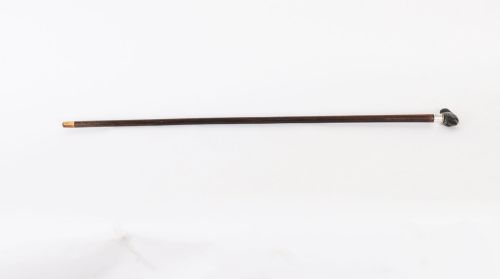
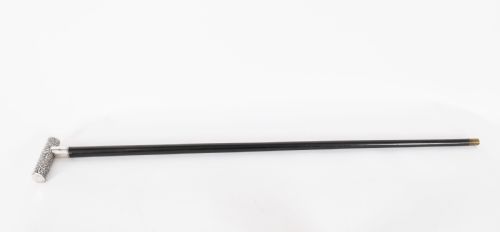
A vintage walking stick cane functions as a personal accessory, supporting daily mobility or housing concealed blades. Examples span the Victorian and Edwardian eras, incorporating stylistic influences from Art Nouveau and Art Deco periods alongside Chinese Export designs.
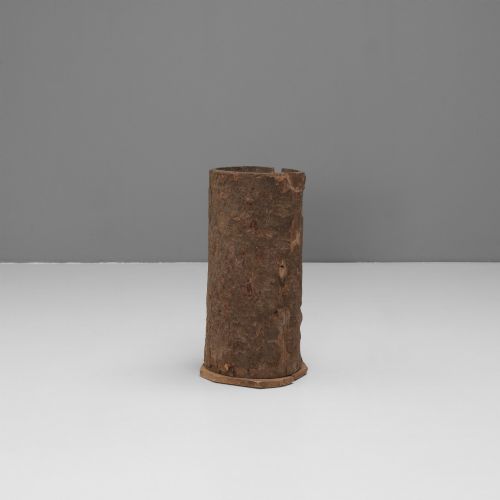
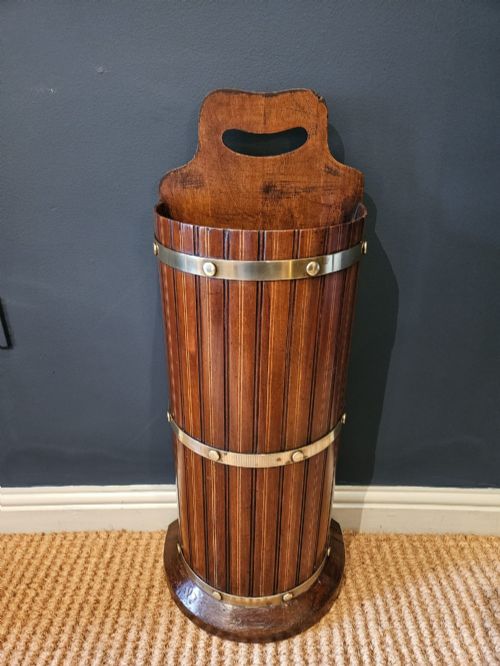
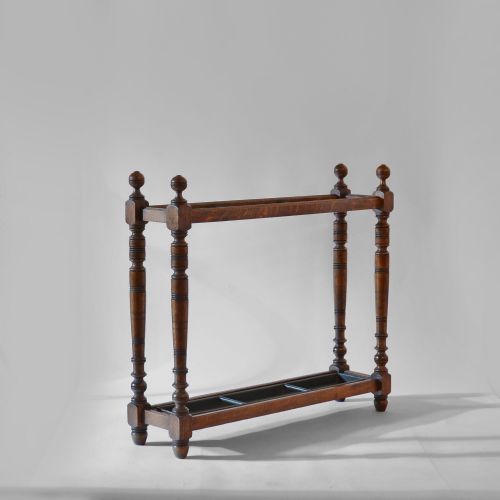
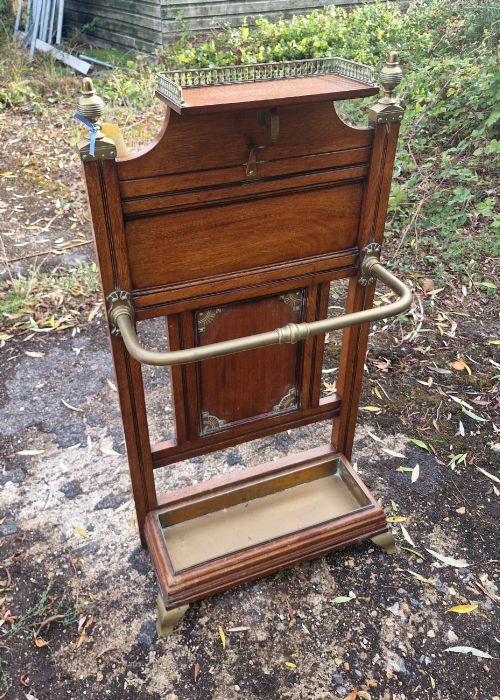
The selection on this page centres primarily upon traditional walking canes and heavier stick stands designed to hold them in a hallway. Materials vary from straightforward oak and bamboo to polished hardwood and metal forms.
Materials and construction methods
Shafts rely on resilient natural materials including oak, bamboo, hazel wood, partridge wood, and hardwood. These foundations are frequently paired with metal components such as brass, cast iron, and steel blades.
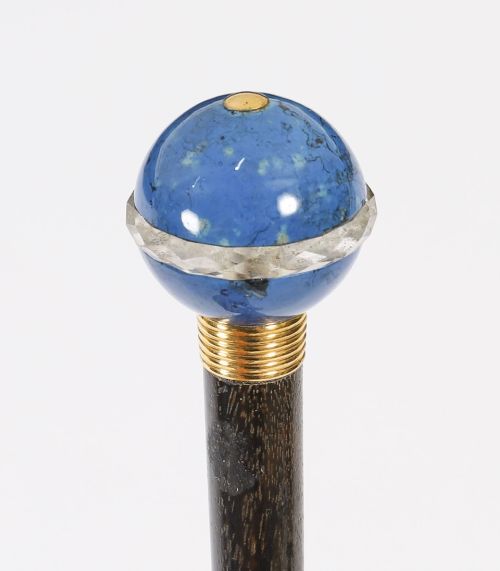
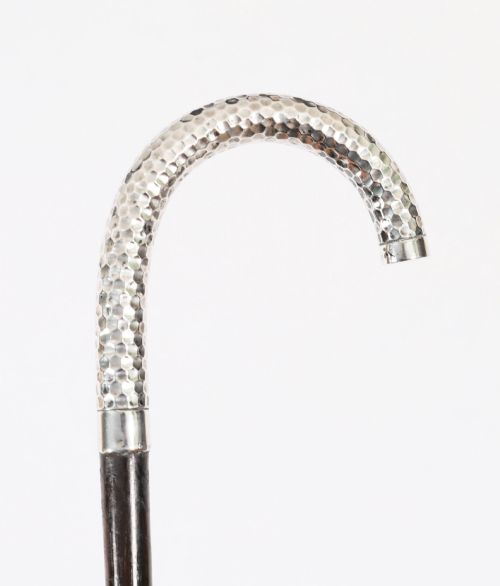
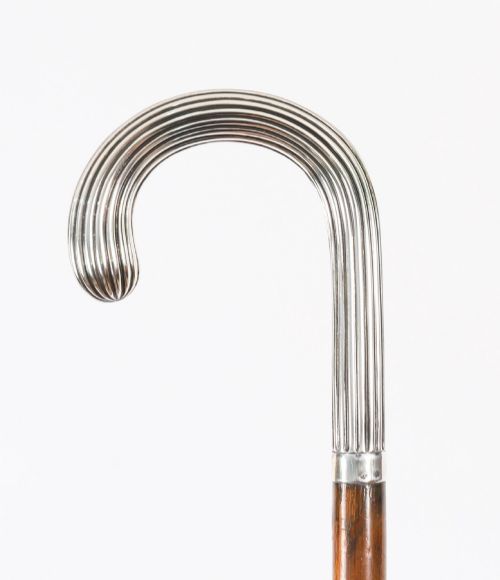
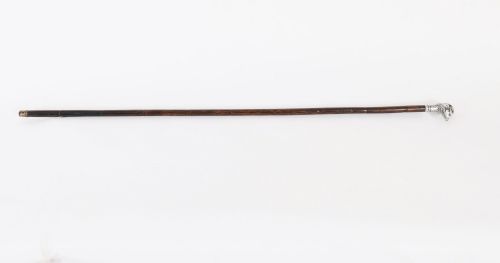
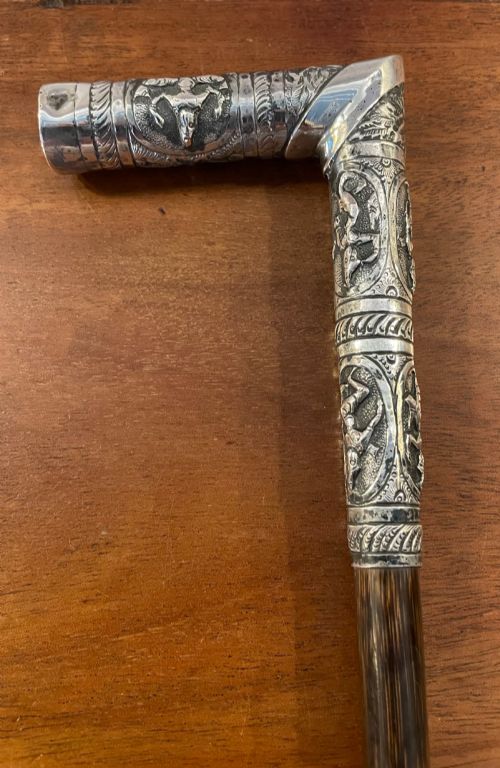
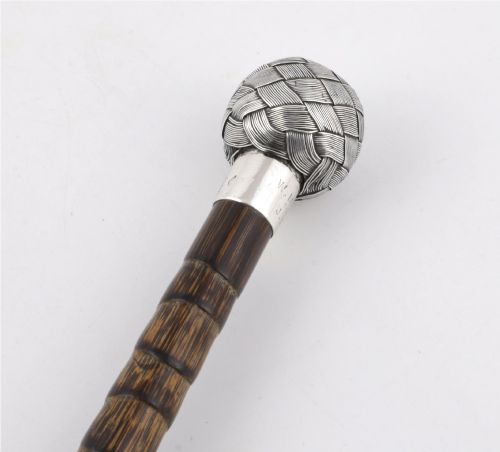
Handles and mounts demonstrate fine metalworking and decorative arts, utilising silver, gold plate, lapis lazuli, and Sevres porcelain. Makers also applied casting techniques to shape figural animal heads from duck and horse forms to greyhounds and novelty parrots.
Choose a novelty parrot handle when standard wooden crooks simply feel too quiet for an afternoon stroll.
Variations in quality and manufacture
Quality rests upon the execution of the handle and the integrity of the shaft. Hand-chiselled silver mounts, detailed porcelain plaques, and marked maker details elevate a piece above standard utility items.
The presence of specialised elements, such as functioning Toledo or Wilkinson blades inside sword sticks, reflects superior original commissioning.
Briggs·Thomas Johnson·Wilkinson·Coalbrookdale
The Vintage Walking Stick Cane Glossary
- Pommel
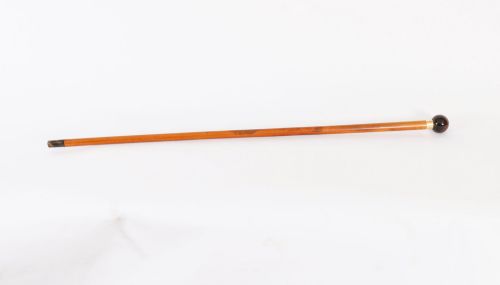
- The rounded handle or knob at the top of a cane. These elements often display precious metals or carved details.
- Sword stick
- A cane fitted with a concealed internal blade. Examples frequently feature steel blades by makers such as Wilkinson.
- Stick stand
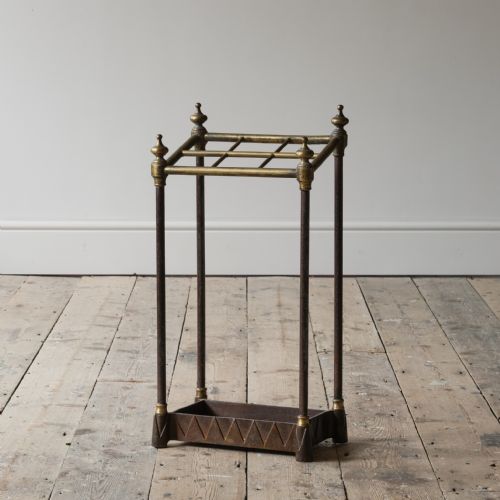
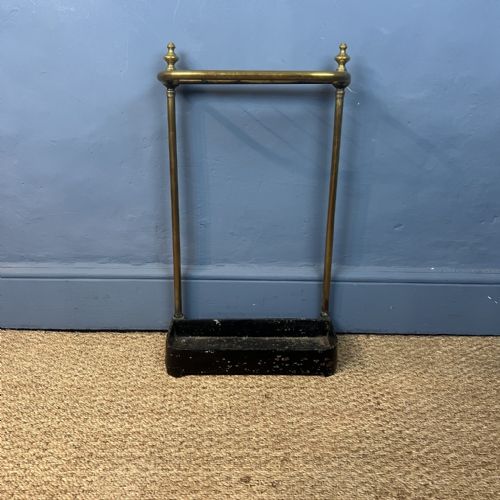
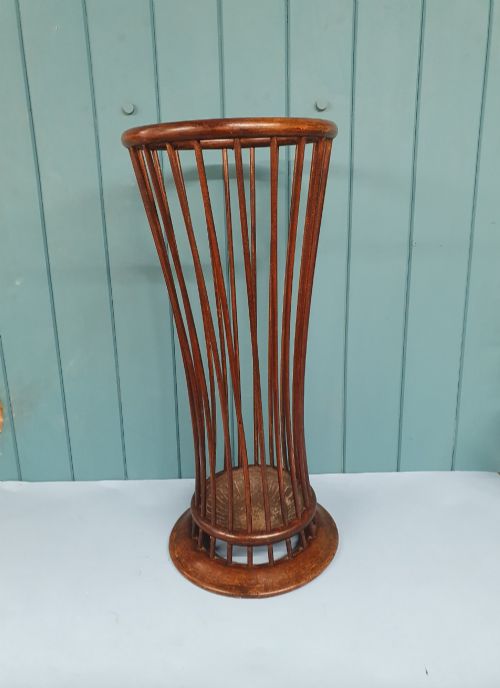
- A hall furniture piece constructed from brass, cast iron, or oak to organise umbrellas and canes. Many include original metal drip trays.
- Japanned
- A European imitation of Japanese lacquer work found on Edwardian stands. This decorative finish uses dark varnishes.
- Demi lune
- A half moon shape common in brass umbrella stands designed to sit flush against a hallway wall.
Vintage Walking Stick Cane: Frequently Asked Questions
What materials were used for these handles?
Handles incorporate solid silver, gold plate, and 18-carat gold pommels alongside carved materials like lapis lazuli and Sevres porcelain.
Animal forms cast in metal also appear frequently, depicting subjects like ducks, greyhounds, horses, and pheasants.
How do I identify a sword stick?
A sword stick contains a concealed steel blade within the wooden or bamboo shaft, often signed by blade makers such as Wilkinson or forged in Toledo.
These pieces were carried for personal defence during the nineteenth and early twentieth centuries.
What periods do these pieces represent?
The available examples date predominantly from the nineteenth century through the Edwardian era and the Art Deco period.
Specific stylistic influences include French Belle Epoque, Art Nouveau, and Chinese Export designs.
Where were stick stands placed?
Stick stands were positioned in hallways or entryways to hold walking sticks, canes, and umbrellas.
They were typically manufactured from durable materials like brass, cast iron, and oak, often featuring built-in metal drip trays to catch rainwater.