


Silver Collared Walking Cane
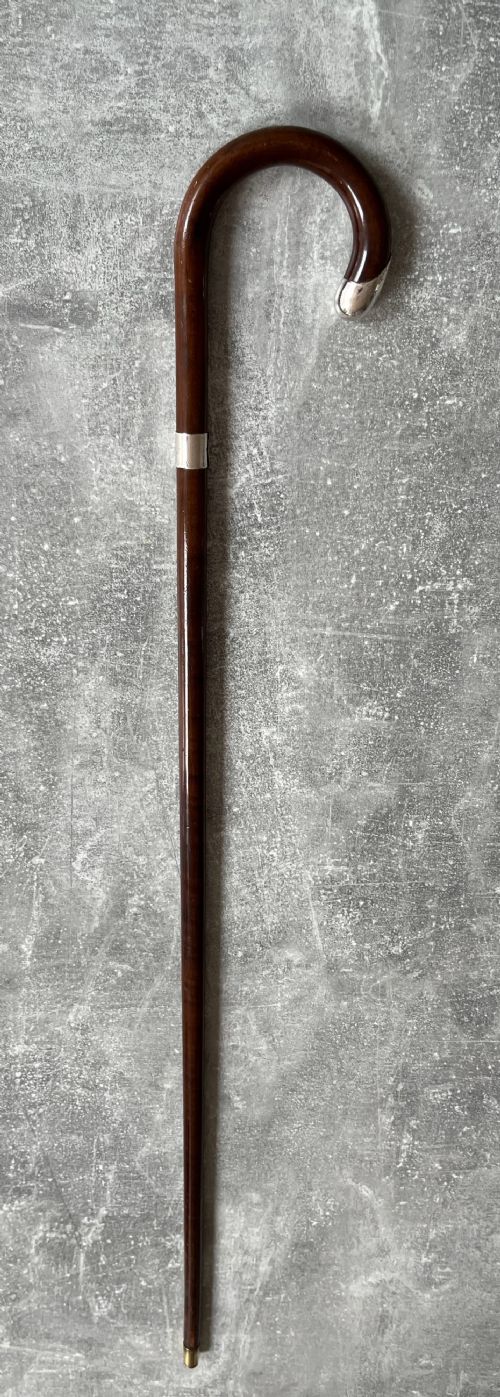
A silver collared walking cane is a gentleman's accessory combining utility and status, defined by precious metal mounts upon timber shafts.
Silver Collared Walking Cane
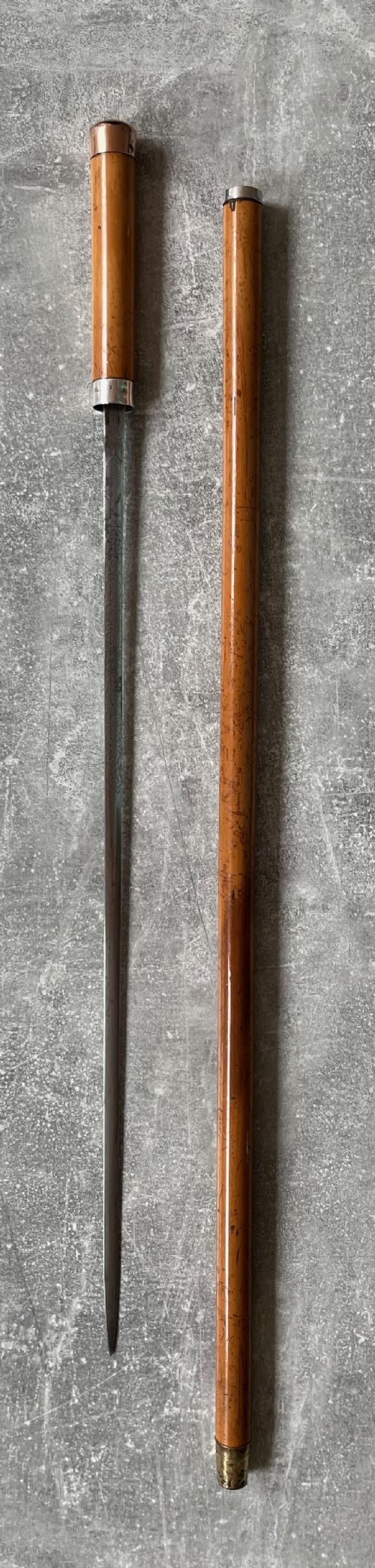
A silver collared walking cane is a traditional support and status object, often carrying concealed blades or functional compartments alongside standard handle designs. When exploring this selection, a buyer encounters pieces originating primarily from the Victorian and Edwardian periods, stretching from the late nineteenth century into the nineteen-thirties.
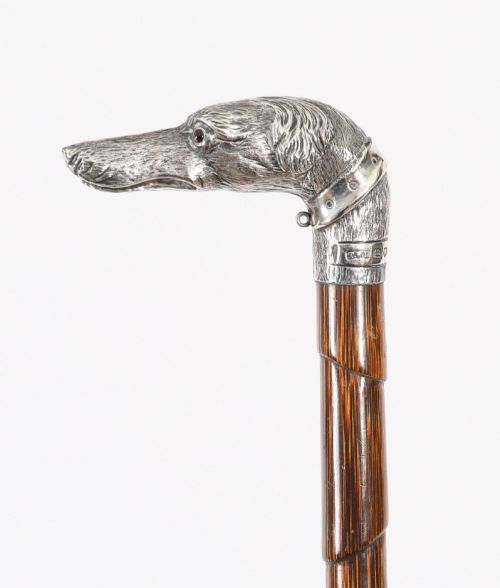
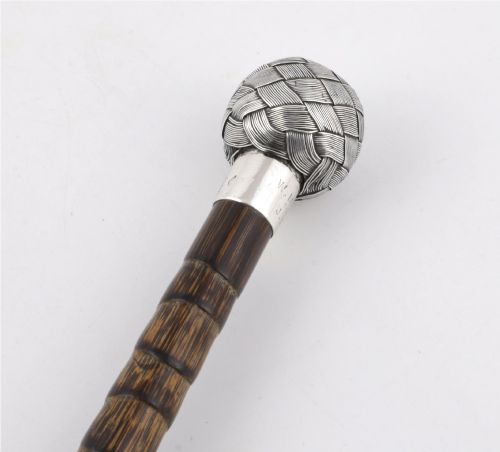
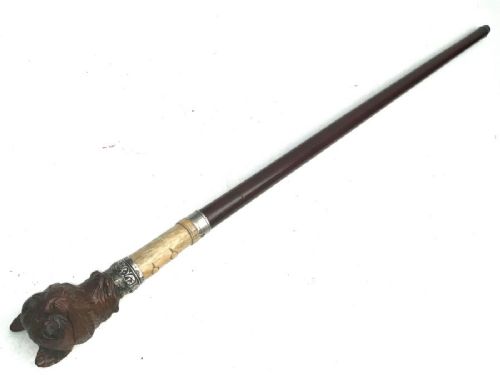
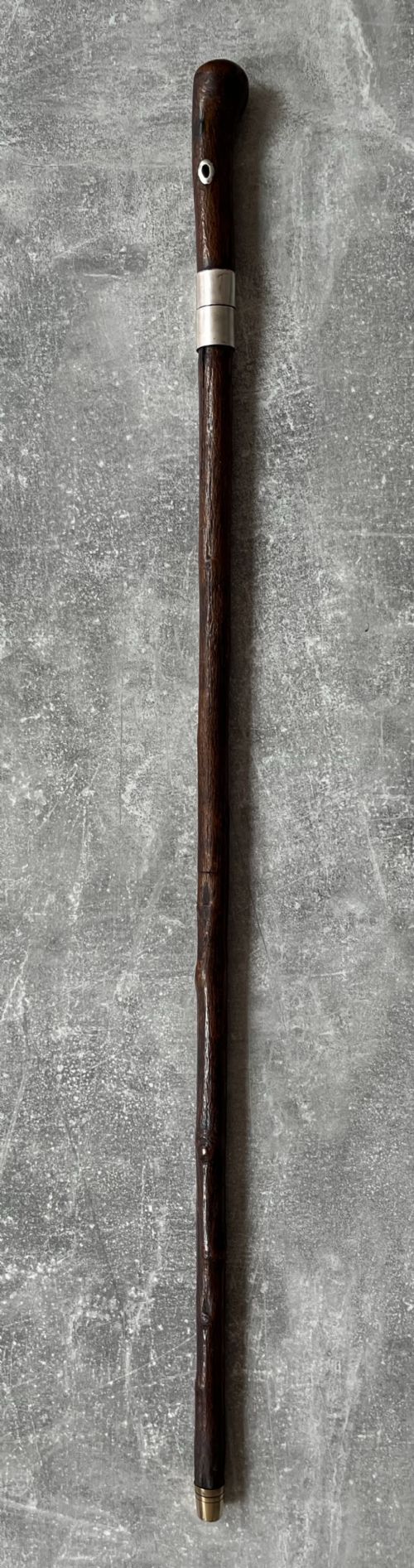
The shafts take various forms, utilising malacca cane, bamboo, palm wood, ebonised timber, and hazel wood alongside horn and antler handles. Many examples feature detailed metal collars or mounts, whilst others incorporate novel elements like animal heads, wire knots, or Masonic symbols.
The selection ranges from standard gentleman's walking sticks to specialised sword sticks bearing Wilkinson or Toledo blades, as well as gadget canes hiding corkscrews or snuff boxes. These items reflect the diverse manufacturing practices of British, European, and Anglo-Indian makers from the eighteen-hundreds onwards.
How they were made
Makers fashioned shafts from resilient natural woods and botanical stems like malacca and bamboo, often straightening and treating the timber to bear regular weight. Metalworkers then added silver collars, mounts, and cast handles, sometimes securing them with pins or internal threading.
Blades for concealed sword sticks were forged from high-grade steel, frequently by established sword makers such as Wilkinson, and fitted precisely into hollowed wooden channels. Other variations incorporated horn, bone, brass, and ebonised finishes to create durable, balanced walking aids.
Several Victorian walking sticks double as hidden toolkits, concealing four-leaf clover motifs, rabbit handles, and secret corkscrews.
What varies in quality
Quality rests upon the execution of the silver mounts and the structural integrity of the shaft and handle joint. Finer examples display crisp casting on figural handles, secure hallmarks, and robust internal blade mechanisms.
Simpler pieces rely on standard timber shafts with basic silver collars, whilst superior items integrate precious metals with specialised mechanisms like hidden corkscrews, snuff boxes, or maker-signed steel blades.
Henry Borlase Stevens·Wilkinson
The Silver Collared Walking Cane Glossary
- Silver collar
- A metal band encircling the upper shaft of the walking cane, often bearing hallmarks or decorative engraving.
- Malacca cane
- A resilient botanical stem derived from Southeast Asian rattan, prized for its mottled brown surface and structural strength.
- Sword stick
- A walking cane with a concealed blade housed inside the wooden shaft, secured by a friction fit or catch.
- Knop
- A rounded knob or handle at the top of a walking stick, carved from bone, horn, wood, or cast in metal.
- Ebonised
- Timber treated with a dark stain or finish to imitate expensive ebony wood.
Silver Collared Walking Cane: Frequently Asked Questions
What is a silver collared walking cane?
A silver collared walking cane is a traditional walking stick featuring a decorative or hallmarked silver band where the handle meets the wooden shaft. These items served as functional supports and markers of status for gentlemen during the Victorian and Edwardian eras.
Many examples include specialised additions such as concealed sword blades, snuff boxes, or corkscrews. The combination of precious metalwork and practical utility makes them distinct historical objects.
How do I date my walking cane?
Dating a cane relies on examining silver hallmarks, style periods, and construction methods. Victorian and Edwardian examples often display assay office stamps and date letters on the silver collar.
Materials like malacca cane, ebonised wood, and specific blade signatures also help narrow down the manufacturing era. Comparing the handle motifs, such as Art Deco parrot carvings or nineteenth-century animal heads, provides further chronological context.
Are sword sticks legal to own?
Ownership regulations for walking sticks containing concealed blades vary by jurisdiction and local legislation. Buyers should familiarise themselves with regional laws regarding antique edged weapons.
Historical sword sticks, including those with Wilkinson or Toledo blades, are collected primarily as historical artefacts and craftsmanship examples. Proper security and adherence to legal guidelines are essential when keeping these items.
How should I display a walking cane?
Walking canes are best displayed using wall-mounted racks or floor stands that support the shaft without putting pressure on the handle or collar. Keeping them away from direct sunlight and extreme temperature fluctuations preserves the wood and silver mounts.
Occasional light dusting and careful handling maintain the natural finish of the timber and the polish of the metal elements. Storing sword sticks securely ensures the internal blade remains protected.