


Vintage Vase Painting
Vintage vase painting brings together the study of ceramics and fine art, capturing botanical arrangements and vessels across canvas, board and paper.
Vintage Vase Painting
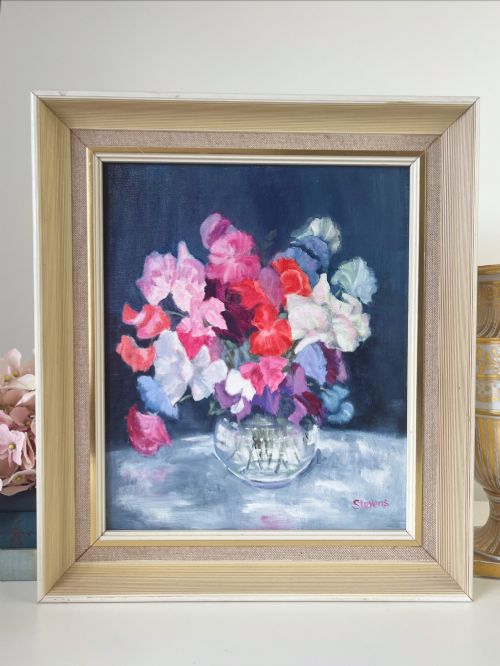
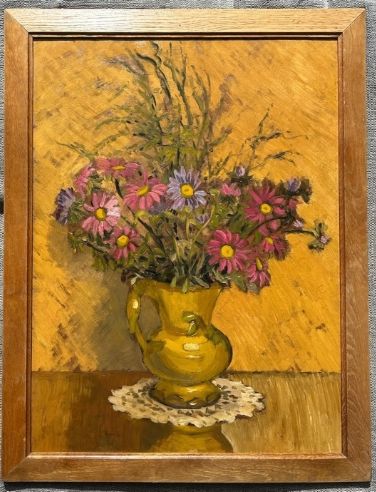
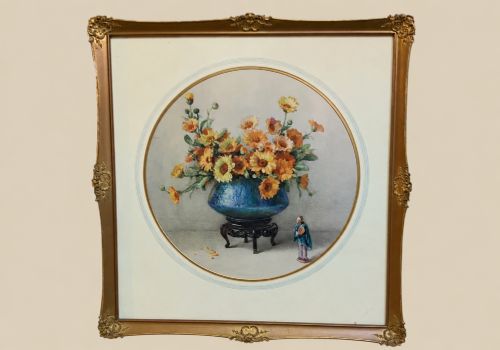
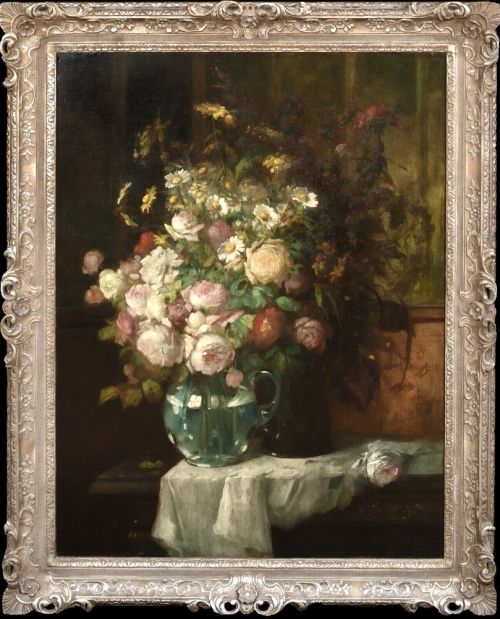
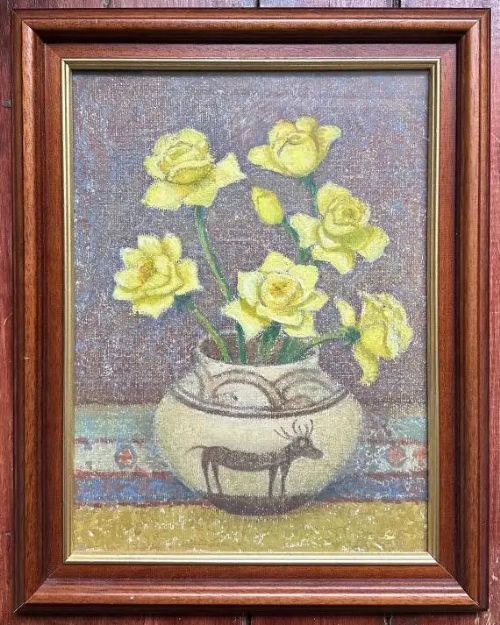
When you examine vintage vase painting, you encounter works that record floral arrangements alongside ceramic and glass vessels. The pieces span oil paintings on canvas or board, watercolours, and gouache studies created during the nineteenth and twentieth centuries.
The selection ranges from British impressionist studies to continental still lifes, often depicting traditional floral subjects like roses, peonies, and summer flowers. Many works focus closely on the interplay between the painted vessel and its botanical contents, highlighting form and colour.
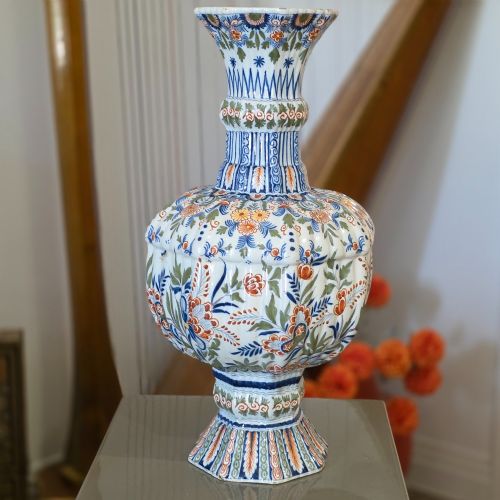
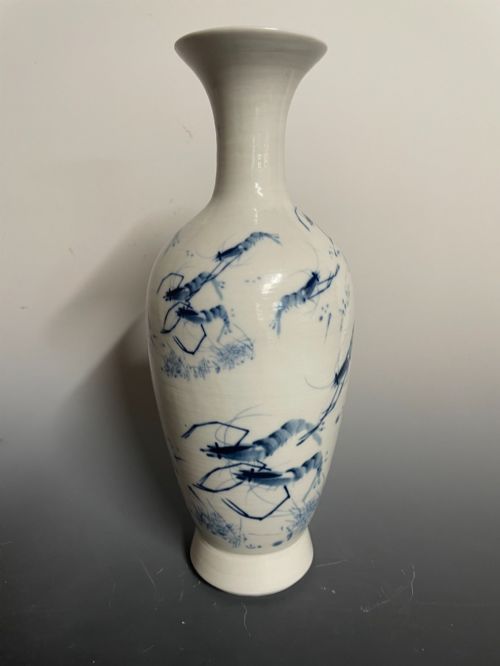
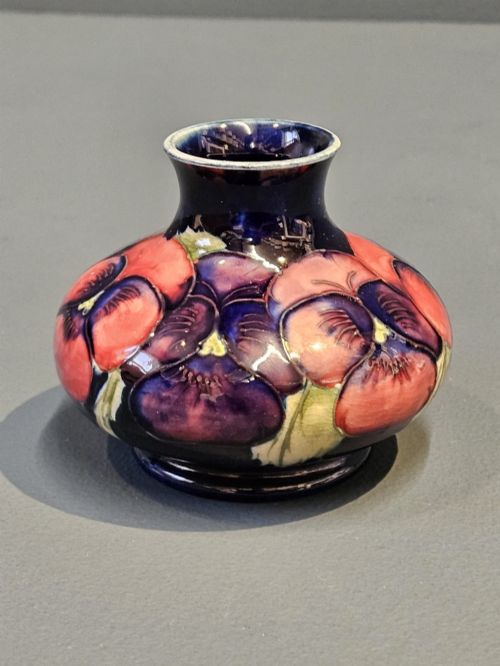
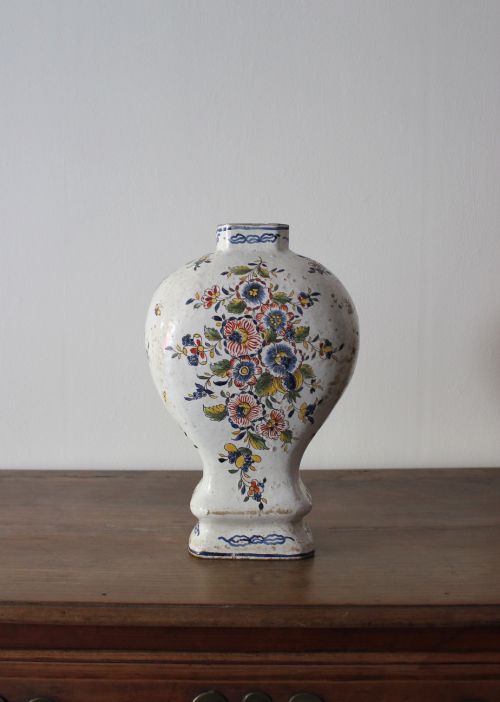
You also find pieces where the painted record intersects with actual ceramic history, showing specific styles of earthenware and porcelain. These artworks reflect the domestic interiors and artistic tastes of periods from the Victorian era through to the mid twentieth century.
How They Were Made
Artists working on these compositions utilised oil paint on canvas or wooden board, building up rich textures for both the flowers and the supporting vessels. Watercolours and gouache on paper were equally common, offering a lighter touch for botanical subjects.
The materials often included framed wooden supports, sometimes accompanied by gold leaf or canvas boards. Pigments were applied with varied brushwork, capturing the transparency of glass or the opaque finish of earthenware.
Several canvases manage to make humble garden marigolds look like they are judging your housekeeping.
What Varies in Quality
The distinction in these works rests upon the confidence of the brushwork and the harmony of the composition. Superior examples display a careful balance of light and shadow on the vessel, giving genuine depth to the painted flowers.
Subtlety in the handling of colour distinguishes the finer pieces from simpler decorative studies. The preservation of the original surface, whether canvas, board or paper, plays a significant part in the overall integrity of the work.
Kenneth Cozens·Konstantin Stoitzner·Emma Fordyce MacRae·William Thomas Wood·Owen Bowen·John Burns Robertson·Tom Whitehead·Albert Henrich·Alfred Van Neste·Florence R Walker·Eleanor Plumpton
The Vintage Vase Painting Glossary
- Still life
- A painting or drawing depicting inanimate subject matter, typically everyday objects such as flowers in a vessel. This genre allows artists to focus on composition and colour harmony.
- Oil painting
- Artwork created using pigments suspended in a drying oil, most commonly linseed oil. This medium permits rich colour blending and textured application on canvas or board.
- Watercolour
- A painting method in which the paints are made of pigments suspended in a water-based solution. It is traditionally applied to paper to achieve translucent effects.
- Gouache
- A water-based paint consisting of pigment and other inert materials designed to be opaque. It offers a heavier, more matte finish than standard watercolour.
- Impressionism
- An artistic movement characterised by relatively small, thin yet visible brush strokes and an emphasis on accurate depiction of light. Works in this style capture the transient effects of illumination.
Vintage Vase Painting: Frequently Asked Questions
What subjects appear in these paintings?
These artworks predominantly feature floral still lifes, showcasing arrangements of roses, peonies, and assorted garden flowers displayed inside decorative vessels.
The compositions frequently pair botanical elements with specific ceramic forms, such as blue and white jars, glass vases, or oriental pots.
Which periods do these artworks represent?
The pieces span from the nineteenth century through the mid twentieth century, encompassing Victorian, Edwardian, and later modernist approaches.
Mid-century oils and watercolours are particularly common, reflecting evolving domestic tastes across those decades.
How should I frame a painting on board?
Paintings executed on wooden boards require supportive framing that allows for natural expansion and contraction without restricting the panel.
Glazing is sometimes utilised for works on paper like watercolours, whereas oil paintings on board are typically displayed unglazed in traditional wooden frames.
How do I identify the medium used?
Close inspection under natural light reveals the textural qualities unique to each medium, such as the raised brushstrokes characteristic of oil paint.
Watercolours and gouache generally present a flat, matte surface on paper, whereas oil on canvas or board exhibits a distinct sheen and impasto.