


Mahogany Panel Painting
Mahogany panel painting brings together fine timber and oils, capturing subjects from portraits to landscapes on solid wood.
Mahogany Panel Painting
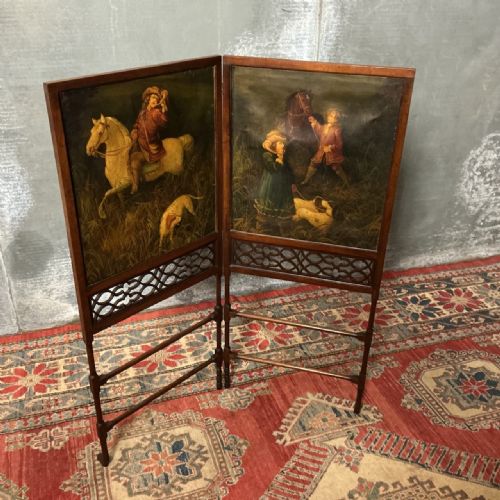
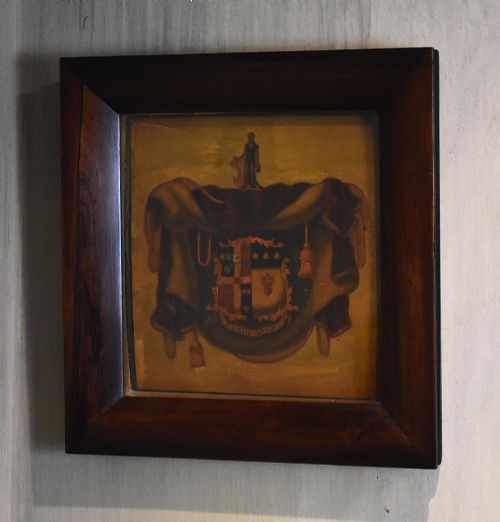
When you search for mahogany panel painting, you encounter works executed in oil on wooden supports, alongside items where painted panels form part of a larger furnishing.
The selections span the Georgian, Regency, Victorian, and Edwardian eras, including floral still lifes, portraits, and landscape scenes.
Some examples present as independent framed artworks, whilst others appear integrated into fire screens, pole screens, and display cabinets.
How they were made
Artists painted directly onto prepared mahogany panels, utilising oil paint to achieve smooth finishes and durable surfaces.
Cabinet makers framed these panels within rich mahogany structures, often incorporating glass, brass, or ormolu mounts depending on the period style.
Coach panels carry the heritage of horse-drawn travel directly into fine art.
What varies in quality
The finesse of the brushwork and the anatomical or botanical accuracy of the subject dictate the artistic merit of the painted panel.
The selection of the mahogany grain and the joinery of the surrounding frame or cabinet demonstrate the standard of craftsmanship.
Stephen Taylor·Sefton
The Mahogany Panel Painting Glossary
- Mahogany panel
- A flat board of dense tropical hardwood used as a rigid support for oil paintings instead of canvas.
- Oil paint
- A slow-drying medium composed of pigments suspended in a drying oil, allowing for subtle blending on wood.
- Vernis Martin
- A simulated Japanese lacquer technique developed in France, frequently seen on decorative cabinets housing painted panels.
- Pole screen
- A standing fireplace screen with an adjustable panel designed to shield a person's face from the heat of the fire.
- Ormolu
- Gilded bronze mounts applied to furniture and display cases to enrich the visual design.
Mahogany Panel Painting: Frequently Asked Questions
Why use mahogany instead of canvas?
Mahogany provided a perfectly rigid and stable surface for detailed brushwork, preventing the slackening or tears associated with woven textiles.
This solid wooden support appealed to artists working on smaller, highly finished portraits and landscapes.
How are panel paintings cleaned?
Cleaning requires delicate removal of surface dust using soft, dry implements to avoid scratching the aged oil paint or the polished mahogany.
Professional conservation is necessary for removing discoloured varnish or stabilising the wood.
Can these paintings be removed from their frames?
The painted panels are generally fitted securely within their original cabinet structures, screens, or dedicated frames as integral decorative components.
Attempting separation risks damaging both the fragile mahogany support and the surrounding antique housing.
How do I identify the period?
Dating relies on observing the painting style, costume details of any figures depicted, and the carpentry techniques of the mahogany frame.
Georgian and Regency pieces display different joinery and moulding profiles compared to Victorian or Edwardian examples.