

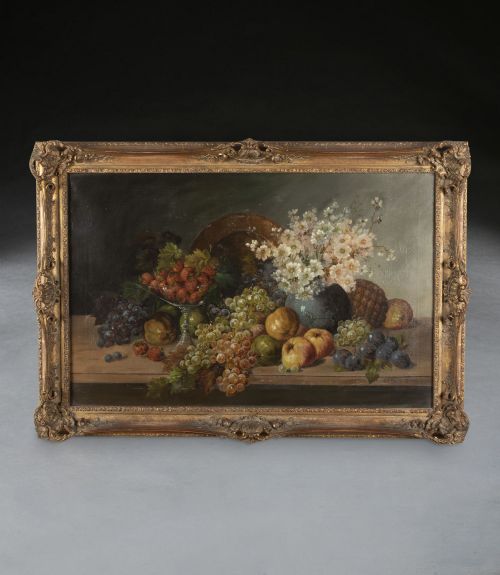
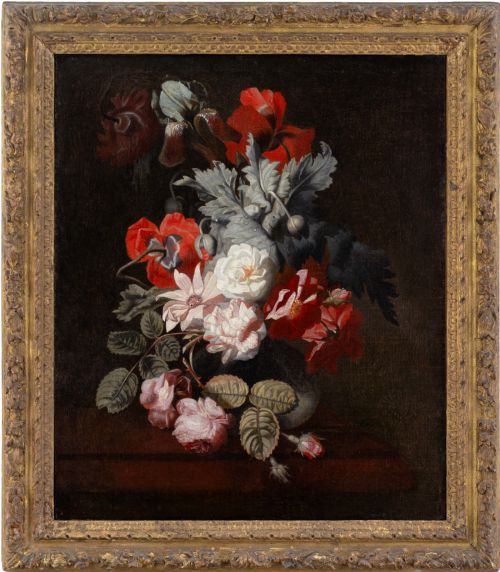


Dark Floral Oil Painting
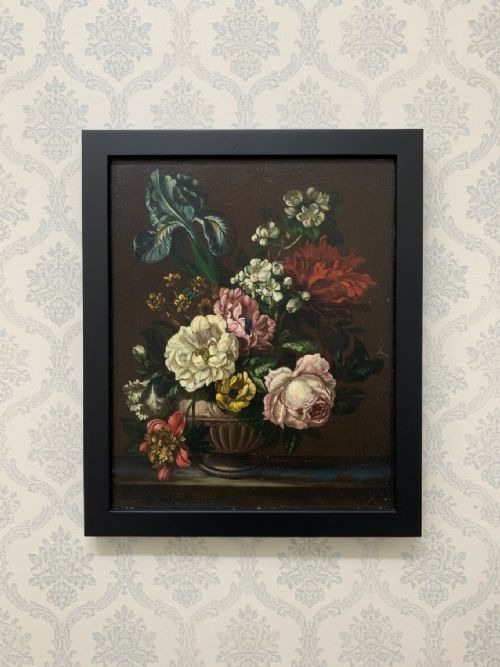
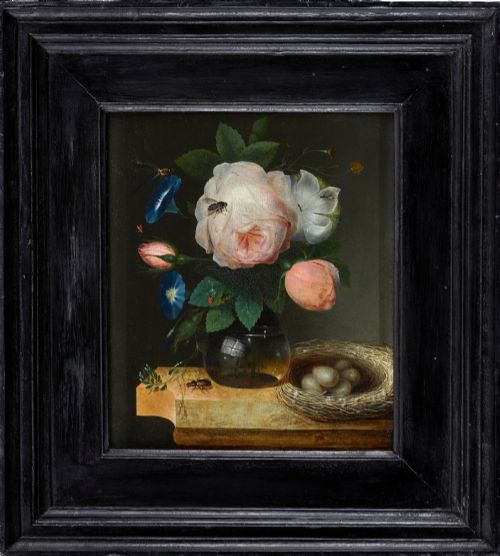
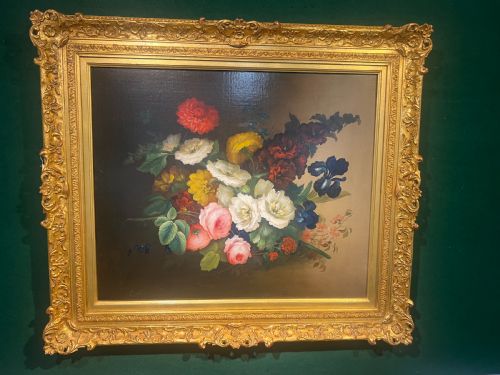
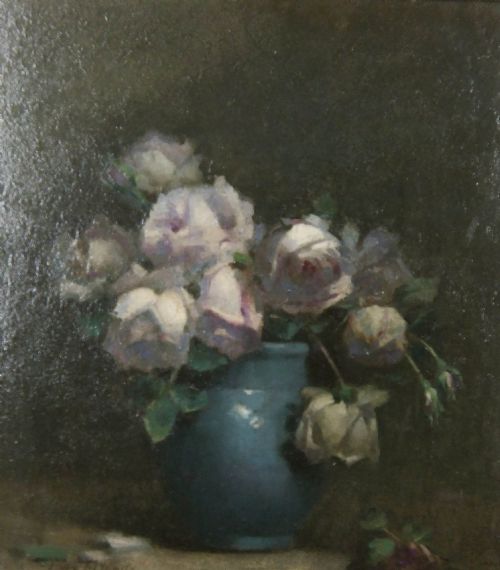
A dark floral oil painting captures deep blooms against shadowed grounds, offering rich atmosphere and striking tonal contrast for any interior.
Dark Floral Oil Painting
A dark floral oil painting typically presents botanical studies set against deep, moody backgrounds, drawing from traditions established across centuries. When searching for a dark floral oil painting, buyers encounter works ranging from seventeenth-century Dutch compositions to twentieth-century British impressionist pieces.
How they were made
Artists built these works using oil paint applied to canvas, wood panels, mahogany, or oak, often employing gesso to prepare the ground. Selected pieces incorporate gilded wood frames adorned with gold leaf to complement the rich pigments of the floral subjects.
Techniques range from the meticulous detail of Flemish baroque approaches to the looser brushwork seen in later British and French impressionist works.
Support materials include canvas, oak panels, mahogany panels, and wood frames enhanced with gold leaf.
What varies in quality
Quality rests in the handling of light across shadowed backgrounds and the precision of botanical rendering within the floral composition. Superior examples demonstrate confident brushwork and harmonious tonal depth, whereas simpler decorative pieces rely on standard formulae.
The sophistication of the panel or canvas preparation and the integrity of the original frame also distinguish finer works from standard outputs.
Gaspar Peeter Verbruggen·Edwin Steele·William Thomas Wood·Owen Bowen·Simon Pietersz Verelst·Calzolari·Pierre Joseph Redoute·James Stuart Park·Margaret Evangeline Wilson·Herbert Davis Richter·Terence Loudon·Kershaw Schofield
The Dark Floral Oil Painting Glossary
- Oil paint
- A slow-drying medium consisting of pigments suspended in a drying oil, typically linseed, allowing for subtle blending and rich colour depth. This material defines the primary medium across all listed works.
- Gesso
- A plaster-like mixture used as a surface preparation for wood panels or canvas before applying oil paint. It provides a smooth, stable ground for the artist.
- Panel
- A rigid support made from timber such as oak or mahogany used for painting instead of stretched canvas. Wooden supports are common in earlier European traditions.
- Baroque
- An artistic style originating in the seventeenth century characterised by dramatic contrast, deep shadows, and rich detail. Baroque floral compositions emphasise intense theatricality through lighting.
Dark Floral Oil Painting: Frequently Asked Questions
What periods do these paintings cover?
The works span from the seventeenth century through the Victorian era up to the mid-twentieth century. They reflect shifting regional tastes across British, French, and Dutch schools.
Earlier pieces often echo the dramatic chiaroscuro of the Dutch Golden Age, while later examples embrace impressionist techniques.
How should I hang a dark floral oil painting?
These pieces suit spaces where rich tones can anchor the room, particularly against neutral or dark wall colours. Proper placement avoids direct sunlight to protect the oil pigments over time.
Pairing the canvas with its period frame ensures the work sits correctly within a traditional interior.
What is the difference between canvas and panel supports?
Canvas provides a flexible woven surface stretched over a wooden frame, becoming common in later centuries. Wood panels offer a rigid base favoured by earlier European masters.
Both materials require stable environmental conditions to prevent warping or cracking of the paint layer.
How do I identify a Dutch school floral painting?
Dutch school paintings typically feature meticulous attention to botanical detail arranged within dark, atmospheric spaces. They often include insects, water droplets, or fallen petals alongside the main floral subject.
Compositions prioritise balance and dramatic lighting rather than flat decorative symmetry.