


Vintage Vanity Dressing Case
A vintage vanity dressing case is a portable personal sanctuary designed to carry grooming and cosmetic essentials in style.
Vintage Vanity Dressing Case
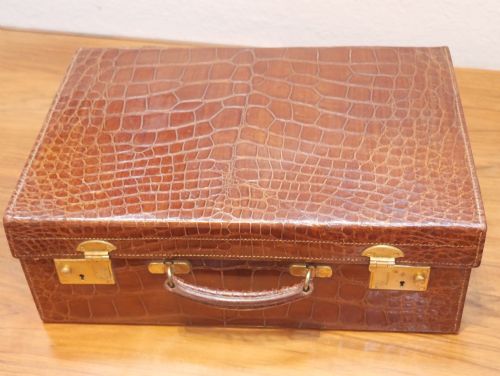
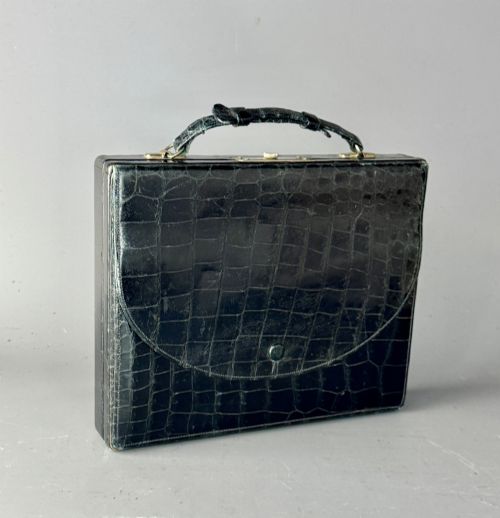
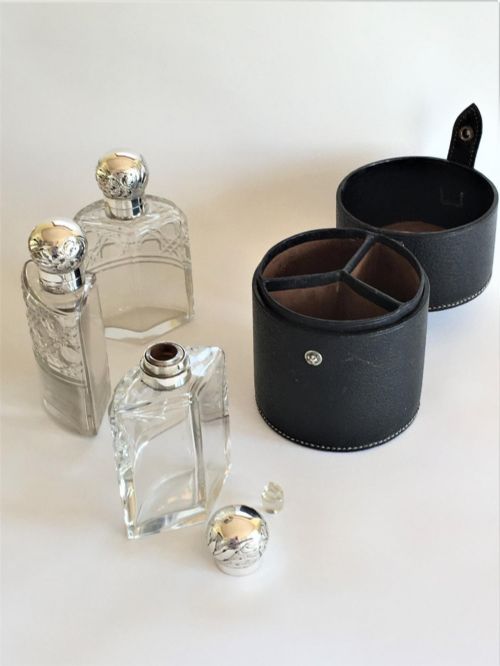
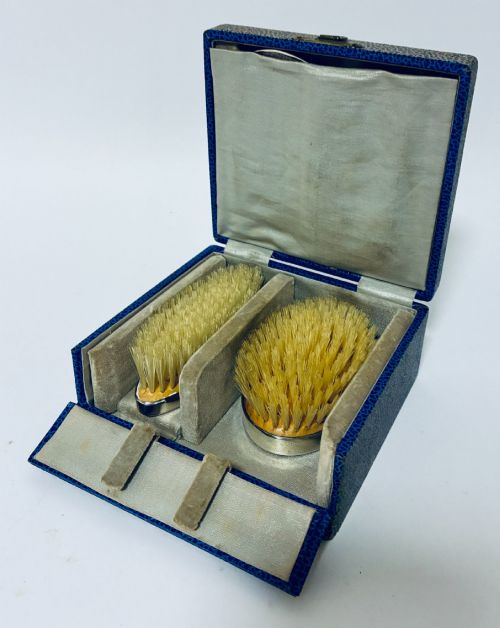
A vintage vanity dressing case brings together personal organisation and travel practicality from past eras, spanning periods from Regency to Art Deco. You will encounter forms ranging from compact leather jewellery boxes and fitted gentleman's valet suitcases to fully equipped nineteenth-century travelling chests.
These pieces served travellers and society figures who required their daily grooming rituals to accompany them across journeys. The selection reflects domestic and international travel habits through fitted interiors, compartments, and integrated silver or glass accessories.
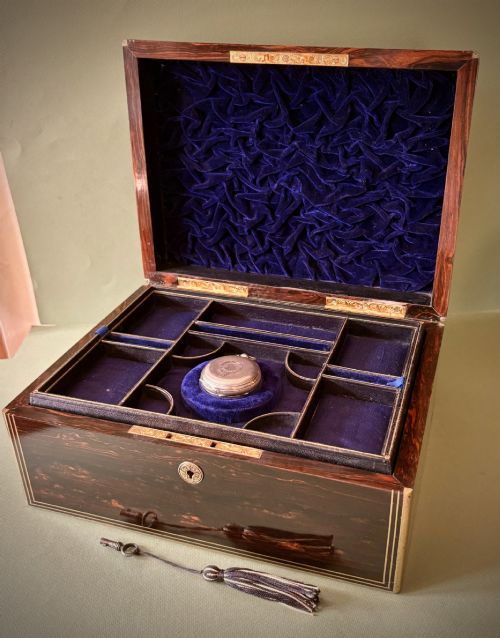
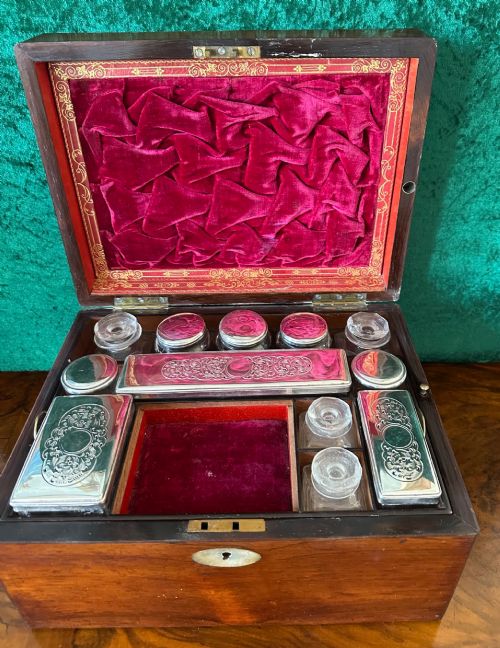
Victorian and Edwardian examples dominate the range, often employing rich timbers like rosewood and coromandel alongside durable leathers. These items function equally well today as display objects on dressing tables or as functional storage for modern valuables.
Distinguishing quality across the range
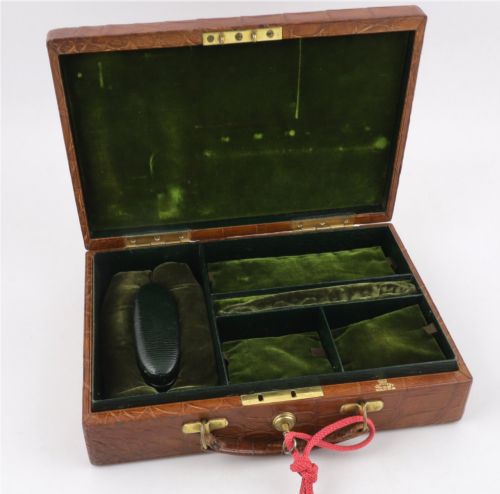
Quality rests upon the completeness of the fitted interior and the preservation of its original glass, silver, and textile elements. Cases retaining their matching sets of bottles, brushes, and instruments command greater interest than those with depleted contents.
The choice of exterior material and the precision of the cabinetwork further define the tier of a piece. Solid exotic hardwoods, robust brass binding, and carefully stitched crocodile leather separate standard utility luggage from luxury commissioned items.
Several gentleman's sets include specific seven-day razor collections, ensuring a different blade for every single morning of the week.
Dunhill London·J C Vickery·Cartier London·Harrods
The Vintage Vanity Dressing Case Glossary
- Coromandel
- A dense, heavily figured Southeast Asian hardwood utilised for luxury nineteenth-century boxes. It provides a dark, striped appearance that distinguishes high-end vanity cases.
- Fitted interior
- An internal arrangement of custom compartments, trays, and slots designed to hold specific grooming tools and bottles securely. This layout is central to the utility of a dressing case.
- Valet case
- A gentleman's travelling luggage piece configured for shaving sets, grooming brushes, and spare collars. These items reflect traditional masculine travel routines.
- Campaign style
- Furniture and travel accessories built for military officers and travellers, incorporating brass corners and flush handles for durability. Such designs prioritise modular strength and portability.
Vintage Vanity Dressing Case: Frequently Asked Questions
What is a vintage vanity dressing case?
A vintage vanity dressing case is a portable container outfitted to hold cosmetics, grooming tools, jewellery, and personal accessories during travel. These objects functioned as mobile dressing tables for Victorian and twentieth-century travellers.
Inside, you typically find fitted compartments lined in silk or velvet alongside silver-topped glass bottles and razors. They combine practical utility with decorative craftsmanship from periods like the Edwardian era and Art Deco.
How were these cases used?
Owners used these cases to transport personal grooming items, perfumes, and valuables securely on train journeys, steamships, and horse-drawn carriages. The fitted interior kept each delicate glass bottle and silver instrument locked safely in place.
Upon arrival at a destination, the case opened to serve as an organised vanity station on a hotel or household dressing table. Gentlemen and ladies relied on distinct configurations tailored to their specific daily routines.
How do I date a dressing case?
Dating relies on material choices, construction styles, and hallmarks stamped on silver components or locks. Victorian and Edwardian examples often feature heavy rosewood or brass-bound leather, while Art Deco pieces display streamlined geometric forms.
Silver bottle lids and instruments frequently bear assay office marks and date letters that pinpoint the exact year of manufacture. Cabinet locks stamped with maker names or royal ciphers offer further chronological clues.
How do I care for leather and wood?
Preserving these materials requires keeping them away from direct sunlight and extreme humidity, which can dry out leather and warp timber carcasses. Conditioning vintage leather gently maintains its flexibility without darkening the surface.
Wooden exteriors benefit from occasional dusting and minimal waxing appropriate for antique furniture finishes. Interior silk and velvet linings should be kept dry and protected from dust accumulation.
Can I use a vintage case today?
You can use these cases to store modern jewellery, watches, or keepsakes on a dressing table or desk. Their internal compartments remain well-suited for organising small modern accessories.
While they serve admirably for home display and storage, contemporary travel conditions make historic cases better suited for stationary use than daily transit. Treating them as decorative storage preserves their delicate historical fittings.