


Vintage Uzbek Embroidery Panel
These vintage uzbek embroidery panel examples bring vibrant Central Asian needlework into modern spaces as striking wall hangings and textiles.
Vintage Uzbek Embroidery Panel
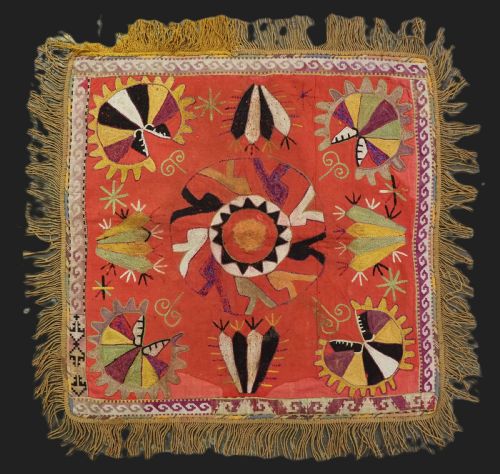
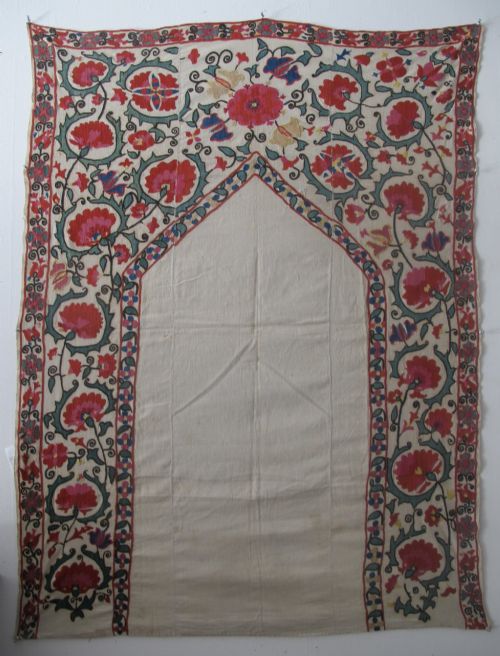
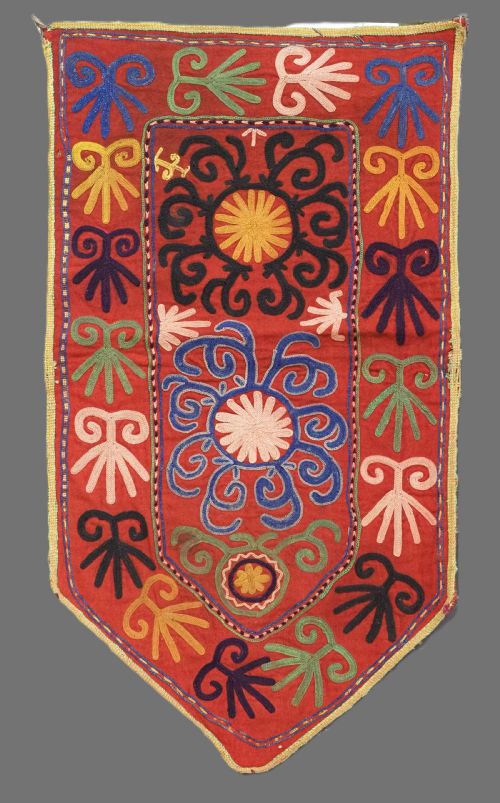
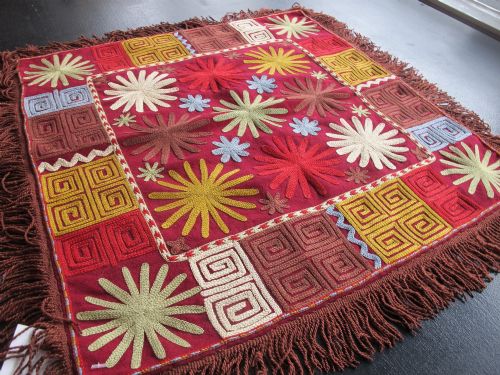
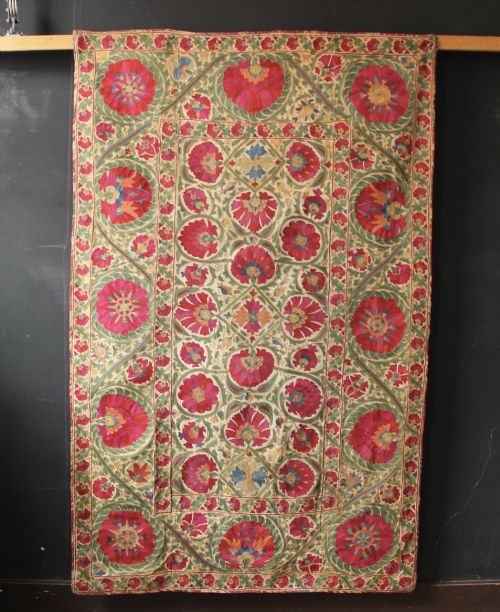
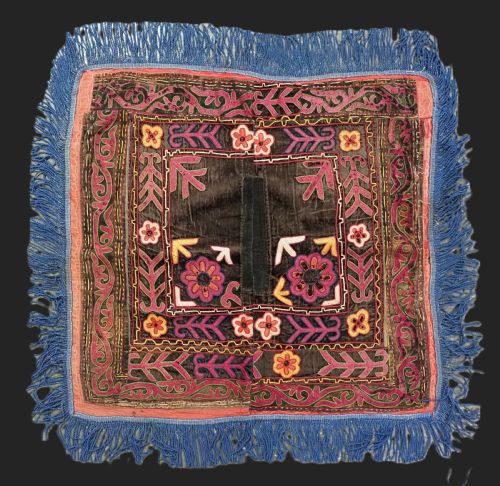
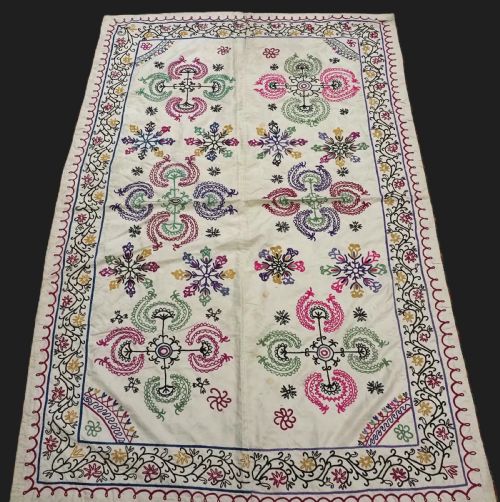
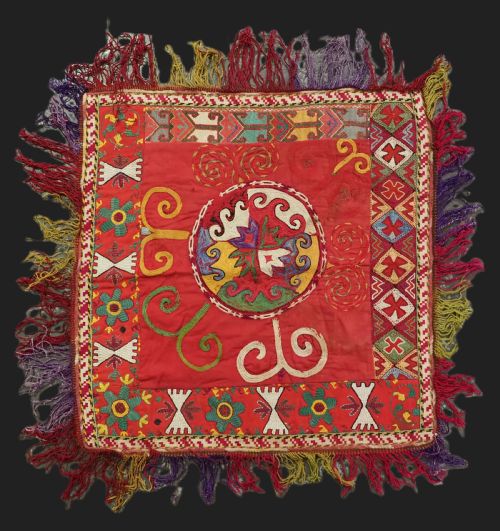
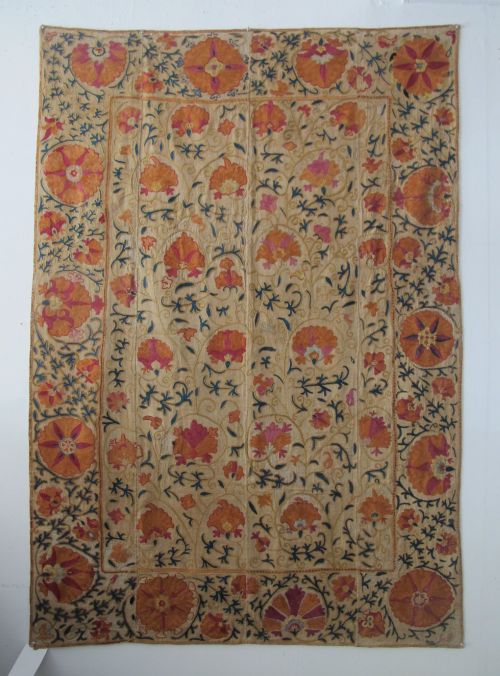
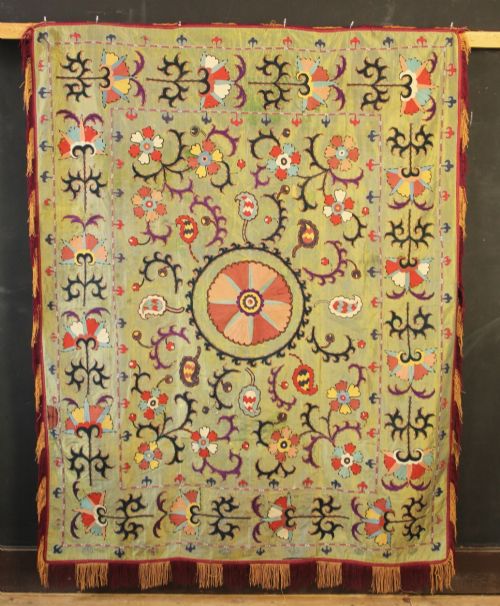
Buyers encounter distinct regional types such as Bokhara suzanis, Tashkent palak designs with central stars, and smaller Lakai tribe dowry pieces. These textiles served various roles in traditional households, functioning as wall decorations, prayer covers, or ceremonial furnishings.
The physical formats vary from large full scale suzanis measuring over two metres down to compact square embroidery panels and amulets. Most examples originate from historical centres of textile production like Bokhara, Samarkand, and Shakrisabz.
How they were made
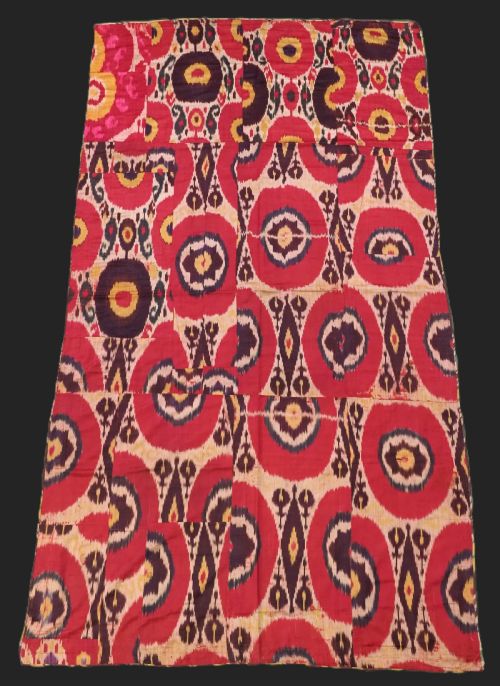
Artisans typically embroidered with fine silk thread onto ground fabrics made from cotton, wool, velvet, or adras, which is a traditional silk and cotton blend. The ground fabrics frequently display woven ikat patterns or solid dyed colours such as red, black, green, or yellow.
Needlework techniques involve detailed hand stitching executed across panels that range from partially worked compositions to fully embroidered palak surfaces. The combination of lustrous silk threads against matte cotton or wool grounds creates the characteristic texture of these Central Asian textiles.
Current listings feature silk embroidery on cotton, wool, velvet, and adras grounds spanning the nineteenth and early twentieth centuries.
What varies in quality
Quality differences emerge in the fineness of the needlework, the complexity of the floral or architectural composition, and the preservation of the ground fabric and silk threads. Pieces with fully worked surfaces, such as Tashkent palaks, demonstrate greater labour intensity than partially embroidered designs.
The harmony and richness of the natural or early synthetic dye palette also separate standard examples from superior works. Furthermore, the structural integrity of the base cotton, wool, or adras ground dictates the overall condition and durability of the textile.
The Vintage Uzbek Embroidery Panel Glossary
- Suzani
- A large embroidered Central Asian wall hanging or textile panel, traditionally stitched in silk on a cotton or linen ground. These pieces often display bold floral and botanical motifs.
- Lakai
- A nomadic or semi nomadic Central Asian tribe known for distinct geometric and figurative embroidery styles. Their work frequently appears on smaller dowry items and horse covers.
- Adras
- A traditional woven fabric composed of a silk warp and a cotton weft. This material serves as a common ground for Central Asian embroidery panels.
- Palak
- A fully embroidered Tashkent suzani style dominated by large central star motifs and dense botanical filling. The name translates to sky, reflecting the celestial imagery.
- Ikat
- A dyeing and weaving technique where yarn is resist dyed prior to the weaving process. Fabric panels utilising this method appear alongside direct embroidery.
- Ilgich
- A small embroidered hanging or utility bag associated with Central Asian tribal groups. These items formed part of traditional dowry ensembles.
Vintage Uzbek Embroidery Panel: Frequently Asked Questions
How were these embroideries used?
Historical households utilised these textiles primarily as wall hangings to adorn the interior living spaces of nomadic and settled communities. Specialised pieces also served as ceremonial covers, prayer panels, or dowry furnishings.
Smaller formats, such as ilgich panels and amulets, fulfilled specific decorative or functional roles within the domestic tent or house.
How do I care for an antique textile?
Protect antique embroidery panels from direct sunlight to prevent the silk threads and dyed ground fabrics from fading. Mounting the textile professionally helps distribute its weight evenly when displayed on a wall.
Avoid moisture, humidity, and direct washing, opting instead for gentle surface dusting by a specialist conservator if maintenance is required.
How can I tell regional styles apart?
Regional attribution relies on observing the specific motifs, ground fabrics, and embroidery structures present in the textile. Tashkent pieces often feature dense palak star designs, while Bokhara and Samarkand examples frequently highlight large scale floral compositions.
Lakai tribal pieces typically present smaller, highly geometric or talismanic formats executed on varied coloured grounds like red wool or black cotton.