
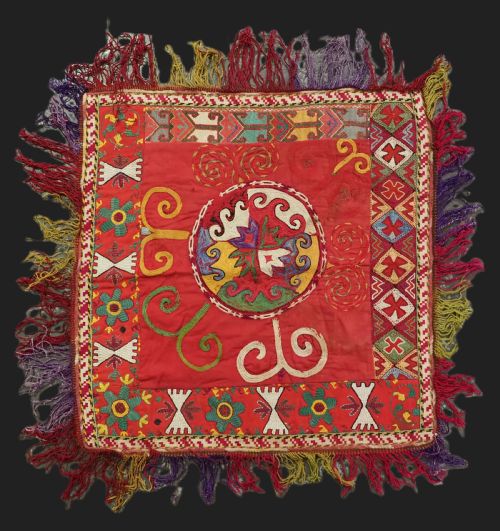


Uzbek Ilgich Hanging
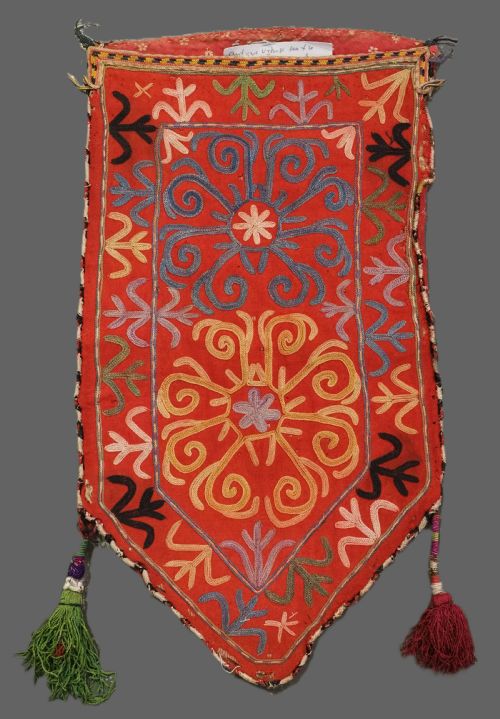
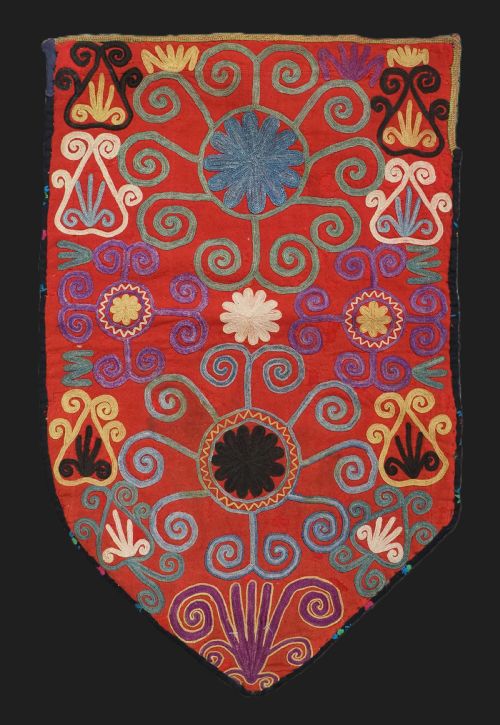
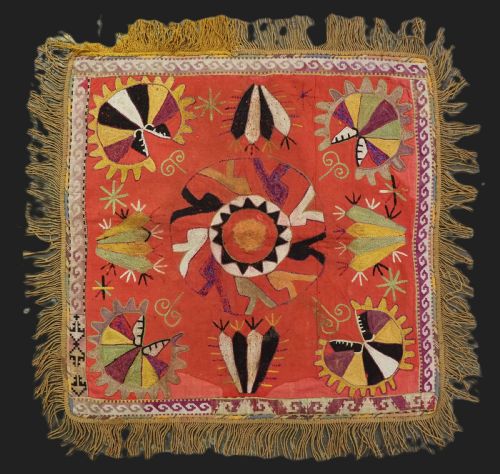
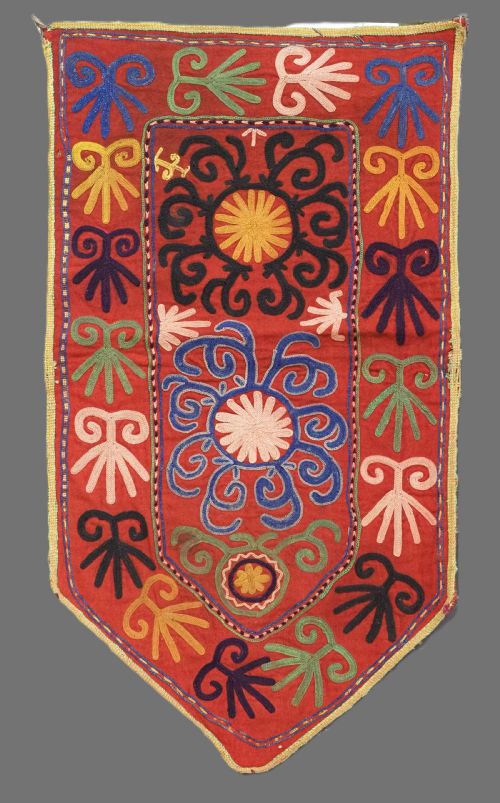
These striking uzbek ilgich hanging textiles bring vibrant Central Asian nomadic heritage directly onto the wall.
Uzbek Ilgich Hanging
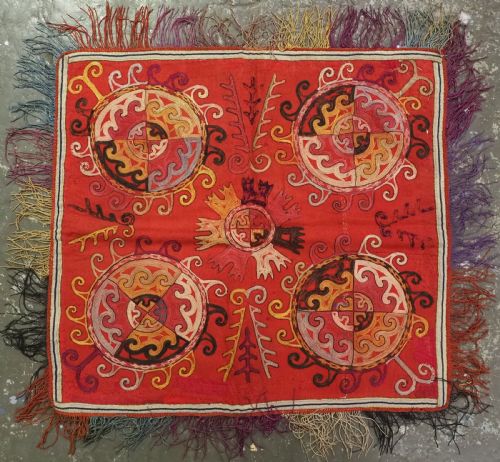
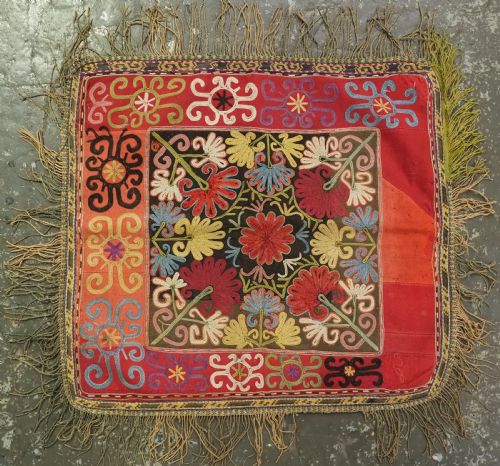
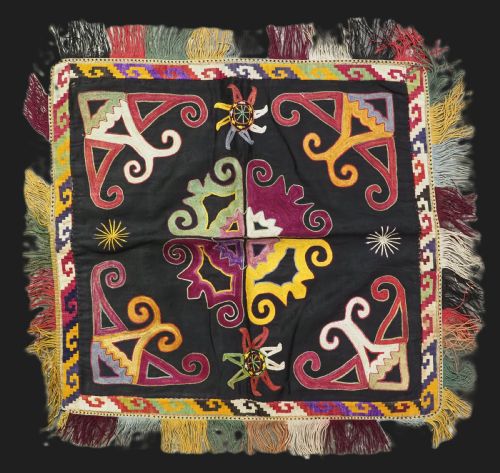
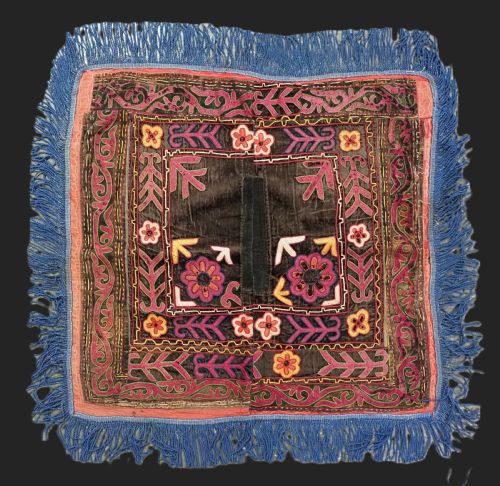
An uzbek ilgich hanging comprises traditional Central Asian tribal embroidery created as dowry pieces or tent bags. Buyers encounter works originating from nomadic groups such as the Lakai tribe, specifically associated with regions like Shakrisabz. These textiles function as decorative wall hangings that display remarkable cultural artistry.
The objects typically date from the late nineteenth century, spanning the eighteen-eighties through to nineteen hundred. Formats include standard wall hangings alongside specific utility bag forms like the uut kap and at torba. Each piece reflects the distinctive textile art traditions of Central Asian nomads.
Materials and construction methods
Artisans constructed these textiles using combinations of silk, cotton, wool, and velvet. Embroiderers frequently applied silk thread onto grounds made of wool or other woven fabrics. Certain examples feature specific foundations like mogul red wool ground.
Needlework forms the primary decorative technique across the corpus. Makers produced dense surface embroidery executed by tribal craftspeople. The resulting compositions demonstrate traditional Central Asian needlework skills.
Nomadic embroiderers packed these dowry pieces with so much silk thread that the heavy wool grounds occasionally warp from pure enthusiasm.
Distinctions in quality and execution
Execution depends upon the intricacy of the embroidery and the complexity of the tribal design. Pieces vary according to the richness of the material palette, such as silk work upon wool. The density of the stitching dictates visual depth.
Format also influences the piece, with double faced variations offering distinct structural properties. Condition and material preservation shape the overall character of each surviving textile.
The Uzbek Ilgich Hanging Glossary
- Ilgich
- A Central Asian embroidered wall hanging. These textiles were traditionally produced as dowry items by tribal makers.
- Lakai
- A Central Asian nomadic tribe known for distinctive tribal embroidery. Their work forms a major portion of these textile art pieces.
- Uut kap
- A type of tent bag used by nomadic groups. These utility items often double as decorative wall hangings.
- At torba
- A horse gear bag or small hanging associated with Central Asian tribes. Examples appear among the recorded textile art.
- Shakrisabz
- A geographic region in Uzbekistan noted for its textile traditions. Pieces from this location reflect specific local styles.
Uzbek Ilgich Hanging: Frequently Asked Questions
What is an ilgich?
An ilgich is a traditional embroidered textile created by Central Asian tribal groups. They served primarily as dowry items or decorative elements.
Today collectors display them as wall hangings to showcase nomadic textile art.
How old are these hangings?
The available pieces date from the late nineteenth century. Specific examples span the eighteen-eighties through to circa nineteen hundred.
This places them firmly within the traditional period of Central Asian tribal production.
What materials were used?
Makers utilised combinations of silk, cotton, wool, and velvet. Silk embroidery thread is commonly found applied to woven wool or cotton grounds.
Certain pieces feature distinct foundations such as red wool.
Where did they originate?
These textiles originate from Central Asia, specifically associated with Uzbekistan and groups like the Lakai tribe. Specific pieces trace back to regions such as Shakrisabz.
They reflect the nomadic culture of the area.
How do I hang a textile?
Wall hangings require careful mounting to support the historic fabric evenly. Professional framing or specialist textile sleeves prevent strain on the silk and wool.
Direct sunlight should be avoided to protect the natural dyes.