


Silk on Wool Embroidery
Silk on wool embroidery brings together lively tribal hangings and pastoral pictures, offering rich textures and varied cultural histories for the home.
Silk on Wool Embroidery
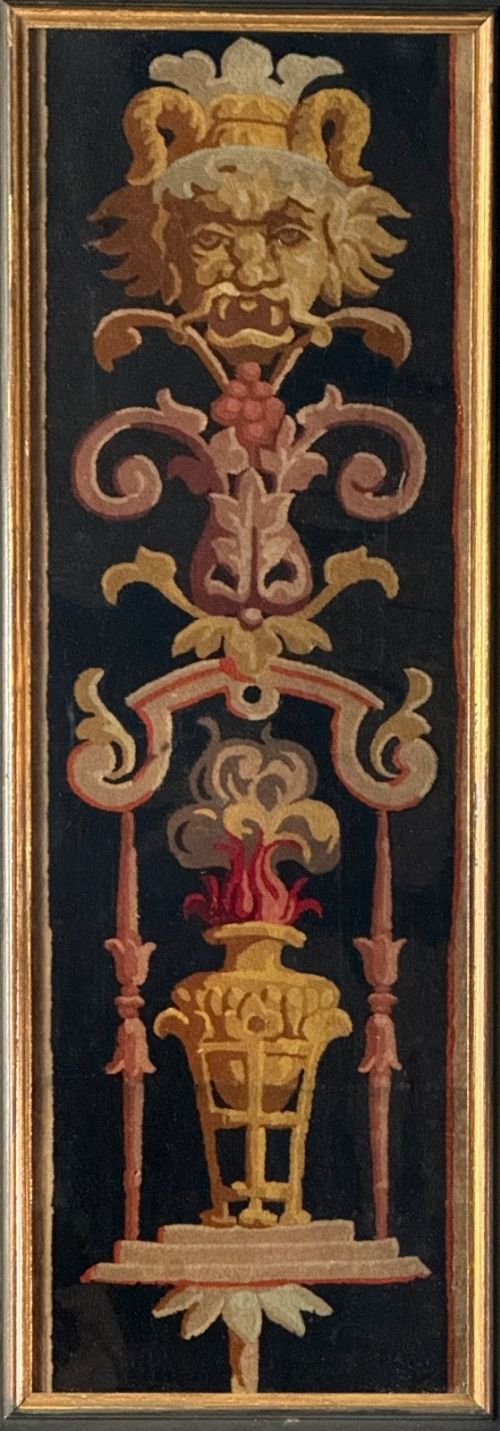
When you search for silk on wool embroidery, you encounter a diverse range of historic textile art, from Central Asian tribal wall hangings to Georgian pastoral pictures. The selections span periods from the eighteenth century through to the early twentieth century, incorporating English needlework panels and Persian Rasht embroidery.
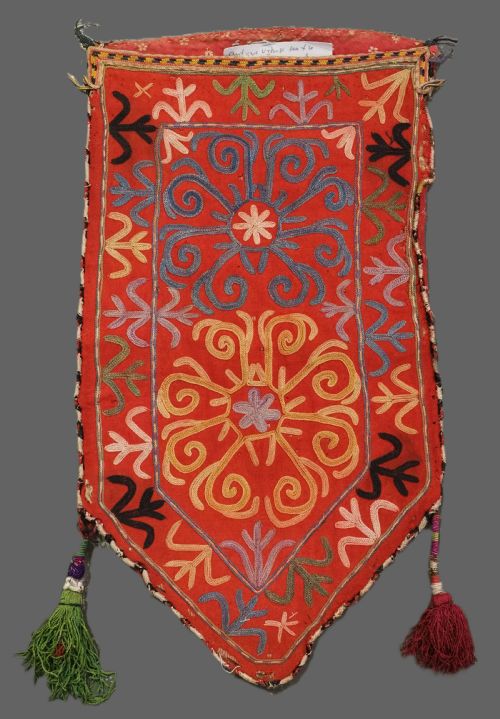
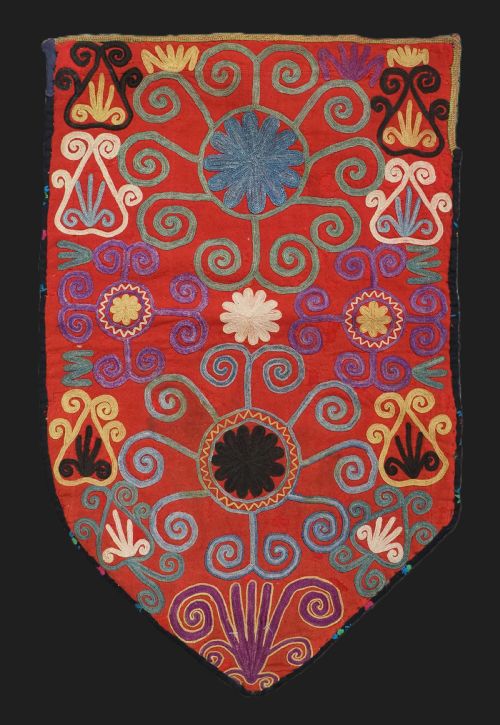
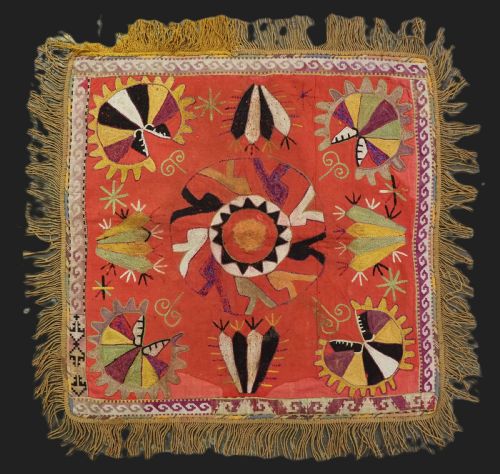
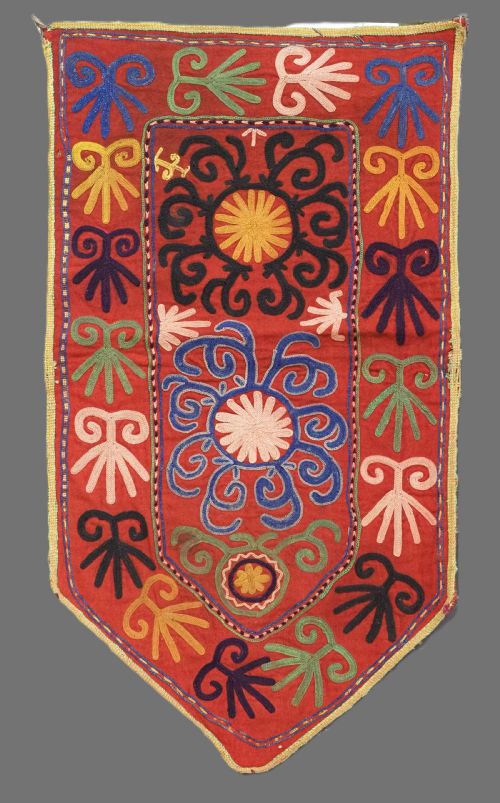
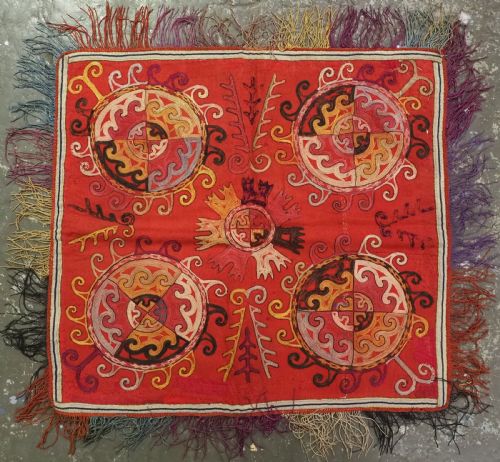
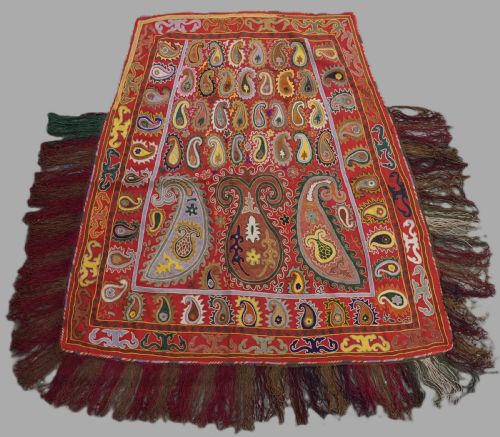
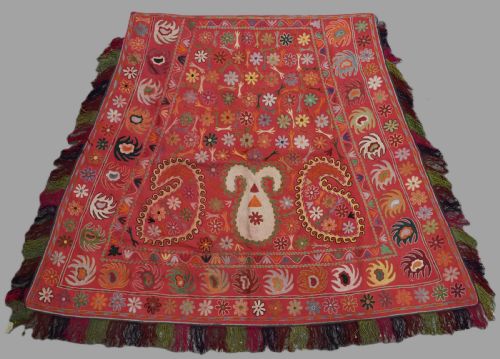
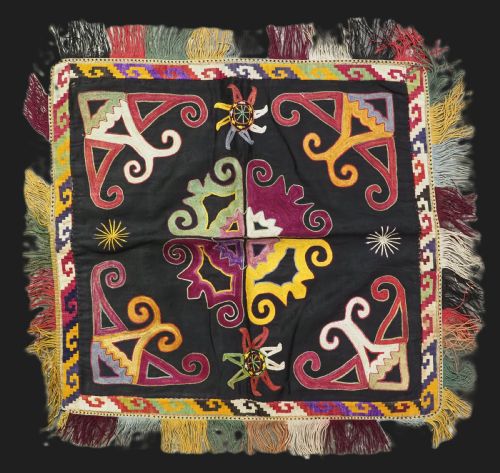
Central Asian examples frequently comprise dowry embroideries, saddle covers, and yurt wall hangings originating from Uzbek Lakai, Ersari Turkmen, and Kyrgyz makers. These tribal pieces share space with British woolwork pictures and Qajar dynasty garments.
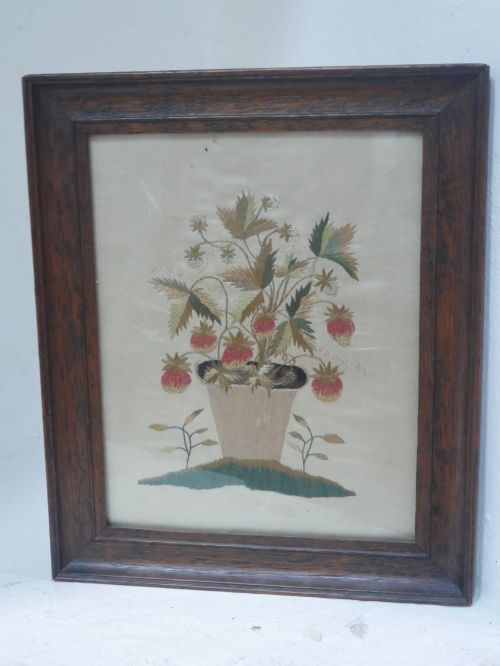
You are most likely to meet Central Asian tribal pieces such as the uut kap ilgich or torba, alongside eighteenth-century English needlework pictures depicting pastoral scenes and botanical studies.
Quality variations
Visual impact depends on the density of the needlework and the preservation of the silk highlights against the wool or felt ground. Pieces with finely executed pictorial detail or intricate geometric tribal motifs demonstrate superior handwork.
Condition of the ground fabric and stability of the threads determine the longevity and visual coherence of the textile. Framing quality also plays a role in works protected behind glass in wooden or verre églomisé frames.
Several ceremonial horse covers managed to survive centuries of nomadic travel entirely intact.
The Silk on Wool Embroidery Glossary
- Ilgich
- A Central Asian embroidery used for wall hanging, often produced as part of a bride's dowry.
- Uut Kap
- A storage bag or hanging from Central Asia, frequently embroidered by Lakai tribes.
- Verre Églomisé
- A process of applying gold or silver leaf to glass along with engravings, commonly used for historic picture frames.
- Qajar
- Pertaining to the Iranian dynasty ruling from the late eighteenth to the early twentieth century, known for distinct textile arts.
- Torba
- A small Turkmen wall hanging or bag featuring traditional geometric or floral motifs.
Silk on Wool Embroidery: Frequently Asked Questions
What is a silk on wool embroidery?
These pieces consist of decorative needlework where silk thread is stitched onto a wool, felt, or wool-blend ground fabric. They include Central Asian tribal hangings and European pastoral pictures.
Such textiles served practical and ceremonial functions in homes across different cultures, functioning as wall decor, dowry items, or ceremonial horse covers.
How were tribal embroideries used?
Tribal groups in Central Asia utilised these textiles to adorn the interiors of yurts and homes. Items like ilgich and torba functioned as dowry pieces and decorative wall hangings.
Saddle covers and horse trappings were also embroidered for ceremonial occasions and daily utility within nomadic communities.
How do I care for antique needlework?
Protect antique textiles from direct sunlight to prevent the silk threads and wool grounds from fading. Keep them in stable indoor environments away from excessive moisture.
Framed works behind glass require minimal maintenance, while unmounted wall hangings benefit from professional mounting and gentle dusting.
How do I date these textiles?
Dating relies on stylistic analysis, material examination, and regional attribution. Eighteenth-century English works often feature pastoral or botanical themes in needlework.
Central Asian tribal pieces from the nineteenth and early twentieth centuries show distinct geometric and pictorial motifs associated with specific groups like the Lakai or Ersari.