
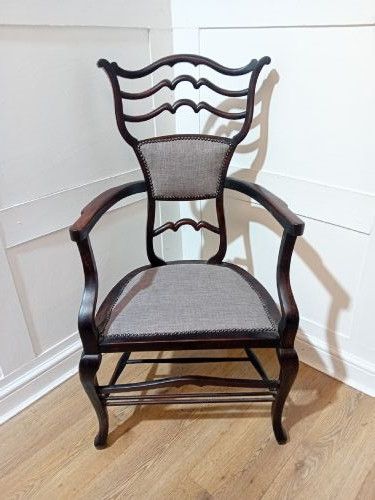

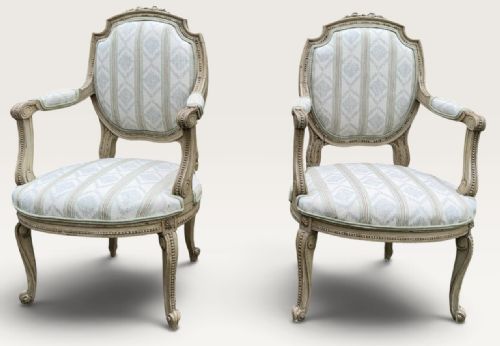
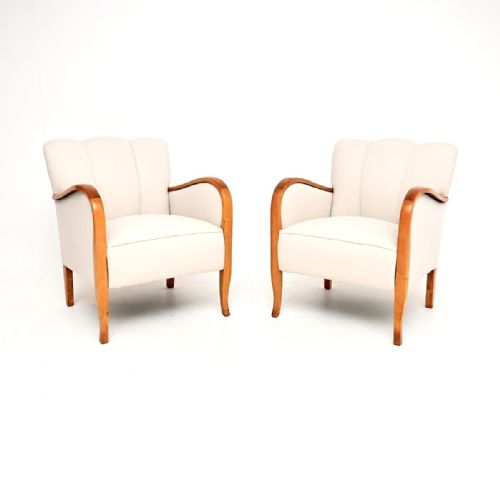
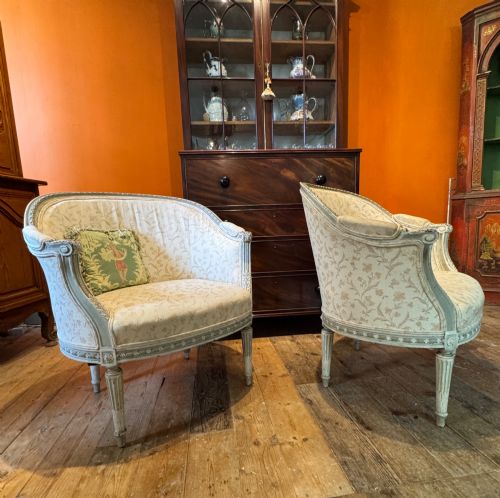
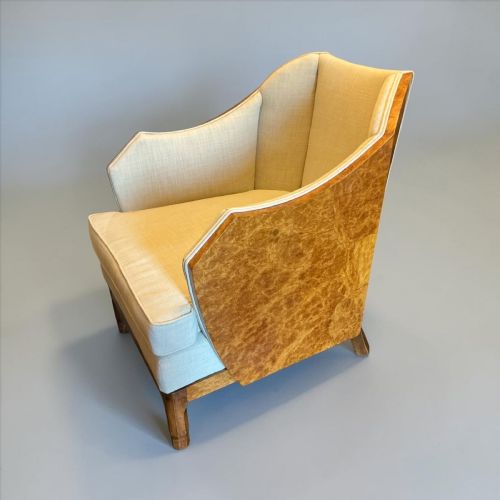
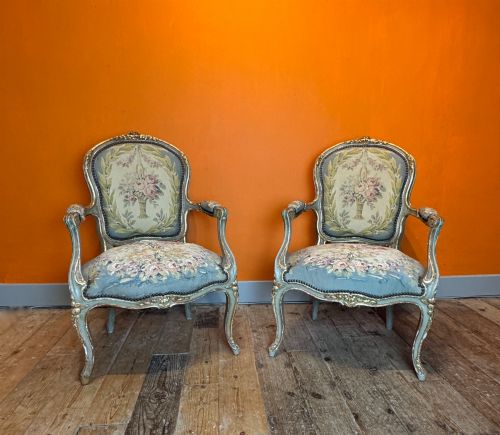
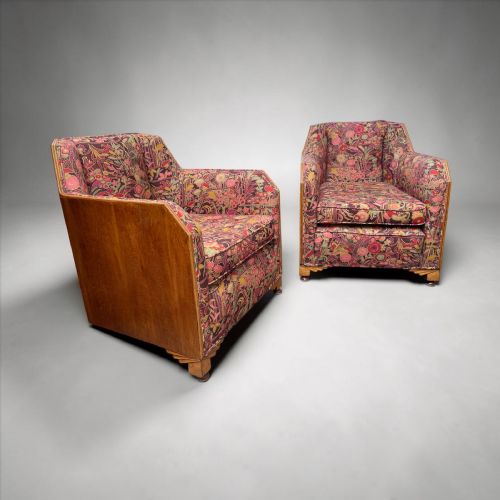
Vintage Upholstered Accent Chair
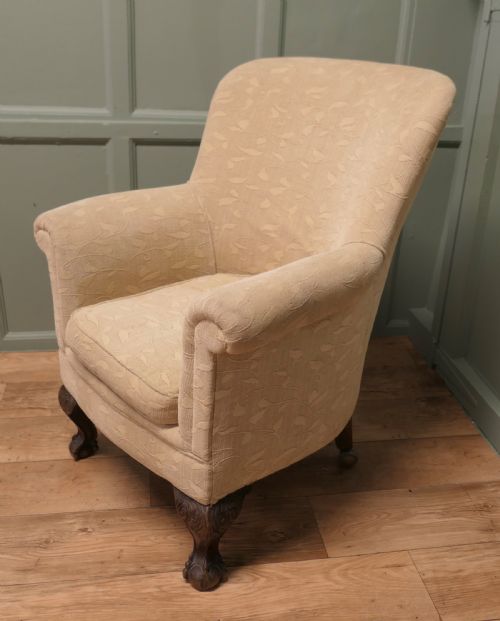
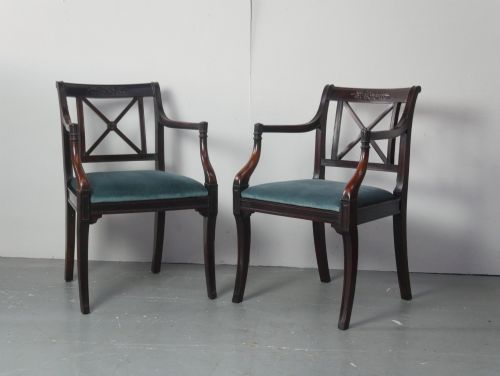
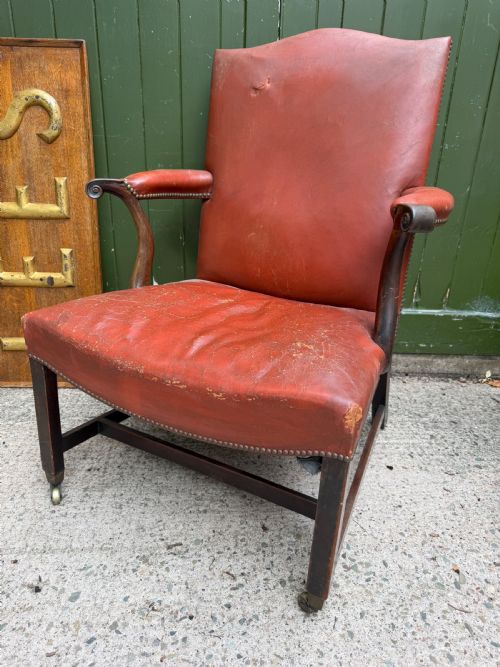
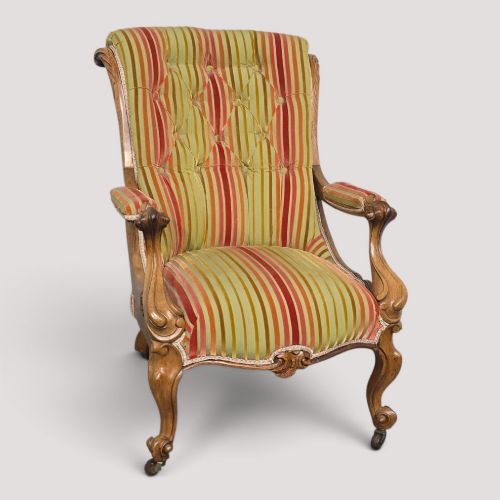
These vintage upholstered accent chair selections bring character and period form into a room.
How they were made
Makers built these frames from solid timbers such as mahogany, walnut, oak, beech, and rosewood. Joinery relied on traditional techniques like mortise and tenon to support heavy daily use over generations.
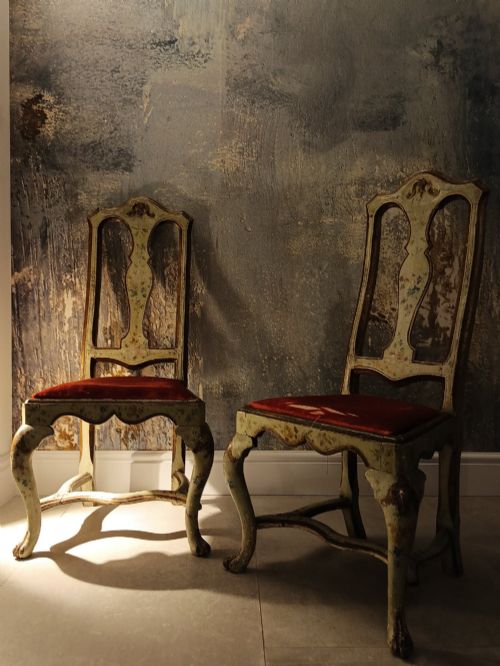
Upholstery methods utilised traditional stuffing materials beneath outer layers of fabric, velvet, calico, or leather. Detail work often involved brass tacks, carved scroll work, parcel gilding, split cane panels, or original paint finishes.
What varies in quality
The distinction between standard commercial seating and top tier examples lies in the precision of the wood carving and the integrity of the frame construction. Better pieces retain crisp detail in walnut or mahogany scrollwork and retain stable, rigid joinery.
Surface preservation dictates much of the appeal. Original paint finishes, untouched patination on older woods, and high-grade period textiles elevate an armchair far above items that have undergone heavy modern alterations.
The listings here cover pieces from the eighteenth century through the 1930s, using mahogany, walnut, oak, satin birch, and rosewood.
Howard and Sons·Mellier and Co
The Vintage Upholstered Accent Chair Glossary
- Bergere
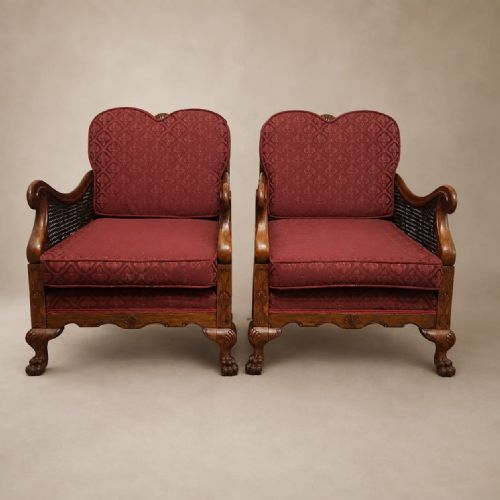
- An enclosed upholstered armchair with wooden framing, often featuring cane work to the sides and back. This French style gained popularity in various forms throughout the nineteenth and twentieth centuries.
- Gainsborough
- A wide seat with an upholstered back and arms, standing on short legs, designed in the eighteenth century for libraries and writing rooms. They typically use mahogany and feature open wooden arm rests.
- Slipper chair
- A low-seated bedroom chair originally designed to assist ladies with putting on footwear. Their compact proportions make them suitable as modern accent pieces.
- Spoonback
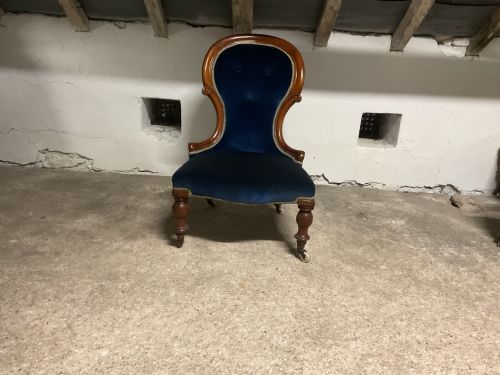
- A chair style characterised by a concave oval backrest shaped like the bowl of a spoon. This Victorian design conforms closely to the human spine.
- Wingback
- A high-backed armchair featuring characteristic side panels designed to shield the sitter from draughts. Early twentieth century versions often pair these wings with deep seat cushioning.
Vintage Upholstered Accent Chair: Frequently Asked Questions
What is an accent chair?
An accent chair is a standalone seat chosen to add visual interest, colour, or period style to a room rather than match a standard sofa suite.
These pieces function as focal points in corners, bedrooms, or studies while offering practical extra seating.
How do I date a chair?
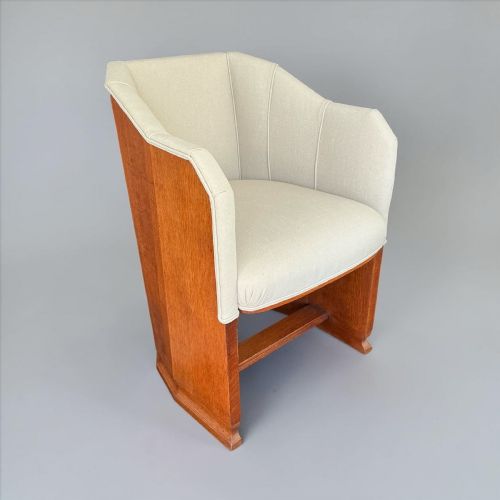
Dating relies on identifying timber choices, construction methods, and stylistic cues such as cabriole legs, button-backed upholstery, or geometric Art Deco lines.
Comparing these details against documented period forms helps narrow down the decade of manufacture.
Where should I place one?
These chairs suit empty bedroom corners, empty spaces beside fireplaces, or reading nooks where a distinct silhouette stands out.
Their varied heights and scales allow them to fit into tighter spaces than a standard armchair.
Are original fabrics better?
Original or period-appropriate textiles preserve the historical integrity of the piece, though many items feature later upholstery that suits modern interiors.
Evaluating the frame takes precedence over the fabric, which can be replaced while retaining the wooden structure.