

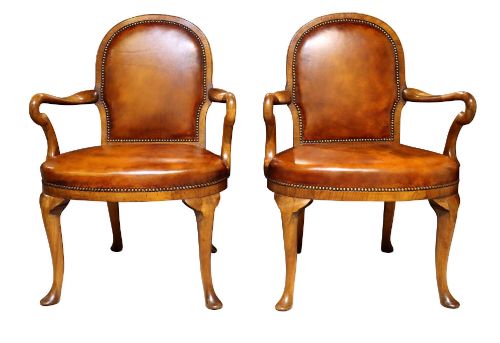


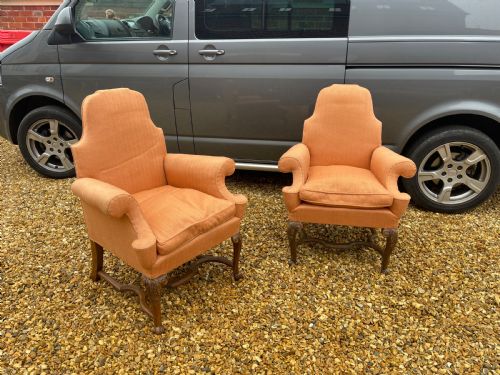

Queen Anne Armchairs Pair
These queen anne armchairs pair offerings bring matched seating in walnut and mahogany to a room.
Queen Anne Armchairs Pair
A queen anne armchairs pair consists of two matching seats designed for firesides, libraries, and desks. Buyers searching this phrase look for balanced pairs spanning the eighteenth century through revival periods.
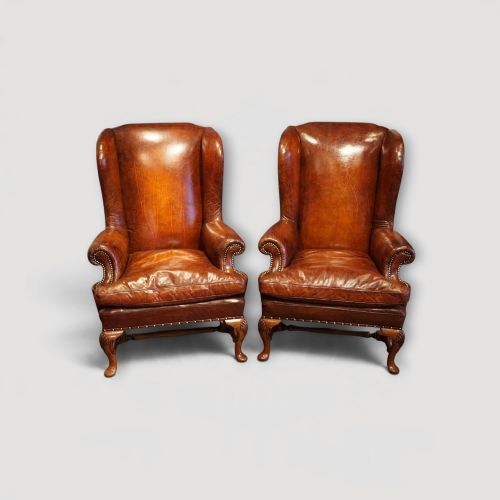
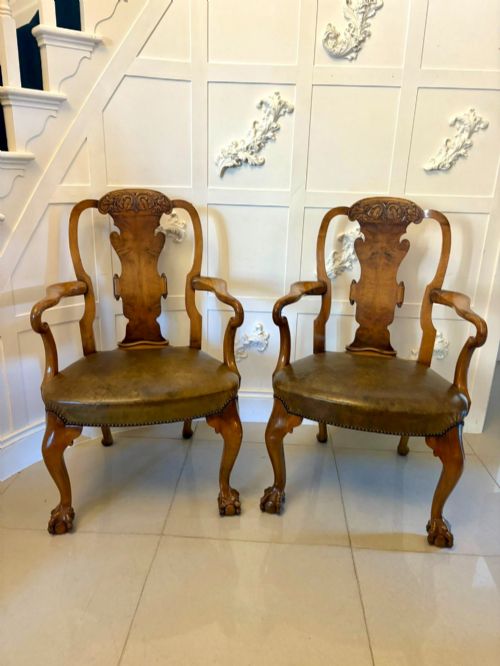
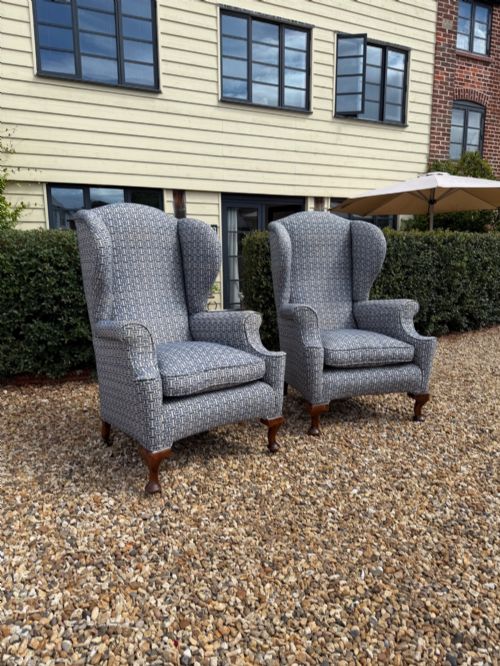
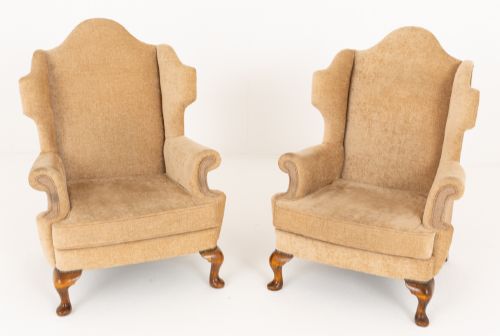
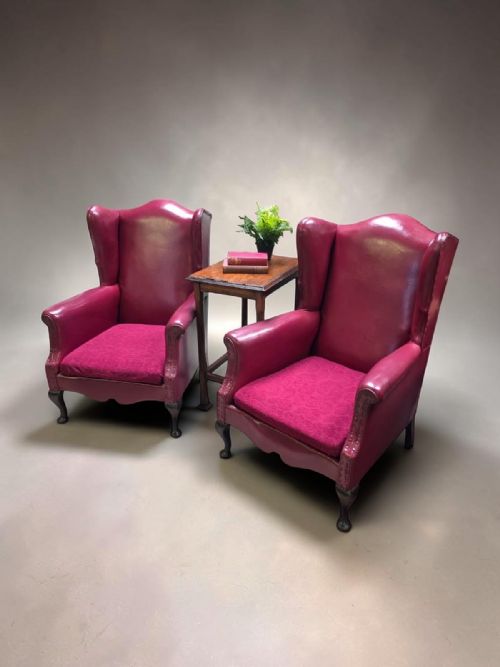
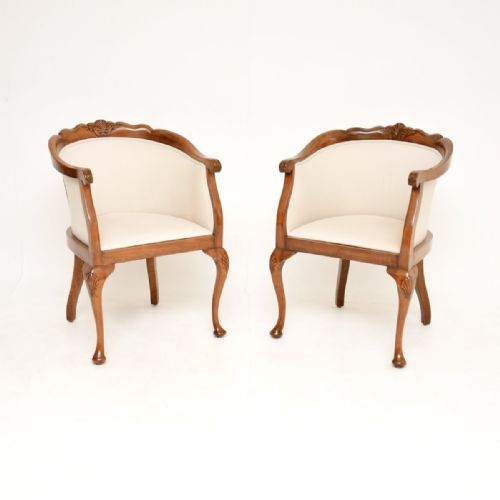
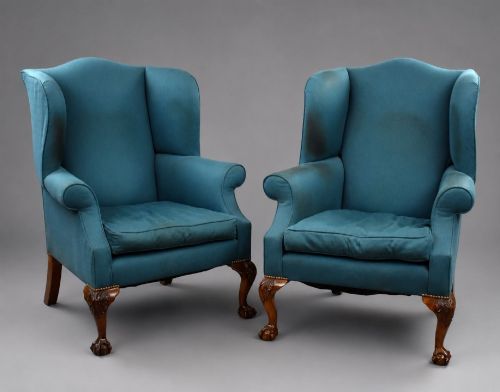
The walnut framed library chair and the wingback chair form the core of what appears on this page. These pieces offer high backs and supportive arms shaped for domestic comfort.
Revival iterations from the nineteenth and early twentieth centuries sit alongside eighteenth century originals. Walnut and mahogany predominate, upholstered in leather, velvet, and textile.
How they were made
Frames rely on walnut and mahogany timbers, shaped with carved details and brass fittings where appropriate. Woodworkers joined these components to support upholstered elements like leather, velvet, and fabric.
Upholstery methods span traditional stuffing beneath horsehair and modern padding, secured with textile coverings. Carved elements demonstrate joinery traditions passed down through generations of cabinet makers.
Queen Anne Armchairs Pair Retail Price Guide 2026
Typical asking prices for queen anne armchairs pair among the pieces listed under this phrase on Sellingantiques today, from the lower quarter to the upper quarter. They describe what is for sale here now, not the wider market.
Materials recorded on this page include walnut, mahogany, oak, leather, velvet, brass, and assorted textiles.
What varies in quality
Timber selection dictates visual weight, with burr walnut and figured mahogany setting the higher standard. Grain matching across a pair determines whether the two chairs feel truly unified.
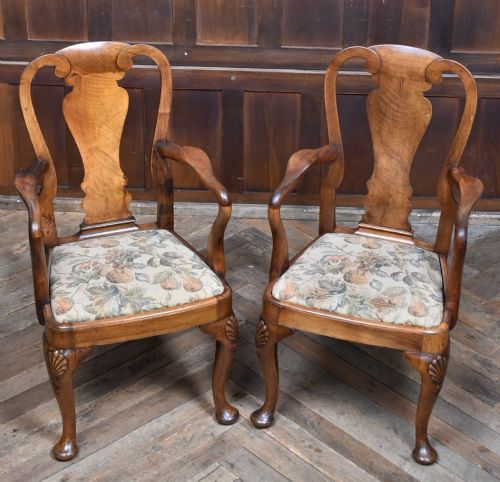
Carving depth and execution separate standard production from superior examples. Crisp lines on cabriole legs and tight joinery reflect the maker's hand.
The Queen Anne Armchairs Pair Glossary
- Cabriole leg
- A furniture leg that bends outward at the knee and tapers inward to an ankle. This form mimics animal limbs and defines the silhouette of the style.
- Wingback
- An armchair featuring side panels attached to the arm rests. These panels originally blocked drafts and trapped fireplace heat.
- Carver chair
- A term for an armchair, often built as the head seat at a dining table or placed at a desk. These chairs match simpler dining sets.
- Camel back
- A curved top rail on a chair back resembling the humps of a camel. This contour provides ergonomic support to the spine.
- Tub armchair
- A seating form with a continuous curved back and arms forming a rounded enclosure. This shape offers compact comfort.
Queen Anne Armchairs Pair: Frequently Asked Questions
How do I spot an eighteenth century pair?
Examine the timber patina, hand-cut joinery, and wear patterns on the feet. Eighteenth century examples show signs of age through dry timber and traditional construction methods.
Revival pieces from later centuries utilise machine-sawn timber and tighter, more uniform factory construction while mimicking earlier silhouettes.
Are these chairs comfortable for daily use?
High backs and padded arms provide substantial support for reading or fireside sitting. Many pairs suit daily living rooms and studies.
Upholstery condition varies, so buyers often assess whether the internal padding meets personal comfort preferences.
What is the difference between revival and original pieces?
Original pieces date back to the eighteenth century, carrying age-related wear and period timber construction. They represent historical cabinet making.
Revival chairs date from the Victorian, Edwardian, and twentieth century eras, copying earlier aesthetic movements with period-appropriate materials of their own time.
How do I care for leather and wood?
Keep wooden frames away from direct heat sources to prevent timber cracking. Regular dusting preserves the polished finish.
Treat leather upholstery with specialised conditioners to maintain flexibility and prevent the material from drying out over time.