

Edwardian Turned Leg Armchair
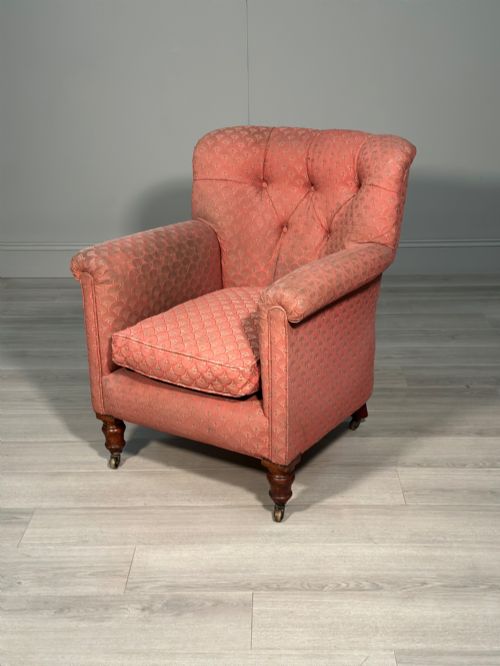
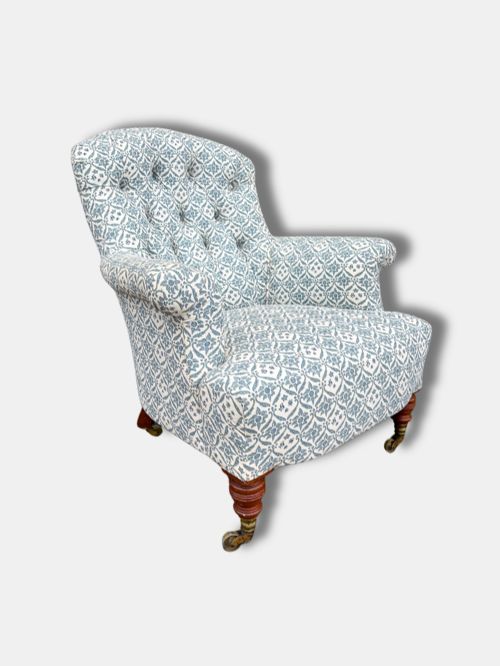
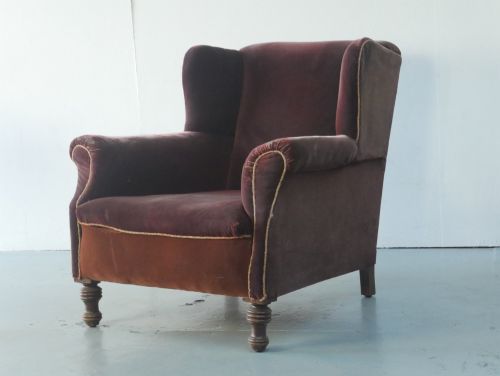
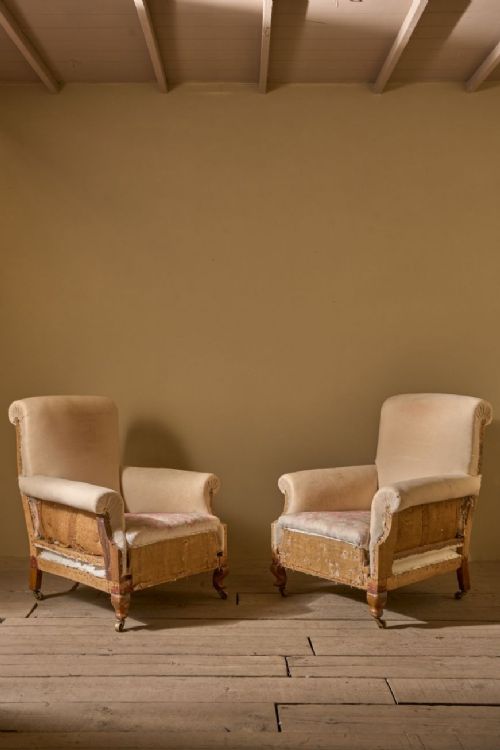
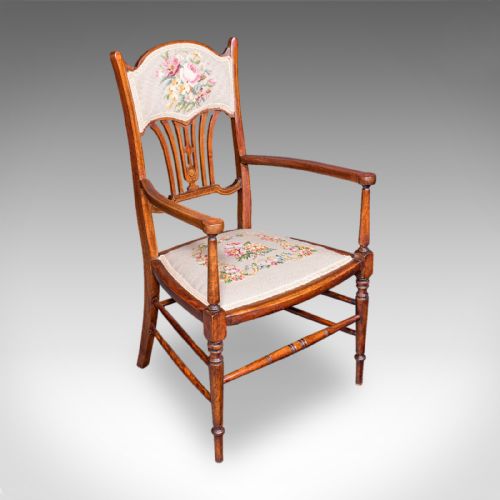
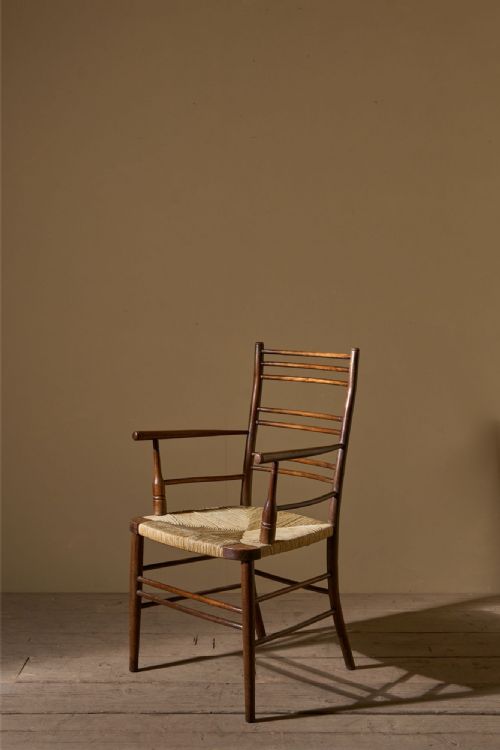
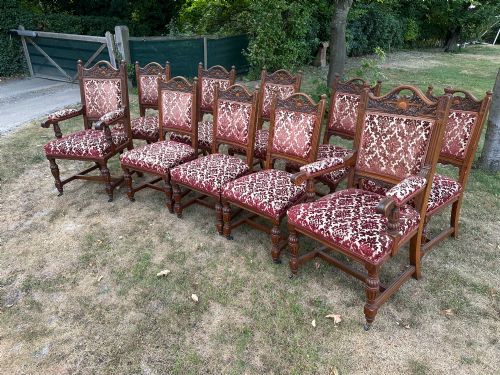
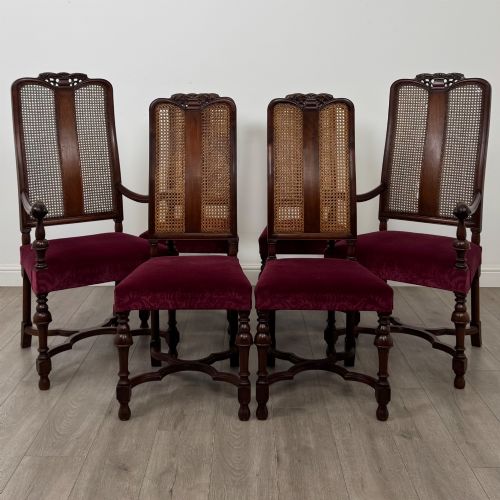
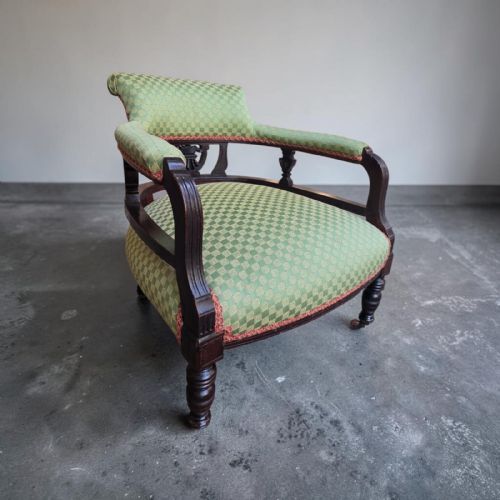
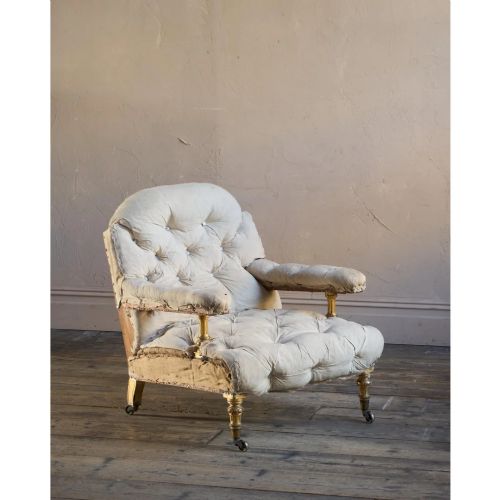
An edwardian turned leg armchair provides sturdy domestic seating, combining functional upright proportions with visible turned woodwork from the turn of the twentieth century.
Edwardian Turned Leg Armchair
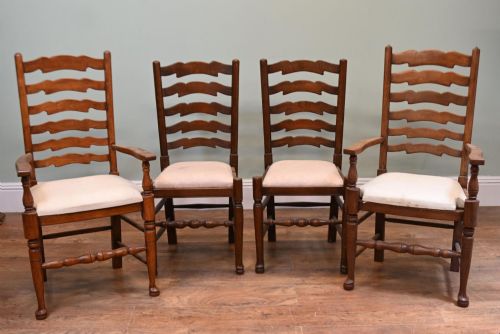
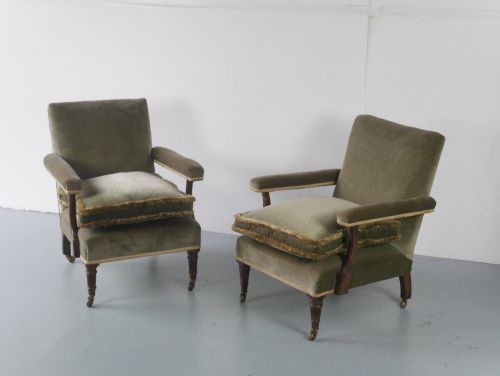
When you search for an edwardian turned leg armchair, you encounter robust seating forms originating primarily from the Edwardian period and the broader nineteenth century. The listings on this page span several decades, featuring dining chairs, desk chairs, slipper chairs, and library armchairs alongside dedicated seating.
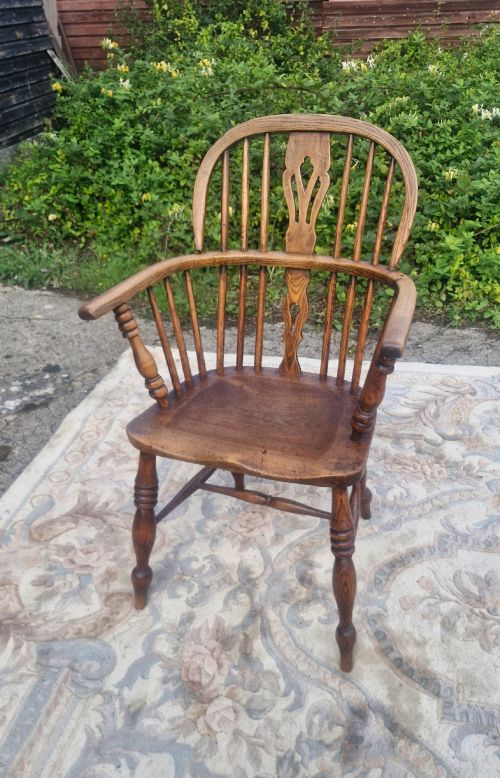
While the phrase directs attention specifically to turned woodwork legs, the actual inventory includes related seating forms such as Windsor armchairs, tub chairs, captain chairs, and carver chairs. These pieces frequently incorporate styles ranging from English Country and Arts and Crafts to Victorian and Regency influences.
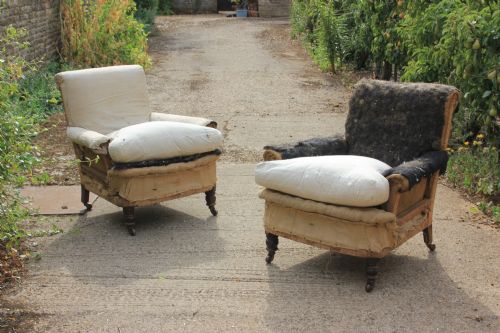
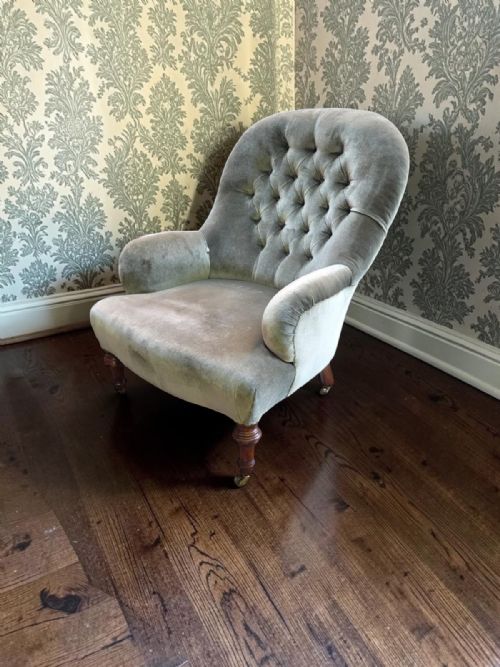
The physical form relies heavily on solid timber framing paired with supportive seating surfaces, whether constructed as open armchairs, low back designs, or deep seated upholstered variations. Buyers find pieces shaped by utilitarian workshops as well as sophisticated cabinet makers of the era.
Distinguishing quality in seating
Quality in these armchairs rests upon the selection and seasoning of the timber used for the turned legs and structural framing. Denser hardwoods yield sharper lathe turnings and greater long term rigidity under daily domestic use.
The integrity of the joinery and the depth of the upholstery stuffing dictate the comfort and structural longevity of the piece. Superior examples maintain firm springing and secure joints that withstand repeated loading without shifting.
Edwardian Turned Leg Armchair Retail Price Guide 2026
Typical asking prices for edwardian turned leg armchair among the pieces listed under this phrase on Sellingantiques today, from the lower quarter to the upper quarter. They describe what is for sale here now, not the wider market.
Howard and Sons·Morison and Co·Holland and Sons·SF Cullen·Robert Strahan Dublin·W Williamson and Sons·Gillows
The Edwardian Turned Leg Armchair Glossary
- Turned leg
- A wooden support shaped on a lathe to produce decorative cylindrical patterns such as spools, bobbins, or spirals. This technique defines the visual rhythm beneath the seat frame.
- Carver chair
- An armchair designed primarily as the principal seat at a dining table, featuring supportive arms that clear the table apron. These typically match a larger set of side chairs.
- Tub chair
- A seating form characterised by a continuous curved back and armrest rail forming an enclosed circular profile. This design offers a compact footprint with enveloping side support.
- Captain chair
- A sturdy wooden armchair featuring a rounded low backrest supported by vertical spindles above a saddle shaped seat. These were historically favored in offices and studies.
- Bergere
- An upholstered armchair featuring exposed wooden framing and woven cane panels along the back and sides. This French inspired style prioritises lighter visual weight.
Edwardian Turned Leg Armchair: Frequently Asked Questions
How do I identify an Edwardian armchair?
An Edwardian armchair is typically identified through its lighter proportions, use of Edwardian or late nineteenth century stylistic motifs, and manufacturing techniques recorded around nineteen hundred. These pieces often blend comfort with refined domestic elegance.
Evidence on this page shows pieces spanning the nineteenth and early twentieth centuries, where turned wooden legs and upholstered surfaces reflect the prevalent manufacturing standards of their respective decades.
Where were library armchairs used?
Library armchairs were designed for reading rooms, studies, and private libraries where occupants required substantial support during prolonged periods of sitting. Their robust frames accommodated heavy daily use.
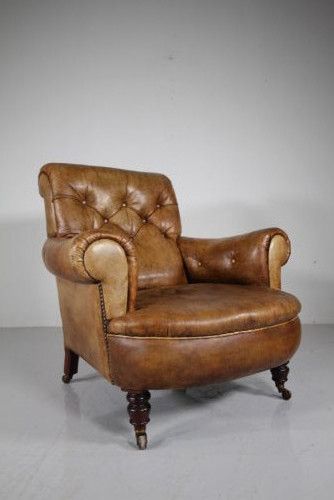
Examples on this page incorporate leather upholstery, mahogany construction, and brass fittings suited to formal domestic interior spaces of the nineteenth century.
How should I care for antique upholstery?
Antique upholstery requires gentle cleaning methods appropriate to the specific fabric covering, whether that involves velvet, leather, or woven textile. Protecting surfaces from direct sunlight prevents fading of historical materials.
The inventory records materials like hessian, fabric, and leather which benefit from careful dust removal and stable indoor humidity levels to preserve their physical integrity.