

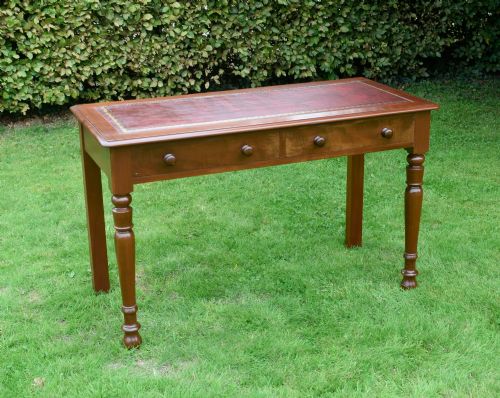
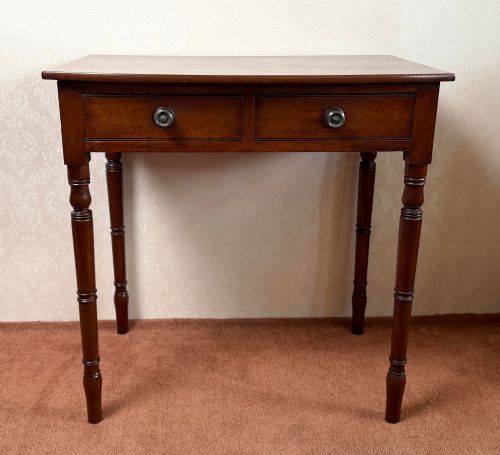
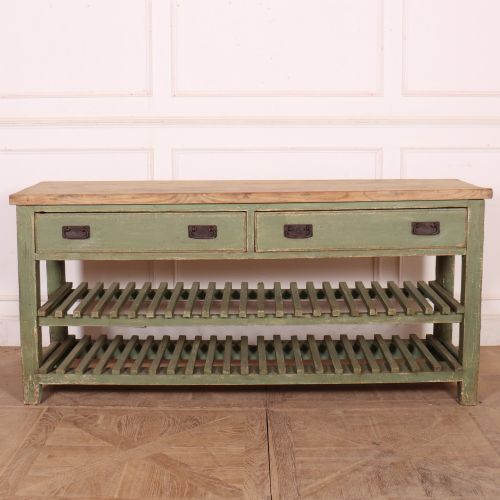
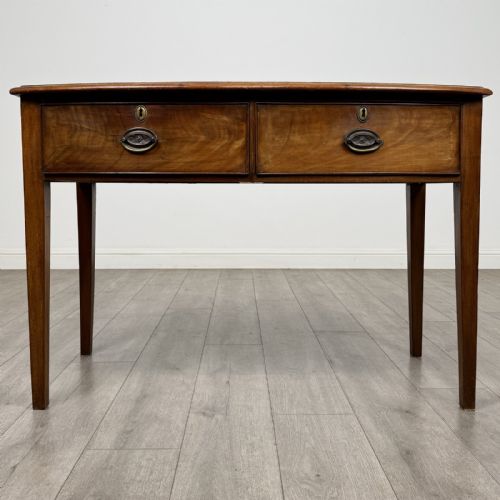
Vintage Two Drawer Table
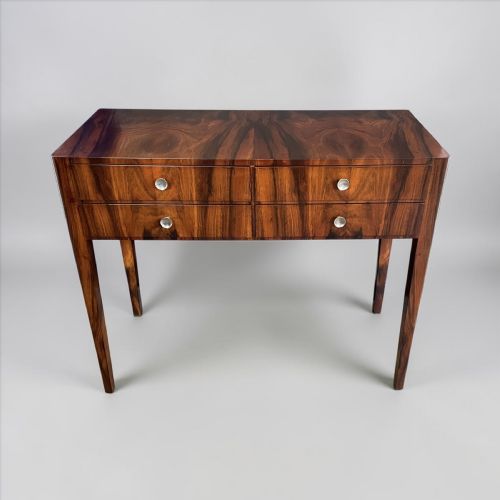
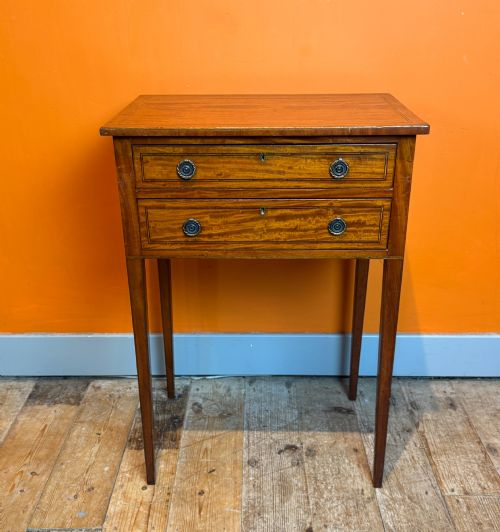
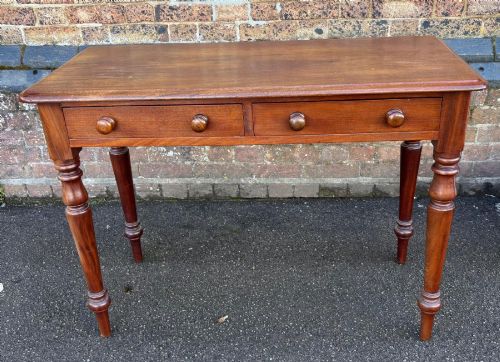
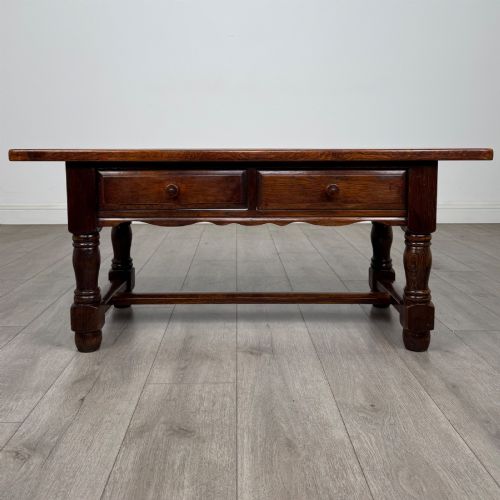
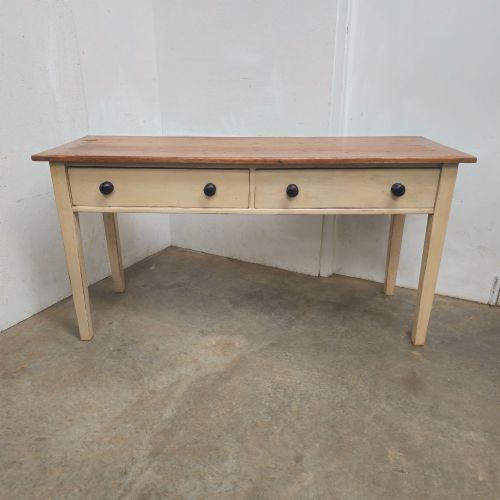
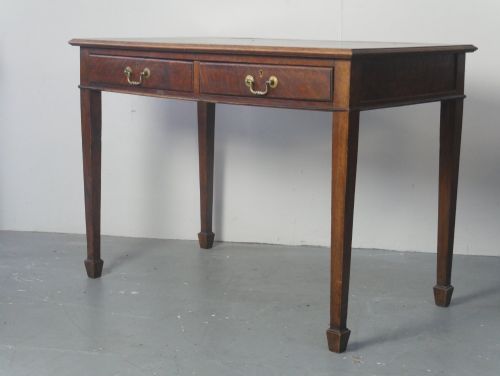
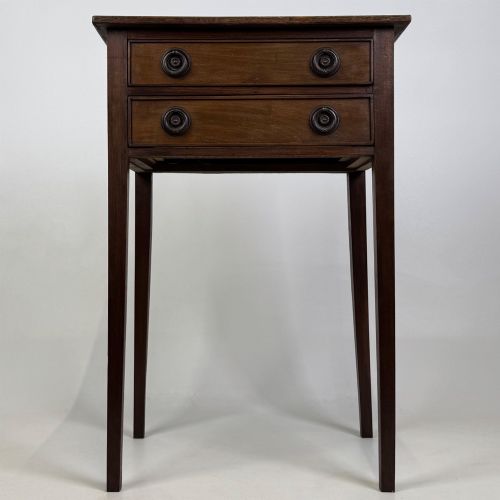
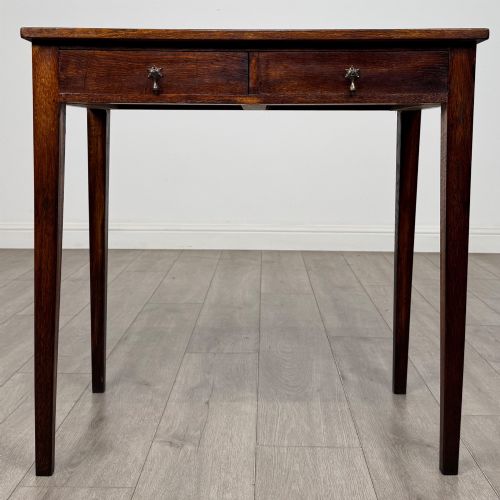
A vintage two drawer table offers practical storage with period character, taking the form of compact desks, side tables, and writing furniture.
Vintage Two Drawer Table
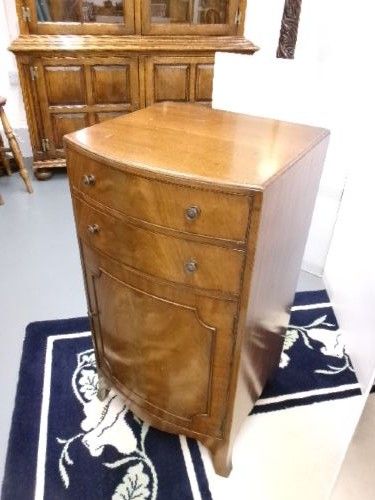
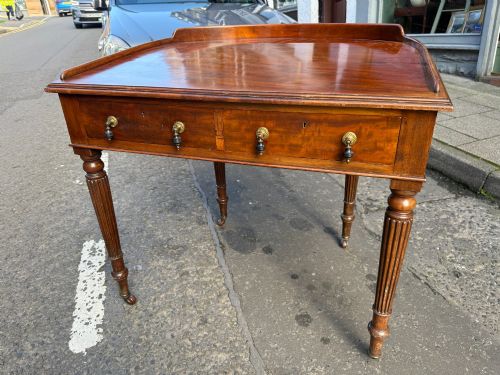
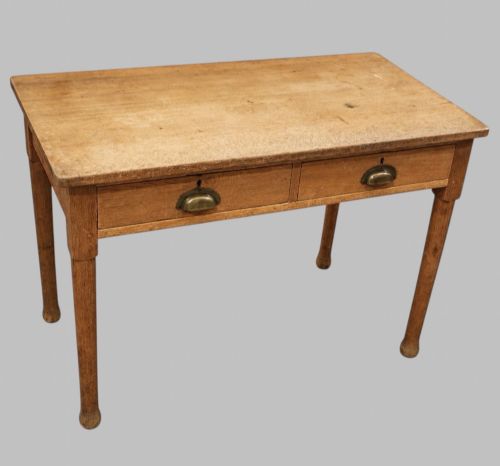
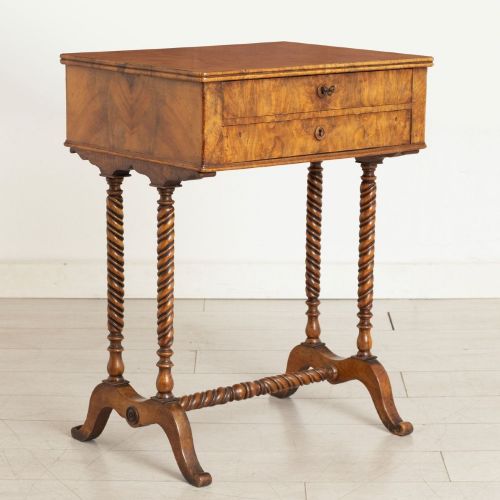
When you search for a vintage two drawer table, you encounter a variety of forms spanning multiple centuries and regional workshops. The listings here frequently present pieces designated as writing tables, desks, side tables, and console tables.
The materials reflect traditional cabinet-making traditions, predominantly featuring oak, mahogany, and pine alongside walnut and yew. Pieces range from straightforward English country designs to refined Edwardian and Victorian writing desks.
Makers and retailers such as Gillows, Fortnum and Mason, and Andrew Thomson & Sons appear among the records, showing the breadth of production from large department stores to regional cabinet makers. These items served functional roles in bedrooms, halls, and studies, retaining their utility today.
Materials and construction methods
Timbers like oak, mahogany, and pitch pine form the structural foundation of these tables, chosen for their durability and grain. Craftsmen utilised solid wood alongside specialised veneers, incorporating brass handles and leather inserts for writing surfaces.
Surface treatments vary from polished walnut and waxed oak to painted finishes and marquetry inlay. Joinery techniques connect drawer boxes and frames securely, ensuring the pieces withstand daily use over decades.
Vintage Two Drawer Table Retail Price Guide 2026
Typical asking prices for vintage two drawer table among the pieces listed under this phrase on Sellingantiques today, from the lower quarter to the upper quarter. They describe what is for sale here now, not the wider market.
Florists, dairy workers, and ledger-writers all left their mark on the diverse range of work tables preserved here.
Judging the quality of construction
Quality in these tables rests on the selection of timber and the precision of the joinery in the drawer construction. Superior examples display thoughtful grain matching and well-fitted drawers that slide smoothly within their frames.
The integrity of secondary materials, such as original brass hardware or intact leather writing surfaces, distinguishes standard utility items from finer workshop output. Finer proportions and restrained carving separate better pieces from simpler vernacular furniture.
Hubert Simpson of Kendal·Fortnum and Mason·Andrew Thomson and Sons·Gillows
The Vintage Two Drawer Table Glossary
- Lowboy
- A small side table or dressing table featuring one or more rows of drawers beneath the top. These compact tables often stood against walls in bedrooms or parlours.
- Marquetry
- Decorative veneer work formed by fitting together small pieces of wood, shell, or ivory to create pictorial designs on a surface. This technique adds ornamental detail to drawer fronts and tabletops.
- Potboard
- An open lower shelf beneath a table or dresser base, traditionally used for storing pots and kitchen utensils. It provides structural stability while offering open display space.
- Ormolu
- Gilt bronze mounted onto furniture as decorative handles, feet, or edging. This French technique brings metallic contrast to mahogany and walnut surfaces.
- Drop-leaf
- A table design featuring hinged flaps that fold down to save space or lift up to extend the surface area. Brackets or swing legs support the leaves when raised.
Vintage Two Drawer Table: Frequently Asked Questions
What rooms suit a two drawer table?
These compact tables fit well in hallways, living rooms, and bedrooms where surface space and discreet storage are required. Their dual drawers accommodate everyday items while maintaining a slim footprint against a wall.
They also serve effectively as small desks or dressing tables when paired with a matching chair. Their varied heights and finishes allow them to blend into both traditional and contemporary interiors.
How do I date a wooden table?
Dating relies on examining the timber species, construction methods, and hardware style. Earlier pieces from the Georgian and Victorian eras often show hand-cut dovetails and native hardwoods like oak or mahogany.
Twentieth-century examples, including Edwardian and 1920s pieces, may incorporate machine-sawn elements, lighter pine secondary woods, or specific revival styles like Jacobean or Arts and Crafts.
Are these tables suitable for daily writing?
Many examples on this page were originally built as writing tables, desks, or lowboys, making them well-suited for regular use. Their proportions accommodate a chair underneath, and the drawers provide convenient storage for stationery.
Some pieces feature inset leather tops designed specifically for writing, though delicate antique surfaces benefit from protective pads during heavy tasks.
How do I maintain wood and leather surfaces?
Routine maintenance involves dusting with a dry cloth and applying appropriate beeswax or polish to nourish the timber grain. Avoid placing wooden tables in direct sunlight or near heat sources to prevent cracking.
Leather inserts require occasional gentle cleaning with a damp cloth and specialised leather conditioner to keep the material supple and prevent drying over time.