
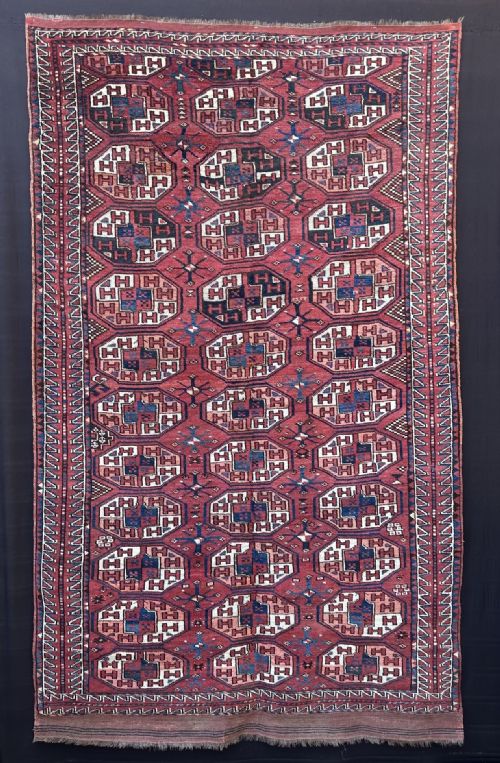


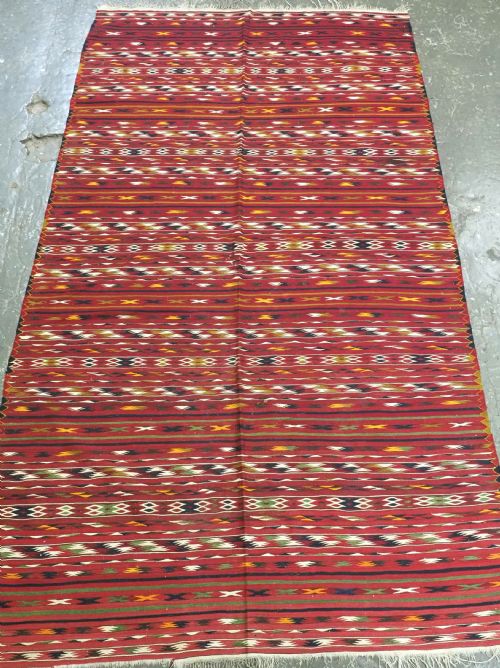
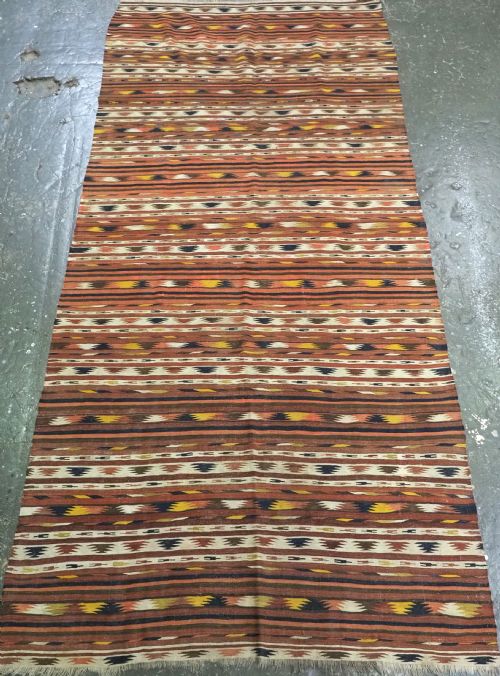


Vintage Turkmen Runner
A vintage turkmen runner brings nomadic Central Asian heritage into a hallway through deep geometric patterns and rich wool.
Vintage Turkmen Runner
When you search for a vintage turkmen runner, you encounter woven tribal textiles originating from Central Asia, including carpets, tent bands, and long rugs. These pieces display distinct tribal motifs and repeating geometric forms linked to specific groups.
The selection includes specific tribal works such as Tekke, Ersari, Yomut, and Kizyl Ayak pieces alongside Dali kilims and prayer rugs. You will find examples spanning from the mid-nineteenth century up to the early twentieth century.
Makers utilised traditional formats ranging from narrow runners and tent bands to large main carpets and storage bagfaces. Each format served a practical domestic purpose within nomadic or village life before entering the decorative sphere.
What varies in quality
The density and fineness of the weave dictate the structural integrity of each textile. Very fine weaves require greater skill and time at the loom, resulting in crisp geometric definition.
The depth and vibrancy of the natural dyes affect the visual impact of the piece. Superior examples retain rich, harmonious colour combinations that reflect careful dye preparation and mordant use.
Materials recorded across the selection include wool, cotton, hand-spun wool, and natural dyes.
The Vintage Turkmen Runner Glossary
- Gul
- A repeating primary medallion or octagonal motif associated with specific Turkmen tribes. These emblems often identify the weaving group.
- Kilim
- A flatwoven textile produced without a pile by tightly interweaving warp and weft threads. This technique creates a lightweight, reversible fabric.
- Soumak
- A flatweaving technique where coloured weft threads are wrapped around the warp to produce a textured surface resembling embroidery. It offers greater durability than standard flatweaving.
- Ensi
- A specific carpet type traditionally hung over the tent doorway in Turkmen culture. They feature a distinctive cross-panel design.
- Torba
- A small storage bag or hanging sack produced by nomadic tribes for domestic organisation. These pieces display miniaturized versions of main carpet motifs.
Vintage Turkmen Runner: Frequently Asked Questions
How do I identify a Turkmen rug?
Look for repeating octagonal gul medallions and a dominant palette of deep reds, browns, and oranges. The specific tribal attribution often rests on the exact structure of these geometric motifs and border arrangements.
Tribal pieces also incorporate characteristic kilim ends and specialised border designs that separate them from Persian or Anatolian counterparts.
Where were these textiles made?
These pieces originated across Central Asia within regions inhabited by nomadic and semi-nomadic tribes such as the Tekke, Ersari, and Yomut. Turkmenistan and surrounding areas formed the primary hub for these tribal productions.
Weavers worked within local communities or nomadic encampments, utilising regionally available materials and traditional generational designs.
How should I clean a tribal runner?
Consult a professional conservator or specialist rug cleaner experienced in antique vegetable-dyed wool. Standard domestic cleaning methods can damage natural dyes and delicate hand-spun foundations.
Gentle surface vacuuming without a beater bar helps remove everyday dust while protecting the wool pile and flatwoven ends.
Are these pieces purely decorative?
Historically, these textiles served practical functions within nomadic life, acting as tent bands, doorway hangings, camel trappings, and storage sacks. Their sturdy construction was designed for daily domestic utility.
Today, they transition into modern interiors as floor runners, wall hangings, and decorative carpets while retaining their original structural character.