
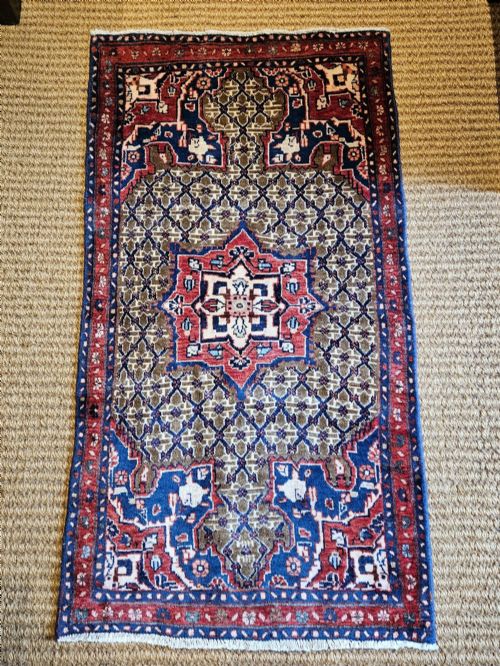


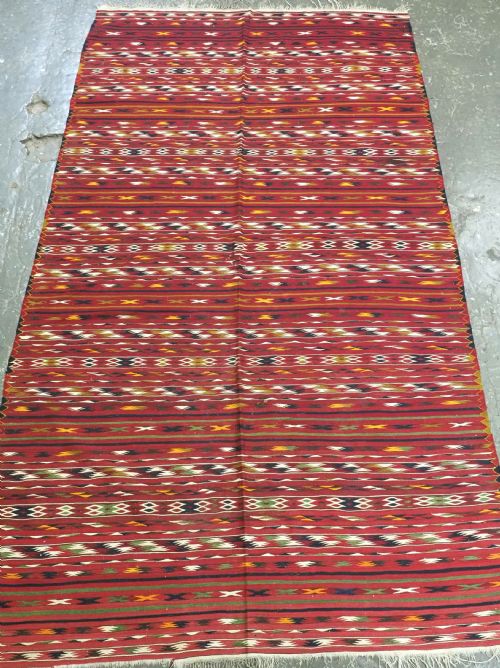


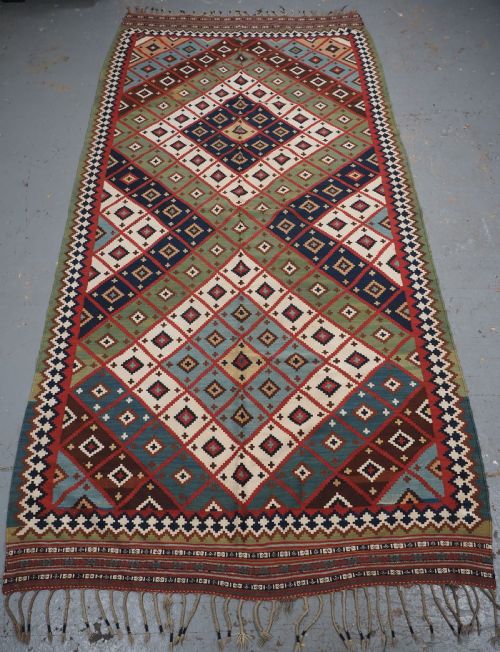
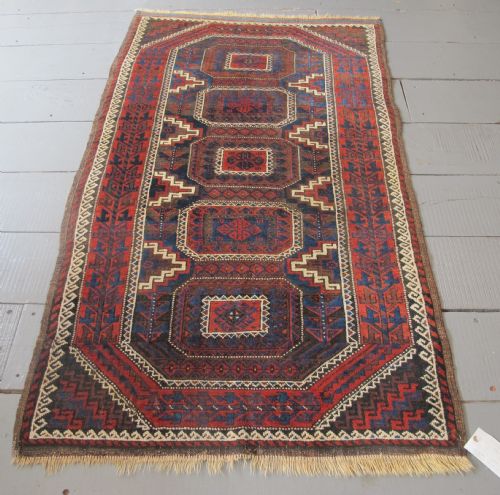
Handmade Tribal Runner
These handmade tribal runner pieces bring genuine nomadic heritage into a room, offering rich geometric patterns and deep historical roots.
Handmade Tribal Runner
When you search for a handmade tribal runner, you are looking at woven floor coverings created by village and nomadic weavers across Persia, Turkey, and Central Asia. These textiles range from hearth-sized rugs and village carpets to prayer rugs and flat-woven kilims, dating from the mid-nineteenth century up to the early twentieth century.
The selections you meet here display distinct regional identities, including Baluch, Turkmen, Qashqai, Karadja, and Hamadan styles. Each piece reflects the traditional motifs and cultural symbolism of the specific tribe or village where it was knotted on a vertical or horizontal loom.
What varies in quality
Quality in these textiles depends heavily on the fineness of the weave and the precision of the tribal design execution. Tighter knot counts and more intricate geometric or floral arrangements separate standard village work from master tribal examples.
The condition of the wool pile and the vibrancy of the remaining natural dye colours also dictate the desirability of each piece. Superior examples retain strong structural integrity and clear, unmudded motifs across the entire field.
Listings span periods from the mid-nineteenth century through the 1920s, featuring wool, cotton, and hand-spun wool materials across multiple regional styles.
The Handmade Tribal Runner Glossary
- Kilim
- A flat-woven carpet or rug produced without a pile. These pieces rely on interlocking weft techniques to create crisp geometric patterns.
- Sofreh
- A type of spread or cloth used traditionally for dining or food preparation in nomadic households. They feature utilitarian designs adapted from tribal rug traditions.
- Warp
- The vertical foundation threads stretched lengthwise on a loom before knotting begins. The fringe of a finished rug typically consists of extended warp threads.
- Weft
- The horizontal threads passed through the warp threads after each row of knots to secure the structure. Visible weft lines often determine the firmness of the textile.
- Prayer rug
- A small rug featuring a mihrab or niche design at one end, oriented towards Mecca during daily prayers. These formats hold specific ritual significance in village production.
Handmade Tribal Runner: Frequently Asked Questions
Where should I place a tribal rug?
These pieces suit low-traffic areas like studies, bedrooms, or hallways where their age and structure remain protected from excessive wear. Placing them away from direct, harsh sunlight preserves the natural dyes.
Using a breathable underlay beneath the textile prevents slipping and reduces friction against hard flooring surfaces.
How do I clean an antique rug?
Gentle surface vacuuming without a beater bar removes loose dirt and grit trapped deep within the wool pile. Professional specialist cleaning remains essential for addressing deeper stains or ground-in soil.
Water saturation and standard domestic detergents should be avoided entirely to prevent dye bleeding and fibre degradation.
How do I identify tribal origins?
Specific geometric motifs, border arrangements, and structural materials often point directly to particular weaving groups or geographical regions. Examining the colour palette and knotting structure provides further clues regarding tribal attribution.
Comparing known regional characteristics helps distinguish between Baluch, Turkmen, and Persian village productions.
Are these rugs durable for daily use?
Hand-spun wool and sturdy cotton foundations provide natural resilience against everyday foot traffic. The dense knotting found in many nineteenth and early twentieth-century examples ensures long-term structural strength.
Rotating the textile periodically ensures even wear patterns across the entire surface over the years.