


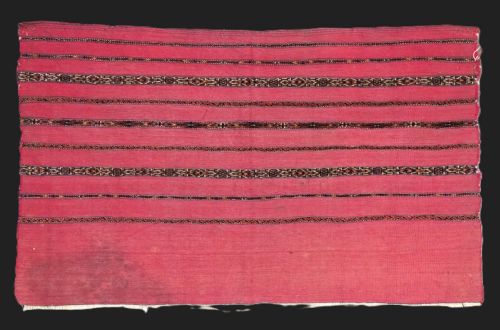


Nomadic Flatweave Rug
A nomadic flatweave rug offers a direct line into tribal craft, bringing dense geometric patterns and durable wool textures into modern spaces.
Nomadic Flatweave Rug
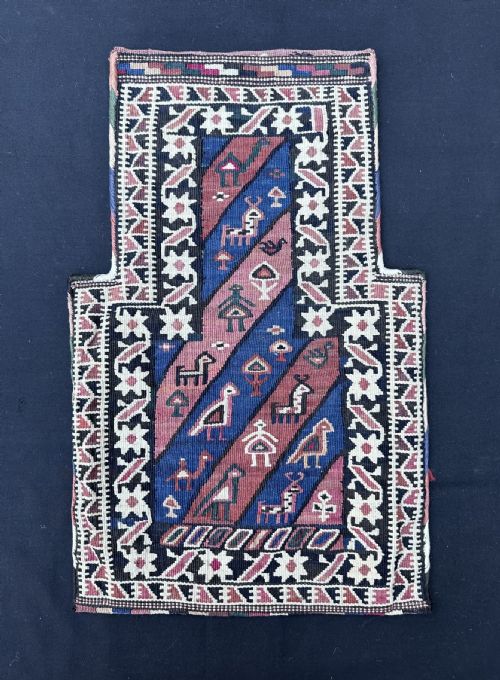
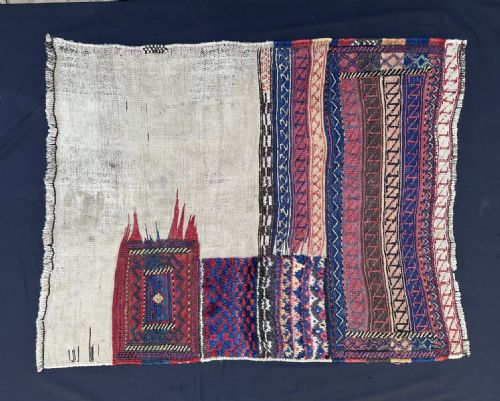
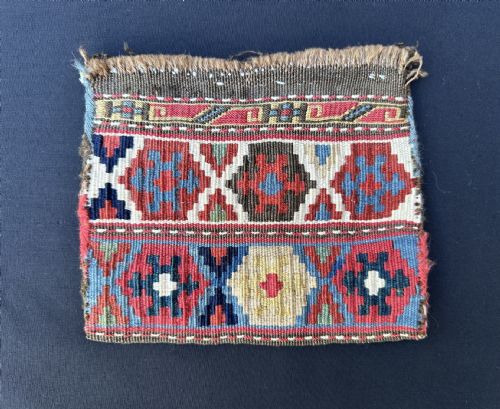
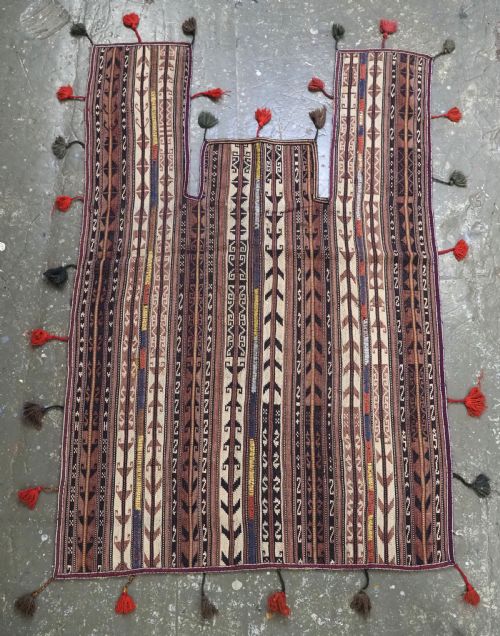
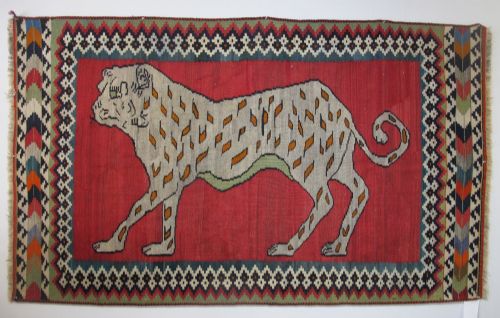
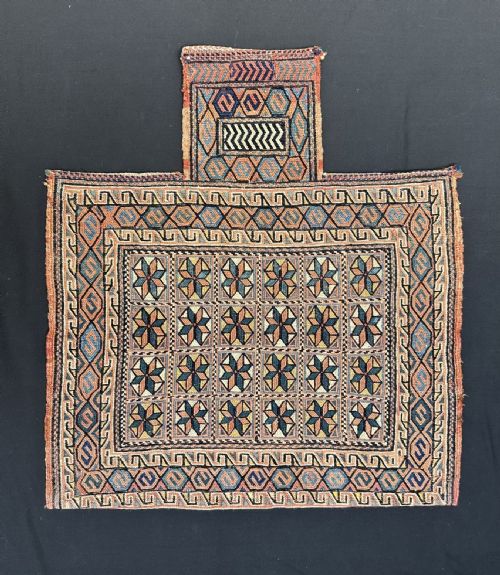
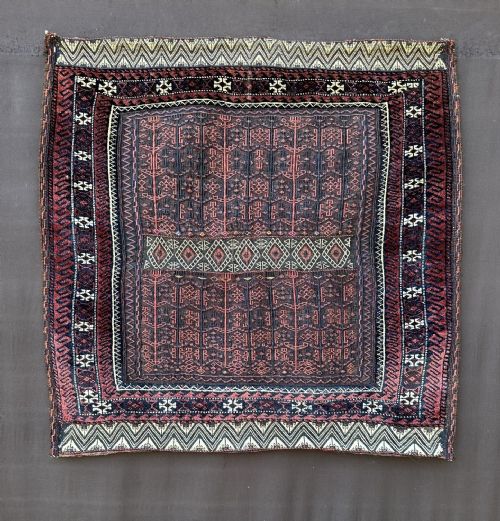
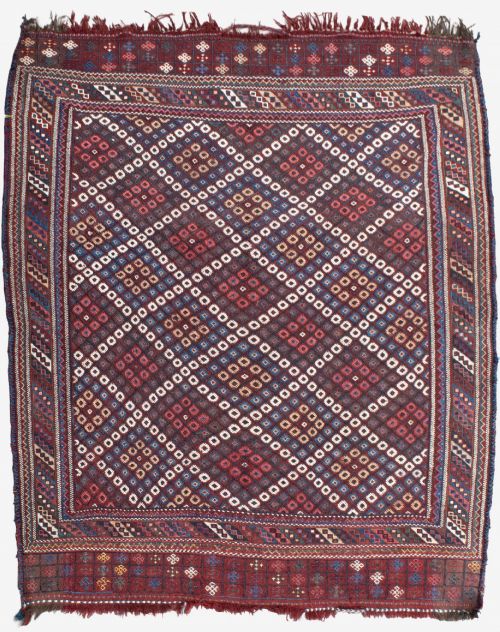
The selections available here lean heavily toward authentic late nineteenth and early twentieth-century examples, ranging from small Chanteh vanity bags to larger kilim carpets and runners. Buyers encounter diverse regional formats, from the banded flatweave designs of Yomut mafrash panels to the rich figurative or geometric expressions of South Persian tribes.
Factors determining quality
Quality rests primarily in the tightness of the weave, the precision of the geometric or graphic layout, and the complexity of the tribal design. Tighter structures and finer technical execution distinguish exceptional utilitarian bags and sofrehs from simpler domestic utilities.
The depth and brilliance of the palette further elevate a piece, particularly where natural dyes have matured with age. Intact original edges, well-preserved structural formats, and clear regional attributions elevate the standing of individual weavings within any collection.
Some tiny vintage bags still carry the faint scent of hearth smoke and distant dust from old nomadic tent camps.
The Nomadic Flatweave Rug Glossary
- Sofreh
- A flatweave cloth traditionally used for spreading meals or handling bread dough during daily communal life.
- Mafrash
- A large rectangular storage bag or hamper utilised by nomadic groups for bedding and household possessions during transit.
- Soumac
- A brocade-like flatweaving technique where coloured weft threads are wrapped around warp threads to create a raised, durable texture.
- Kilim
- A tapestry-woven carpet or rug produced without a pile across various regions of the Near East and Central Asia.
- Chuval
- A large face-bag traditionally made by Turkmen tribes for storing household goods inside a yurt.
Nomadic Flatweave Rug: Frequently Asked Questions
What is a nomadic flatweave rug used for today?
These versatile textiles function effectively as wall hangings, small floor coverings, table runners, or accent pieces in contemporary interiors. Their robust wool construction ensures they withstand everyday placement while adding rich tribal character to a room.
Collectors also frame smaller bags and sofrehs to display their intricate geometric patterns as textile art. Their historical utility translates naturally into modern decorative schemes seeking authentic handmade textures.
How do I tell regional styles apart?
Regional styles reveal themselves through distinct colour palettes, structural techniques, and specific motif arrangements unique to particular tribes and geographic areas. For instance, Shahsevan weavings often display sharp geometric borders, while Qashqai pieces frequently feature vibrant reds, blues, and animal or medallion motifs.
Studying the specific knotless weaving structure, such as the slit-tapestry of a kilim or the wrapped details of soumac work, helps pinpoint the originating culture. Comparing wool quality and dye depth further clarifies whether a piece originates from Persian, Caucasian, or Central Asian workshops.
How should I care for an antique flatweave?
Gentle, regular vacuuming without a rotating brush helps remove dust and grit from the wool fibres without damaging the flatweave structure. Keeping the textile out of direct, harsh sunlight preserves the natural dyes over time.
Professional rug cleaners experienced in antique textiles should handle any wet cleaning or conservation needs. Allowing the rug to breathe and occasionally rotating it ensures even wear across its surface.