

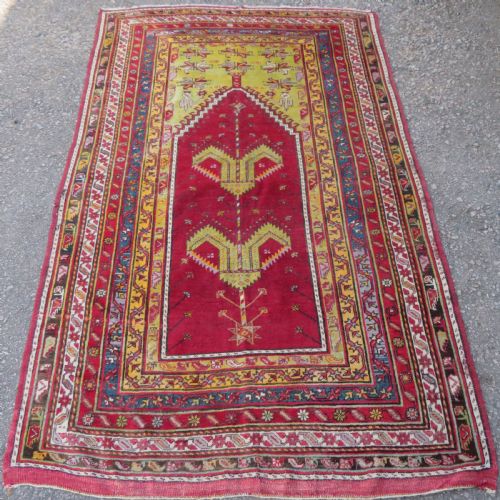
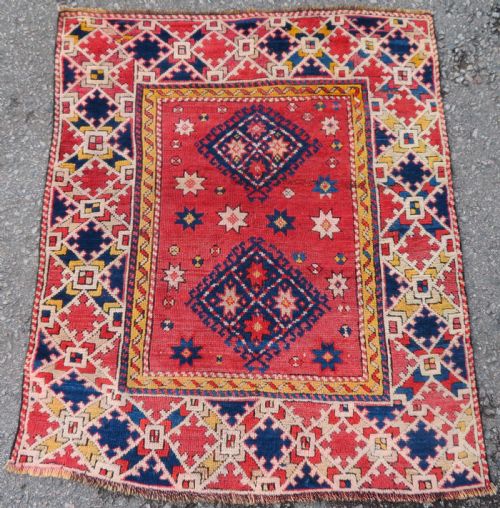
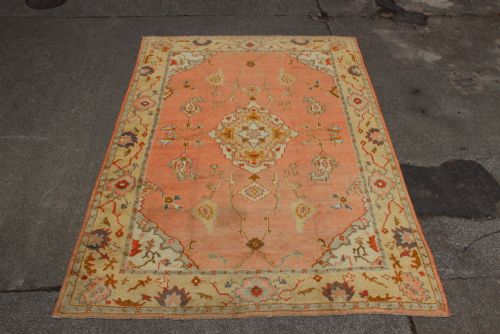

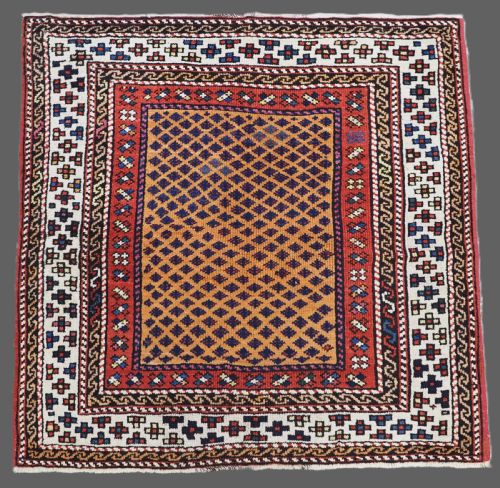
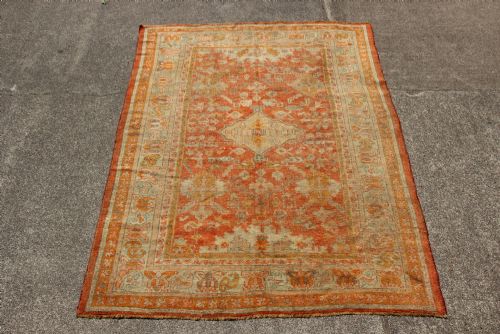

Vintage Turkish Wool Rug
When you search for a vintage turkish wool rug, you find woven floor coverings carrying generations of village tradition.
Vintage Turkish Wool Rug
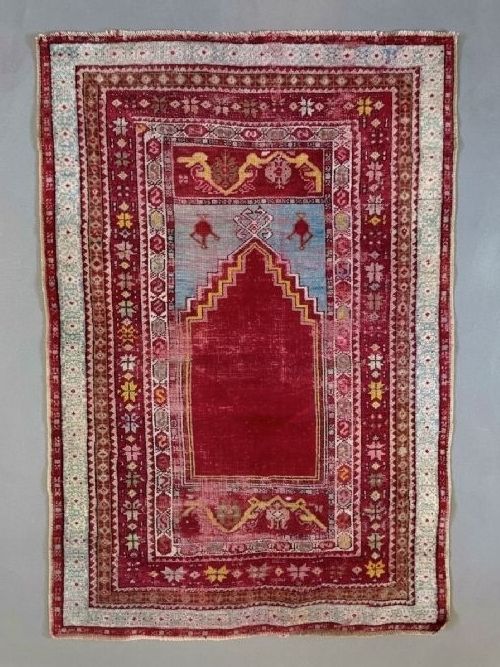
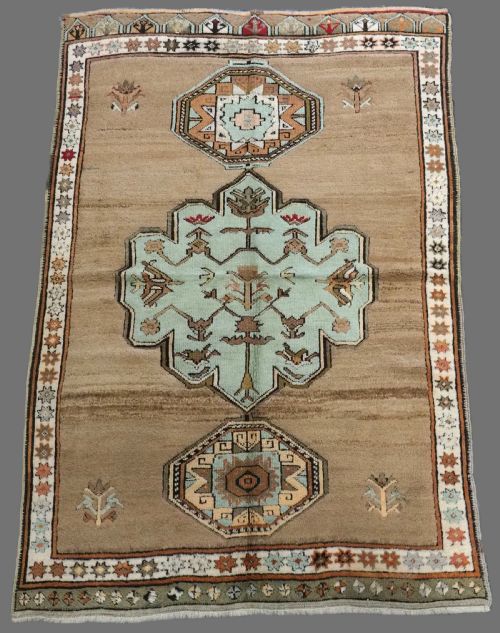
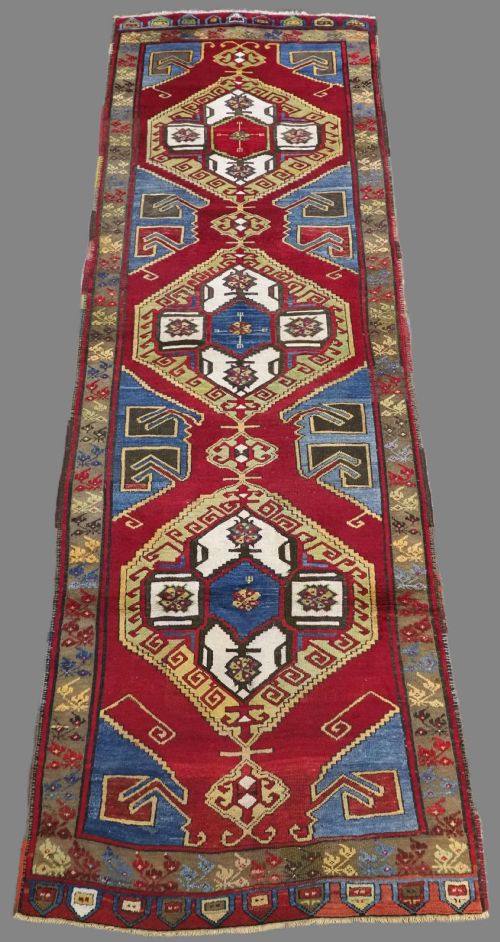
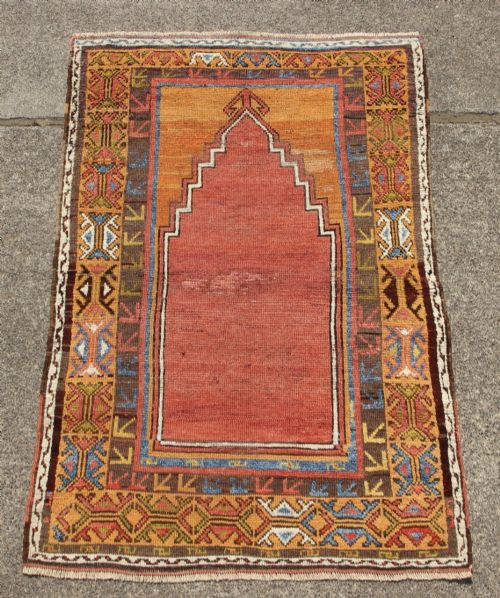
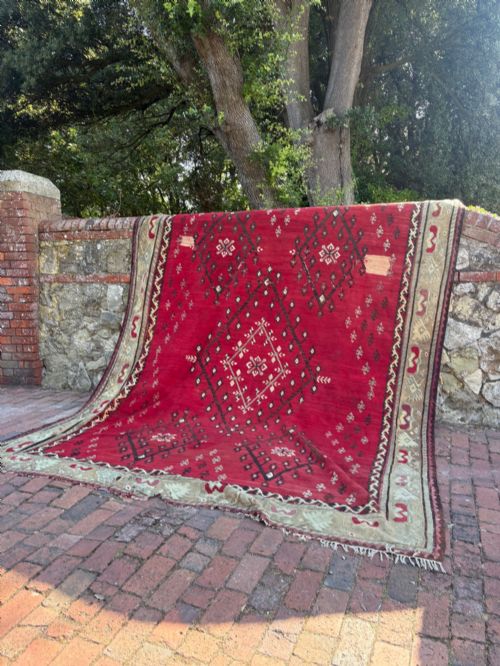
A vintage turkish wool rug brings tangible Anatolian heritage into a contemporary interior through time-worn textures and regional designs. Buyers encounter everything from small prayer mats to large carpets woven across various Central and Western Anatolian centres.
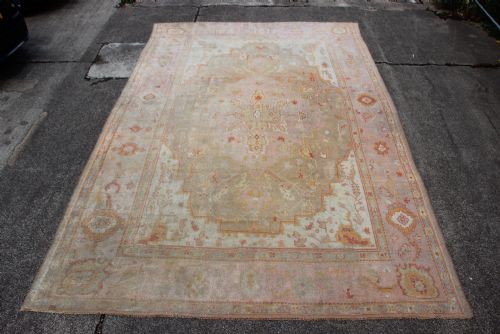
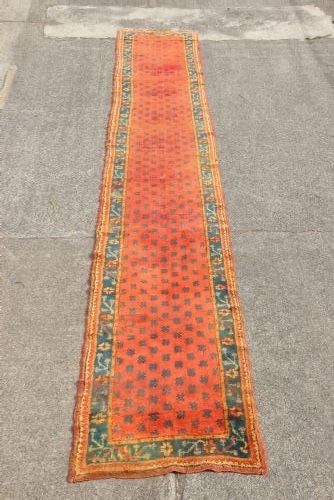
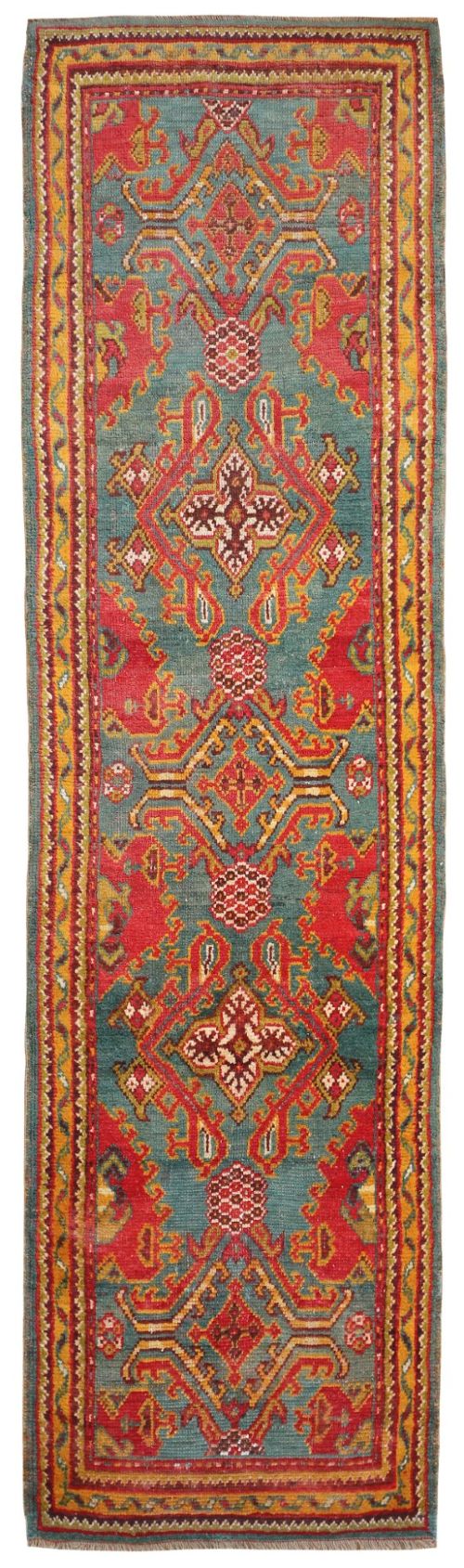
The pieces on this page span the late nineteenth century into the early decades of the twentieth century, including styles such as Oushak, Konya, Bergama, and Kirsehir. Formats range widely from square mats and long runners to expansive carpets and flatweave kelims.
Village and town workshops produced these floor coverings using traditional motifs rooted in Ottoman and Anatolian tribal aesthetics. Each piece reflects the specific aesthetic vocabulary of its district of origin, whether geometric village patterns or grander court-derived designs.
Materials and construction
Weavers constructed these textiles primarily using wool, cotton, and occasional camel wool foundations and piles. Hand-spun wool yarns provide the characteristic resilience and tactile depth observed across the inventory.
Natural dye traditions gave these textiles their characteristic colour palettes, which soften gracefully over decades of light and use. Foundation structures combine wool and cotton warps and wefts to create both plush piled carpets and flatwoven kelim surfaces.
Nomadic weavers occasionally embedded small asymmetry or intentional wool colour shifts into carpets to ward off misfortune.
Assessing quality in regional weaving
Quality rests in the handling of materials, the clarity of design layout, and the integrity of the weave. Finer examples display precise knot density and confident drawing within the medallions, borders, and field patterns.
The character of the wool and the depth of the dye palette dictate the visual impact of an older textile. Pieces that retain balanced proportions and harmonious colour transitions separate themselves within any collection of regional weaving.
The Vintage Turkish Wool Rug Glossary
- Prayer rug
- A small format textile featuring a distinctive architectural arch or mihrab design at one end, traditionally used for individual daily prayer.
- Kelims
- Flatwoven rugs and carpets produced without a knotted pile, resulting in a lighter, tapestry-like structure often associated with nomadic production.
- Oushak
- A town in Western Anatolia renowned for large-scale decorative carpets featuring restrained medallion designs and pale, muted colour palettes.
- Warp
- The vertical structural threads stretched tightly on the loom before weaving begins, forming the foundation to which the knots attach.
- Weft
- The horizontal threads passed back and forth across the warp threads to secure the knots and bind the structure together row by row.
Vintage Turkish Wool Rug: Frequently Asked Questions
How do I clean an old wool rug?
Gentle surface brushing and careful professional washing suited to natural dyes preserve the delicate fibres without causing dye transfer or structural weakening.
Avoid harsh chemical treatments or immersion washing unless handled by a specialist familiar with antique vegetable-dyed wool textiles.
Where were these pieces originally made?
Weavers produced these textiles across various regions of Anatolia, encompassing both settled urban workshops in towns like Oushak and rural village communities.
Specific design elements often point toward particular districts, reflecting local tribal traditions and regional preferences.
Can I place these rugs in high-traffic areas?
Sturdy wool construction allows these floor coverings to handle moderate walking traffic when paired with a quality underlay that prevents slipping and friction.
Placing them away from harsh direct sunlight also helps protect natural dyes from accelerated fading over time.
What indicates a village piece versus a town piece?
Town workshops generally produced larger carpets with balanced, curvilinear floral layouts, whereas village weavers tended toward bolder geometric motifs and asymmetrical tribal symbols. n Materials and palette choices also vary between urban centres and remote pastoral settlements.