
Vintage Trinket Dish
When you search for a vintage trinket dish, you uncover small receptacles made to hold personal treasures from past decades.
Vintage Trinket Dish
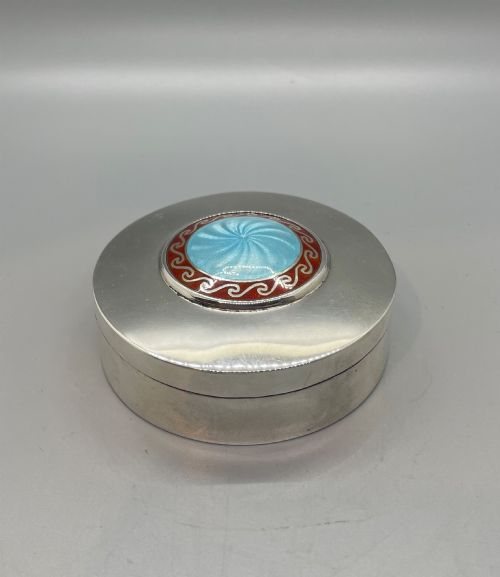
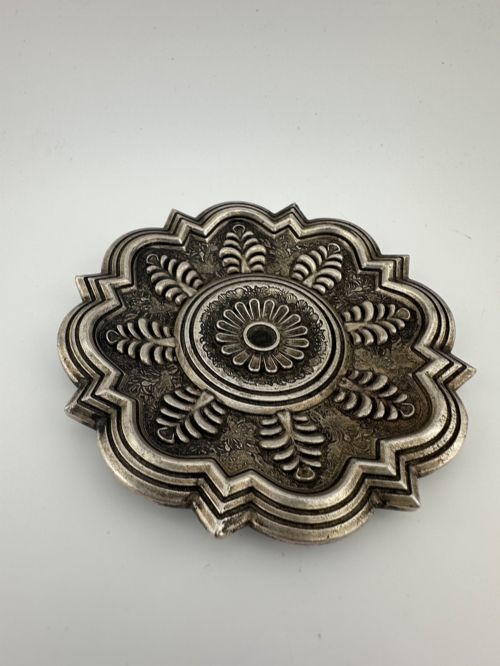
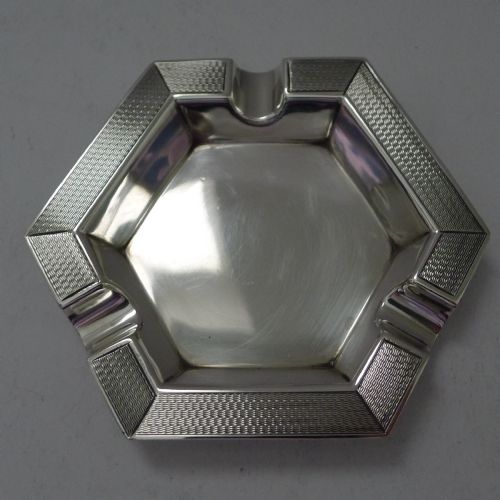
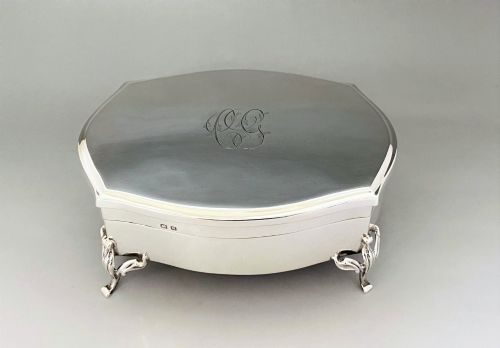
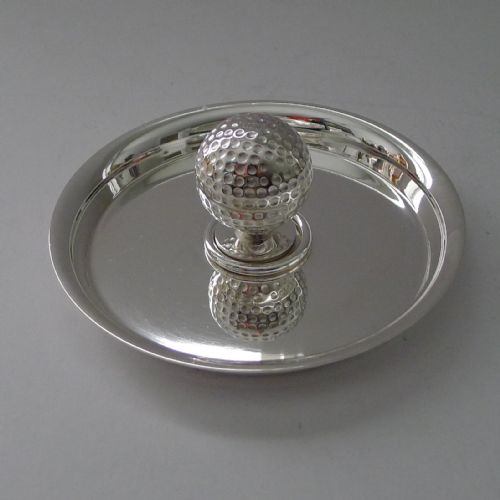
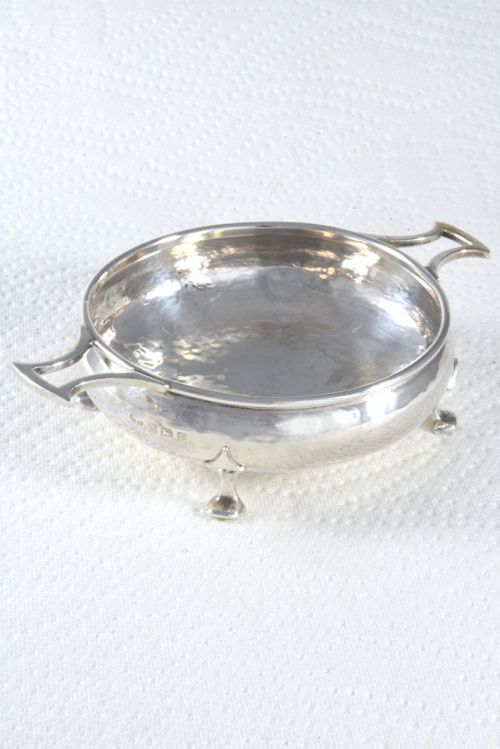
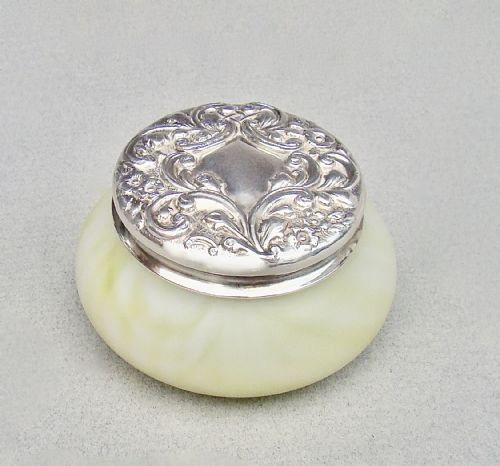
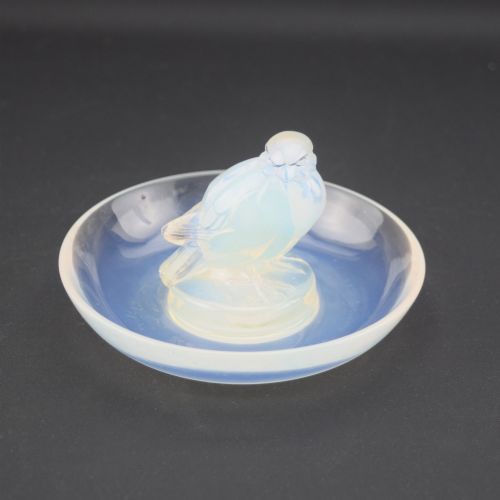
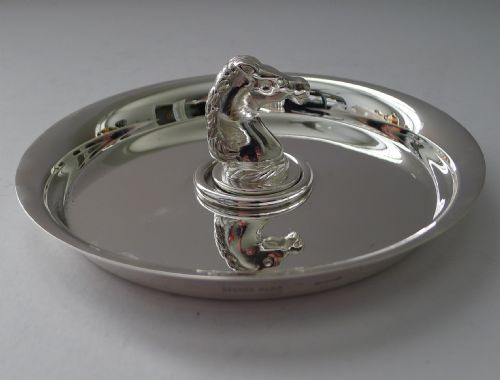
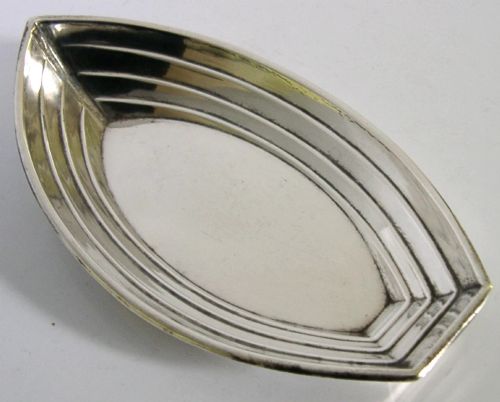
A vintage trinket dish satisfies a practical need for surface organisation while displaying the distinct aesthetic choices of periods like the Edwardian era, Art Deco, and Mid-Century Modern. Buyers encounter a variety of forms here, ranging from shallow pin dishes and decorative bowls to lidded boxes and novelty items intended for dressing tables or hallways.
The objects span multiple decades, including the 1900s, 1920s, 1950s, and 1960s, reflecting changing domestic habits. Pieces often originate from British workshops alongside continental European and international makers, showcasing diverse regional craft traditions.
Most examples function as catch-alls for rings, pins, and small accessories, bridging the gap between utilitarian storage and ornamental display. The inventory relies on survivors from households that valued intricate desktop and dressing table accessories.
Materials and Techniques
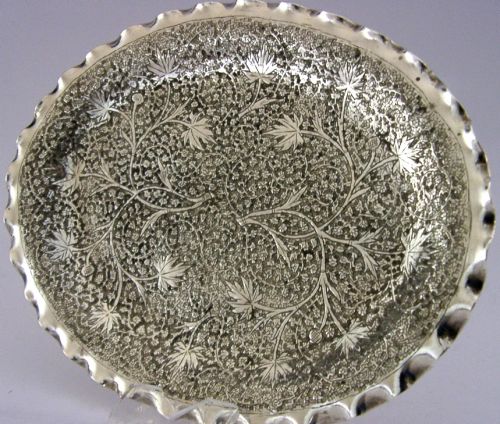
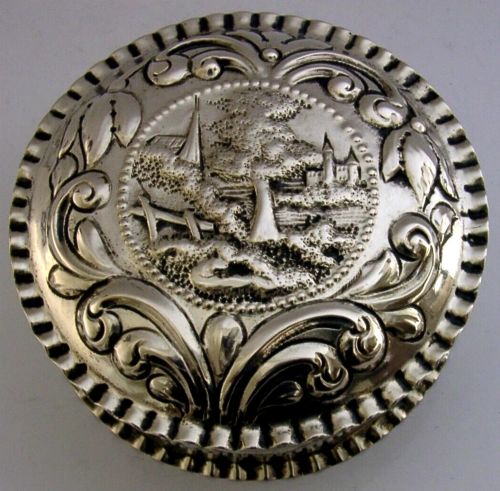
Metals form a substantial portion of the output, utilising sterling silver, silver plate, and white metal shaped through casting, piercing, and repoussé work. Silversmiths frequently incorporated hallmarks to indicate assay office origins and dates.
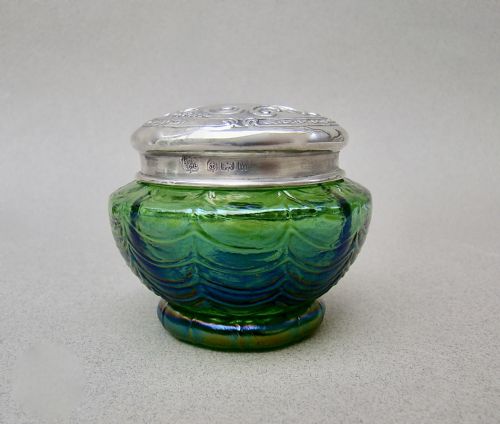
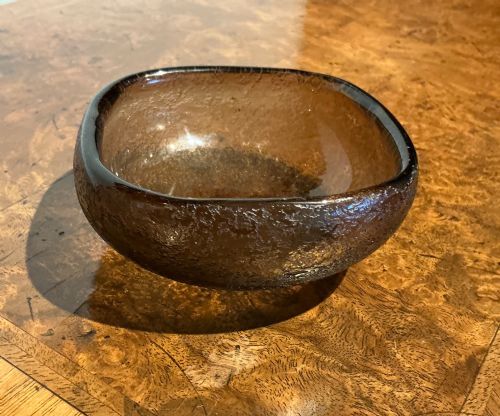
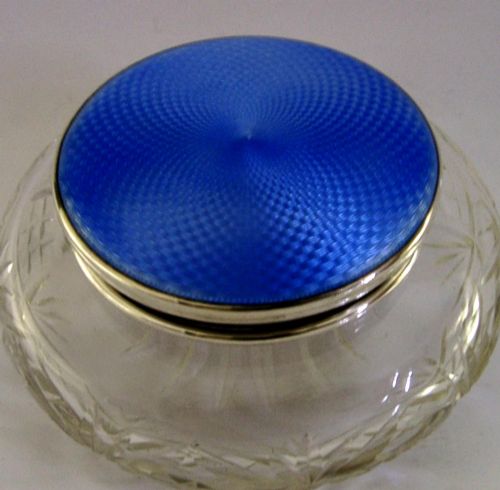
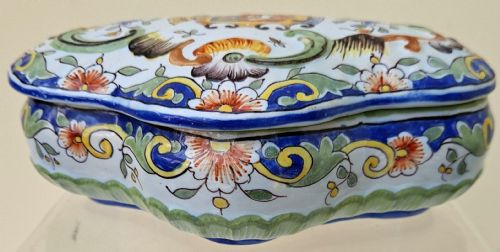
Listings combine 19th-century items with Mid-Century Modern designs, uniting sterling silver, cut glass, porcelain, and enamel forms.
Distinctions in Execution
Quality reveals itself in the precision of the metalwork, the clarity of glass cutting, and the crispness of ceramic painting. Heavier gauge silver and cleanly cast bronze or brass elements display a substantial weight that lighter stamped versions lack.
Surface details such as hand-applied enamel work, tortoiseshell inserts, and secure hinge mechanisms for lidded boxes separate standard production items from superior studio or workshop commissions.
A. J. Pepper & Co·William Neale·A. Bromet & Co·Rene Lalique·Paul Müller Selb
The Vintage Trinket Dish Glossary
- Vide-poche
- A small shallow dish designed for emptying pockets of coins, keys, and small items upon entering a room. The term translates from French as empty-pocket.
- Pin dish
- A miniature shallow receptacle originally intended for holding straight pins used in sewing and dressing. These often feature decorative rims and figural motifs.
- Hallmark
- An official stamp struck on precious metals indicating the standard of purity, the assay office, and the year of manufacture. It provides verifiable historical data for silver pieces.
- Faience
- Tin-glazed earthenware produced in France and other European regions, typically decorated with blue and white pigments. It offers an opaque ceramic surface for painted designs.
- Repoussé
- A metalworking technique where the artisan hammers the design from the reverse side to form a raised relief pattern on the front. This method adds tactile dimension to silver trays and boxes.
Vintage Trinket Dish: Frequently Asked Questions
What were vintage trinket dishes used for?
These small vessels served primarily on dressing tables and mantelpieces to contain loose jewellery, hairpins, and small personal items. They provided a designated surface to prevent delicate accessories from getting lost.
Over time, their roles expanded into hallway catch-alls and decorative display objects. Households utilised them to organise daily pocket contents rather than for secure storage.
How do I date a silver trinket box?
Dating relies heavily on identifying the stamped hallmarks located on the metal body or rim. These assay marks indicate specific towns and exact years of production.
Stylistic cues such as Edwardian garlands or Art Deco geometric lines also help narrow down the decade. Comparing the maker's mark against historical records confirms the manufacturing period.
What is the difference between a pin dish and a vide-poche?
Pin dishes are typically smaller and shallower, designed specifically for sewing pins on a dressing table. They often feature delicate floral or monogrammed designs.
Vide-poches function as larger entry-hall trays meant to hold everyday pocket contents like keys and coins. The French term translates directly to empty-pocket.
How should I care for silver and glass dishes?
Maintenance requires gentle cleaning using non-abrasive cloths to preserve metal patinas and delicate glass surfaces. Avoid harsh chemical dips that strip away historical ageing on silver items.
Display them away from direct sunlight to protect coloured enamels and fragile glazes. Regular dusting prevents particle buildup in intricate repoussé crevices.