


Silver Plated Card Tray
These silver plated card tray pieces bring the elegance of calling card etiquette straight to your table.
Silver Plated Card Tray
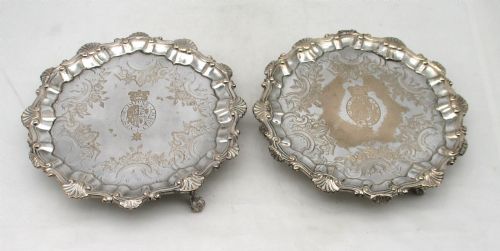
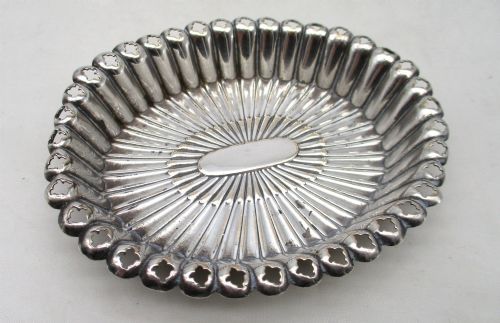
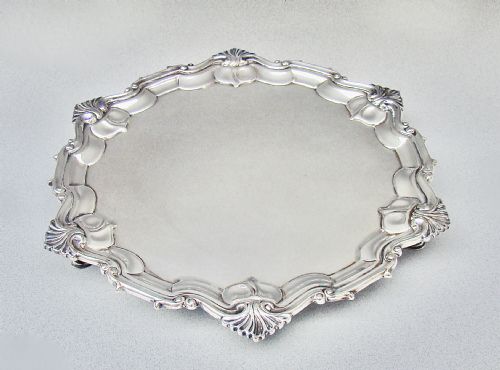
A silver plated card tray is a compact vessel designed historically for holding visiting cards, letters, or small trinkets in a domestic setting. These pieces range from Georgian and 18th Century Old Sheffield Plate examples to Victorian and Edwardian salvers, pin trays, and shell dishes.
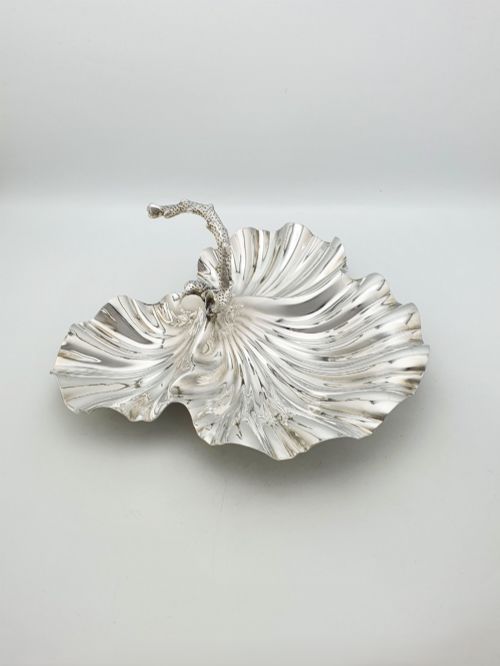
You will encounter various forms on this page, including hexagonal Art Deco dishes, leaf-shaped servers, and figural Art Nouveau pieces. The selection spans formal salvers and smaller decorative dishes intended for everyday use on a hall table.
Originating across different eras, these items reflect changing social rituals and domestic needs. Whether you seek an 18th Century Old Sheffield Plate piece or a later Edwardian tray, each item serves as a functional decorative object.
How they were made
Early examples utilise Old Sheffield Plate, a technique fusing a layer of silver onto a copper base, often visible along unplated edges or wear points. Later items employ electroplating onto nickel silver, Britannia metal, or copper.
Manufacturing methods evolved from fused plate techniques to electroplated deposition and pewter casting, enabling intricate details like stylised coral handles and maiden figures. Makers applied diverse finishes, ranging from bright polished silver plate to patinated pewter.
What varies in quality
Quality rests in the crispness of the casting, the durability of the plated surface, and the integrity of the underlying metal. Pieces displaying sharp repoussé work, balanced proportions, and clean joints stand apart from simpler production items.
The choice of base metal and plating method also defines the piece, with fused Old Sheffield Plate carrying distinct historical weight compared to later mass-produced electroplated wares. Preserved surface detail on figural ornaments and engraved borders indicates superior craftsmanship.
William Hutton & Sons·WMF·John Collyer Birmingham·Tiffany & Co
The Silver Plated Card Tray Glossary
- Old Sheffield Plate
- An early method of fusing a thin sheet of silver to a thick copper ingot before rolling them into sheets. This technique predates modern electroplating.
- Electroplated Nickel Silver
- A base alloy of copper, nickel, and zinc coated with a thin layer of silver using an electrical current. This process became widespread during the Victorian era.
- Britannia Metal
- A form of pewter composed largely of tin, antimony, and copper, used as a base metal for silver plating or finished on its own. It is lighter and harder than traditional pewter.
- Salver
- A flat tray, usually with feet, used for serving food and drinks or for presenting visiting cards. They form a core category among these metalwares.
- Repoussé
- A metalworking technique where the artist hammers the metal from the reverse side to form a raised design on the front. It is frequently seen on decorative Victorian and Art Nouveau dishes.
Silver Plated Card Tray: Frequently Asked Questions
What is the difference between Old Sheffield Plate and silver plate?
Old Sheffield Plate involves physically fusing a layer of silver to a copper block through heat and pressure before rolling it into sheets. This 18th Century process differs from later electroplating, which applies silver chemically via an electric current.
You can often spot Old Sheffield Plate by examining the edges where the underlying copper shows through as a thin reddish line. Electroplated items generally show a white base metal beneath worn silver spots.
How were these trays used historically?
These trays served primarily as calling card receivers in the hallway of a home, where visitors would leave their cards upon making a social call. They also functioned as pin trays, sweet dishes, or repositories for keys and small personal items.
Over time, their uses expanded across different domestic spaces, adapting from formal reception rooms to dressing tables and desks.
Can I use my tray for serving food?
Many silver plated trays and dishes are suitable for serving dry foods, sweets, or small fruits, provided the silver plating remains intact. Avoid serving acidic foods directly on worn surfaces where base metals like copper or brass might be exposed.
Consider the condition of the individual piece and its plating before using it for culinary purposes, as older items are often best reserved for display or holding non-food items.