

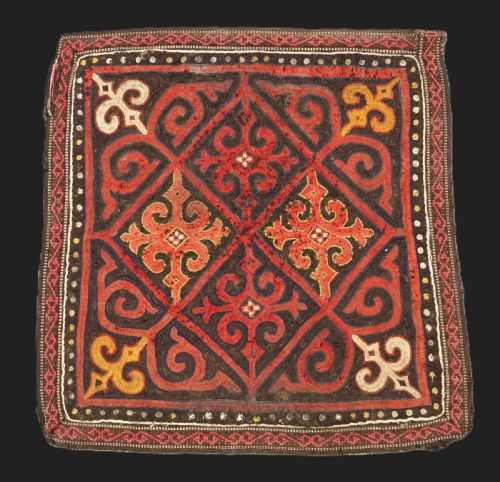


Vintage Tribal Tapestry
A vintage tribal tapestry brings rich textile history into a room, offering tactile warmth and complex geometric or floral symbolism.
Vintage Tribal Tapestry
When searching for a vintage tribal tapestry, buyers examine woven and embroidered objects originating from Central Asia, Persia, and Anatolia. These pieces encompass utilitarian items, dowry pieces, and decorative wall hangings created by nomadic and village communities.
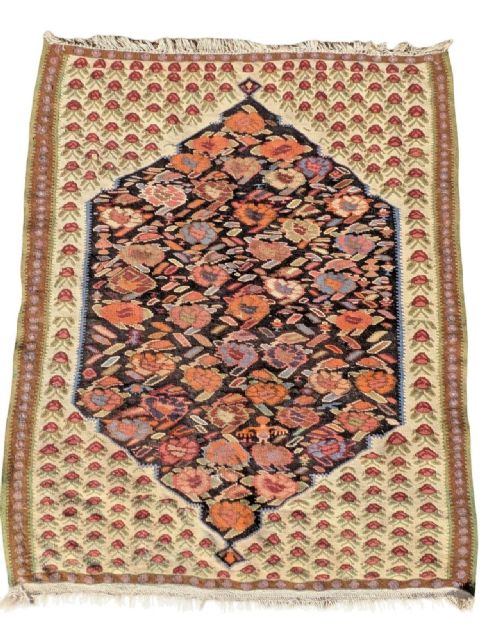
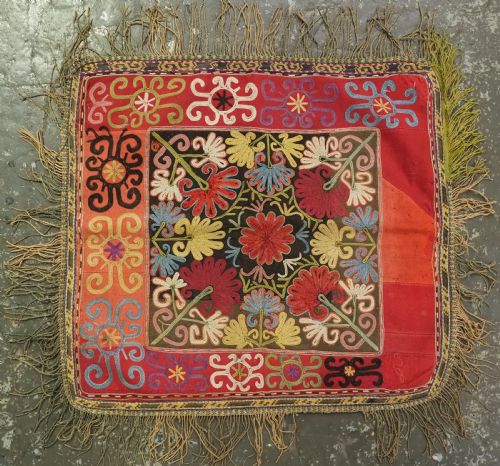
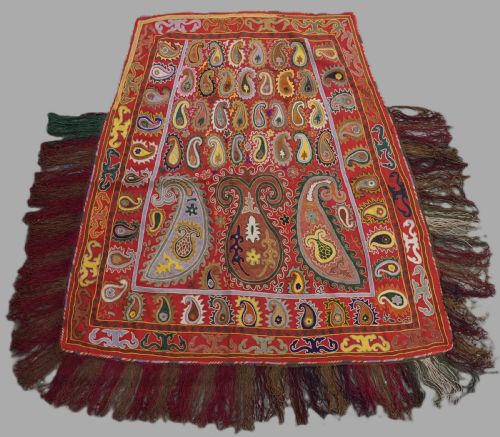
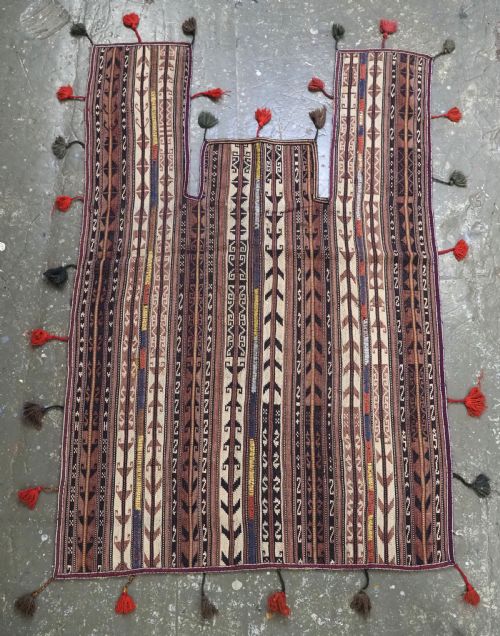
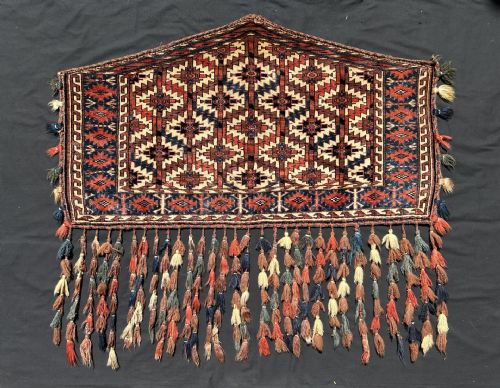
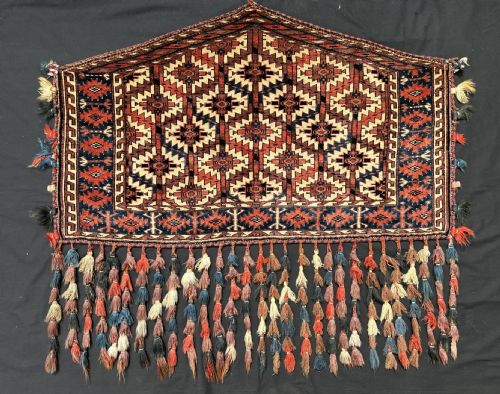
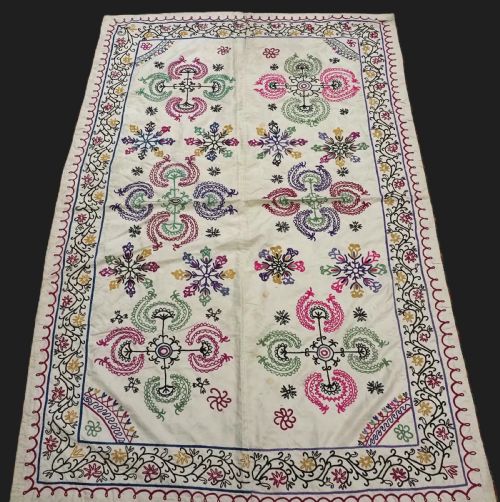
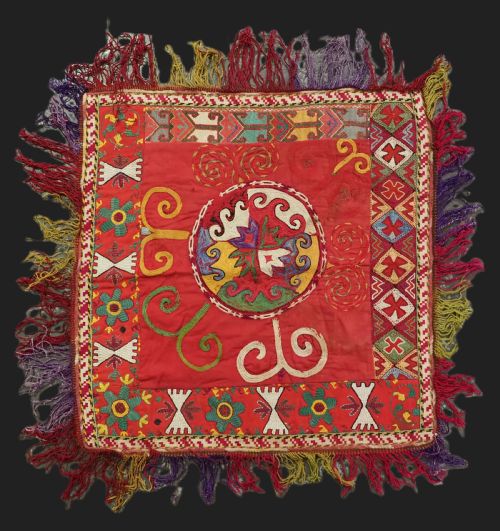
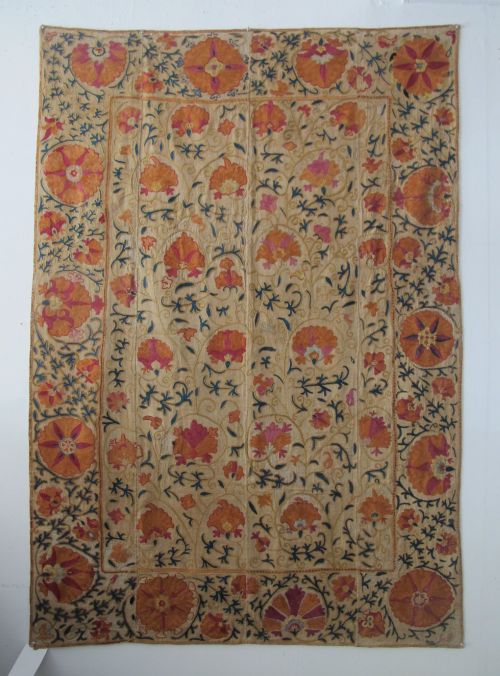
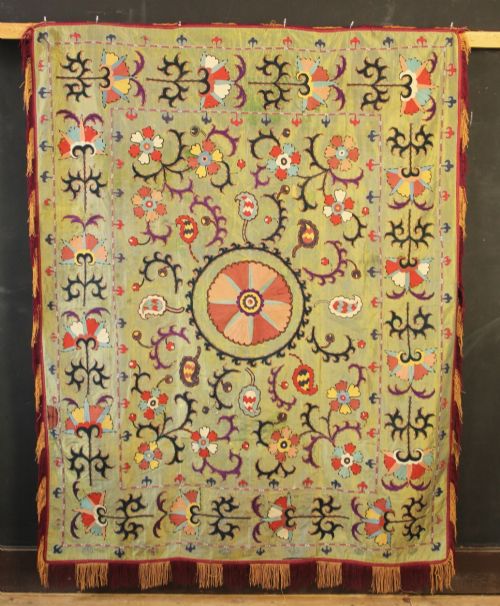
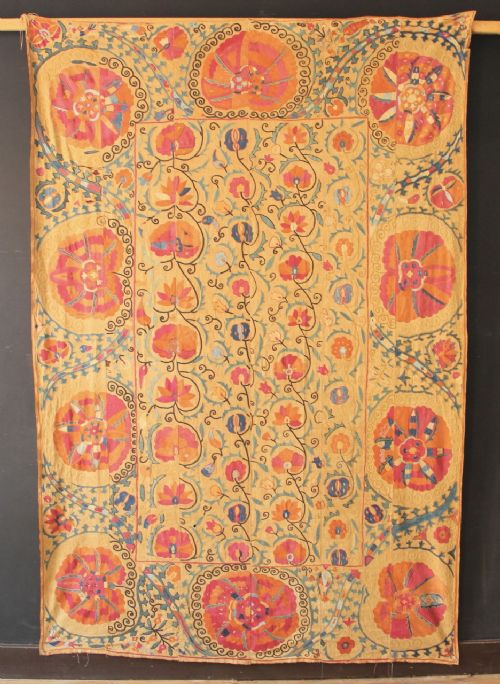
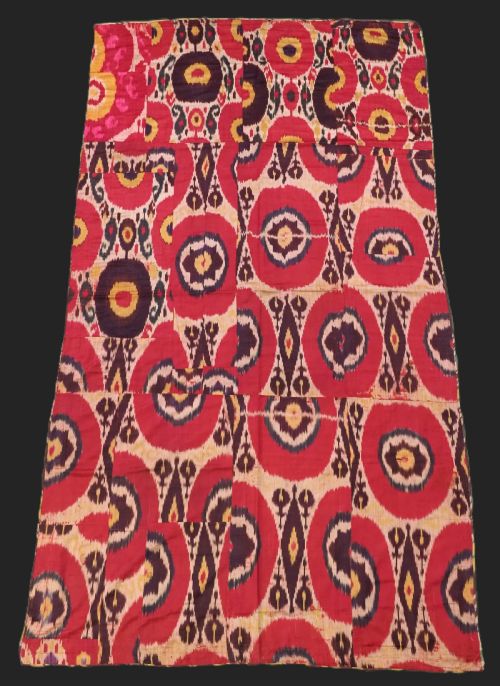
The most common examples on this page include Uzbek suzanis, Turkmen asmalyks, horse covers, kilim rugs, and yurt wall hangings. Dating primarily from the nineteenth and early twentieth centuries, these textiles reflect distinct regional traditions and nomadic lifestyles.
Materials and construction methods
Makers utilised natural fibres such as wool, cotton, silk, camel hair, and felt as the foundation for these textiles. Hand-spun wool and cotton provide the structural base for flat-woven kilims and heavy pile carpets.
Needlework embellishment distinguishes many examples, employing vibrant silk threads stitched onto cotton or wool grounds. Natural dye sources yield deep reds, greens, and dark foundations that anchor the intricate patterns.
Current listings feature materials including hand-spun wool, silk, cotton, felt, and camel hair across nineteenth and early twentieth-century origins.
Assessing quality in tribal textiles
The density and fineness of the stitchwork or weave determine the tier of an individual piece, alongside the complexity of the design layout. Full-work embroidery and tightly packed flat-weave structures require significantly more labour and technical skill.
The vibrancy and retention of natural dyes, as well as the integrity of the ground fabric, differentiate standard domestic pieces from finer ceremonial and dowry textiles. Original hanging loops, complete borders, and balanced proportions further elevate the standing of a textile.
The Vintage Tribal Tapestry Glossary
- Suzani
- An embroidered textile from Uzbekistan, traditionally stitched in silk on a cotton or silk ground for dowries and domestic decoration. These panels display large floral medallions and vine motifs.
- Kilim
- A flat-woven carpet or rug produced without a pile by tightly interweaving warp and weft threads. This technique creates geometric patterns visible from both sides.
- Asmalyk
- A pentagonal or hexagonal camel caparison made by Turkmen tribes, specifically the Yomut, used during wedding processions. They are subsequently displayed inside the yurt.
- Gul
- A repeating octagonal medallion motif associated with Turkmen carpet-weaving tribes. Each pattern identifies the specific tribal group or sub-clan.
- Sofreh
- A woven or embroidered cloth used during meals or dough preparation among nomadic groups such as the Afshar and Baluch. These textiles often feature minimalist geometric field designs.
Vintage Tribal Tapestry: Frequently Asked Questions
How were these textiles originally used?
Nomadic and village communities utilised these pieces for practical, ceremonial, and decorative purposes within tents and homes. Items served as dowry furnishings, wall hangings, animal covers during processions, and eating cloths.
Over time, many of these functional objects transitioned into purely decorative interior items valued for their textile artistry and cultural heritage.
How do I care for a textile wall hanging?
Display textiles away from direct sunlight to prevent natural dye fading and fibre degradation. Support the weight evenly across the upper edge if hanging vertically rather than pinning through the fabric.
Consult a textile conservator for cleaning, and avoid standard domestic washing methods that can damage aged silk and wool.
How can I tell different tribal regions apart?
Regional attribution relies on specific structural techniques, colour palettes, and distinct motif vocabularies. For instance, Uzbek pieces frequently showcase bold silk embroidery on cotton grounds, while Turkmen items often feature geometric guls on deep red wool.
Familiarity with the specific weaving structures of groups like the Yomut, Shahsavan, and Lakai helps clarify origins.
What is the difference between a suzani and a kilim?
A suzani is primarily an embroidered panel featuring needlework stitched onto a woven foundation fabric, typically originating from Uzbekistan. In contrast, a kilim is a flat-woven textile where the pattern is created during the actual weaving process by interlocking coloured weft threads.
Both forms offer distinct textures and visual styles suitable for wall display or floor placement.