
Vintage Tiered Table
A vintage tiered table offers stacked surfaces for display and service, combining the utility of multiple tiers with period charm.
Vintage Tiered Table
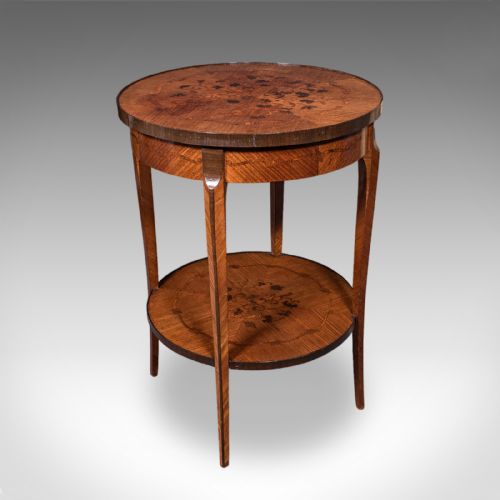
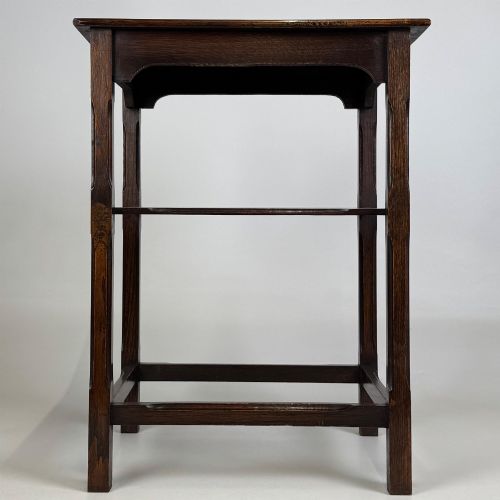
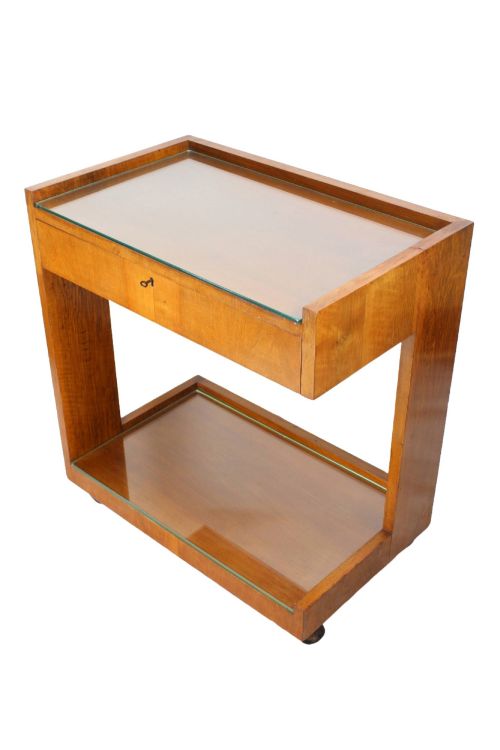
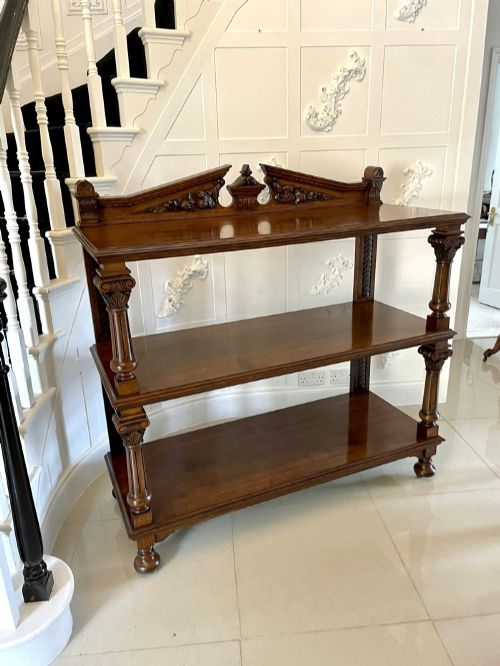
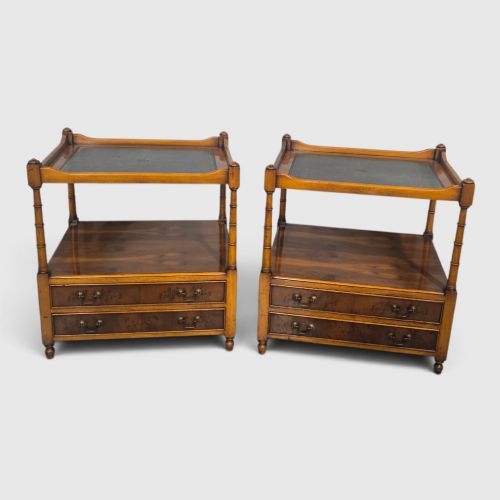
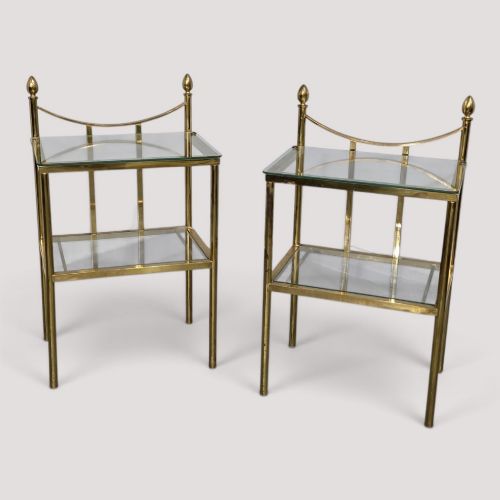
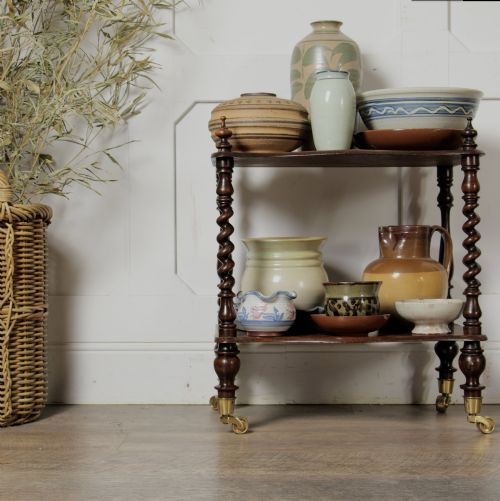
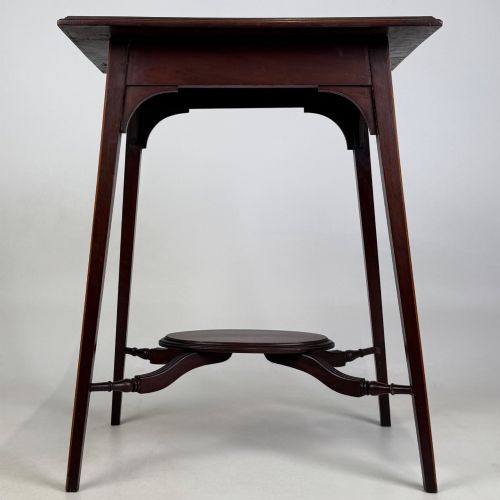
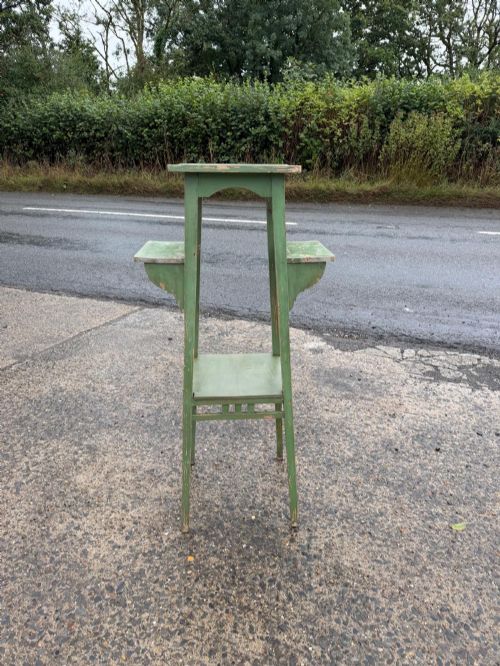
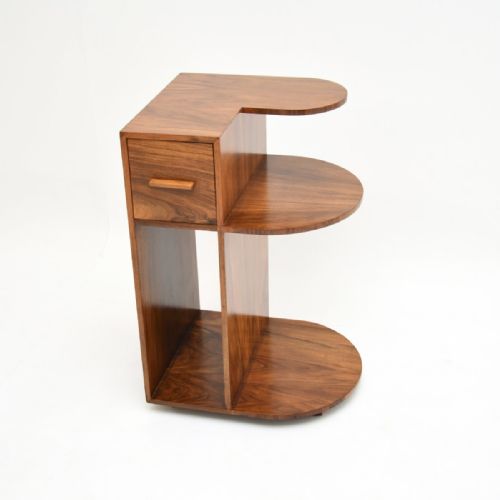
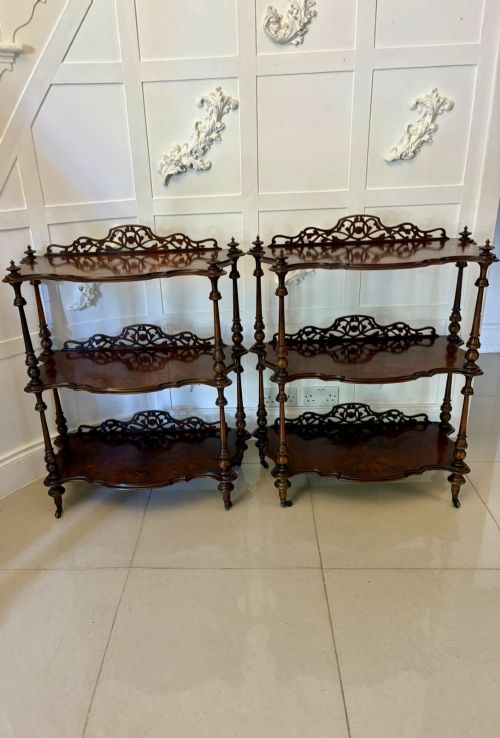
A vintage tiered table provides multiple horizontal surfaces arranged vertically to maximise display and storage space in a room. When you examine a vintage tiered table on this page, you encounter forms ranging from Edwardian side tables and Art Deco trolleys to Victorian whatnots and etagères.
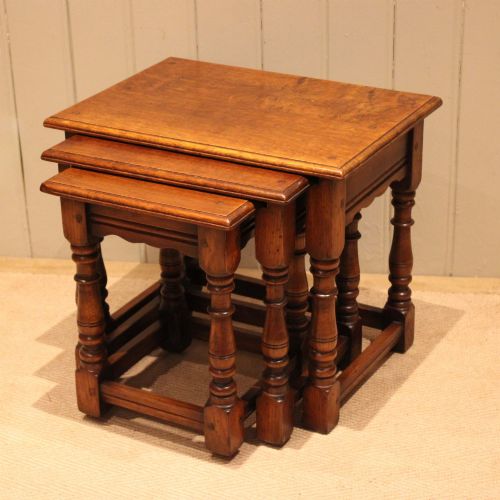
The selection spans periods from the nineteenth century through the Edwardian era and into the Art Deco epoch of the nineteen-thirties. Common formats include two-tier occasional tables, three-tier nests, plant stands, and dumb waiters carrying multiple platforms.
Originating largely from British and continental workshops, these pieces function as side tables, lamp tables, and drinks trolleys. The multi-level structure serves domestic interiors by lifting objects across distinct heights without demanding additional floor space.
Materials and construction methods
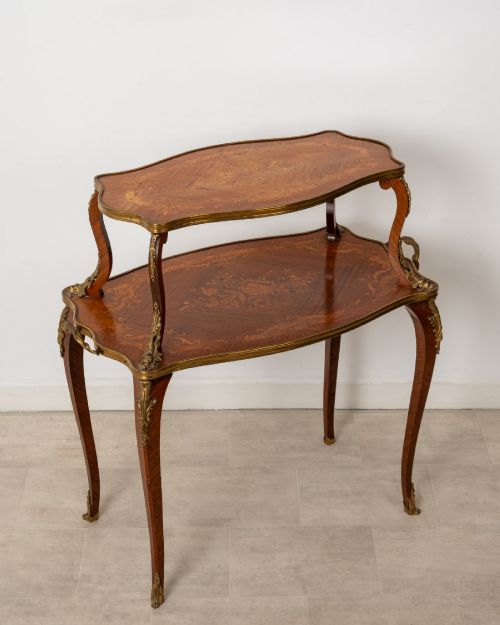
Cabinetmakers built these tables using timbers such as mahogany, oak, walnut, rosewood, and kingwood, frequently applying burr walnut veneer or marquetry to upper surfaces. Structural elements also incorporate brass, bamboo, and lacquered metal paired with glass or marble inserts.
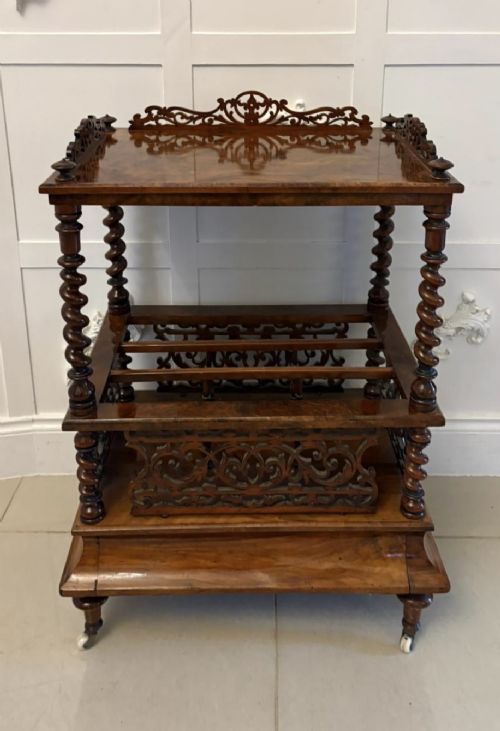
Joinery methods reflect the manufacturing period, utilising traditional solid wood construction alongside applied veneers and turned supports like barley twist legs. Decorative details include inlaid satinwood, carved oak, and original painted finishes.
Materials represented across the inventory include solid oak, brass, bamboo, marble, and figured walnut veneer.
Distinctions in quality and execution
The standard of a tiered table rests on the selection of timber veneers, the crispness of carved or turned details, and the stability of the vertical supports holding the multiple platforms. Superior examples display figured grain patterns, balanced proportions, and refined inlay work rather than plain secondary woods.
Execution of secondary materials also dictates grade, such as heavy gauge brass, securely seated marble tops, and intact leather surfaces. Tables retaining original paint, patinated hardware, and uncompromised structural joints demonstrate higher workshop origins.
The Vintage Tiered Table Glossary
- Étagère
- A piece of furniture consisting of a set of open shelves for displaying small objects. This French form became popular in various iterations across the Victorian and Edwardian periods.
- Whatnot
- An open set of shelves used for displaying ornaments or books. Victorian examples often feature multiple tiers supported by slender turned columns.
- Dumb waiter
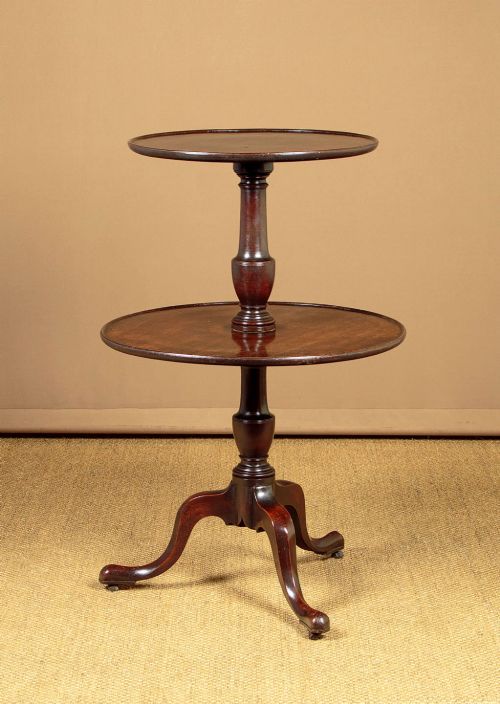
- A tiered serving table or stand used to hold food and utensils without requiring a servant. Georgian and nineteenth-century versions typically employ rotating or stacked circular trays.
- Marquetry
- Decorative veneer work forming geometric or pictorial patterns using various coloured woods. It appears frequently on the top surfaces of Edwardian and continental pieces.
Vintage Tiered Table: Frequently Asked Questions
What is a tiered table used for?
A tiered table provides stacked surfaces for placing lamps, books, and decorative objects while occupying minimal floor space.
In period interiors, similar forms functioned as tea trolleys, plant stands, or bedside tables depending on the number of shelves.
How do I identify an Edwardian tiered table?
Edwardian tiered tables often feature lighter timbers such as mahogany, satinwood inlay, or rosewood.
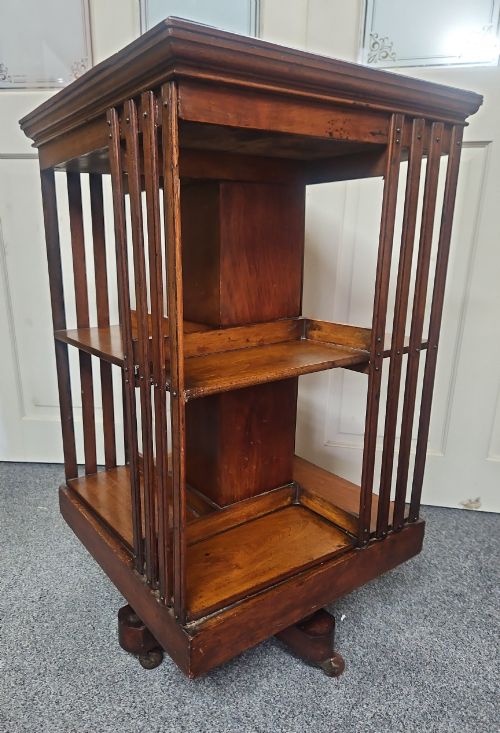
They frequently take the form of revolving bookcases, etagères, or slender two-tier plant stands dating from the early twentieth century.
What is the difference between an etagere and a whatnot?
An etagere is typically a French-influenced display piece with multiple open shelves for ornaments.
A whatnot is the British term often applied to similar multi-tiered shelving stands from the Victorian era.
Are Art Deco tiered tables different?
Art Deco tiered tables emphasise geometric forms and distinct materials like figured walnut, limed oak, and chromium or brass.
They often serve as occasional coffee tables or two-tier drinks trolleys from the nineteen-thirties.
How do I care for a veneered tiered table?
Maintain veneered surfaces by keeping them away from direct sunlight and excessive moisture.
Apply a traditional beeswax polish occasionally to nourish the timber and preserve the historic finish.