
Vintage Tapestry Chair
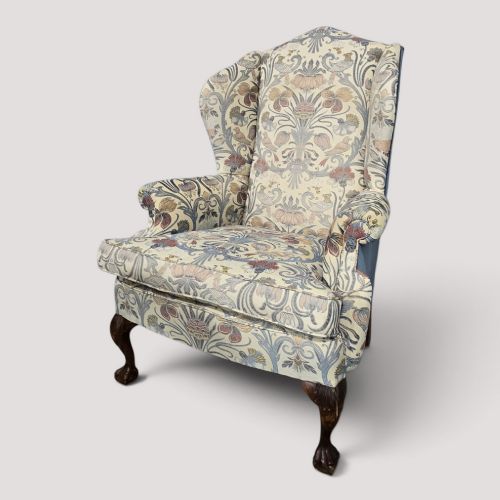
A vintage tapestry chair brings texture and historic character to a room, offering robust seating wrapped in woven textile or needlepoint upholstery.
Vintage Tapestry Chair
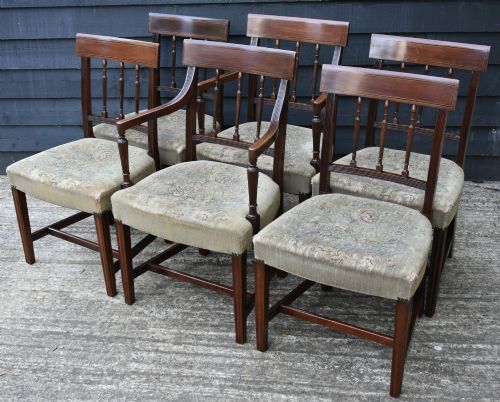
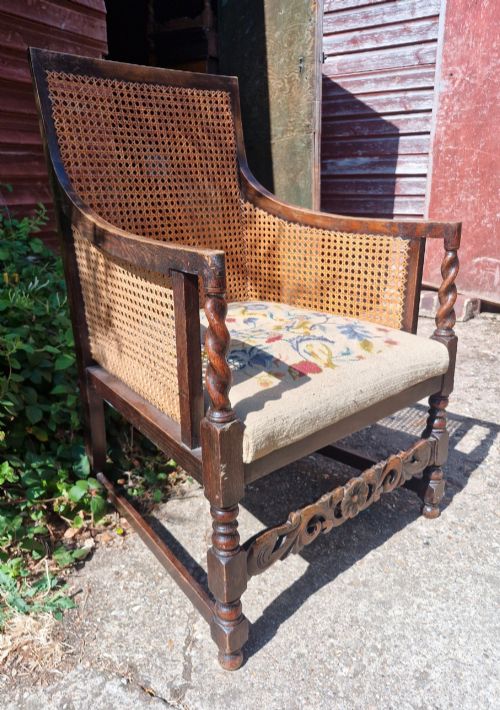
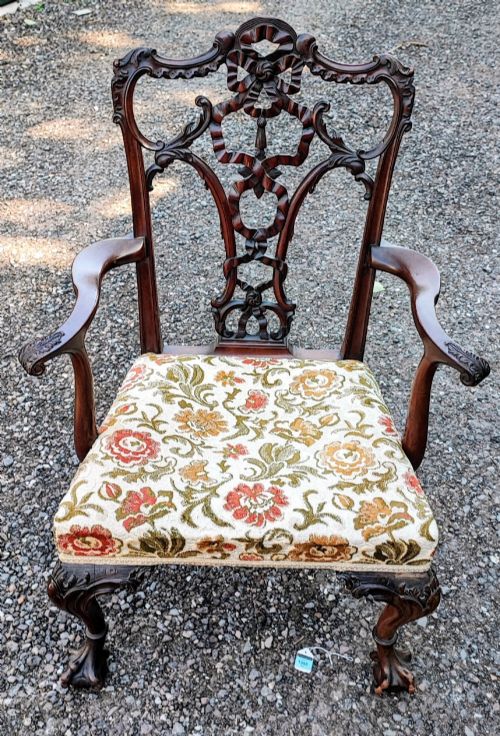
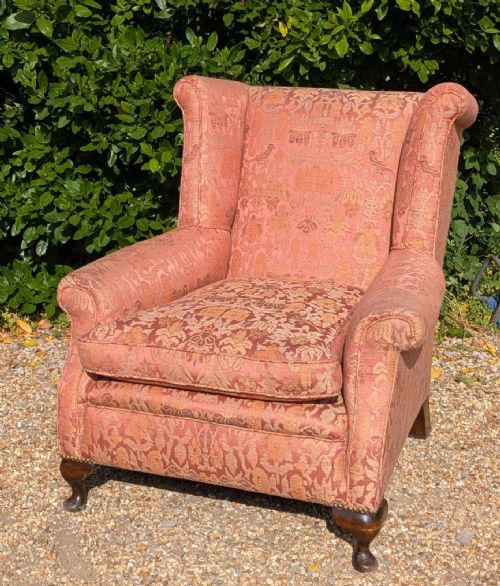
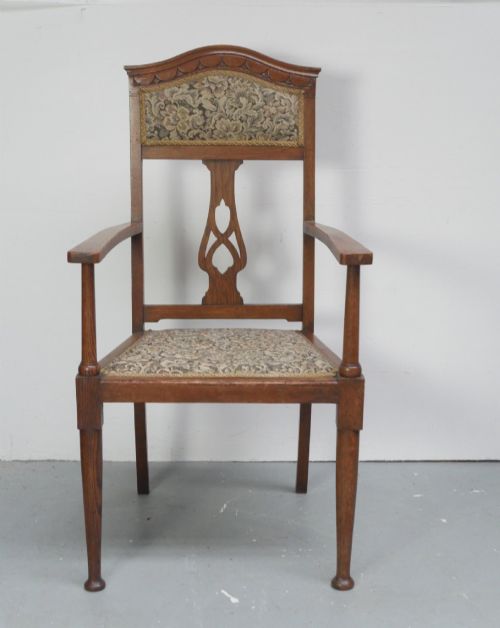
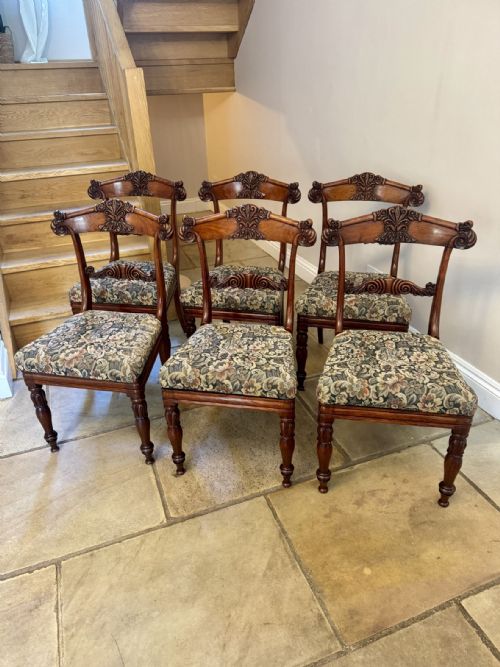
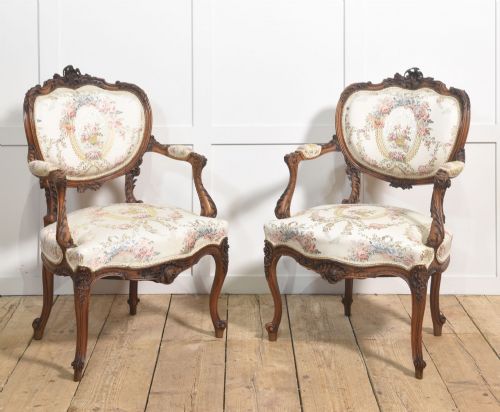
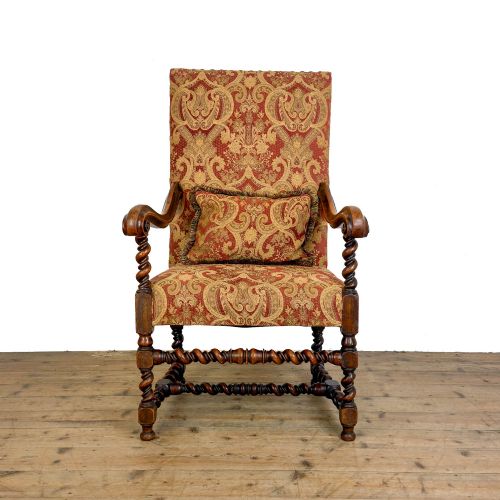
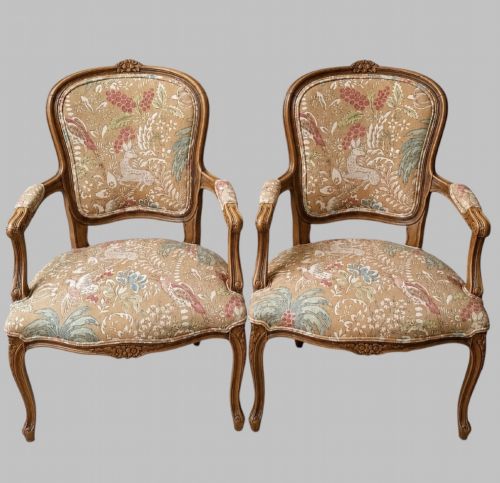
A vintage tapestry chair combines a sturdy timber frame with woven textile, needlepoint, or tapestry upholstery. When searching for a vintage tapestry chair, buyers encounter various forms ranging from large open armchairs and library seats to occasional chairs and salon suites.
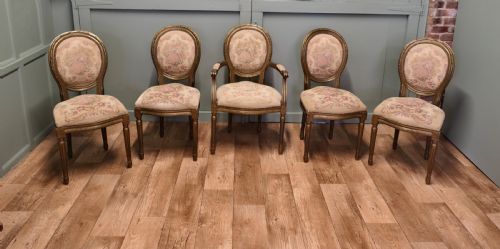
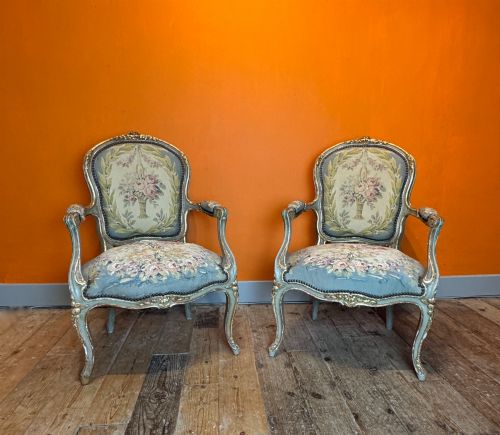
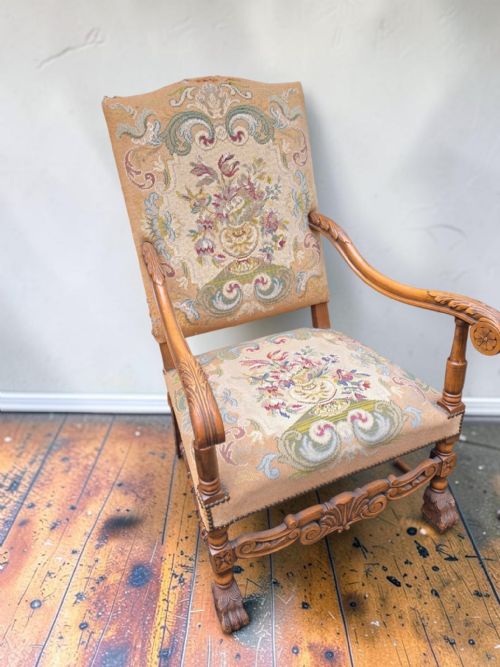
The selection spans multiple periods, with many pieces originating in the nineteenth and early twentieth centuries alongside revivals of earlier historical styles. Frames take diverse shapes, including French painted open armchairs, walnut elbow chairs, and solid oak armchairs.
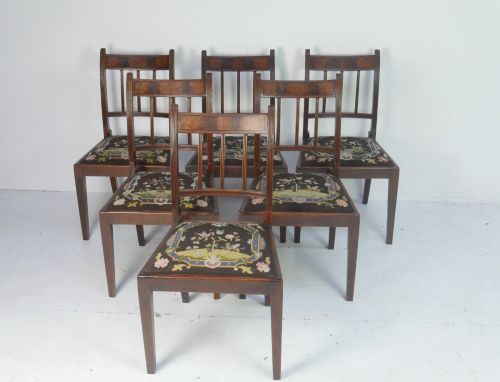
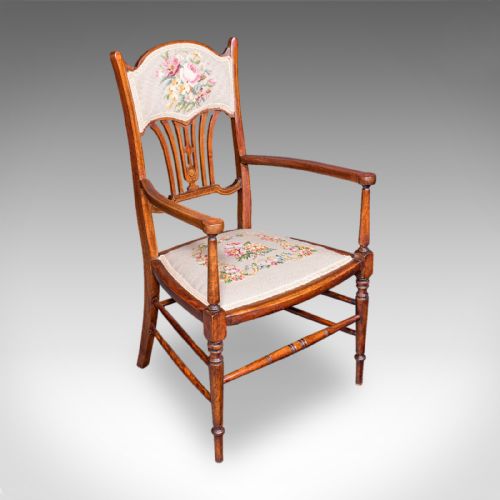
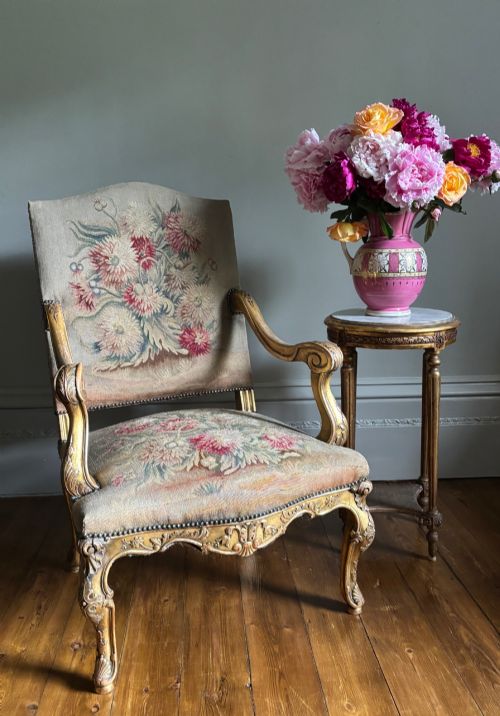
Origins vary between English country house seating and continental European designs, particularly French walnut and giltwood models. Buyers frequently meet pieces featuring floral needlepoint panels or heavy tapestry fabric applied to both armchairs and dining seats.
Assessing quality and execution
Quality rests primarily in the execution of the timber frame and the finesse of the carved or painted details. Superior examples exhibit crisply carved woodwork, solid joinery in woods like walnut or mahogany, and substantial proportions.
The standard of the upholstery work also dictates the grade of the piece, with finely worked needlepoint panels and tightly woven historical textiles separating high-end salon and library chairs from simpler utilitarian seating.
The documented styles include Victorian, Edwardian, Jacobean Revival, Louis XVI, and Arts and Crafts designs.
Heals
The Vintage Tapestry Chair Glossary
- Tapestry
- A heavy hand-woven or machine-woven textile depicting pictorial or floral designs. It provides durable and decorative upholstery for seating.
- Fauteuil
- An open-arm armchair with an exposed wooden frame originating in France. These chairs typically feature padded armrests and upholstered back panels.
- Needlepoint
- Embroidery stitched onto a stiff canvas mesh to create dense pictorial or floral patterns. It frequently appears on nineteenth-century chair panels.
- Carver chair
- An armchair, often designed for the head of a dining table or as a companion to side chairs. They commonly feature wooden armrests.
- Elbow chair
- A smaller armchair with low armrests designed for occasional use or desk seating. These frames appear in various revival and period styles.
Vintage Tapestry Chair: Frequently Asked Questions
What is a vintage tapestry chair?
A vintage tapestry chair is a historic seat featuring a wooden frame upholstered in woven textile or needlepoint panels. These chairs date across various nineteenth and twentieth-century periods and revival styles.
They serve as both functional seating and decorative historic items within traditional and eclectic interiors.
How do I date a tapestry chair?
Dating relies on identifying the timber species, construction methods, and stylistic influences present in the wooden frame. Details such as carved motifs, painted finishes, and the style of the legs point toward specific decades or movements.
Examining the upholstery materials and stitching techniques alongside the frame provides further clues to the period of origin.
Where should I place an antique armchair?
Antique armchairs function well in living rooms, studies, and bedrooms as statement seating or reading chairs. Their decorative upholstery adds warmth and texture to corners or conversational groupings.
Positioning them away from direct sunlight protects the woven tapestry and needlepoint textile from fading over time.
How do I care for tapestry upholstery?
Care involves gentle vacuuming with a soft brush attachment to remove dust from the woven fibres. Avoiding direct exposure to bright sunlight prevents the colours in the textile from degrading.
Professional textile cleaning is recommended for addressing deeper soiling without damaging the historic fabric or internal padding.