
Vintage Tabletop Desk
These pieces for a vintage tabletop desk span photo frames, globes, and clocks from Victorian, Edwardian, and later twentieth-century periods.
Vintage Tabletop Desk
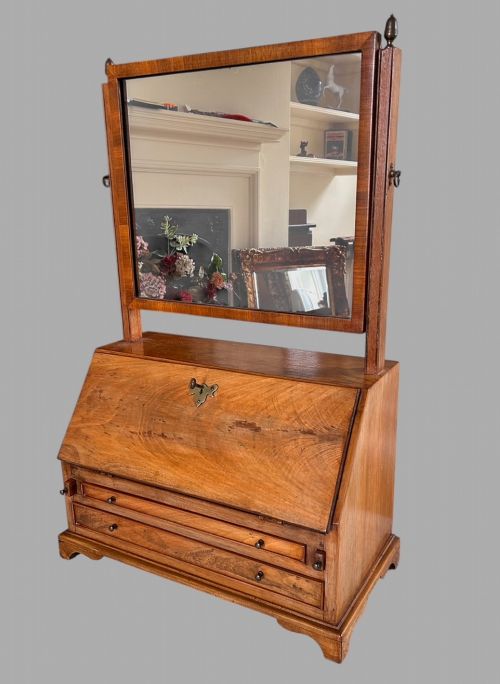
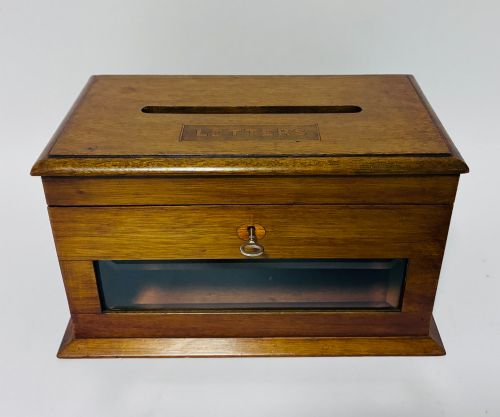
A vintage tabletop desk search brings together diverse working and decorative accessories designed for surface use, spanning the nineteenth century through to the interwar period. The selection encompasses practical organisational forms such as stationery cabinets, letter boxes, and small chests of drawers alongside decorative items like picture frames, terrestrial globes, and table gongs.
The objects reflect the varied writing and administrative requirements of past domestic and professional interiors. From carriage clocks with Swiss movements to cast iron church book rests, each piece serves a specific desktop function.
Materials and construction methods
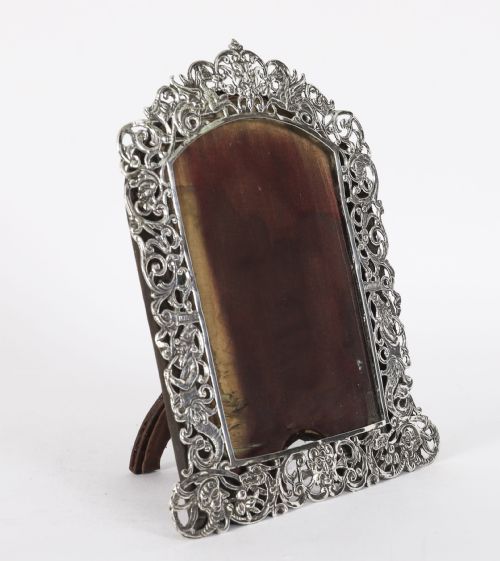
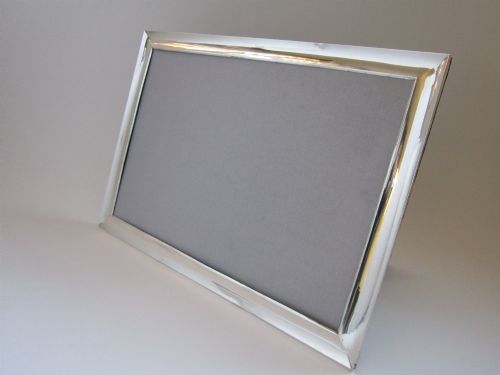
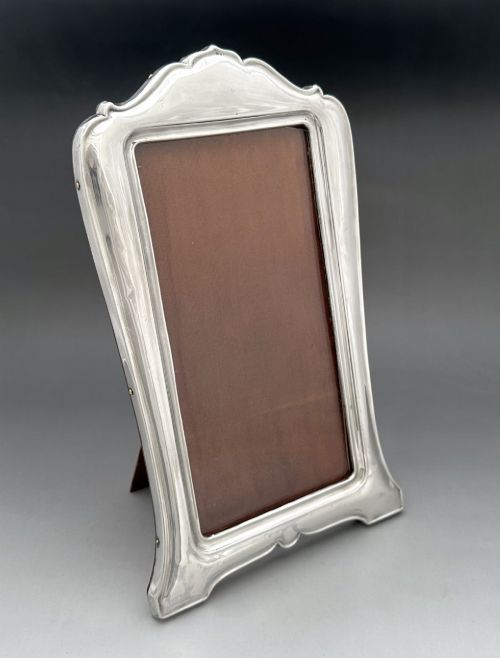
Silversmiths utilised sterling silver for decorative photograph frames with plain or engraved borders, whilst glass and velvet appear in associated components like table mirrors and backing panels. Carving and giltwood finish work are evident in decorative items such as Renaissance style easel table mirrors.
The listings span the Victorian, Edwardian, and George V periods, featuring materials from sterling silver and brass to mahogany, oak, and glass.
Markers of quality in desktop pieces
Quality separates items through the precision of their timber construction and the crispness of metal casting and silver engraving. Finer pieces display careful joinery on small cabinets and well-defined chasing on silver frames.
The integrity of mechanical or functional elements determines distinction, such as the reliability of clock movements, the clarity of cartography on terrestrial globes, and the preservation of original fitted wooden interiors.
Rosenthal, Jacob and Co·Lebegue and Cie·Geographia·Phillips·Osborne Garrett and Co·George Philips and Son Ltd·John Morley·Thomas Rubergall
The Vintage Tabletop Desk Glossary
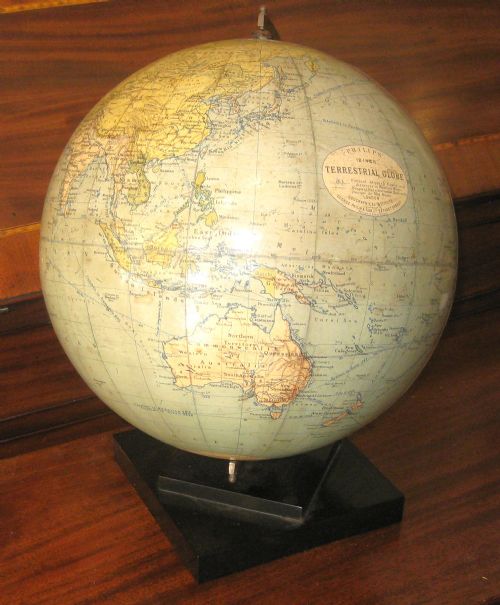
- Terrestrial globe
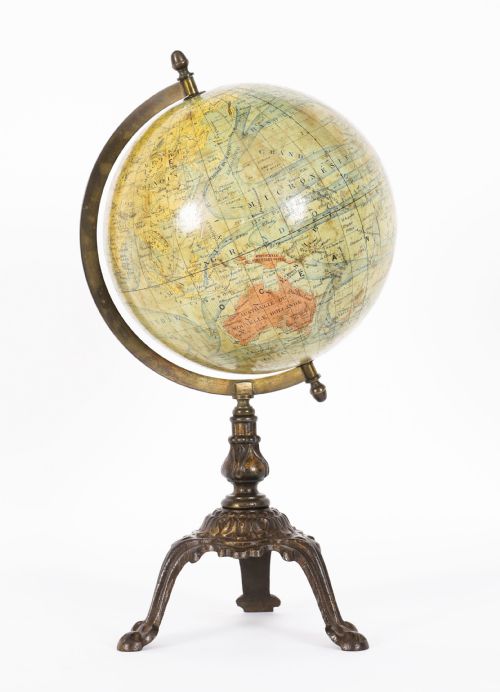
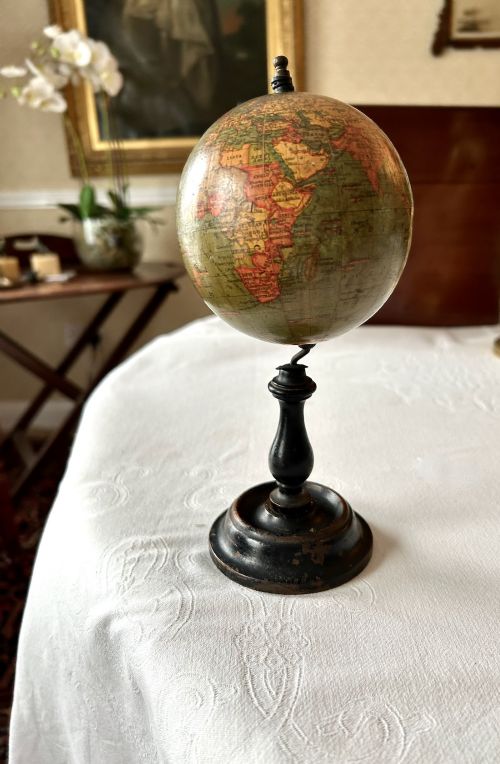
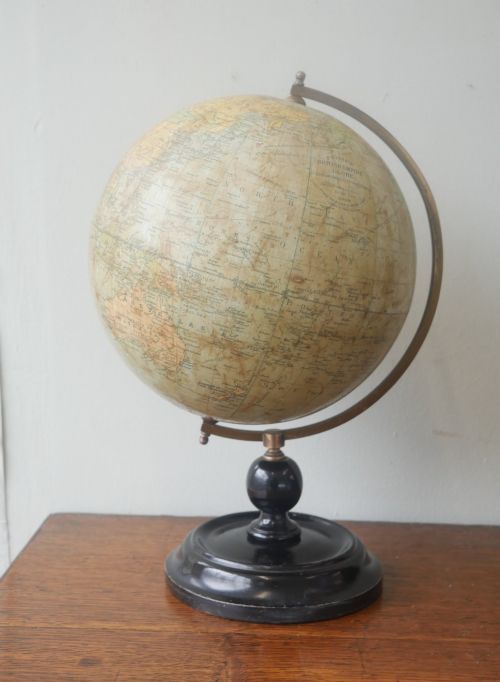
- A spherical map of the earth mounted on an axis, often produced by cartographers like George Philip and Son for desktop use.
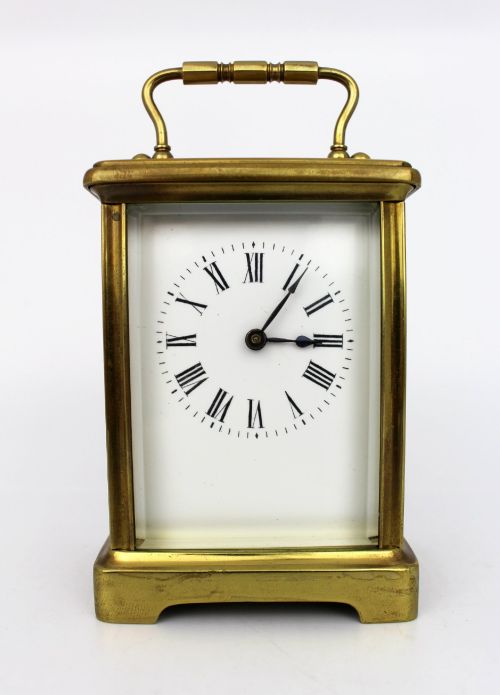
- Carriage clock
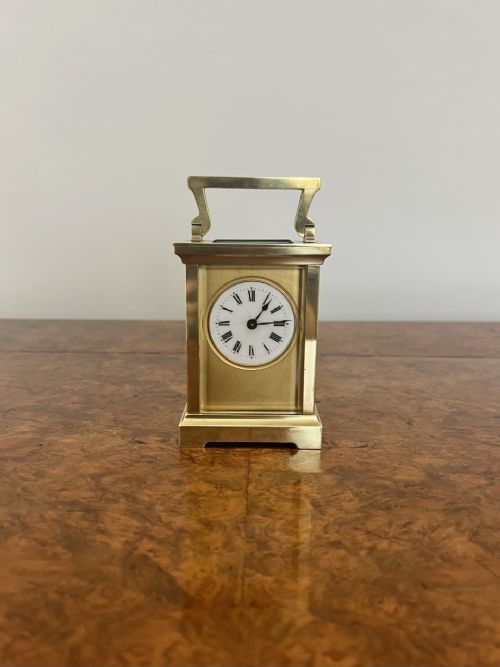
- A small, portable spring-driven clock with a carrying handle, frequently featuring a travel case and glass panels.
- Stationery cabinet
- A wooden desk accessory fitted with internal compartments and pigeonholes for holding writing paper and envelopes.
- Table gong
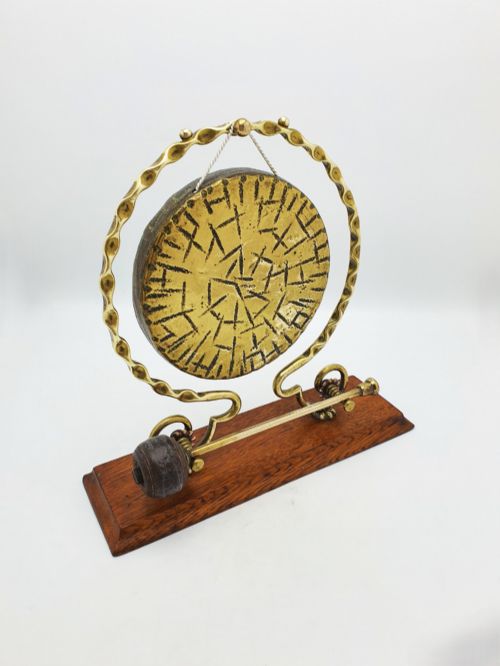
- A metallic bell suspended from a stand, struck with a handheld mallet or striker to summon assistance.
- Book stand
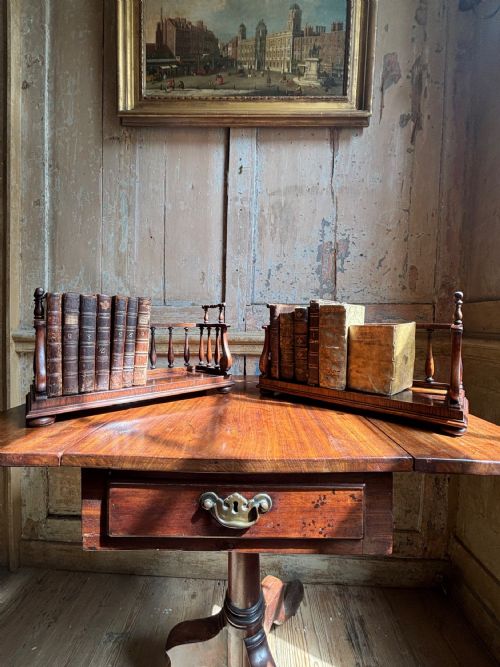
- An adjustable or fixed wooden rest designed to hold books upright on a desktop for reading.
Vintage Tabletop Desk: Frequently Asked Questions
What is a vintage tabletop desk?
A vintage tabletop desk selection comprises portable accessories and storage pieces designed for writing surfaces, including stationery boxes, photo frames, and small cabinets.
These items date from the nineteenth and twentieth centuries, reflecting the materials and decorative styles of the Victorian, Edwardian, and George V periods.
How do I identify an Edwardian photo frame?
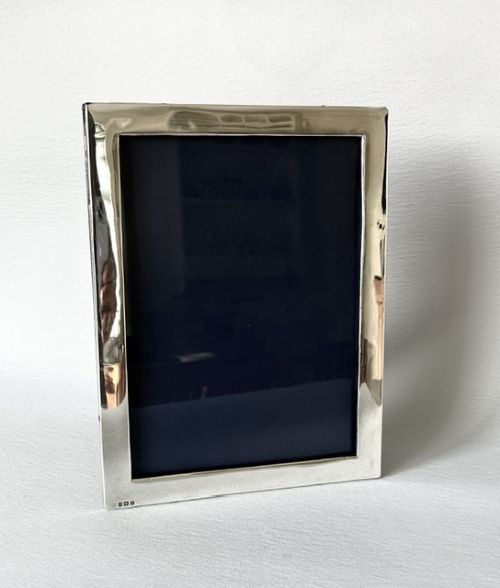
Edwardian sterling silver photo frames often feature hallmarks indicating the early 1900s alongside engraved borders or plain polished surfaces.
They frequently include wooden backing panels supported by silver or brass easels for desktop display.
What materials were used for desktop globes?
Desktop globes from this era combine printed paper gores applied to a sphere with wooden, brass, or cast metal stands and axes.
Makers such as Phillips and Geographia produced these educational and decorative instruments in various diameters for office and home use.
How were table gongs used?
Table gongs served as decorative and practical noise-making devices on desks or side tables, using a brass bell struck with a handheld mallet.
They were typically mounted on wooden bases made from oak, sometimes accompanied by carved oriental stands.