


Vintage Swiss Timekeeper
These vintage swiss timekeeper pieces span pocket watches, wristwatches, wall clocks, and carriage clocks originating from Switzerland across multiple eras.
Vintage Swiss Timekeeper
A vintage swiss timekeeper brings together mechanical timepieces from the nineteenth, twentieth, and Edwardian periods, encompassing styles from Victorian to Mid-Century Modern. Buyers seeking a vintage swiss timekeeper encounter portable pocket watches and wristwatches alongside larger mantel and wall clocks.
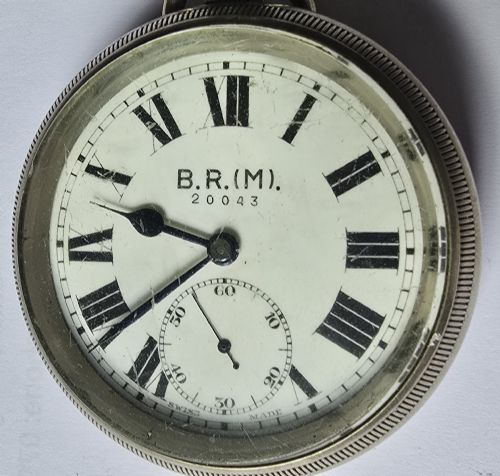
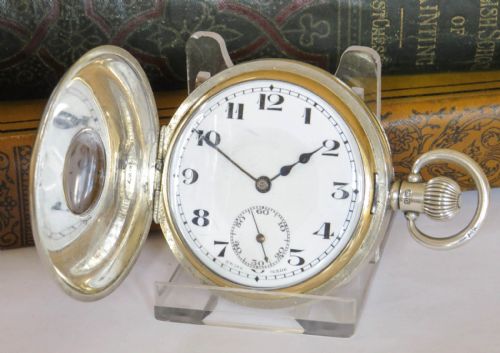
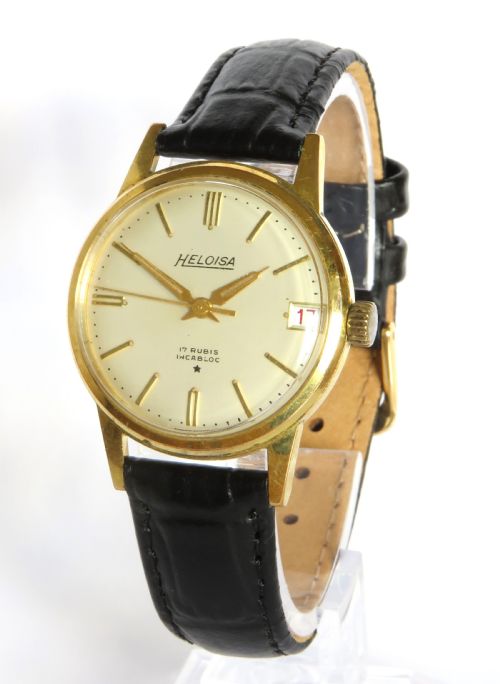
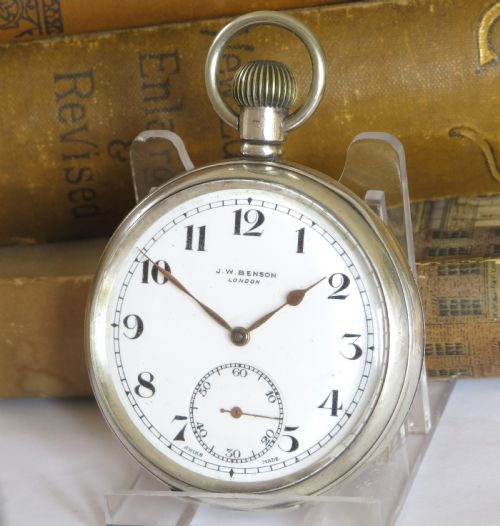
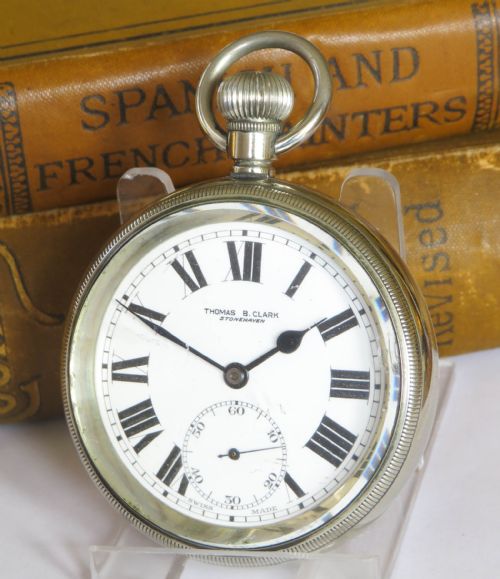
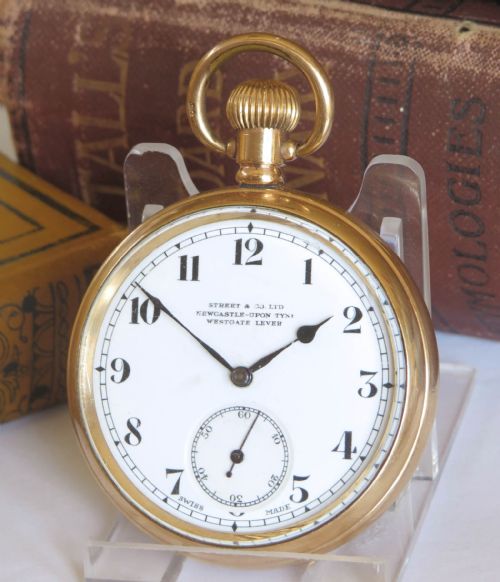
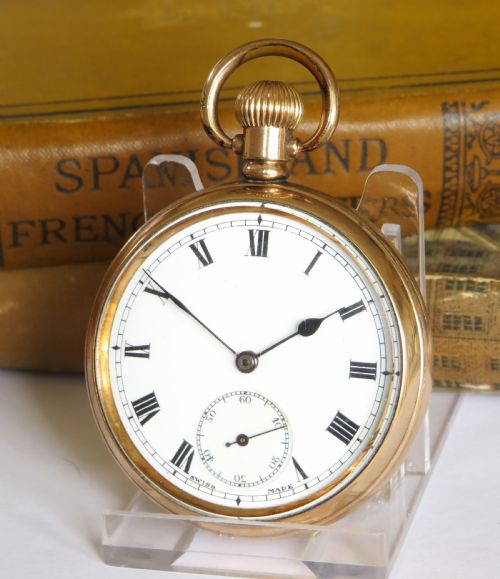
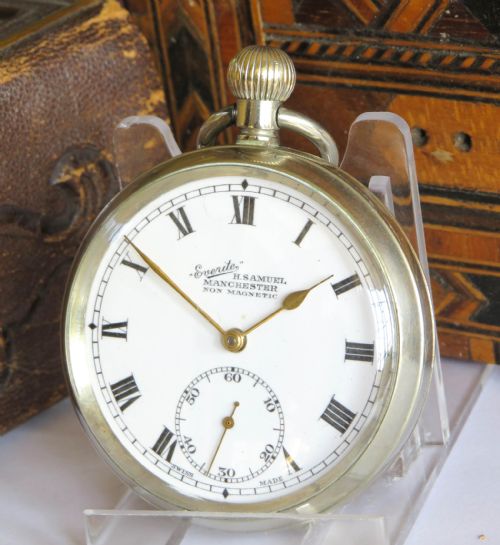
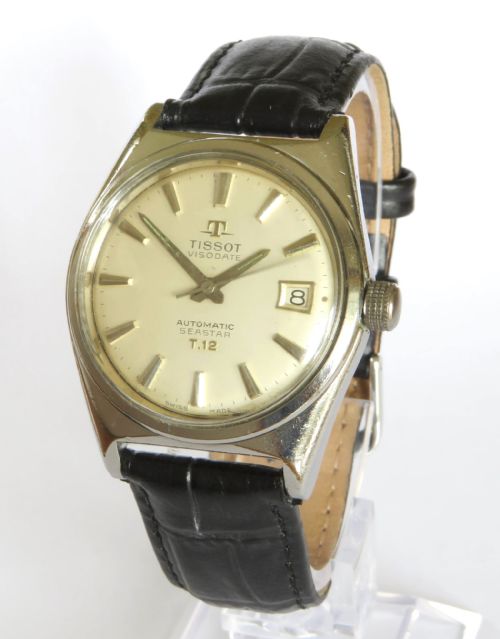
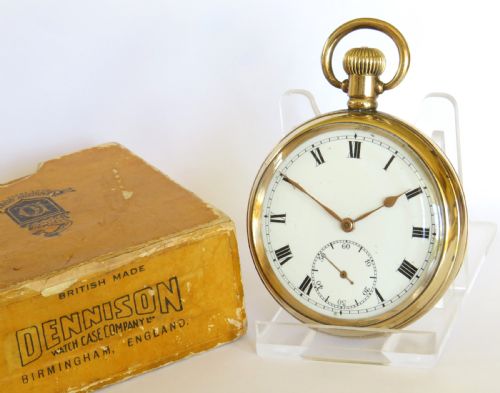
Pocket watches dominate the selection, often featuring silver or gold plate cases alongside specialised pieces like hunters and repeaters. Alongside these, wristwatches from decades such as the nineteen-fifties and nineteen-sixties represent the shift toward personal, wrist-worn horology.
Clock formats also appear, ranging from carriage clocks housed in leather cases to Art Deco wall clocks with elm surrounds. Each vintage swiss timekeeper reflects the horological output of Swiss makers across diverse decorative styles including Art Deco and Mid-Century Utility.
How they were made
Makers utilised precious and industrial metals including silver, gold plate, stainless steel, and brass to form robust cases and internal frameworks. Glass and acrylic protect delicate dials, while enamel often provides crisp numbering and lettering on clock and watch faces.
Exterior housings frequently incorporate leather for travel cases and specialised wooden elements like elm for wall clocks. Movement construction relies on intricate brass gear trains and steel springs, assembled by hand to ensure precise mechanical operation.
Materials utilised across the selection include glass, enamel, silver, gold plate, leather, stainless steel, acrylic, and brass.
What varies in quality
The sophistication of the internal movement distinguishes standard models from high complications such as minute repeaters and chronographs. Precision engineering and the inclusion of additional functions like alarms or date displays elevate the standing of a piece.
Material selection and the survival of original outer elements, such as fitted leather cases or specific brand boxes, influence the overall character of the object. The integration of precious metals like gold or solid silver adds distinction to the housing of the timepiece.
The Vintage Swiss Timekeeper Glossary
- Hunter pocket watch
- A pocket watch featuring a spring-loaded metal cover that protects the glass dial from damage. This lid opens via a crown-mounted push-button.
- Full hunter
- A pocket watch design where both the front and back dials are enclosed by protective metal covers. Opening the front cover reveals the watch face beneath.
- Stem winding
- A mechanical winding method where the mainspring is tensioned by turning the winding crown rather than using a separate key. This mechanism became standard in later pocket watches.
- Repeater
- A complex watch movement that chimes the hours, quarters, or minutes on demand when a slide or push-piece is activated. Such mechanisms require exceptional watchmaking skill.
- Chronograph
- A timekeeper equipped with an independent sweep-second hand that can be started, stopped, and returned to zero for timing intervals. This function operates alongside the primary timekeeping hands.
Vintage Swiss Timekeeper: Frequently Asked Questions
How do I wind a vintage pocket watch?
Most twentieth-century pocket watches utilise a stem winding system where you rotate the crown clockwise between your thumb and forefinger until resistance is felt.
Avoid overwinding the mechanism, as forcing the spring past its limit can damage the internal components.
What is a repeater watch?
A repeater is a mechanical timekeeper that chimes the exact time audibly upon pressing a lever or button on the case.
These pieces use internal gongs and hammers to sound out hours and minutes in the dark.
Are these watches waterproof?
Vintage timepieces generally lack modern rubber seals and screw-down crowns designed to repel moisture. Exposure to water or high humidity can damage the delicate steel and brass internal components.
Keep these items away from rain, sinks, and swimming environments to preserve the movement.
How do carriage clocks work?
Carriage clocks operate via a spring-driven movement housed in a portable brass and glass case, often featuring a small carrying handle. Many examples include a platform escapement that allows the clock to keep accurate time while moving.
Some versions incorporate additional complications such as alarm functions.