


Longines Mechanical Watch
A longines mechanical watch brings Swiss precision and mid-century elegance to the wrist, offering dependable horology for everyday wear.
Longines Mechanical Watch
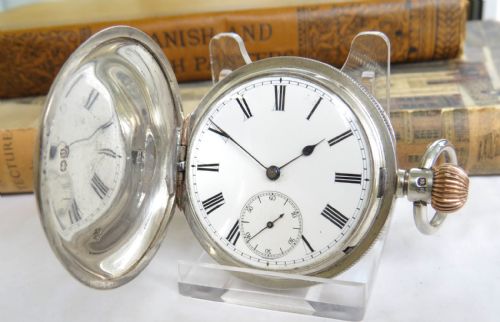
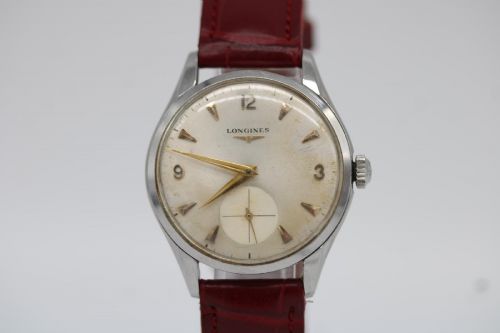
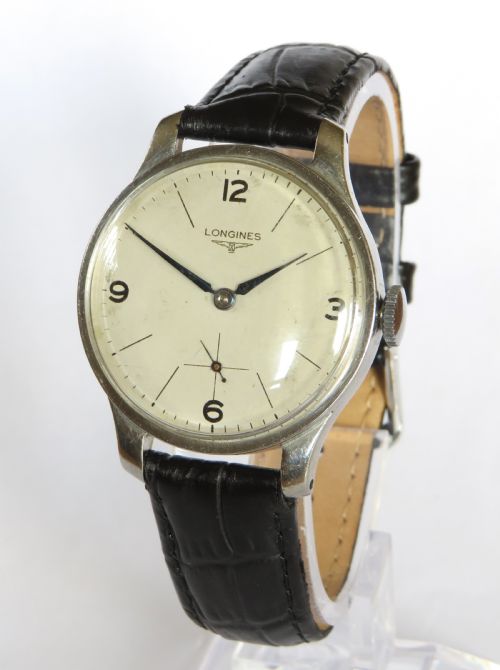
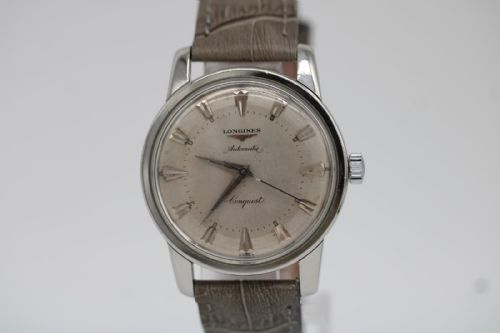
A longines mechanical watch encompasses both pocket watches and wristwatches spanning from the Victorian era through the mid-century modern period. Buyers examining this selection encounter various incarnations, from nineteenth-century silver pocket pieces to manual wind and automatic dress watches of the nineteen-fifties and nineteen-sixties.
The wristwatches dominate the selection, appearing in metals such as stainless steel, gold plate, and nine-carat gold alongside leather straps and acrylic crystals. Forms range from simple manual wind mechanisms to sophisticated models bearing names like Conquest and Flagship.
Materials and construction methods
Construction relies on traditional Swiss metalworking and movement assembly, utilising stainless steel, nine-carat gold, and silver for cases alongside glass and acrylic crystals. Movements such as the calibre twelve point six eight z incorporate delicate gear trains and seventeen jewels to ensure accurate timekeeping.
Dials frequently feature enamel work and silvered finishes, paired with fitted leather straps to complete the wearable design. Protective housings include full hunter silver cases for pocket pieces and robust stainless steel or gold-plated shells for later wristwatches.
Some timepieces arrive accompanied by their original presentation boxes, preserving a tiny time capsule of mid-century retail history.
Evaluating quality and execution
Quality separates standard production items from finer specimens through the sophistication of the movement and the preciousness of the casing material. Solid nine-carat gold cases and named lines like the Conquest or Flagship represent a higher tier of manufacture compared to basic plated models.
The presence of specialised mechanical calibres, fully serviced internal components, and original boxes elevates the standing of a piece within the range. Execution of the dial typography and the integrity of the silver or steel casing further distinguish superior examples.
Sir John Bennett
The Longines Mechanical Watch Glossary
- Full hunter
- A pocket watch fitted with a spring-loaded metal cover that protects the glass dial. This casing requires pressing a crown button to release the lid.
- Manual wind
- A timepiece movement powered by manually turning the crown to tension the mainspring. This mechanism dispenses with batteries entirely.
- Calibre
- The specific manufacturer's designation for a particular watch movement design. It denotes the internal layout and engineering of the gears and escapement.
- Automatic
- A self-winding mechanical movement that uses the natural motion of the wearer's arm to power the mainspring. An internal weighted rotor achieves this continuous action.
- Jewels
- Synthetic rubies or garnets placed at friction points within a watch movement to reduce wear on moving pivots. Seventeen jewels is a standard count for many vintage Swiss movements.
Longines Mechanical Watch: Frequently Asked Questions
How do I wind a manual watch?
Turn the crown clockwise between your thumb and forefinger until you feel gentle resistance. Stop immediately to avoid damaging the mainspring.
Perform this action at the same time each day to maintain consistent timekeeping performance.
Are these watches suitable for daily wear?
Many mid-century models function well for everyday use provided they receive proper care and regular servicing. Avoid exposing vintage leather straps and non-waterproof cases to moisture.
Treating the mechanical movement with respect ensures reliable operation in modern routines.
How can I tell the decade of a watch?
Examine the design language, case materials, and movement signatures recorded in the listing details. Fifties and sixties pieces often display minimalist dials and specific calibres.
Nineteenth-century examples feature distinct pocket watch formats and heavy silver hallmarks.
What does seventeen jewels mean?
The jewel count indicates the number of bearing stones placed in high-friction areas of the movement. This traditional Swiss technique reduces metal wear and improves longevity.
Seventeen is a classic threshold for a fully jewelled mechanical watch movement.