
Vintage 1950s Watch
When you handle a vintage 1950s watch, you hold an era of precise mechanical ingenuity designed for the wrist or pocket.
Vintage 1950s Watch
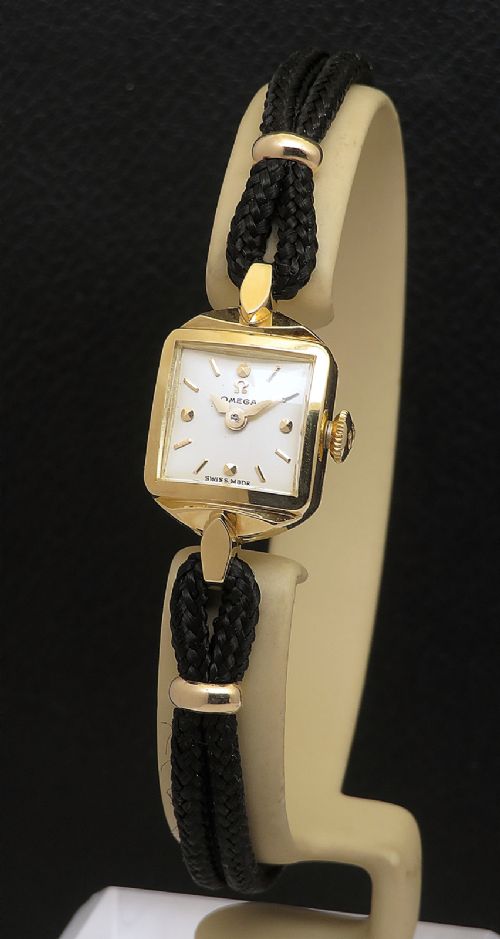
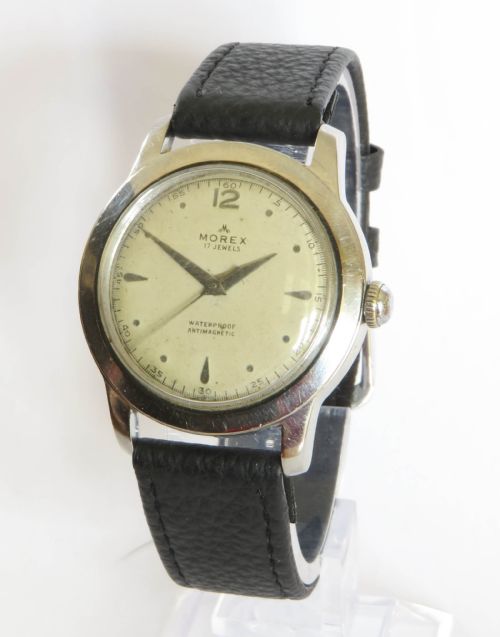
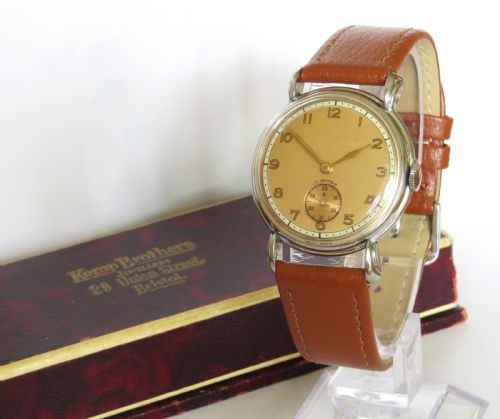
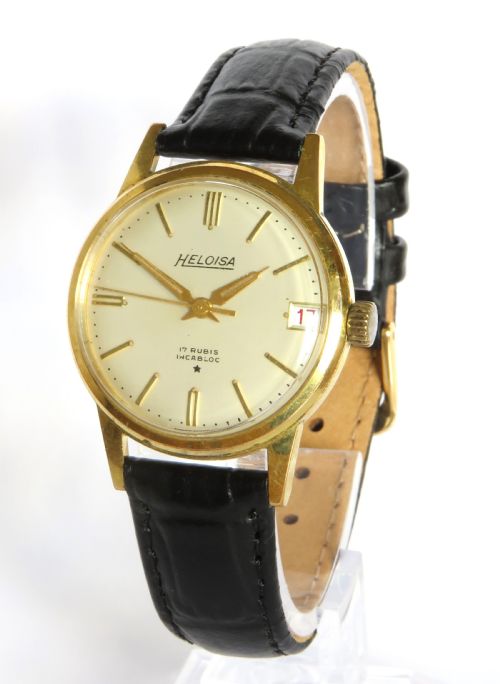
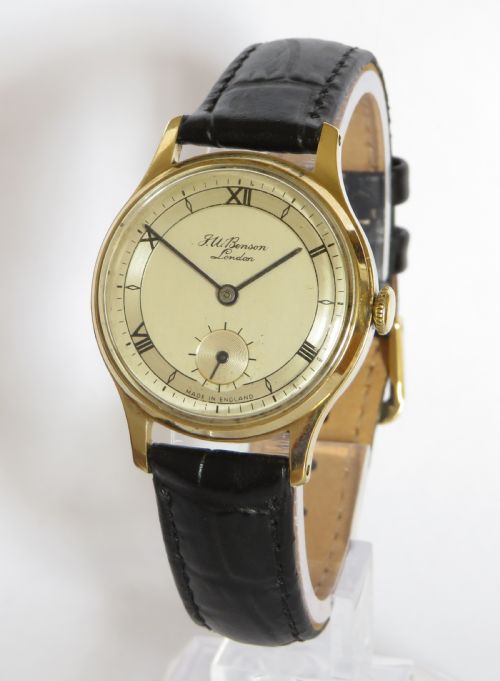
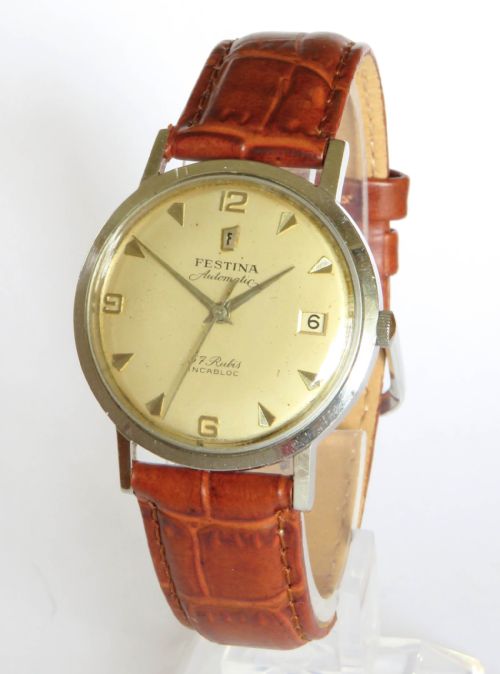
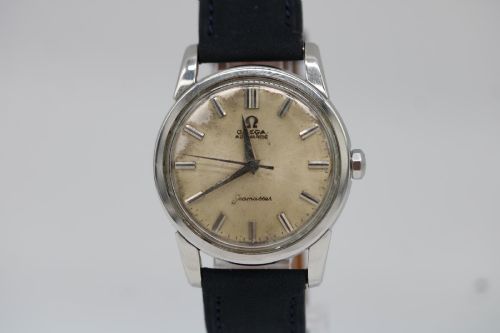
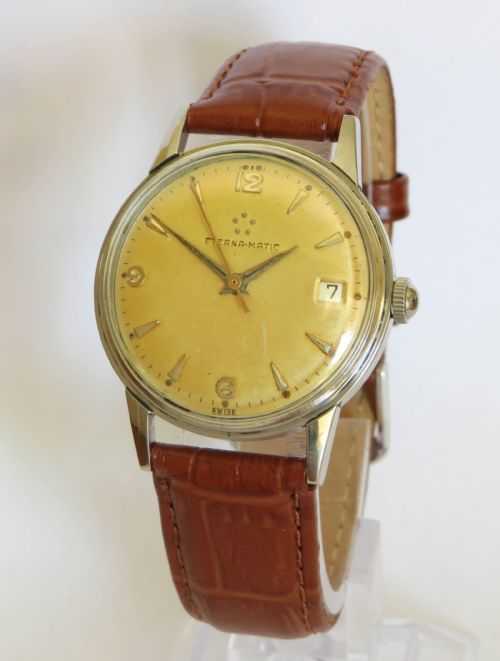
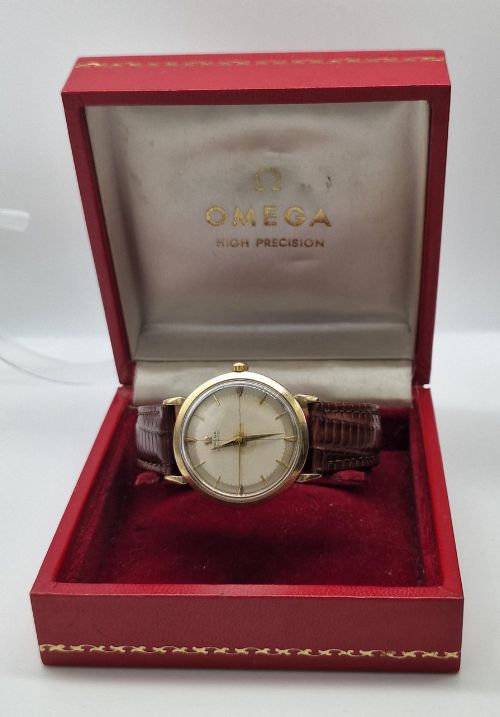
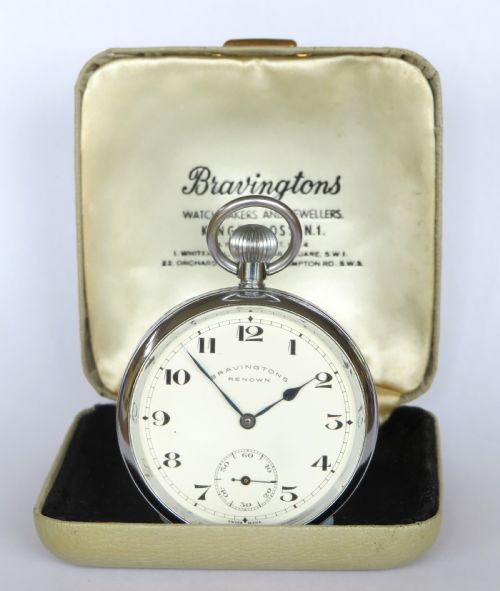
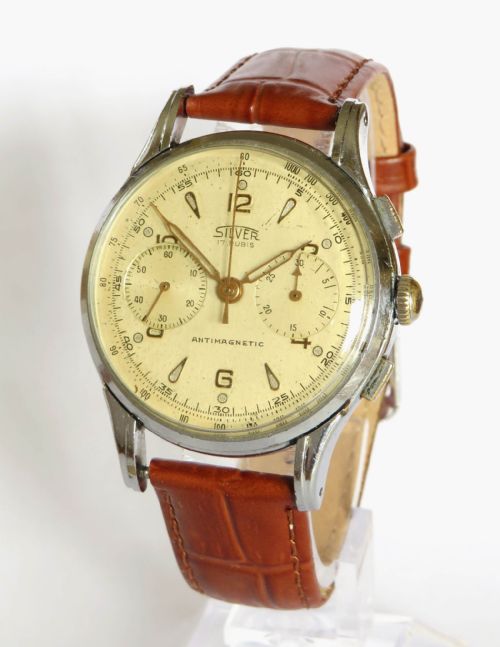
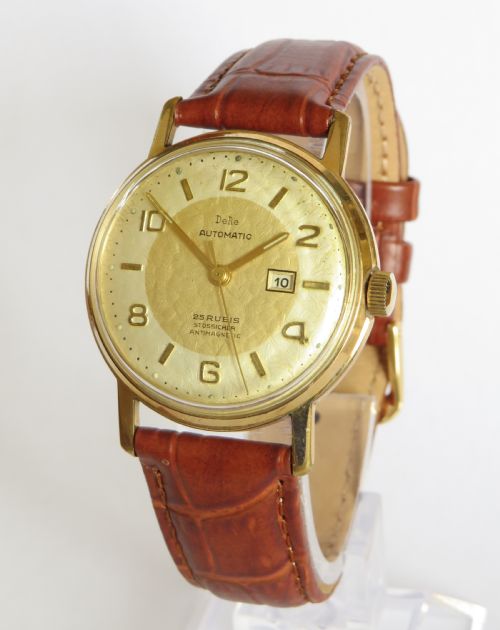
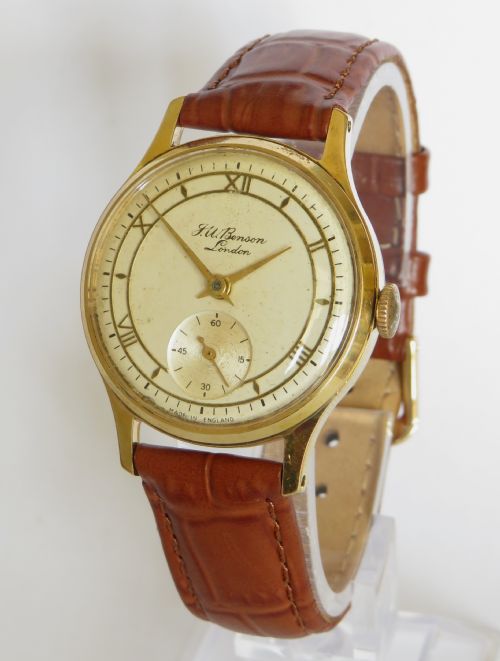
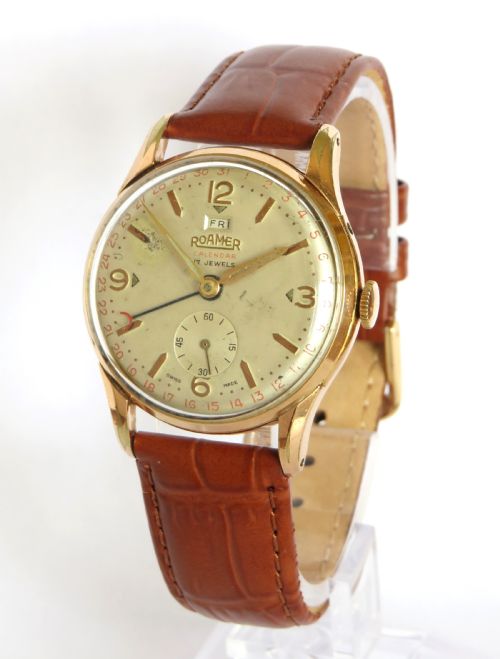
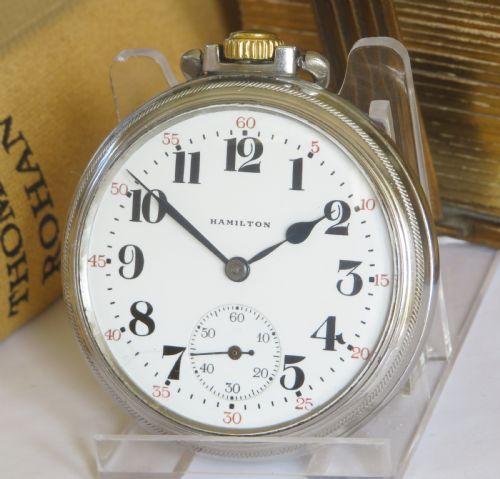
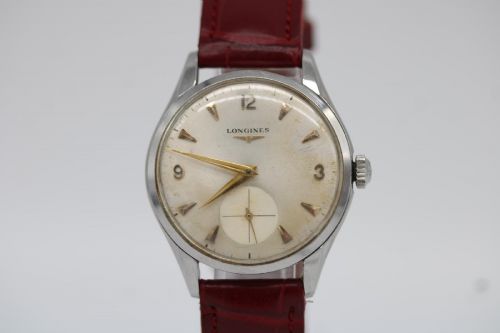
A vintage 1950s watch spans gentleman's wristwatches, ladies' cocktail pieces, chronograph variations, and pocket watches originating primarily from Swiss and British makers. The most common encounter on this page is the gents manual wind or automatic wristwatch housed in a steel, gold-plated, or solid gold case.
These instruments reflect mid-century design movements, incorporating styles from mid-century modern simplicity to art deco influences. Pieces range from utility dress models to robust sports chronographs and specialised calendar or regulator configurations.
Originating from decades where mechanical movements reigned supreme before quartz arrival, these items serve as daily wear accessories or collector focal points. Original boxes and travel fob variations occasionally accompany the core timepieces.
Materials and Construction
Casings utilise metals such as stainless steel, chrome, gold plate, gold-filled layers, 9ct gold, and solid 18ct gold, paired with glass or acrylic crystals. Dials and movements are protected by these durable metallic housings, often complemented by leather straps.
Movements rely on mechanical ingenuity, utilising manual wind mechanisms, bumper automatics, and full rotor automatic calibres containing jewelled bearings. Specialised chronograph complications and calendar functions integrate complex gear assemblies within compact dimensions.
Listings feature items spanning the 1940 and 1950 periods, constructed from stainless steel, 9ct gold, gold plate, leather, and acrylic.
Distinctions in Execution and Preservation
Quality differentiates through the complexity and finish of the internal movement, such as adjusted chronometer grades versus standard manual wind calibres. Superior examples feature signed maker movements with high jewel counts and refined mechanical decoration.
The preservation of the dial, case edges, and original factory finishes determines the standing of an individual piece. Unpolished metal surfaces and untouched honeycomb or textured dials elevate a watch above standard repaired or heavily restored counterparts.
Omega·Longines·Smiths·Jaeger LeCoultre·Breitling·Roamer·Cyma·Eterna Matic·Titus·Rolex·Baume Mercier·Cortebert·Wittnauer·Dogma Prima·Ingersoll
The Vintage 1950s Watch Glossary
- Calibre
- The specific internal movement designation given by a manufacturer. This identifier helps pinpoint the exact mechanical lineage of the piece.
- Automatic
- A self-winding mechanical movement powered by the natural motion of the wearer's wrist. Rotor weights inside tension the mainspring continuously during use.
- Chronograph
- A watch equipped with a stopwatch function alongside standard timekeeping. Independent sweep hands measure elapsed intervals.
- Bumper Automatic
- An early form of automatic winding movement where the rotor swings back and forth against springs rather than rotating fully. The wearer feels a distinct gentle knock on the wrist.
- Gold-Filled
- A thick layer of gold mechanically bonded to a base metal core. This layer provides greater durability and wear resistance than standard gold plating.
Vintage 1950s Watch: Frequently Asked Questions
How do manual wind and automatic watches differ?
Manual wind watches require regular hand rotation of the crown to tension the mainspring and store power for operation. Automatic versions incorporate internal weighted rotors that wind the mainspring automatically through everyday wrist movements.
Both systems rely purely on mechanical gears rather than batteries, though automatic calibres offer the convenience of continuous self-winding during wear.
What is a bumper automatic movement?
A bumper automatic utilises a semi-rotating weight that swings back and forth within a restricted arc, cushioned by small springs at either end. When the wrist moves, the wearer feels a characteristic tap as the weight bounces off the internal buffers.
This technology represents an important transitional phase in mid-century self-winding watch development before full 360-degree rotor systems became standard.
How should I care for a vintage mechanical watch?
Keep the timepiece away from excessive moisture, magnetic fields, and strong physical impacts that could damage the delicate internal balance wheel and gear train. Regular servicing by a qualified horologist ensures lubrication remains fresh and internal components experience minimal wear over time.
Avoid manual over-winding by stopping the crown rotation the moment resistance is felt on hand-wound models.
What defines a cocktail watch?
A cocktail watch is a dress timepiece intended primarily for evening wear, traditionally characterised by a diminutive dial and decorative precious metal or diamond settings. These pieces often function as functional jewellery rather than utilitarian daily timekeepers.
Manufacturers frequently housed miniature manual wind movements inside these ornate gold or diamond-set cases.