
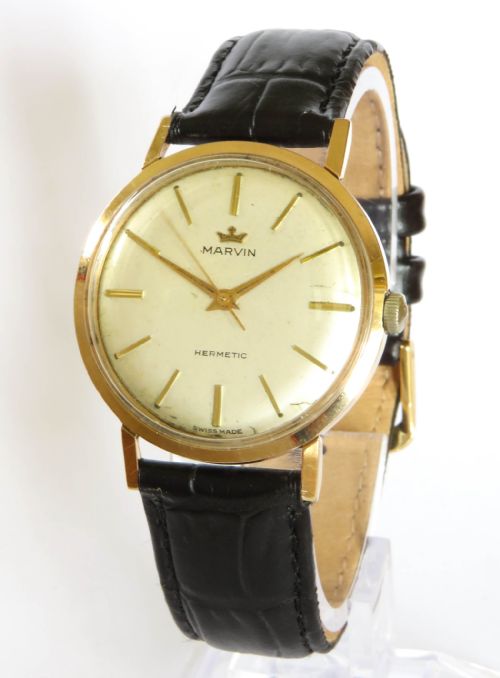
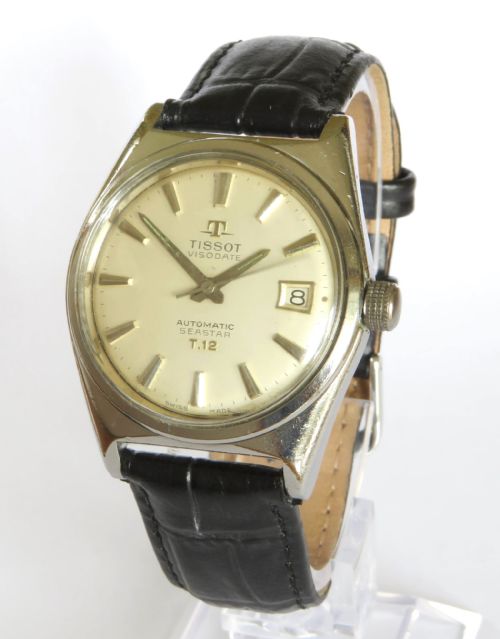
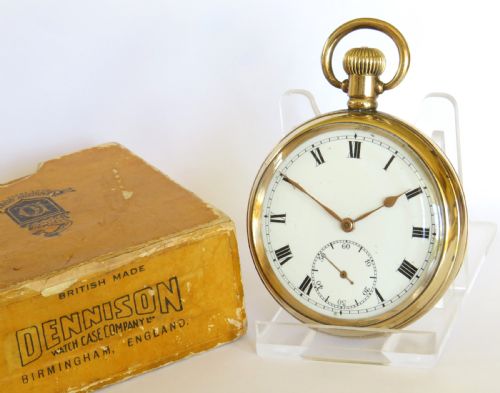
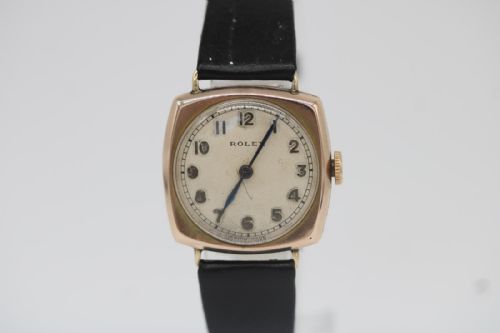


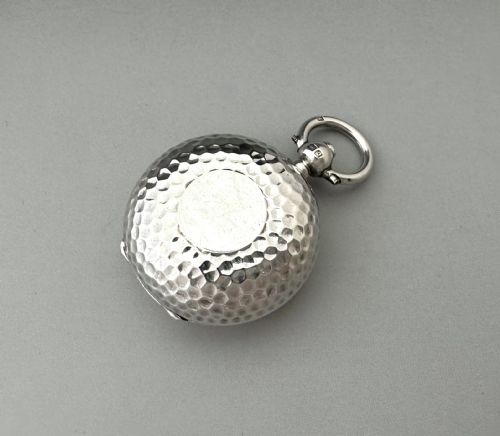

Gold Case Vintage Watch
A gold case vintage watch brings traditional horology together with precious metal, offering daily wear alongside genuine period character.
Gold Case Vintage Watch
When you search for a gold case vintage watch, you encounter horological pieces spanning from the eighteenth century through to the mid-twentieth century, encompassing both pocket watches and wristwatches. The selection leans heavily toward mid-century items, alongside earlier nineteenth-century pocket watches and Edwardian designs.
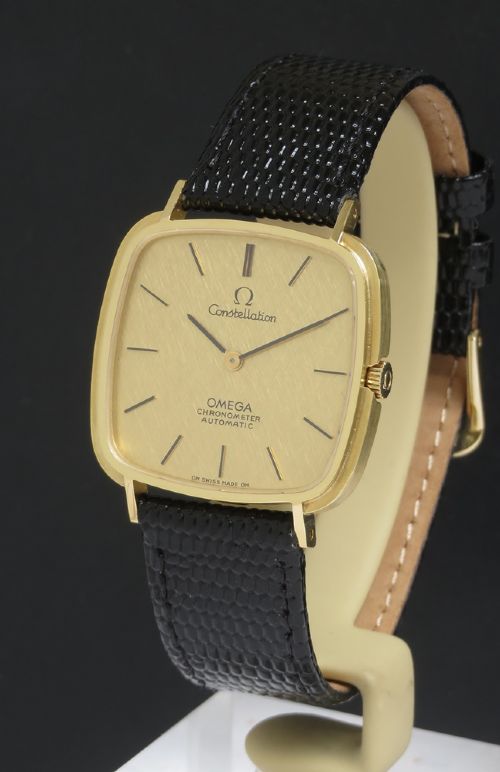
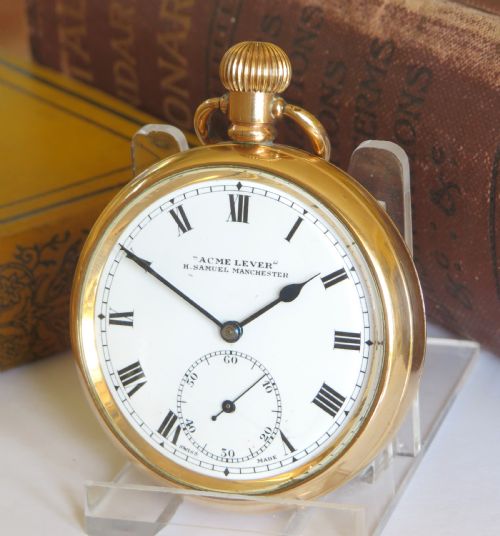
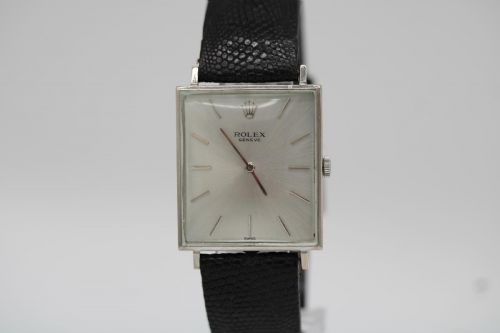
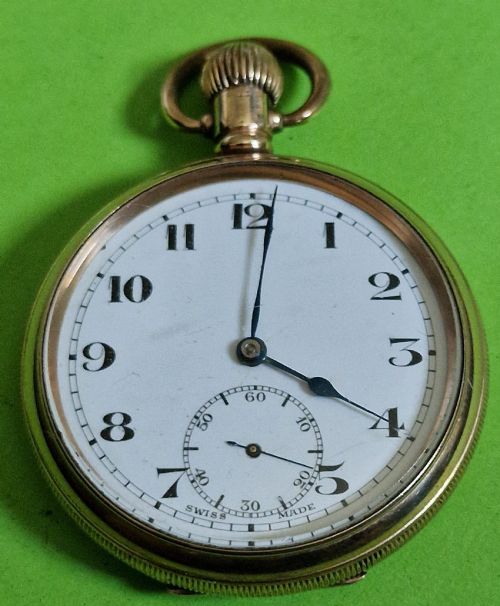
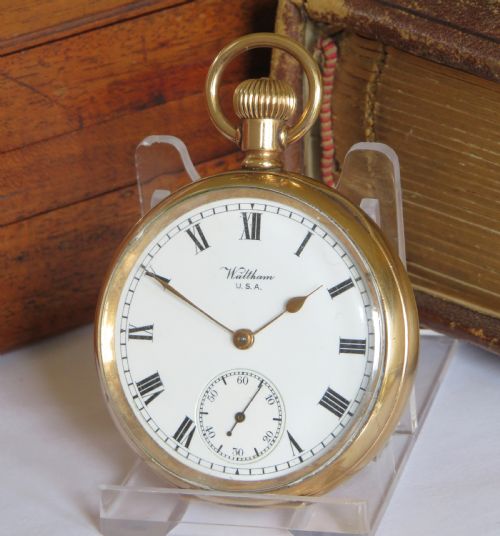
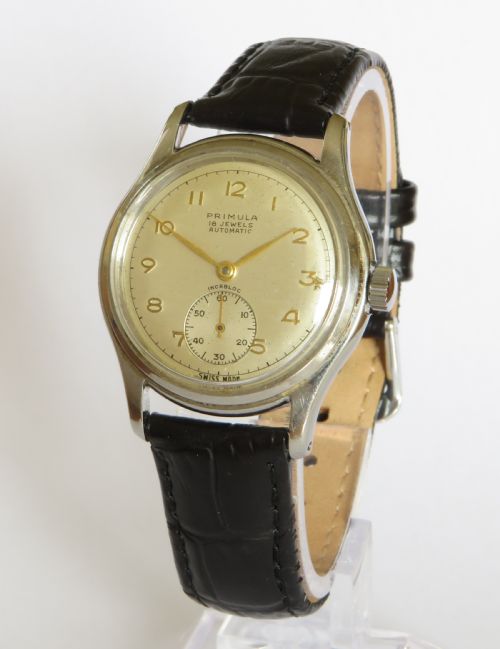
The forms vary between traditional open-face pocket watches, full hunters, and wristwatches featuring Art Deco or Mid-Century Modern styling. These items originate from diverse periods including the Victorian era, the 1930s, and the 1960s, utilising gold, gold plate, and white gold.
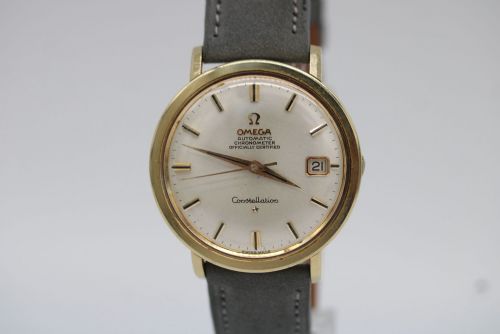
A buyer examining these listings meets mechanical movements housed in precious or plated metal, ranging from simple manual-wind dress pieces to complex chronographs. The variety reflects changing horological fashions from early twentieth-century pocket designs to sleek 1960s automatic wristwatches.
How they were made
Casework relies primarily on gold, 18ct gold, white gold, and gold plate, often paired with stainless steel components, glass crystals, and leather straps. Enamel decoration and horn back painted finishes appear on select pocket watch exteriors from earlier periods.
Movements utilise mechanical ingenuity, driven by manual wind or automatic calibres enclosed within protective metal housings. Makers employed traditional stamping, casting, and hand-finishing techniques to form the precious metal cases and decorative dials.
Horological forms recorded in the inventory include open-face pocket watches, full hunters, sovereign cases, and diverse manual or automatic wristwatches.
What varies in quality
Quality differences depend on the purity of the metal used in the casing, moving from heavy solid gold structures down to gold-plated alternatives. The sophistication of the internal movement and the preservation of original case dimensions further separate standard examples from finer specimens.
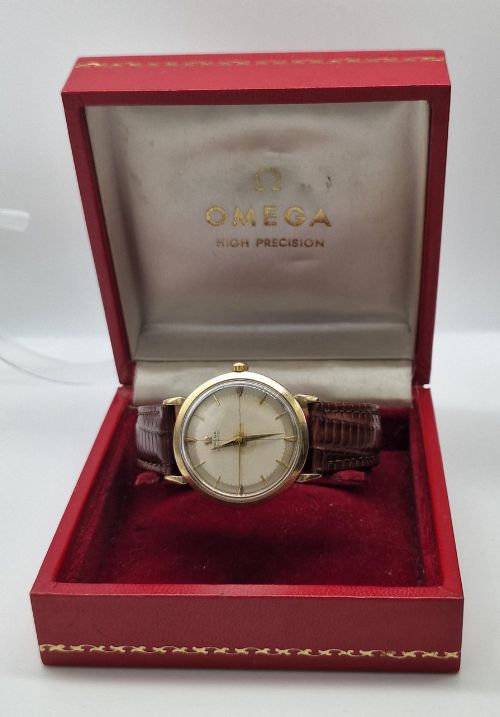
The degree of preservation in the dial, hands, and crystal impacts overall desirability, alongside whether supplementary elements like original boxes or straps survive. Pieces exhibiting distinct stylistic periods, such as Art Deco geometry or Mid-Century Modern restraint, command attention through design integrity.
Omega·Rolex·Waltham·Tissot·Breitling·Bulova·Elgin
The Gold Case Vintage Watch Glossary
- Calibre
- A specific designation used by watchmakers to identify the particular design and make of a mechanical movement. Knowing the calibre helps determine the exact internal mechanics.
- Chronometer
- A high-precision timepiece that has been tested and certified to meet strict accuracy standards over various temperatures and positions.
- Full hunter
- A pocket watch featuring a spring-loaded metal cover that protects the glass dial face from scratches and impacts. The cover springs open via a button wind mechanism.
- Manual wind
- A mechanical movement requiring the wearer to manually turn the crown to tension the mainspring, storing energy to run the watch. This contrasts with automatic self-winding mechanisms.
- Sovereign case
- A small portable container traditionally utilised for carrying gold sovereign coins safely in a pocket or on a watch chain. These often match the precious metal finish of companion pocket watches.
Gold Case Vintage Watch: Frequently Asked Questions
What is a gold case vintage watch?
A gold case vintage watch is a mechanical timepiece housed in a solid or plated gold enclosure, originating from past decades or centuries. These items combine historic horological engineering with precious metal aesthetics.
Buyers select them for their mechanical authenticity, classic design proportions, and enduring material value. They represent past manufacturing traditions across wristwatches and pocket watch formats.
How do I wear a vintage watch?
Wearing a vintage watch safely involves pairing it with appropriate attire, mindful of its age and water resistance limitations. Many owners wear them daily or reserve them for formal occasions.
For pocket watches, secure the chain through a buttonhole or waistband, slipping the watch into a tailored pocket. Wristwatches benefit from matching leather straps or period-appropriate metal bracelets.
How do I wind a manual watch?
Winding a manual watch requires gently rotating the crown clockwise between your thumb and forefinger until you feel moderate resistance. Stop winding immediately when tension increases to avoid damaging the mainspring.
Establish a consistent daily routine for winding to keep the mechanical movement operating smoothly. Avoid overwinding, as older components require careful handling.
How do I date a vintage watch?
Dating a vintage watch involves examining movement serial numbers, case hallmarks, dial typography, and overall stylistic markers. Manufacturers often stamped specific codes inside the case back or on the internal machinery.
Stylistic cues such as Art Deco numerals, Mid-Century Modern case shapes, or Edwardian locket details narrow down the era. Hallmarks on gold cases further indicate the assay office and year of manufacture.