

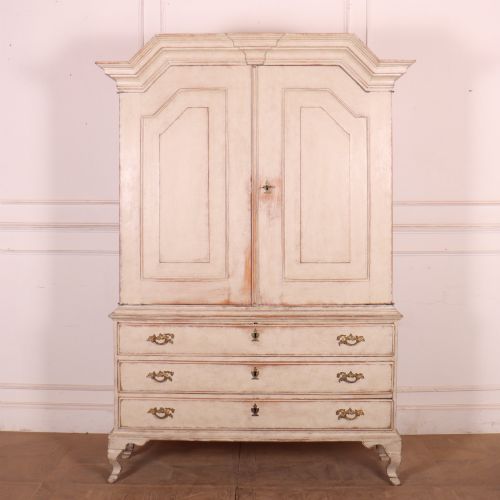


Vintage Swedish Cupboard
A vintage Swedish cupboard brings calm proportion and practical storage into a room, spanning rustic painted pine to refined satin birch.
Vintage Swedish Cupboard
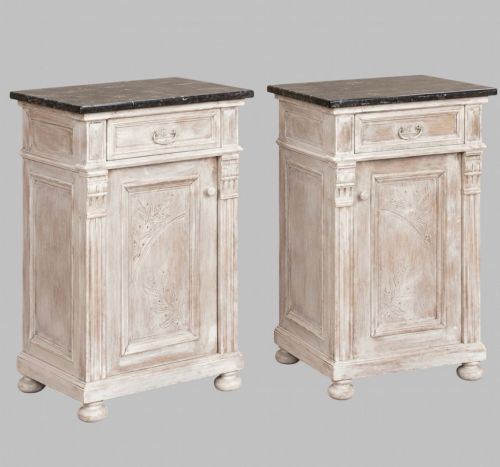
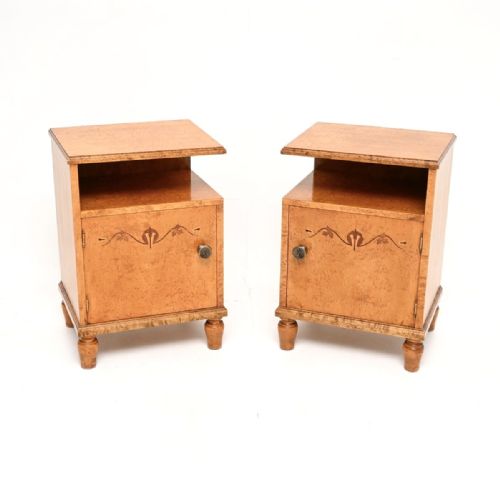
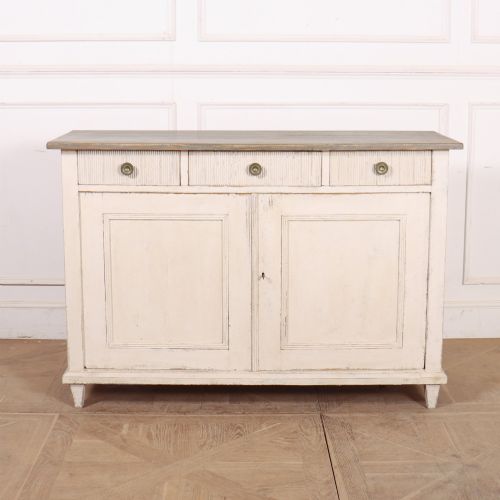
When you search for a vintage Swedish cupboard, you encounter a diverse range of storage forms, from monumental linen presses and kitchen cabinets to compact bedside tables and wall cupboards. The selection spans centuries of design, with nineteenth-century painted pine pieces sitting alongside sleek nineteen-thirties birch and walnut iterations.
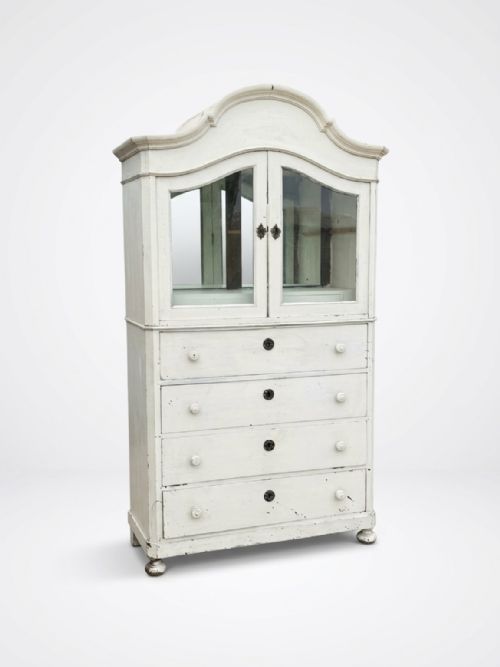
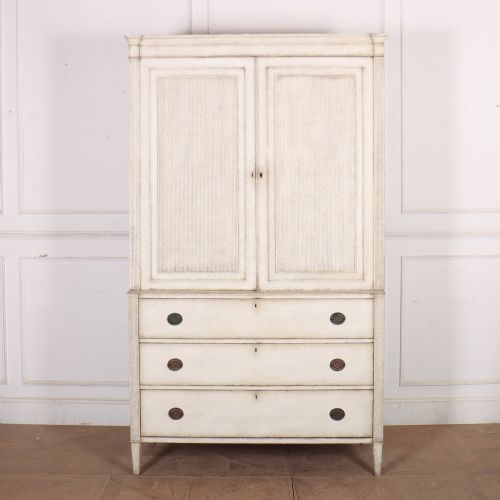
The most common pieces you will meet are painted pine linen cupboards and kitchen cabinets originating from Scandinavian country traditions. These upright storage units often feature architectural cornices, panelled doors, and period iron or brass hardware.
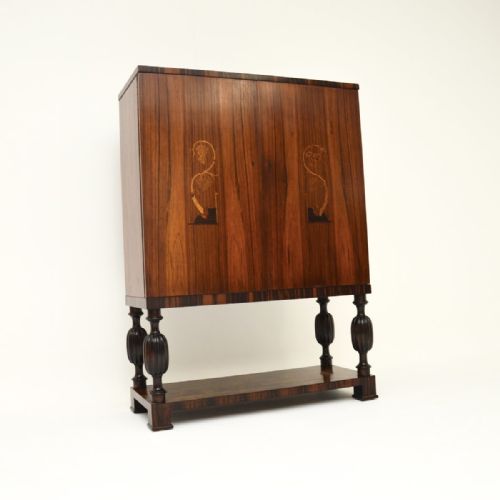
Alongside rustic country work, the inventory includes refined urban pieces representing Gustavian taste, Swedish Grace, and Art Deco styles. These variations show how cabinet-makers adapted classic proportions to both simple country homes and sophisticated metropolitan interiors.
Materials and construction
Pine and birch form the structural backbone of these cabinets, utilised extensively for both solid carcass construction and internal shelving. Craftspeople selected local softwoods and hardwoods, occasionally pairing them with decorative veneers like satin birch, walnut, elm, and rosewood on later twentieth-century forms.
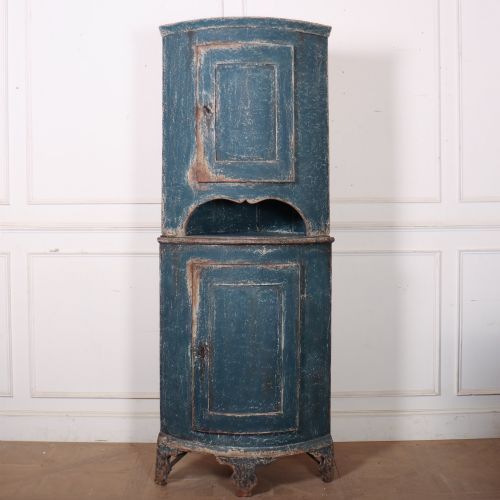
Surface decoration defines a large proportion of these pieces, employing traditional paint finishes, ragwork techniques, and clear varnishes to protect the timber. Iron and brass hardware, including hinges and key escutcheons, secure the doors, while occasional marble or zinc tops provide durable working surfaces on sideboards and bedside cabinets.
Several cupboards hide their domestic utility behind charming bonnet tops and ragwork paint jobs, proving that Scandinavian farmers took interior design very seriously.
Judging the range
Quality in these cabinets hinges upon the harmony of proportion and the integrity of the original surface finish. Pieces displaying crisp architectural mouldings and undisturbed period paintwork sit at the higher end of the spectrum compared to heavily reworked examples.
The selection of timber grain and the execution of specialist details, such as inlaid rosewood or finely turned satin birch, separate standard utility pieces from masterworks designed by notable architects and firms.
Sandberg and Co·Otto Schulz for Boet·Oscar Nilsson Nordiska Kompaniet
The Vintage Swedish Cupboard Glossary
- Gustavian
- A neoclassical Swedish design style spanning the late eighteenth and early nineteenth centuries, characterised by restrained symmetry, fluted columns, and pale painted finishes. It draws direct inspiration from French Louis XVI aesthetics adapted to Scandinavian sensibilities.
- Satin Birch
- A pale, highly figured timber used extensively in Swedish cabinet-making, particularly during the nineteenth and twentieth centuries. Its shimmering grain reflects light effectively in northern interiors.
- Ragwork
- A decorative paint technique where rags or cloths are used to manipulate wet colour on a surface, creating soft, mottled textures. This method appears frequently on nineteenth-century country furniture.
- Bonnet top
- A raised, curved upper section on a cabinet or highboy, resembling the shape of a period bonnet. This architectural feature adds height and formal presence to storage furniture.
- Swedish Grace
- A sophisticated architectural and design movement bridging neoclassical restraint and early modernism during the nineteen-twenties. It prioritises refined proportions and subtle surface ornamentation.
Vintage Swedish Cupboard: Frequently Asked Questions
How do I use a Swedish cupboard today?
These cupboards offer versatile storage solutions for modern homes, functioning as linen presses in bedrooms, kitchen larders for dry goods, or display cabinets in living areas. Their neutral painted finishes and warm wood tones allow them to anchor both contemporary and traditional room schemes.
Deep interior shelving accommodates modern storage needs while maintaining a clean external profile. Wall-mounted variants provide compact storage options for smaller rooms without sacrificing floor space.
What is the difference between Gustavian and country pieces?
Gustavian furniture reflects neoclassical urban refinement, featuring deliberate symmetry, delicate carved details, and pale, sophisticated paint palettes inspired by French royal courts. Scandinavian country pieces embrace simpler, sturdier forms born from regional craftsmanship and utilitarian needs.
Country pieces often display regional folk art traits, including ragwork paint effects and robust pine construction. Gustavian cabinets prioritize architectural columns, urn motifs, and formal elegance.
Are these cabinets made of solid wood?
The majority of nineteenth-century country cupboards utilise solid pine throughout their construction, providing robust durability for daily domestic use. Later twentieth-century cabinets frequently employ birch, elm, or walnut veneers over stable core substrates to achieve complex decorative grain patterns.
Internal elements such as backboards and shelving typically remain solid timber to support the weight of stored items. Construction methods reflect the prevailing techniques of each specific manufacturing period.
How do I identify a nineteen-thirties piece?
Nineteen-thirties cabinets reflect Art Deco and early modernist influences, utilising exotic veneers like satin birch, rosewood, and walnut with geometric clarity. These pieces abandon traditional painted country surfaces in favor of polished wood grains and streamlined hardware.
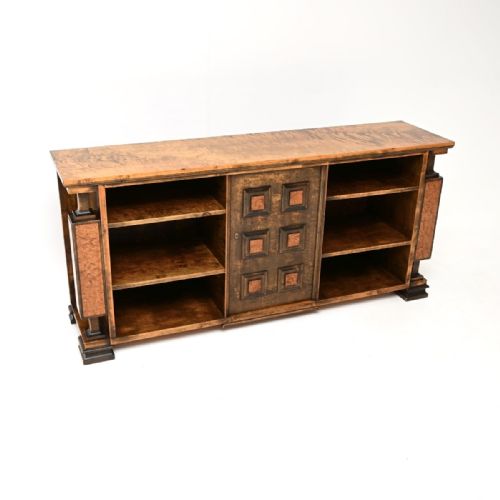
Forms from this decade often include specialised furniture types such as bookcases and sideboards with integrated display compartments. Proportions become bolder and more architectural, aligning with international design movements of the interwar period.