



Sage Green Cabinet
A sage green cabinet brings quiet colour and practical storage to a room, drawing on centuries of painted country furniture traditions.
Sage Green Cabinet
When you search for a sage green cabinet, you are looking at painted wooden storage pieces originating from domestic interiors across Europe and Britain. These items span periods from the eighteenth century through the Edwardian era, showing how utility furniture evolved in rural and provincial settings.
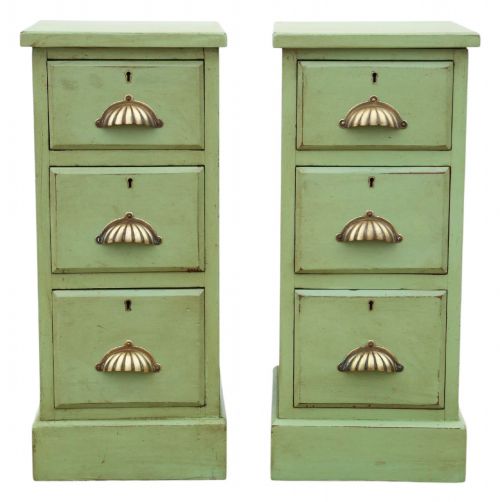
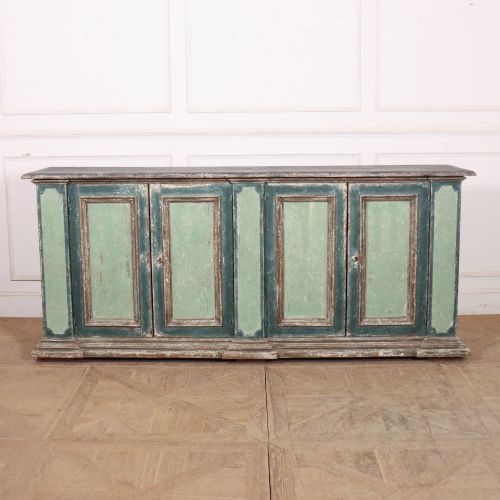
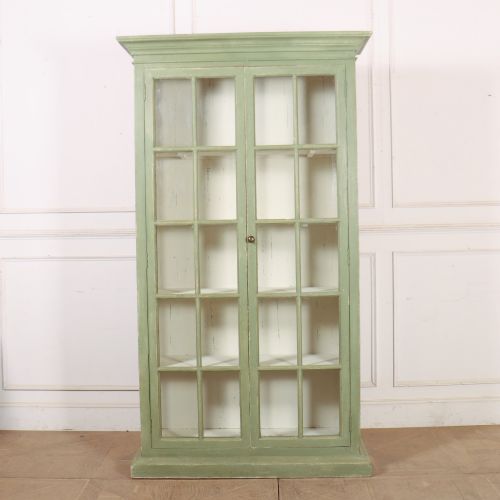
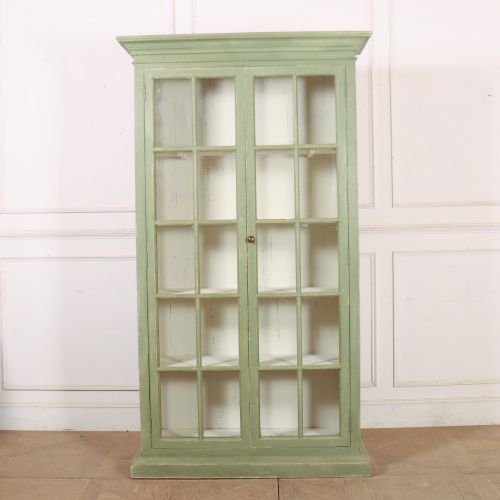
The versions you are most likely to meet on this page include kitchen dressers, bedside chests, sideboards, and glazed bookcases. Their forms range from small side cabinets and bedside tables to large kitchen dressers and housekeepers cupboards.
Origins represented in these listings stretch from English country workshops to Italian provincial houses, Dutch country homes, and Swedish interiors. Each piece carries the distinct regional proportions and joinery methods of its home tradition.
How they were made
Makers constructed these cabinets using pine, softwood, and general wood timbers, frequently applying painted finishes over the primary surfaces. Paint provides both protection and colour, appearing as historic layers or hand-painted details on the timber.
Hardware additions such as brass fittings and glass panels appear across bookcases and display cabinets to secure and exhibit contents. Construction relies on traditional regional joinery suited to domestic pine and softwood furniture.
Even a small cupboard can hold generations of quiet secrets behind its painted door.
What varies in quality
Quality rests in the harmony of regional proportions, the integrity of the original timber construction, and the character of the painted surface. Pieces that retain their historic painted finish alongside sound structural joinery stand apart from later adaptations.
Finer examples demonstrate considered proportion in cornices, door frames, and drawer construction, whether built for an English country kitchen, an Italian provincial room, or a Dutch country house.
Melissa White
The Sage Green Cabinet Glossary
- Pine
- A softwood timber commonly used for regional and country furniture throughout the eighteenth and nineteenth centuries. It takes paint readily and forms the structural carcase for many painted cupboards.
- Glazed Bookcase
- A cabinet featuring glass panels in the doors to display books or china while protecting them from dust. These often form the upper section of a larger storage piece.
- Housekeepers Cupboard
- A large storage piece traditionally used in large domestic kitchens or hallways for linens, dry goods, and household stores. They typically feature multiple doors and internal shelving.
- Provincial
- Describing furniture made in regional areas outside the capital, often displaying local building traditions and materials. These pieces prioritize sturdy utility over high-style metropolitan ornament.
- Softwood
- Timber derived from conifers, utilised extensively in vernacular furniture making for its availability and ease of working. It forms the base material for much of the painted country furniture seen here.
Sage Green Cabinet: Frequently Asked Questions
What rooms suit a sage green cabinet?
These painted pieces suit kitchens, bedrooms, and living spaces where practical storage is required. Their muted painted finishes allow them to integrate easily alongside existing room schemes.
Smaller bedside chests and side cabinets fit intimate spaces, while kitchen dressers and glazed bookcases anchor larger walls and display collections.
How do I date an antique painted cabinet?
Dating relies on examining construction methods, timber types, and the character of the paint layers. Eighteenth-century pieces often display hand-cut joinery and historic surface wear.
Later nineteenth-century and Edwardian examples show shifts in hardware, carcase construction, and glass manufacture that help place them in their period.
Are these cabinets made of solid wood?
The listings consist of wooden pieces constructed primarily from pine and softwood timbers. These materials were standard for regional country furniture.
Solid construction ensures durability across decades of domestic use, supporting painted finishes that age with the underlying timber.
What is the difference between a dresser and a sideboard?
A kitchen dresser typically combines lower storage cupboards or drawers with upper open shelving for crockery. They originated as functional kitchen furniture for working households.
A sideboard or credenza focuses on lower surface space and enclosed storage, often positioned in dining areas or living rooms for serving and storing tableware.